Understanding Metal Feed Storage: A Veteran’s Take on Durability and Design
Having spent over a decade in the industrial equipment sector, specifically around agricultural and feed storage solutions, I’ve come to appreciate the subtle but critical differences in metal feed storage units. These aren’t just big cans to toss some feed in—they embody careful engineering, materials science, and practical field use intertwined.
Oddly enough, when people first look at metal feed bins, many assume the main point is just “holding feed.” But if you spend a day managing feed deliveries or hearing farmer feedback (and I have), you realize how design nuances dramatically affect feed preservation, moisture control, and ease of handling. A poorly designed feed bin can lead to costly spoilage or rodent issues, which frankly, nobody wants.
Let’s dig a little deeper into what makes metal feed storage stand out in the world of agricultural storage solutions:
Material & Build Quality Make or Break It
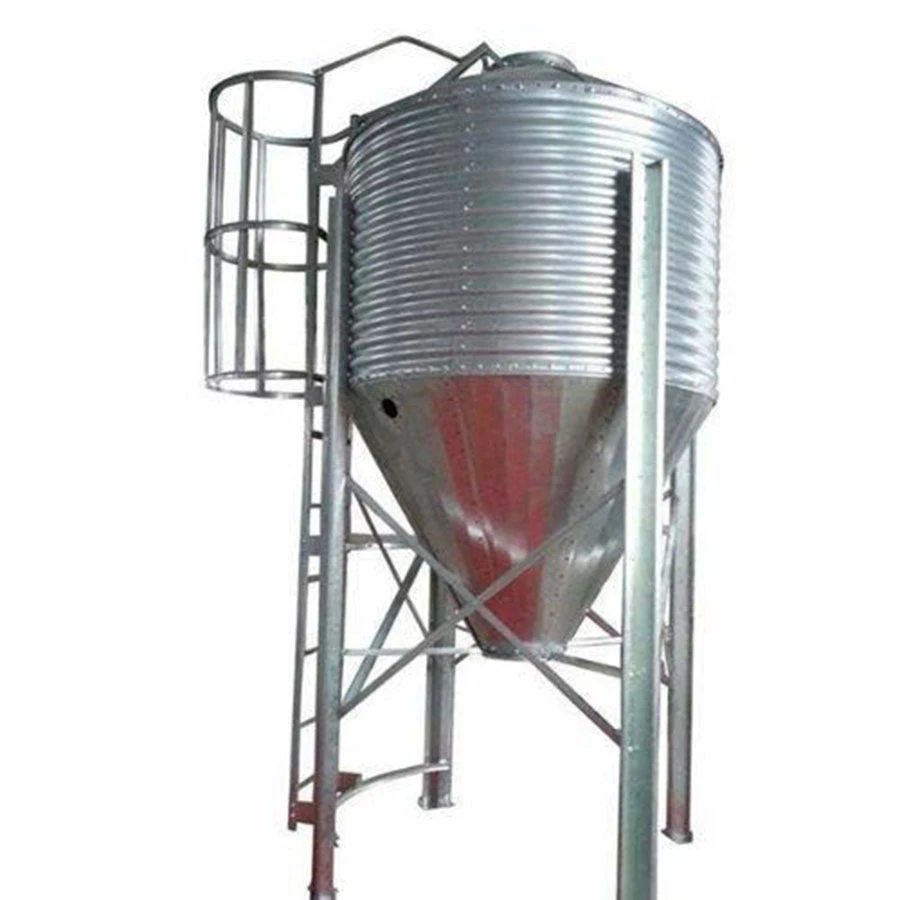
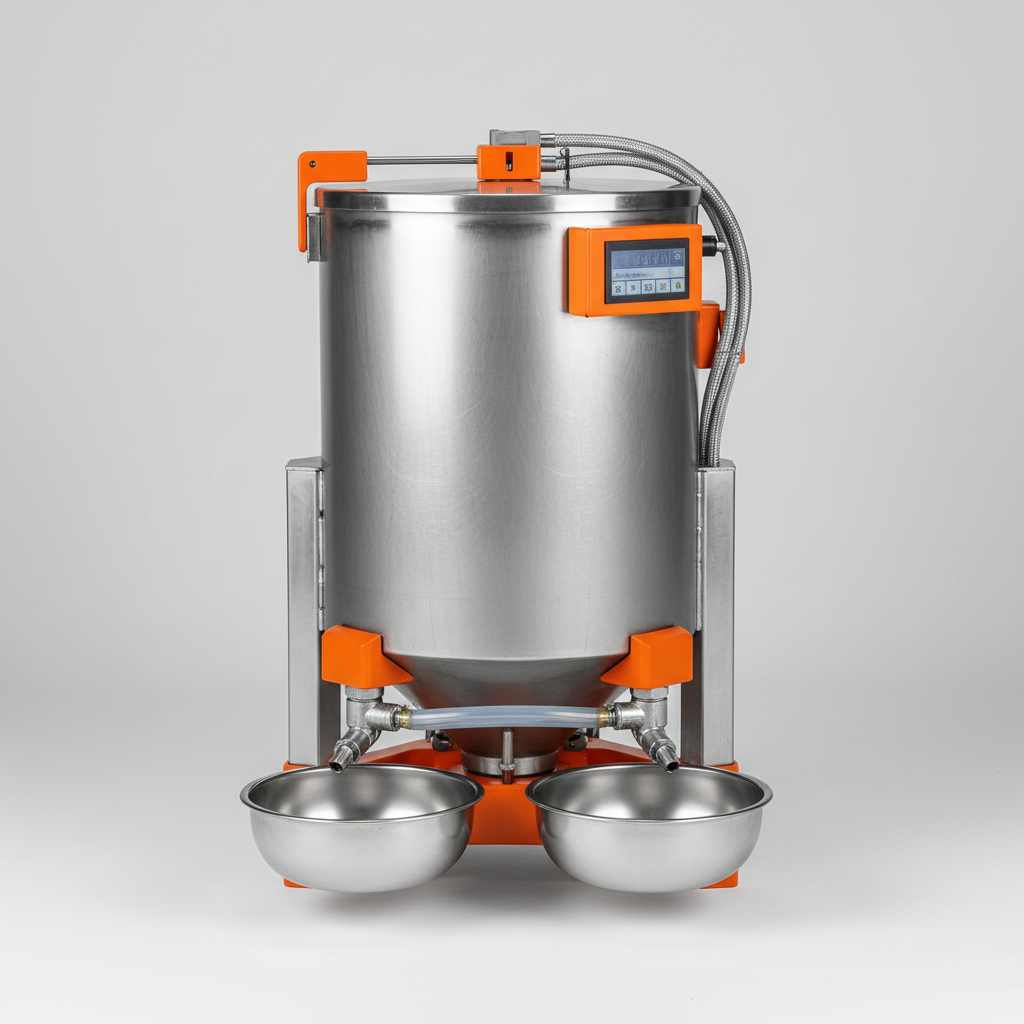
Most metal feed storage containers are fabricated from galvanized steel, sometimes with coatings or paint finishes that resist corrosion. I’ve seen bins that looked pristine after years outdoors, while others rusted through in less than a season—often because of poor metal thickness or inadequate protective coatings. Thickness usually ranges from 18 gauge to 14 gauge steel. Thicker steel means more durability but also higher cost and weight.
Many engineers I’ve worked with emphasize powder coating these metal surfaces for longer life. Honestly, it looks nicer, but it does provide a protective barrier against the harsh elements. Plus, smart features like reinforced seams and tight seals keep feed dry, critical for animal health.
Design Features that Matter
It might seem trivial, but roof design can really influence how well moisture is kept away. Rounded or sloped roofs help rainwater run off rather than pool. I’ve noticed some farms have switched from standard flat-top bins to those with more ergonomic lids to reduce water-related spoilage, a change that seemed small but yielded real cost savings.
Ventilation and access points—often overlooked—are other worth-noting features. Bins with adjustable vents help reduce condensation buildup inside. And fast, rodent-proof hatch doors mean less lost feed and less time spent on pest control. Something as simple as a well-placed access door can save a few hectic hours during peak feeding seasons.
Customer Anecdote: The Smith Farm Case
I recall a client, the Smith Farm, who switched to a larger metal feed silo with custom weather seals after struggling with wet feed and rodent infestations. Within seasons, they reported a 30% reduction in feed wastage and less labor chasing critters. It felt like the right design and material choices genuinely paid off, and that’s where the industry is heading: tailored solutions, not one-size-fits-all.
Metal Feed Storage Product Specifications:
| Specification | Typical Value |
|---|---|
| Material | Galvanized Steel (18-14 Gauge) |
| Capacity | 1,000 to 10,000+ lbs |
| Roof Design | Rounded or Sloped for Rainwater Runoff |
| Coating | Powder-Coated or Painted for Corrosion Resistance |
| Access | Rodent-Proof Hatch Doors & Adjustable Vents |
Vendor Comparison: A Quick Look at Three Popular Metal Feed Storage Providers
| Feature | Vendor A | Vendor B | Vendor C |
|---|---|---|---|
| Steel Gauge | 16 Gauge | 18 Gauge | 14 Gauge |
| Powder Coating | Yes | No | Yes |
| Capacity Range (lbs) | 2,000 – 8,000 | 1,000 – 5,000 | 3,000 – 10,000+ |
| Access Doors | Rodent-Proof Hatch | Standard Hatch | Rodent-Proof Hatch + Side Doors |
| Estimated Price Range | $$$ | $$ | $$$$ |
In real terms, metal feed storage is an investment—you want it to protect your feed and fit your operation’s scale and environment. That means balancing cost, durability, and ease of use. Personally, I always advise leaning toward slightly heavier gauge steel and proven weather protection, even if it pushes the budget a bit. In the long run, those few extra dollars usually save you headaches and spoilage.
If you’re exploring options, do consider what type of feed, local climate, and pest issues you face. Metal bins come in various sizes, capacities, and finishes, and every feature, from vents to door locks, plays into daily efficiency. It’s a bit like building a good pair of boots — you want something tough but comfortable.
To wrap up, I’d say metal feed storage stands as a time-tested solution for secure, durable feed containment. There’s nothing flashy about a well-built bin, but it reliably does the job — protecting feed, saving money, and letting you focus on other things, like the animals themselves.
— From someone who’s been under the tin roof watching bins endure storms and seasons alike.
References:
1. Industry corrosion testing reports, National Agricultural Equipment Assoc.
2. Smith Farm Feedback Survey 2022
3. “Best Practices in Agricultural Storage,” Journal of Farm Engineering
Post time: Dec . 09, 2025