Why Metal Water Feeders Matter More Than Ever
At first glance, a metal water feeder might not seem like a revolutionary product—after all, feeding water to livestock or wildlife is a centuries-old practice. But in today’s world, with increasing urbanization, climate change, and growing livestock industries, understanding metal water feeders is more crucial than it’s ever been. These devices serve as simple yet indispensable tools for effective water delivery, promoting sustainable farming, reducing water waste, and ensuring animal welfare on a global scale. Frankly, if you’re involved in agriculture, animal care, or environmental conservation, getting to know the workings and benefits of quality metal water feeders pays off handsomely.
The Global Context: A Need for Reliable Water Feeding Systems
Worldwide, agriculture accounts for nearly 70% of freshwater withdrawals (source: FAO). That’s a massive strain on an already stressed natural resource. In livestock-intensive regions—think parts of Australia, Central America, and East Africa—having robust, low-maintenance water feeding systems can mean the difference between thriving herds and devastating losses. Metal water feeders step in here by providing durability and efficiency that traditional wooden or plastic troughs often can’t match, especially under harsh weather or rough handling.
Oddly enough, despite advances in tech, many remote farming communities still rely on rudimentary setups prone to leaks and contamination. ISO standards emphasize the need for standardized, hygienic water solutions, and metal feeders often align neatly with these criteria, enhancing safety and animal health. So, when global organizations plan development projects or disaster relief in agro-zones, metal water feeders frequently make the list of must-haves.
What Exactly is a Metal Water Feeder?
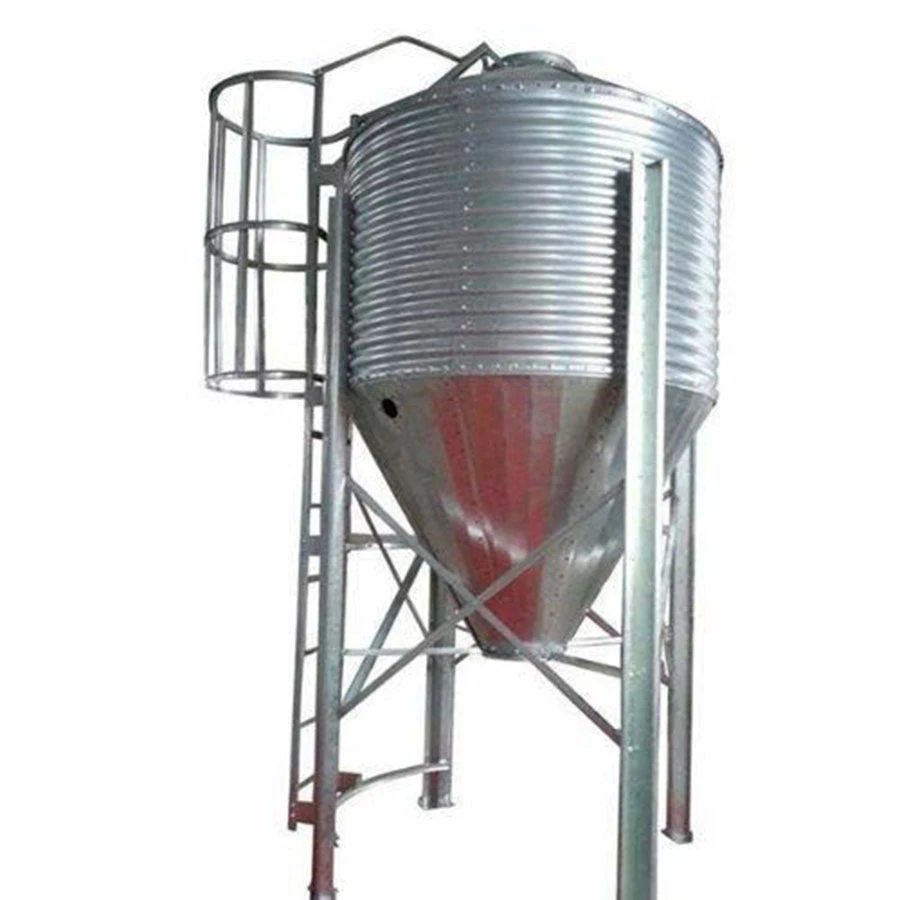
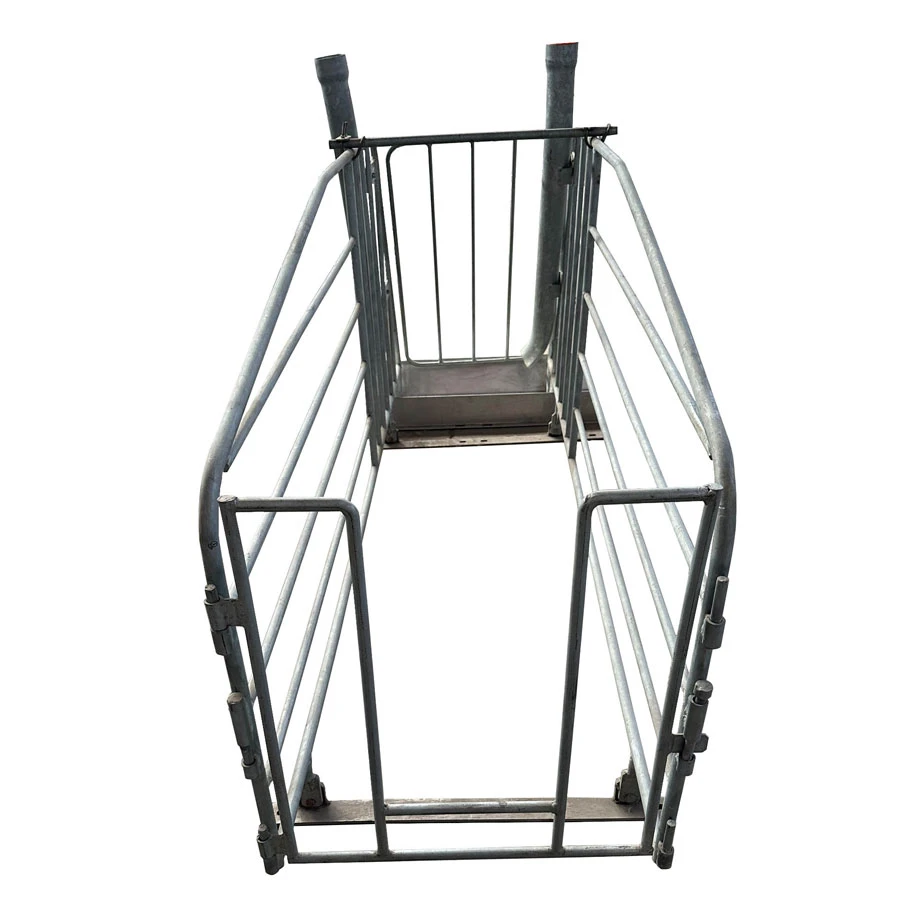
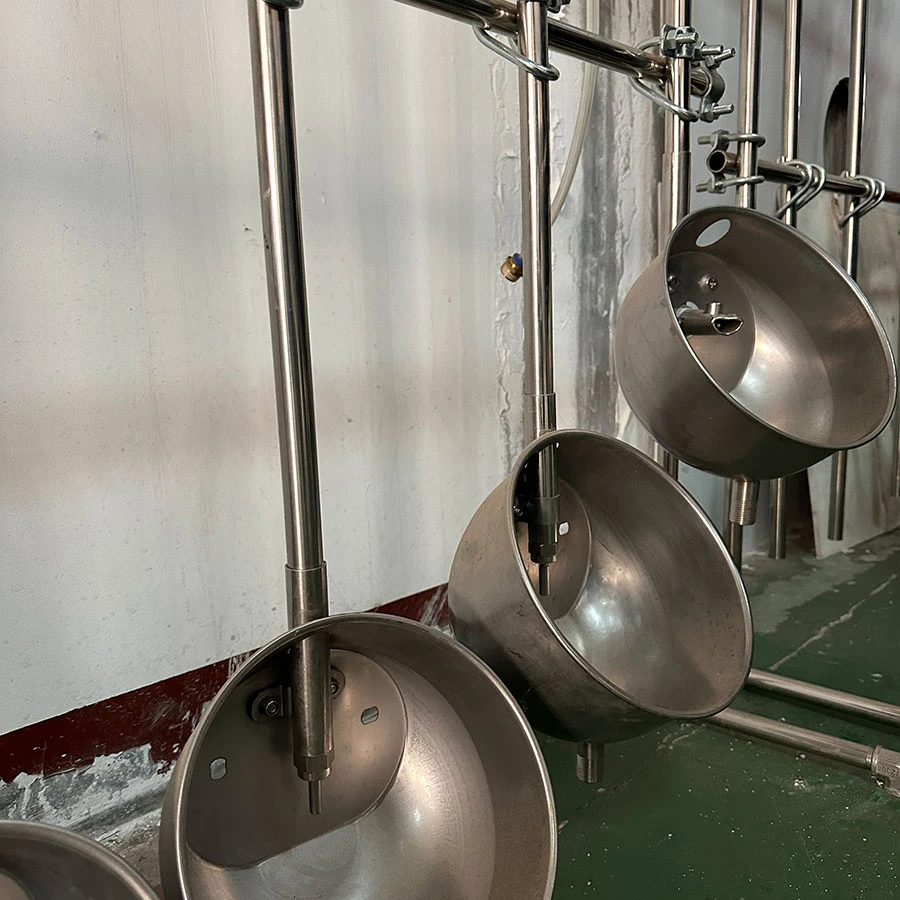
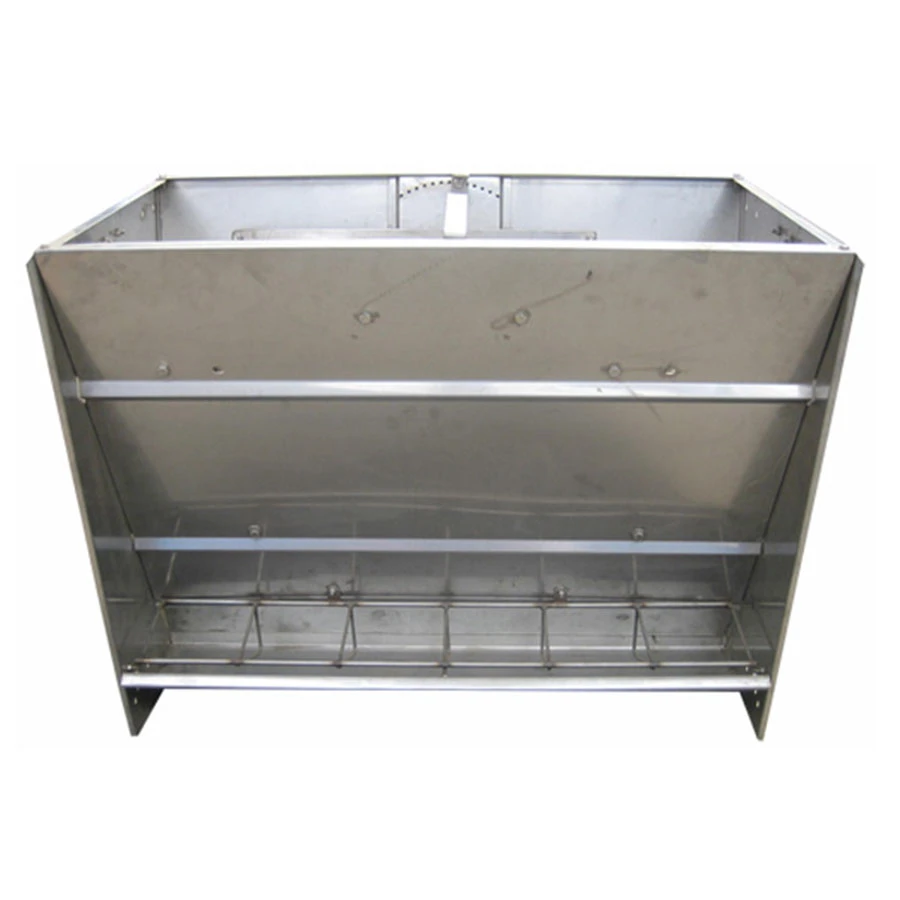
Simply put, a metal water feeder is a container or trough designed to hold and dispense water specifically for animals, constructed primarily from metal materials—usually galvanized steel or stainless steel. Its purpose? To provide a steady supply of drinking water that’s easy to refill, clean, and resist damage. Compared to alternatives, metal feeders offer a blend of longevity and hygiene — key for industries ranging from large-scale ranching to smallholder farms.
In modern contexts, you’ll also find these feeders integrated into automated watering systems, where sensors regulate water levels, aiding in resource conservation. So while the device itself seems straightforward, its connection to the broader push for sustainable agriculture and food security is pretty significant.
Key Elements that Make or Break a Metal Water Feeder
Durability
The metal choice is crucial. Galvanized steel protects against rust but can dent under heavy use, while stainless steel resists corrosion better but at a premium cost. Durability ensures years of service, cutting replacement costs and keeping water uncontaminated.
Ease of Cleaning
Water hygiene is paramount. Designs that allow smooth surfaces and minimal crevices prevent bacteria buildup. Many feeders now incorporate drain plugs or sloped interiors for efficient cleaning, which is critical to animal health.
Water Conservation Features
Some metal feeders come with float valves or lids to reduce evaporation and spillage. Simple add-ons that make a surprisingly big difference, especially in drought-prone areas.
Scalability & Capacity
Feeders come in many sizes—from small troughs for young animals to large wall-mounted designs for herds. Scalability matters for diverse farming needs and operational flexibility.
Installation & Maintenance
The best feeders are easy to install and maintain. Lightweight designs help where access is difficult, but sturdiness remains non-negotiable. Many farmers also prefer feeders that integrate well with automated supply tanks.
| Specification | Standard Model | Heavy Duty Model | Automated Version |
|---|---|---|---|
| Material | Galvanized Steel | Stainless Steel | Stainless Steel with Sensors |
| Capacity | 50 liters | 100 liters | 75 liters |
| Weight | 15 kg | 30 kg | 25 kg |
| Features | Basic Trough | Reinforced, Weather Resistant | Auto Fill with Float Valve |
| Price Range | $50 - $70 | $100 - $130 | $150 - $200 |
Mini takeaway: When choosing a metal water feeder, weigh durability, size, and features against your operational needs. The right fit cuts down hassle and boosts livestock welfare.
Real-Life Applications Around the World
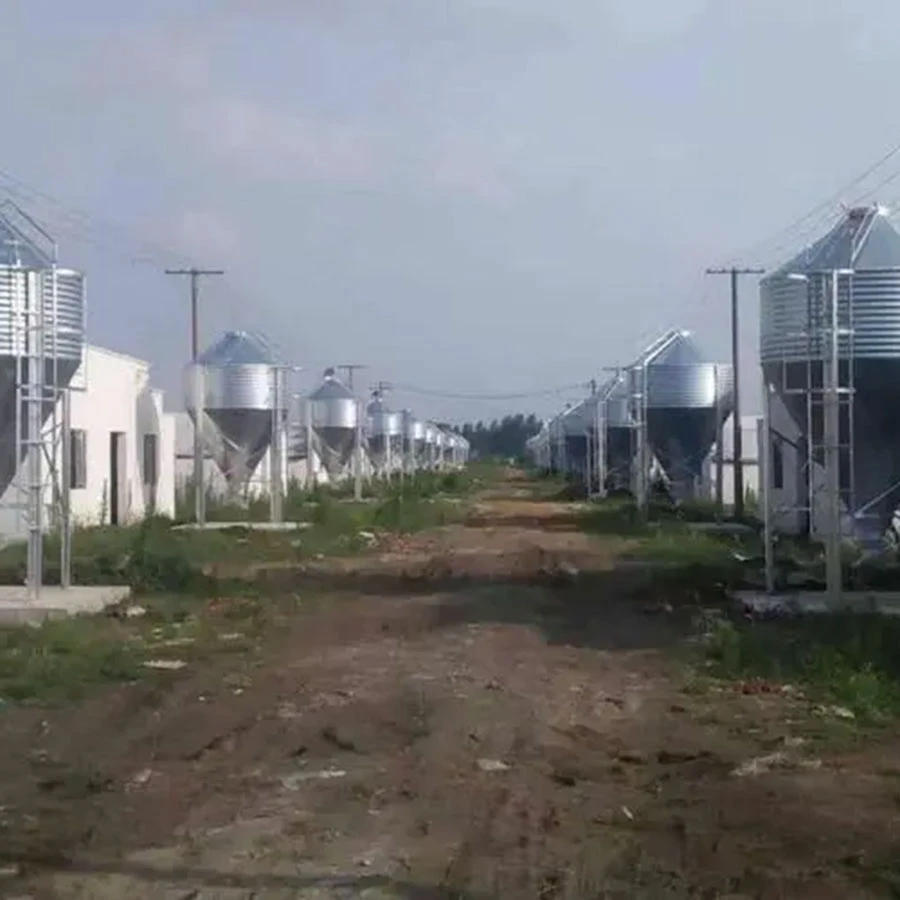
Metal water feeders have found their niche across continents and industries. In the Australian outback, farmers depend on heavy-duty metal feeders that can survive intense sun and curious kangaroos. In East Africa, humanitarian groups supplying post-drought relief include sleek metal feeders in their livestock kits to rebuild herds sustainably.
Industrial farms in the U.S. integrate these feeders into automated watering systems, controlling large dairy or cattle herds through smart monitoring technologies. Conservationists even use metal feeders to supply water to endangered species in arid reserves, reducing direct human interference.
Oddly enough, many urban zoos now prefer metal feeders too, citing hygiene and durability over plastic, which wears down faster under constant use.
Vendor Comparison for Metal Water Feeders
| Vendor | Material Quality | Customization | Price Range | Delivery Time |
|---|---|---|---|---|
| FarmEquip Co. | High-grade galvanized steel | Basic sizes only | $45-$75 | 2-3 weeks |
| AgroMetal Solutions | Stainless steel options | Custom sizes, auto options | $100-$210 | 1-2 weeks |
| Livestock Pro | Durable galvanized steel with coatings | Standard sizes, some customization | $55-$90 | 3-4 weeks |
Mini takeaway: Whether you prioritize price, durability, or tailored features, there's a metal water feeder supplier fit for your scale and budget.
Why Choose Metal Water Feeders? The Advantages at a Glance
- Longevity: They outlast plastic or wooden feeders by often a decade or more.
- Hygiene: Metal surfaces are less prone to bacterial buildup, especially when cleaned regularly.
- Reduced Waste: Features like float valves limit unnecessary water loss.
- Cost-effectiveness: Though upfront costs can be higher, the long-term replacement savings add up.
- Animal Welfare: Consistent access to clean water leads to healthier and more productive animals.
On an emotional note, it’s heartening to see how simple things like a sturdy metal water feeder can improve both farmers’ livelihoods and animal dignity in tough settings. At the intersection of innovation and empathy, these feeders quietly make a big difference.
Looking Ahead: Future Innovations in Metal Water Feeders
The future promises some exciting upgrades. Smart technology — think IoT-enabled water level sensors and automated refill systems — are gradually becoming affordable even for mid-sized farms. Materials science is exploring nano-coatings that prevent dirt and bacterial adhesion, cutting cleaning times drastically.
Climate change also pushes for more drought-resistant designs with integrated water recycling features. Plus, the trend toward greener manufacturing processes means the metal used is increasingly sourced sustainably. So, the humble metal water feeder is evolving, blending old-school durability with smart, eco-friendly tech.
Overcoming Challenges: What to Watch Out For
No product is perfect. Some challenges include initial cost barriers for small-scale farmers, potential for rust in cheaply made feeders, and the need for periodic maintenance. However, innovation and community training often address these concerns. NGOs and industry bodies recommend choosing certified products and providing maintenance workshops to prolong feeder life.
FAQ: Quick Answers About Metal Water Feeders
Q: How long does a typical metal water feeder last?
A: With proper care, galvanized feeders can last 10-15 years, and stainless steel models even longer, owing to their rust resistance.
Q: Are metal water feeders suitable for harsh climates?
A: Yes, they are among the most weather-resistant options available, particularly stainless and well-galvanized steel variants.
Q: Can I automate my metal water feeder?
A: Absolutely. Modern feeders often come with or can be retrofitted with sensors and float valves for automated water level control.
Q: How do metal water feeders compare environmentally to plastic options?
A: While metal production can be energy-intensive, their longevity and recyclability often result in a lower environmental footprint over their lifespan.
Q: Where can I find reliable metal water feeders?
A: Trusted vendors listed here and online agricultural supply sites like metal water feeder providers offer good options. Always look for ISO certifications and warranty coverage.
Wrapping Up: Why Metal Water Feeders Are a Smart Pick
In real terms, metal water feeders provide a robust, hygienic, and cost-effective solution that meets the demands of modern agriculture, conservation, and animal welfare worldwide. Investing in quality metal water feeding systems means fewer headaches, healthier animals, and better water management. For anyone in the livestock or animal care business, it's well worth a look.
Curious to explore our range? Visit https://www.cxlivestock.com to find durable, efficient metal water feeders tailored for your needs.
References:
Post time: Dec . 02, 2025