Why Heavy Duty Plastic Floor Grates Are a Game-Changer in Industrial Spaces
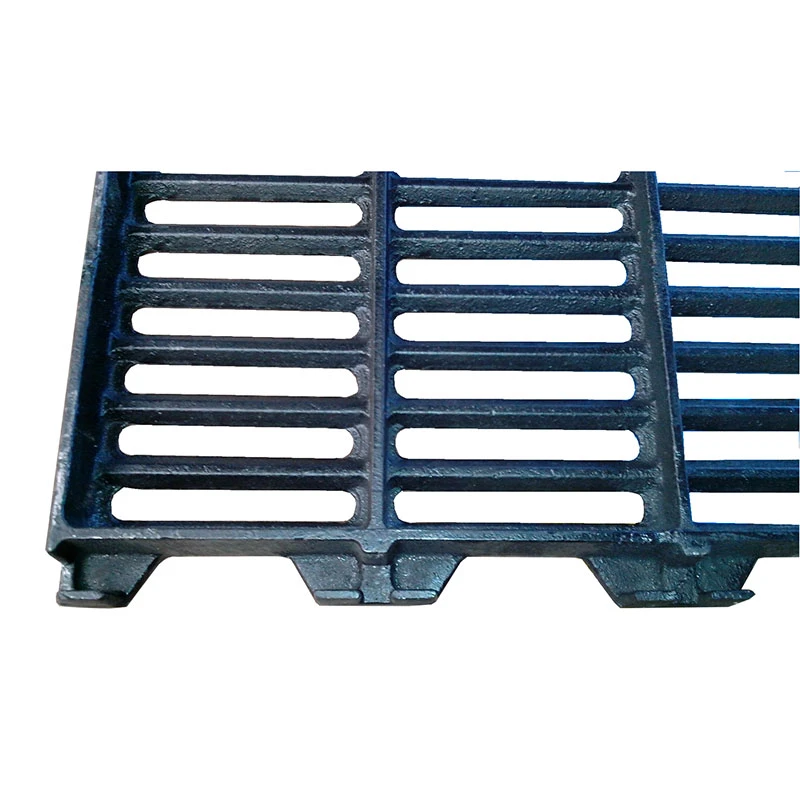
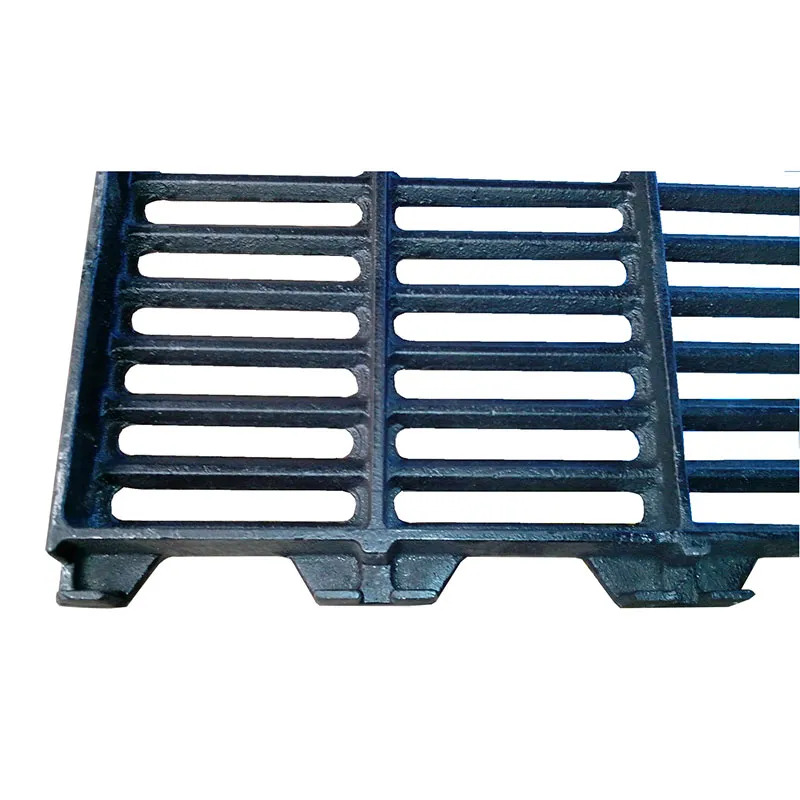
Having spent many years walking around factories, feedlots, and production floors, I’ve seen my fair share of flooring solutions. But honestly? Heavy duty plastic floor grates have quietly taken a front seat in places where durability and safety can’t be compromised. You know, the kind of places where steel grates might corrode or where the floor needs to drain efficiently while handling harsh chemicals.
What’s fascinating is how these grates combine resilience with clever design — they don’t just hold up under weight; they stay functional in slippery, wet, or corrosive environments.
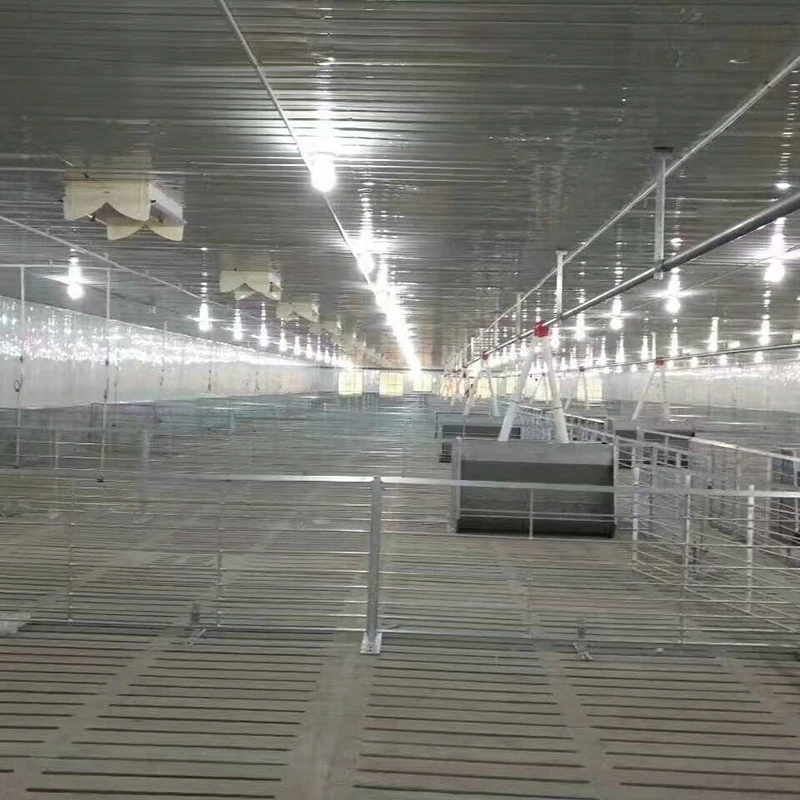
Frankly, for anyone in industries such as livestock management, food processing, or chemical manufacturing, these grates represent an upgrade that’s both practical and, dare I say, cost-effective in the long run.
Key Features and Specifications of Heavy Duty Plastic Floor Grates
| Feature | Specification |
|---|---|
| Material | High-density polyethylene (HDPE) or polypropylene |
| Load Capacity | Up to 3,000 lbs per square foot (varies by model) |
| Chemical Resistance | Resistant to oils, acids, alkalis, and animal waste |
| Dimensions | Standard panels: 24" x 48" (custom sizes available) |
| Installation | Snap-in modular system; no welding required |
| Maintenance | Simple cleaning; resists staining and buildup |
| Lifespan | Typically 10+ years depending on conditions |
Comparing Top Vendors for Heavy Duty Plastic Floor Grates
Not all plastic floor grates are built alike — especially when you dig into specs and long-term durability. Here’s a quick look at some main players I’ve come across during client consultations and site visits:
| Vendor | Material Quality | Load Rating | Customization | Price Range |
|---|---|---|---|---|
| CX Livestock | HDPE with UV inhibitors | 2,500 lbs/sq ft | Standard & custom sizes | Mid-range |
| PolyFlo | Polypropylene reinforced | 3,000 lbs/sq ft | Modular panels only | Higher |
| Duragrid Systems | HDPE with chemical resistance | 2,000 lbs/sq ft | Custom sizes available | Budget-friendly |
Real-World Insight: A Quick Story From the Field
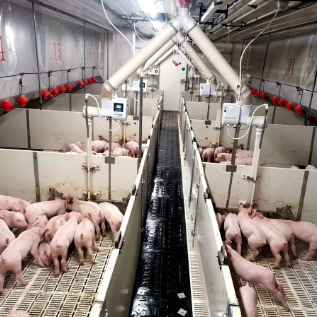
I remember a client, an agricultural feedlot manager, telling me about their switch to heavy duty plastic floor grates after struggling with metal grates that rusted and became unsafe in wet conditions. The modular design meant they could section off parts of the floor during cleaning, saving time and money. They also noticed a drop in slip-related incidents—probably due to the grate’s excellent drainage and grip.
It’s those kinds of stories that remind me these products aren’t just specs on paper. They make a real difference, and oddly enough, they can even improve worker morale when people see their workplace evolving with smarter equipment.
Wrapping It Up: Should You Choose Plastic Floor Grates?
If you’re dealing with corrosive environments, frequent washdowns, or heavy loads — plastic floor grates are worth serious consideration. They’re not “just plastic.” They’re specialized, engineered panels that can outlast and outperform metal under many circumstances.
Keep an eye out for UV protection, load ratings, and vendor support when making your choice. Installation is usually straightforward, and the maintenance? Easy enough to keep your team smiling.
Well, I could go on, but I’ll leave you with this thought: many engineers I respect have quietly swapped out old steel grates for these plastic variants without looking back. It’s a small change with a big impact.
References / personal reflections:
- Industry talks at the 2023 Heavy Equipment Expo
- Conversations with field engineers and feedlot managers (2019–2023)
- CX Livestock product data and customer testimonials
Post time: Nov . 14, 2025