Plastic Open Mesh Flooring: A Global Asset for Modern Industry and Livelihood
At first glance, plastic open mesh flooring might seem like just another building material. But dig a little deeper, and you realize it’s a quietly transformative technology with implications spanning agriculture, disaster relief, manufacturing, and beyond. From tropical farms to cold warehouses, this practical flooring solution addresses hygiene, durability, and sustainability concerns — something the world increasingly values.
Why is it so important on a global scale? Well, with rapid urbanization and rising demand for efficient livestock management and industrial flooring globally, plastic open mesh flooring emerges as a cost-effective, hygienic solution. Whether it’s ensuring cleaner conditions in poultry houses in Southeast Asia or enabling faster setup of disaster shelters in Europe, understanding this material is crucial for industries prioritizing health, economics, and environment.
Understanding the Global Importance of Durable Flooring Solutions
Industrial and agricultural sectors worldwide face challenges like contamination, poor hygiene, and costly maintenance. According to ISO and the UN, improving farming and manufacturing standards is essential for sustainable development goals. Nearly 30% of livestock diseases can be traced back to compromised flooring and unhygienic conditions — something that proper plastic mesh flooring directly combats.
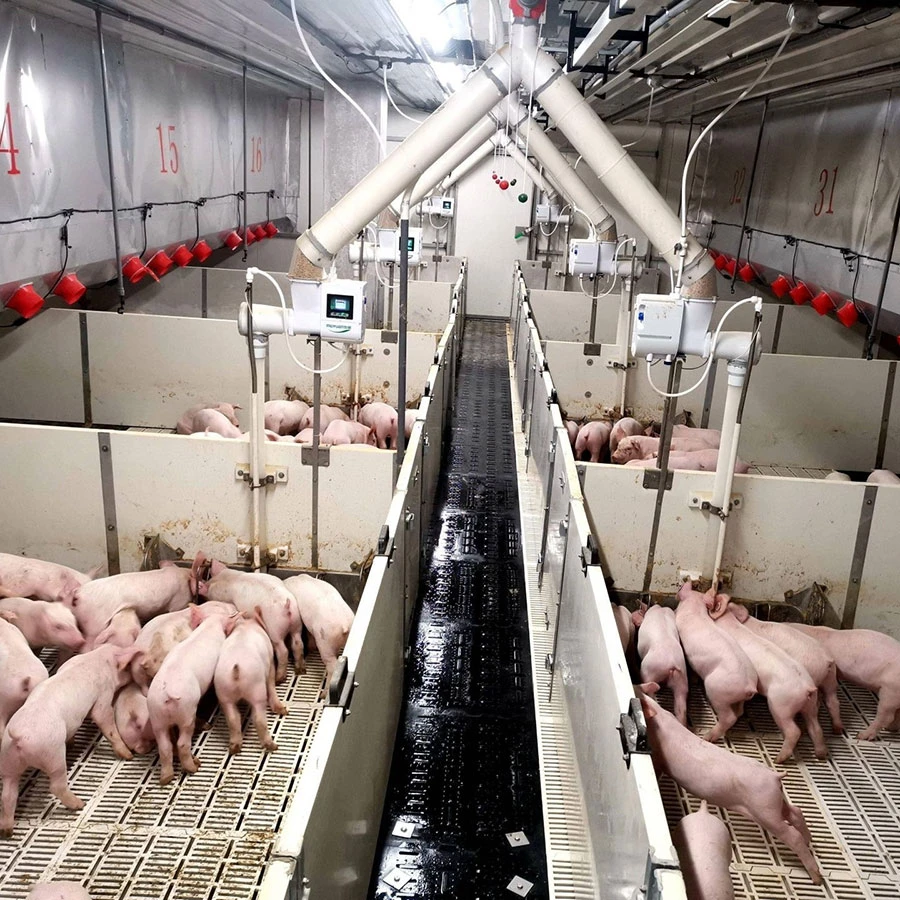
Take poultry farming, for example. In countries such as Brazil, India, and China — pillars of global meat supply chains — managing litter and waste is a persistent problem. The introduction of plastic open mesh flooring allows better drainage and airflow, reducing disease vectors and improving animal welfare. Without this, the global food supply chain risks inefficiencies that cascade into food insecurity.
Defining Plastic Open Mesh Flooring
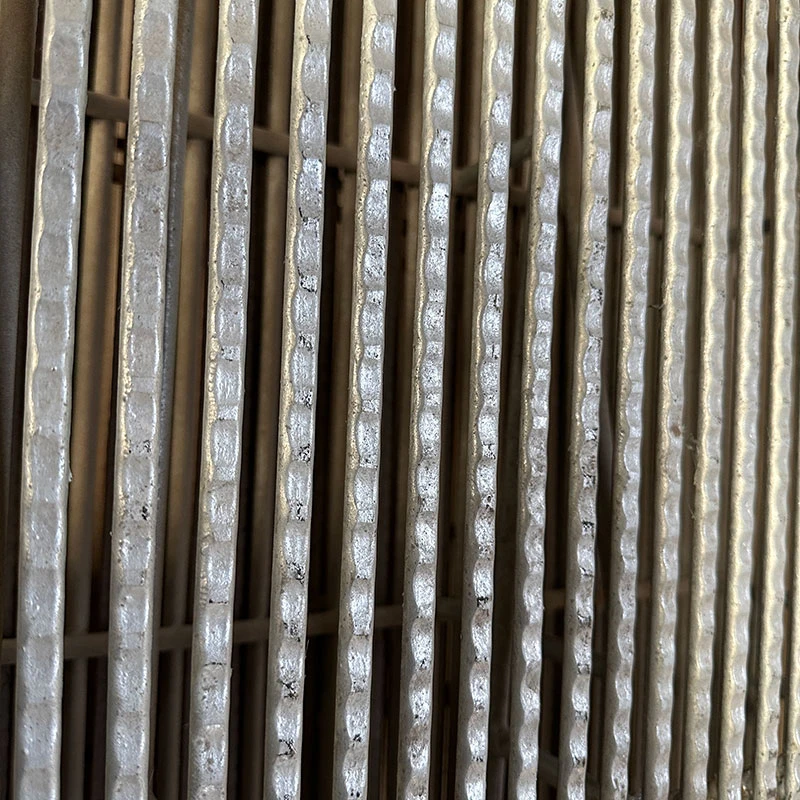
Simply put, plastic open mesh flooring consists of interlocking grids or panels made from durable polymers, arranged to create a ventilated walking surface. This mesh structure allows air and liquid to pass through while supporting weight, making it ideal for environments that require cleanliness and drainage.
Industries rely on this flooring for its resistance to corrosion, easy installation, and low cost of ownership. Often found in livestock buildings, greenhouses, or industrial warehouses, it fits modern industry’s demand for flexible and hygienic infrastructure.
Mini takeaway:
Plastic open mesh flooring is essentially a smart, hygienic surface solution embraced worldwide for its practicality and durability.
Core Components That Make Plastic Open Mesh Flooring Stand Out
Durability
The plastic polymers used — typically polypropylene or polyethylene — resist UV radiation, moisture, and chemicals better than wood or metal. This means the flooring lasts multiple years outdoors or in harsh environments without rotting or rusting.
Slip Resistance
Safety is paramount in high-traffic facilities. The textured or patterned mesh ensures animals or workers have secure footing, reducing accidents and injuries.
Ease of Installation & Scalability
These modular panels snap together quickly, making deployment straightforward — an advantage in remote sites or emergency shelters where time matters. Expanding existing flooring systems is just as hassle-free.
Cost Efficiency
Compared to traditional concrete or timber flooring, plastic mesh systems require minimal maintenance, lowering long-term operational expenses. This appeals especially to small farms and startups scaling production.
Sustainability
Newer products increasingly use recycled plastics or biopolymers, contributing to circular economy goals and reducing environmental footprints.
Maintenance & Hygiene
The open mesh design means waste, water, and debris fall through, keeping surface clean with less manual labor — an important factor for animal health and food safety.
Mini takeaway:
OK, so it’s not magic, but plastic open mesh flooring checks critical boxes: durable, safe, affordable, and cleaner.
Global Use Cases: Where and How Plastic Open Mesh Flooring Makes a Real Difference
This flooring is truly versatile.
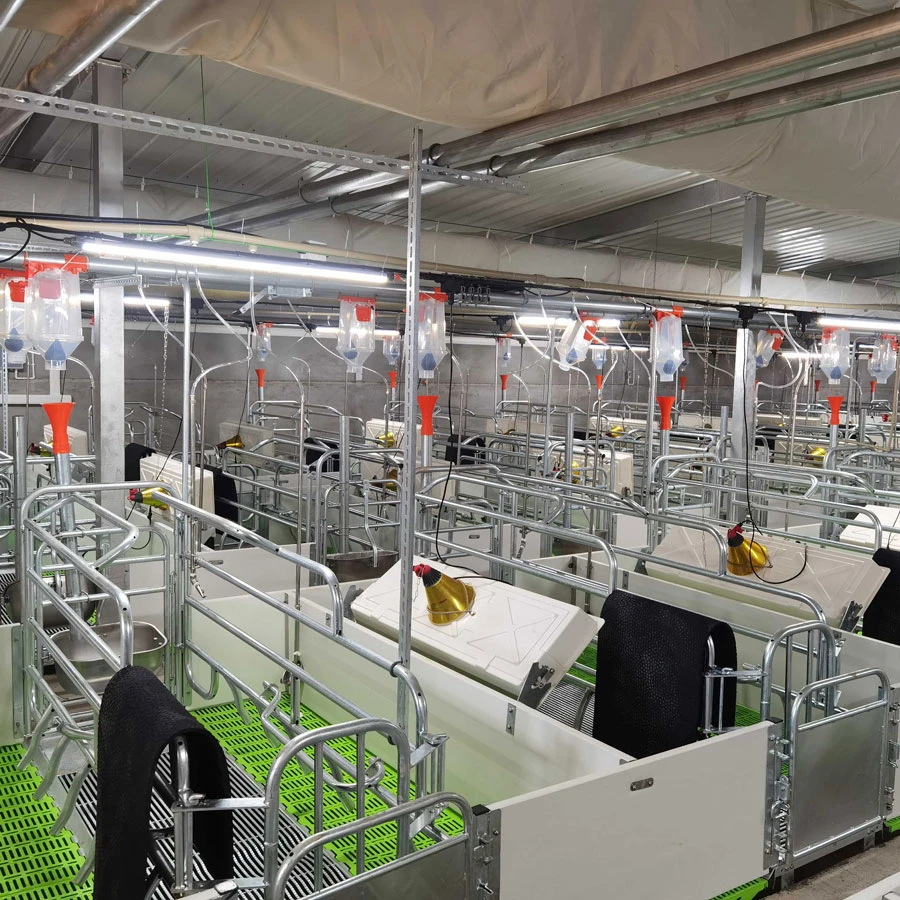
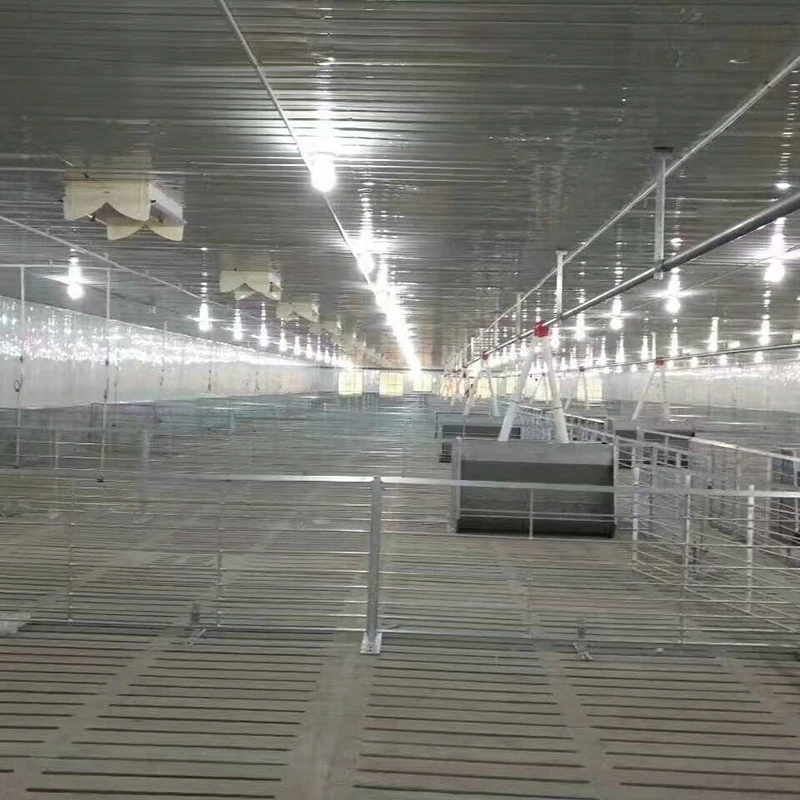
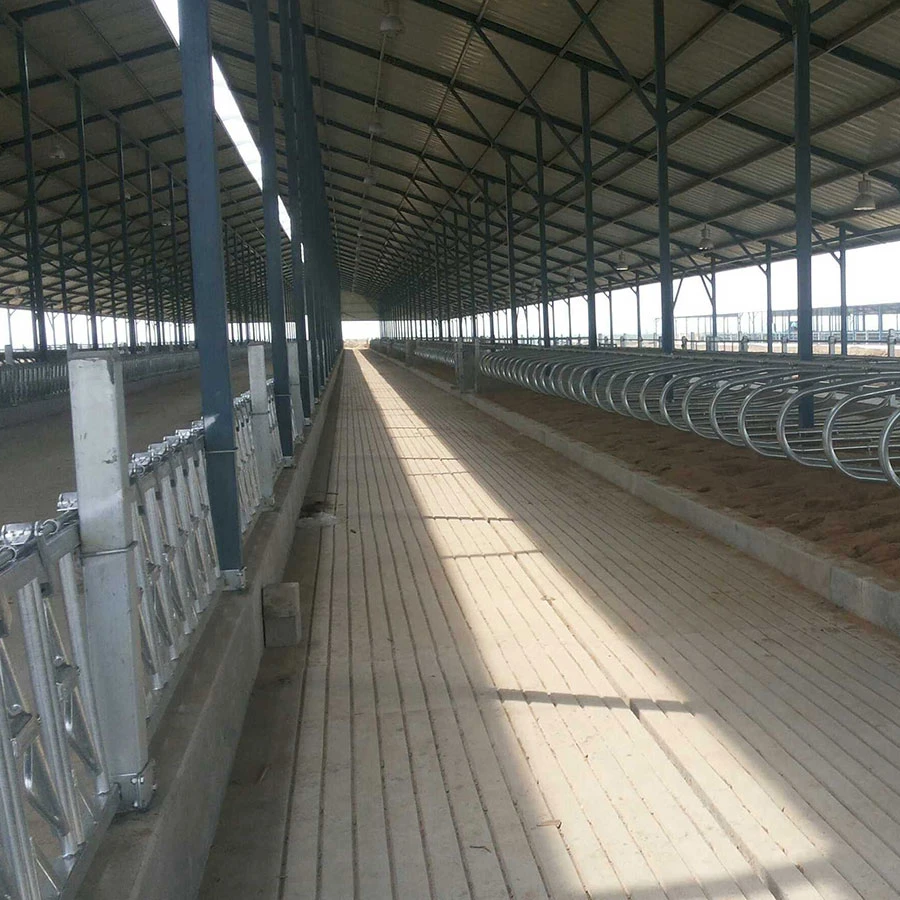
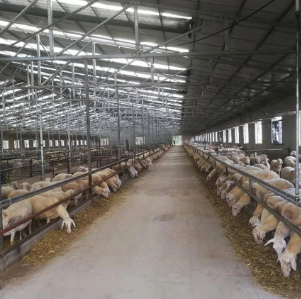
- Agriculture: It’s widely used in poultry farms across Europe and Asia, where ventilation and hygiene directly impact flock health.
- Disaster Relief Operations: After floods or earthquakes, temporary shelters often incorporate plastic mesh flooring for quick, sanitary deployment.
- Industrial Warehouses: In places like North America and Australia, open mesh flooring helps with drainage inside manufacturing facilities and cold storage.
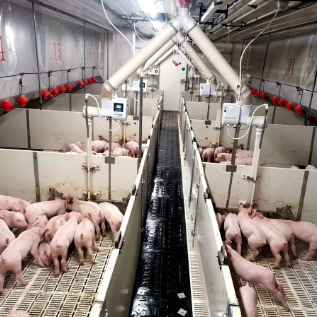
- Livestock Management: In Latin America, saving smallholder farmers money by reducing disease transmission and cleaning time.
For instance, an NGO supplying emergency shelters in Southeast Asia found that using plastic mesh flooring reduced setup times by 30%, while improving sanitary conditions for displaced families.
Mini takeaway:
Across continents and industries, plastic open mesh flooring influences better health, efficiency, and economics.
What Makes Plastic Open Mesh Flooring Worth the Investment?
It’s a blend of tangible value and peace of mind:
- Cost Savings: Lower repair, cleaning, and replacement costs translate to real savings.
- Enhanced Safety & Health: Less disease risk means fewer losses and better welfare.
- Longevity: Durability diminishes downtime and frequent replacements.
- Environmental Impact: Materials and design support sustainability commitments.
- Innovation & Trust: The simple yet effective solution inspires confidence among stakeholders.
Many facility managers say switching to plastic mesh floors was the best upgrade they didn’t even know they needed.
Product Specification Table
| Feature | Specification |
|---|---|
| Material | UV stabilized polypropylene |
| Panel Size | 600 x 600 mm |
| Load Capacity | Up to 1500 kg/m² |
| Slip Resistance | R13 rating (DIN 51130) |
| Temperature Range | -30°C to +80°C |
| Typical Lifespan | 8 - 12 years (dependent on UV exposure) |
Comparing Top Vendors in Plastic Open Mesh Flooring
| Vendor | Material Source | Price Range (USD/m²) | Customization Options | Warranty |
|---|---|---|---|---|
| PolyMesh Co. | Recycled Polypropylene | $15 - $22 | Color & size options | 5 years |
| EnviroFloors Ltd. | Virgin Polyethylene, UV coated | $18 - $25 | Custom shapes, anti-slip topcoat | 7 years |
| GreenGrid Solutions | Biopolymer blends | $20 - $30 | Eco-friendly options, varied mesh sizes | 3 years |
The Road Ahead: Innovations and Trends in Plastic Open Mesh Flooring
Innovation in materials science is pushing the boundaries, with more vendors experimenting with recycled content and biopolymers to further reduce environmental impact. Automation in manufacturing is enabling customized floor panels tailored to specific use cases — no more one-size-fits-all.
Reinforcing sustainability, digital tracking of product lifecycle (IoT-enabled) is becoming a real trend, allowing facility managers to predict wear before failure. Sort of like a "fitbit" for your floor panels. It’s an unexpected area where technology meets practical infrastructure.
Facing Challenges Together
Of course, no solution is perfect. Some challenges include:
- UV Degradation: Over time, the plastic can become brittle if not properly stabilized.
- Load Limitations: Extremely heavy machinery may still require traditional concrete floors.
- Disposal Concerns: End-of-life recycling infrastructure isn’t uniformly available.
Experts suggest hybrid solutions — for example, combining mesh flooring with recycled composite reinforcements — to extend lifespan. Also, ongoing commitment from manufacturers toward circular economy practices is shaping policies that help ease disposal woes.
Frequently Asked Questions About Plastic Open Mesh Flooring
Q1: How do plastic open mesh floors compare to traditional concrete in cost and maintenance?
A1: While initial costs for plastic mesh can sometimes be higher than basic concrete, plastic floors save money long-term due to less maintenance, faster installation, and improved hygiene reducing disease-related losses.
Q2: Are plastic open mesh floors suitable for outdoor use?
A2: Yes, many products are UV stabilized and designed for outdoor environments like farms and warehouses. However, exposure extremes like strong sunlight or freezing temperatures can affect longevity.
Q3: Can these floors be customized for specific industries?
A3: Absolutely. Vendors often offer varied mesh sizes, load capacities, surface textures, and colors tailored to industries ranging from poultry to cold storage.
Q4: How environmentally friendly is plastic open mesh flooring?
A4: It depends on the material source and end-of-life plan. Increasingly, manufacturers use recycled plastics and biopolymers, and support recycling or reuse programs, making it a greener choice than many alternatives.
Q5: Where can I learn more or purchase plastic open mesh flooring?
A5: A good starting place is to check with industry suppliers or specialized vendors listed in the tables above. Also, explore resources around sustainable farming infrastructure and industrial flooring solutions for insights.
In Conclusion: The Sustainable Path Forward
Plastic open mesh flooring is more than a product — it’s a global enabler of cleaner, safer, and more efficient environments. Whether you’re managing a sprawling poultry farm or setting up emergency shelters, it promises durability, cost savings, and hygiene.
Ready to explore how this solution fits your needs? Check out plastic open mesh flooring vendors and product lines today. Investing wisely today means fewer headaches tomorrow—and really, who can argue with that?
References
Post time: Nov . 15, 2025