Why Plastic Walkway Mesh Is Becoming a Go-To in Industrial Flooring
After spending years knee-deep in the industrial equipment sector, I have to admit, the unassuming plastic walkway mesh often slips under the radar, but it’s a bit of a hero when it comes to workplace safety and durability. I remember one job site where steel grating just didn’t cut it — too heavy, prone to rust, and painful on the feet for anyone spending hours on their feet. That’s when the shift to plastic meshes really stood out.
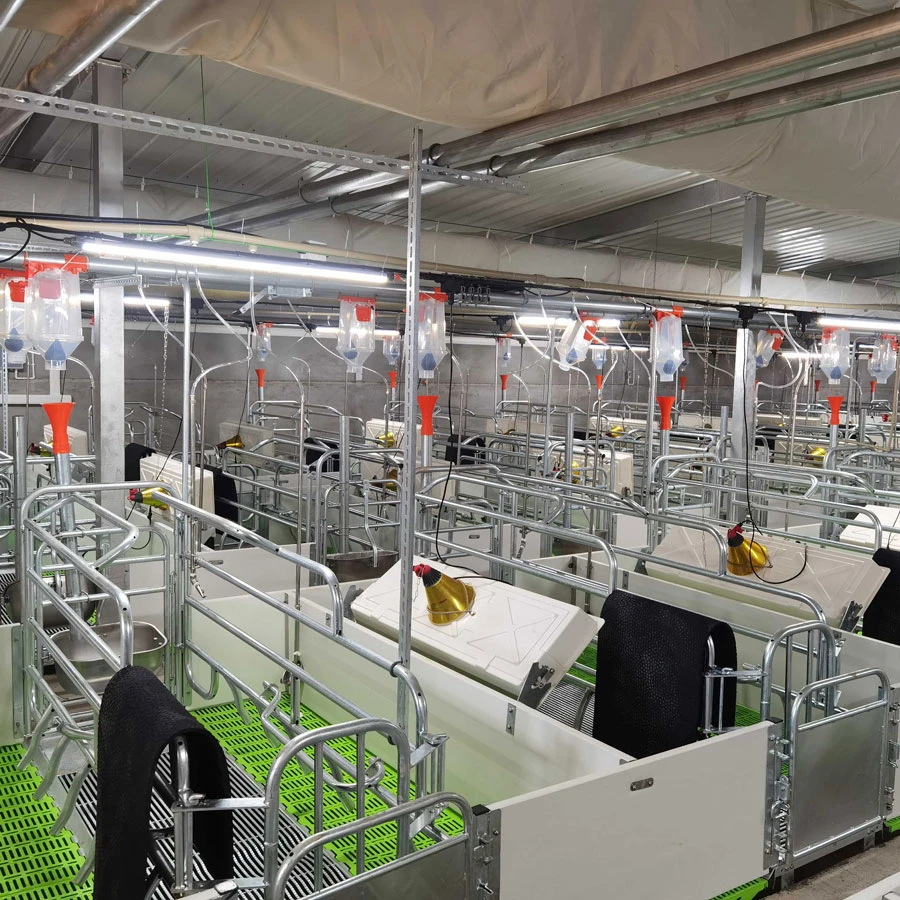
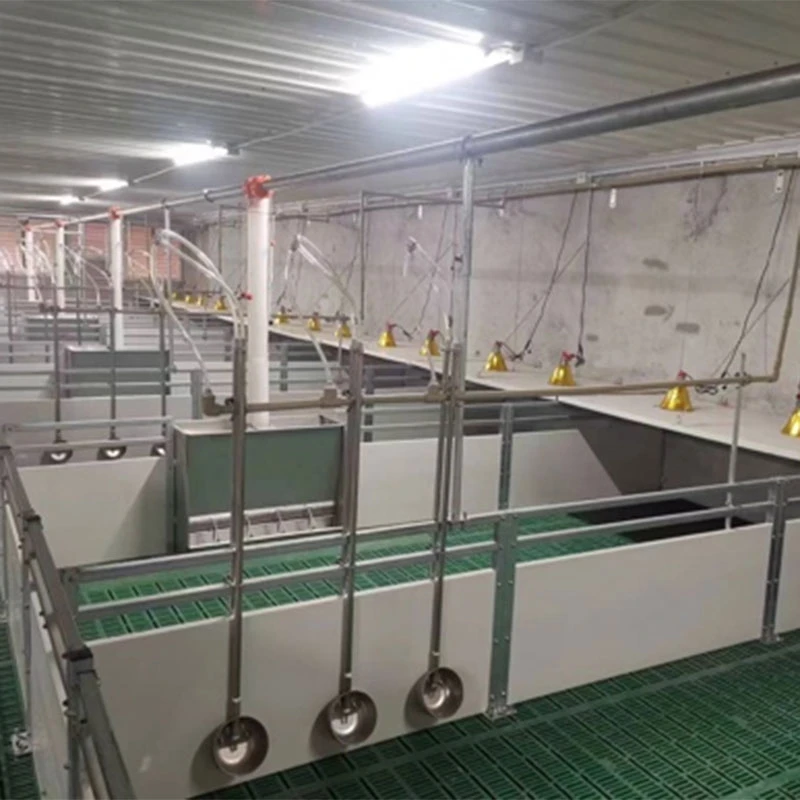
Walkway mesh made of polypropylene and other plastics has quietly revolutionized industrial flooring by providing a lightweight, corrosion-resistant option. It’s a perfect example of how materials science keeps trying to solve real-world problems — oddly enough, with something as simple as plastic.
Key Features and Specifications of Plastic Walkway Mesh
Frankly, what makes this mesh tick isn’t just one thing but rather a blend of design, material choice, and testing. Many engineers I've talked to emphasize how the mesh’s patterning is designed specifically to provide both drainage and grip. That means less slip-and-fall risk even in wet or oily conditions — a major win in food processing plants or outdoor walkways.
| Specification | Details |
|---|---|
| Material | UV Stabilized Polypropylene |
| Thickness | 5 mm (approx.) |
| Mesh Size | 20 mm x 20 mm openings |
| Load Capacity | Up to 800 kg/m² |
| Color Options | Grey, Black, High-Visibility Yellow |
| Fire Resistance | Meets UL 94 HB standards |
| Custom Sizes | Available on request |
In real terms, the UV resistance means this mesh won’t crumble in the sun after a season outdoors, unlike many alternatives. And with the anti-slip pattern, it’s surprisingly comfortable underfoot.
Comparing Popular Plastic Walkway Mesh Vendors
What stands out (and sometimes confuses me) is the sheer number of suppliers offering similar-looking products but with different specs and price points. Picking the right supplier really depends on your project’s specifics. Here’s a quick look at three key players I’ve encountered, their strengths, and a few quirks:
| Vendor | Material Quality | Customization | Price Range | Lead Time |
|---|---|---|---|---|
| CX Livestock | High-grade UV stabilized polypropylene | Wide range, custom sizes available | $$ | 2-4 weeks |
| MeshPro | Standard polypropylene, moderate UV protection | Limited, stock sizes only | $ | 1-2 weeks |
| Foldtech Solutions | Premium materials with fire retardant additives | Highly customizable | $$$ | 4-6 weeks |
For those of you weighing cost against quality, CX Livestock strikes a balance I appreciated on my last project. Quality materials without an exorbitant price tag. Plus, the turnaround time was pretty decent, given the customization.
A Small Story From the Field
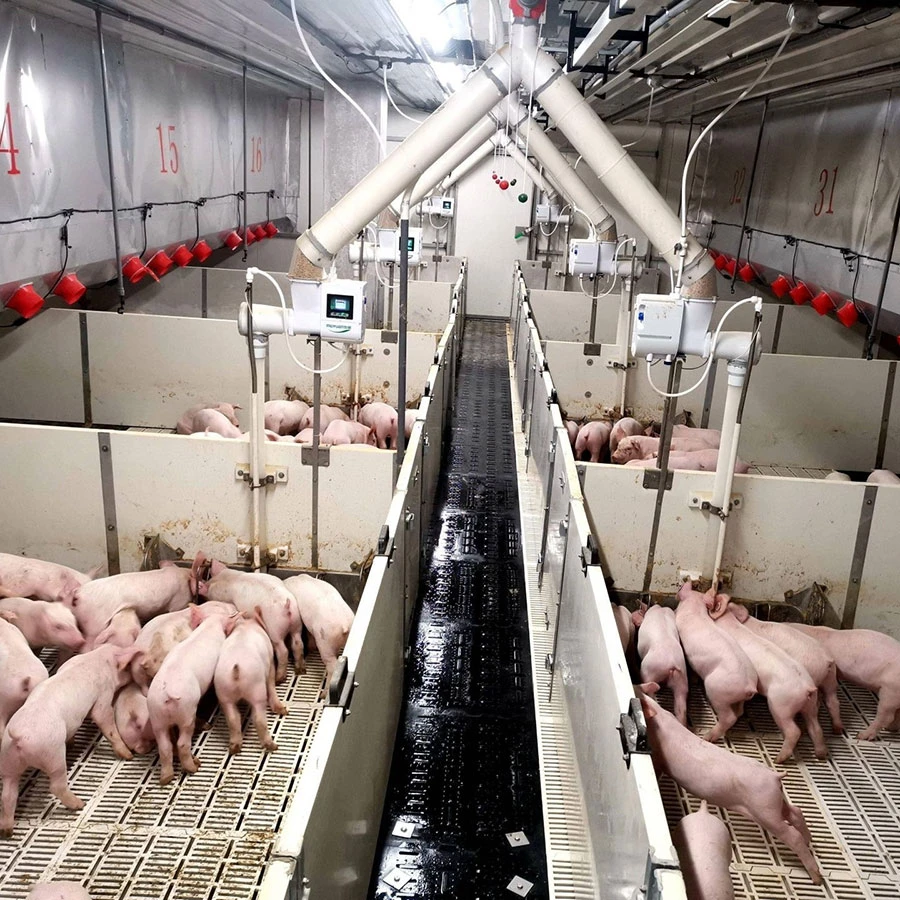
A few months back, I was consulting at a large agricultural processing plant where rust on old steel walkways was becoming a real safety hazard. They switched over to this plastic mesh flooring — custom cut, easy to install — and the feedback from workers was almost immediate: less slips, less noise, and frankly, more comfortable to walk on. Plus, the site owner noticed that maintenance trips cut down drastically. That’s when it hit me, this isn’t just another item on the checklist, it’s actually changing how industrial sites think about flooring.
So, if you’re in the market for a smart, durable industrial flooring option, I’d say it’s worth looking closely at plastic walkway mesh. You don’t have to break the bank but still get something functional and long-lasting.
References and thoughts:
- Discussions with site safety engineers and industrial floor specialists (2023)
- Product datasheets and real-world durability tests on polypropylene mesh (CX Livestock materials)
- Relevant industry trends from the Conveyor & Material Handling sector reports (2022)
Post time: Nov . 13, 2025