What Is a Steel Feeder and Why Does It Matter?
If you’re skimming through industrial solutions or agricultural setups, the term steel feeder might pop up more often than you expect. At first glance, it sounds straightforward: a steel-built device or structure that feeds livestock, raw materials, or even industrial components. But here’s the thing — understanding its design, benefits, and global relevance turns out to be pretty crucial. For industries ranging from farming to manufacturing, where efficiency, durability, and sustainability matter, these feeders can make or break operations.
Globally, ensuring reliable feeding mechanisms is tightly linked to food security, resource management, and even humanitarian supply chains. The UN FAO estimates that livestock contributes over 40% to global agricultural output, so ensuring their proper feeding infrastructure is no small matter. Steel feeders come with the promise of longevity and efficiency — so let’s dive deeper.
The Global Context: Why Steel Feeders Are More Relevant Than Ever
Across continents, the challenge of feeding livestock or transferring bulk materials efficiently is growing alongside population demands and industrial expansion. According to the World Bank’s latest data, global meat consumption is expected to rise by roughly 15% in the next decade. Industrial sectors, too, need precise feeding systems that minimize wastage and downtime. Now, here’s the catch: many rural areas or emerging industrial zones lack access to durable feeding infrastructure that compounds maintenance costs.
Steel feeders — machines or structures made primarily from steel — offer an answer to this. They combine strength with ease of cleaning and customization, which fits well into the ISO standards for sanitation and durability. Plus, with new alloys and coatings emerging, they’re evolving to meet harsh environments better than ever before.
Defining a Steel Feeder: What Exactly Are We Talking About?
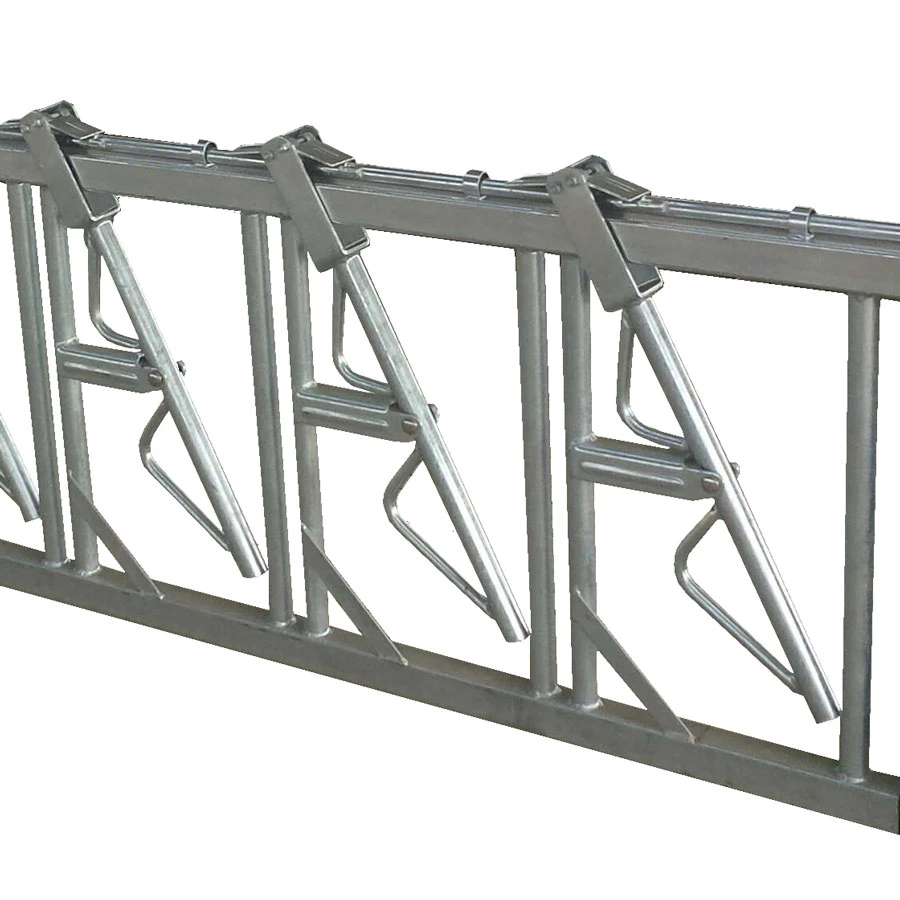
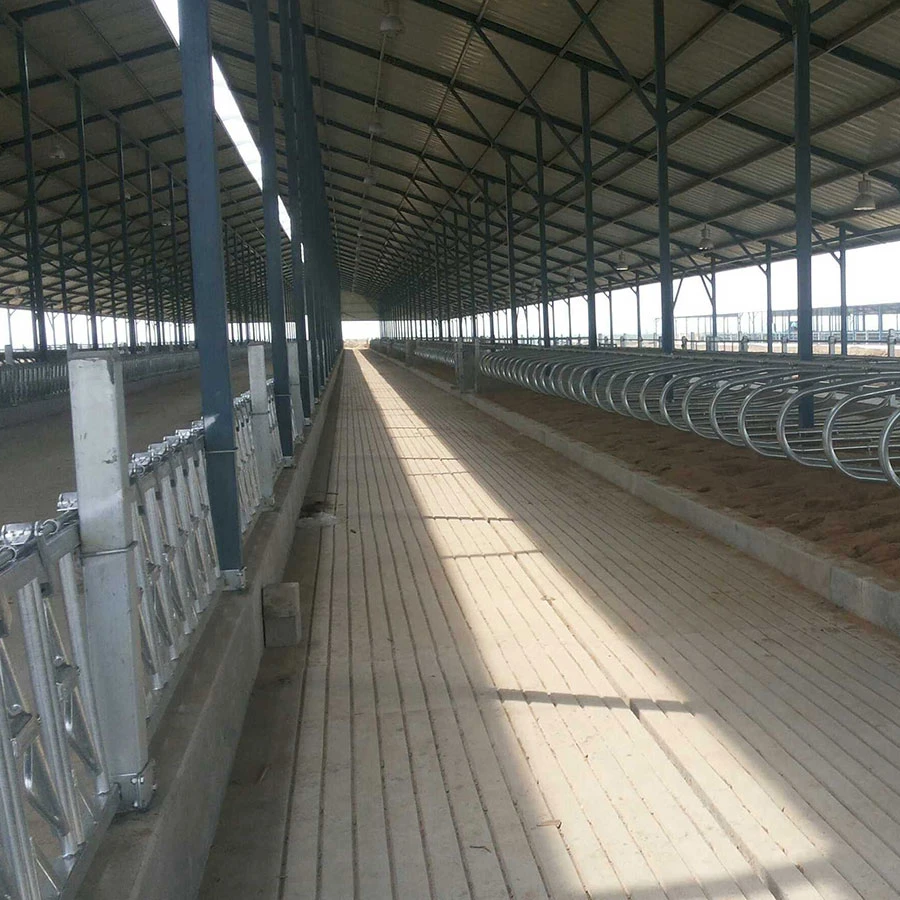
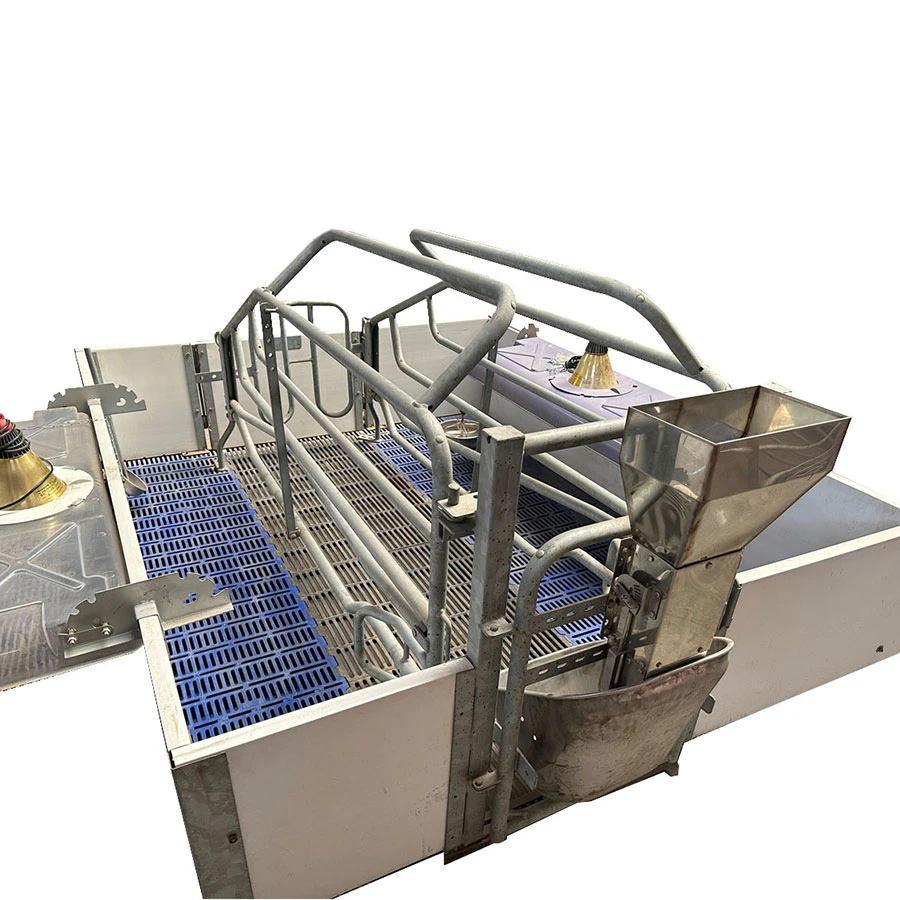
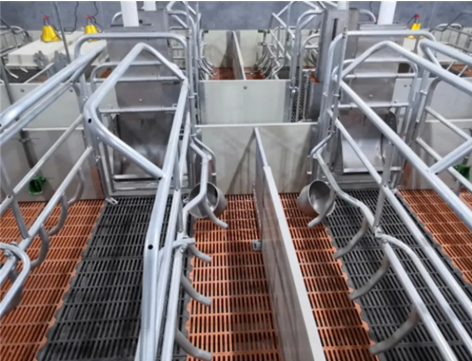
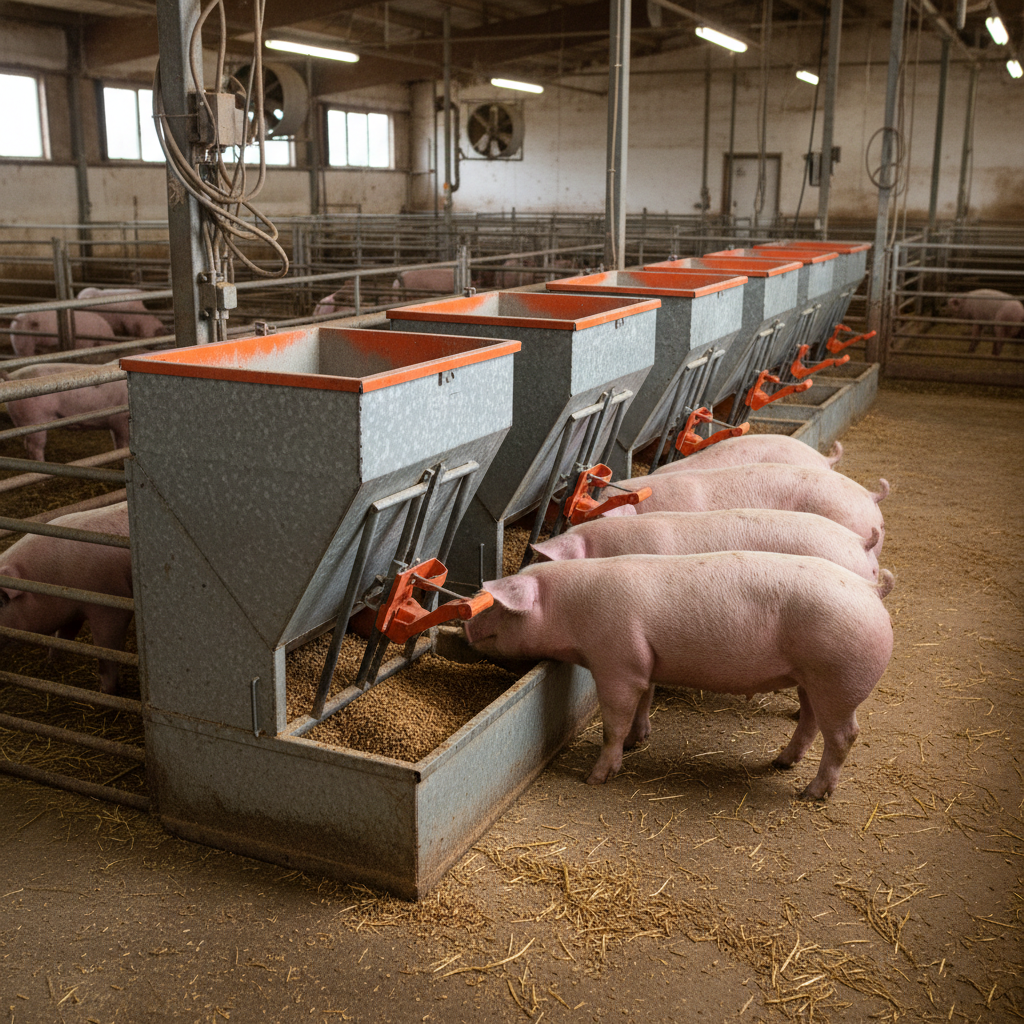
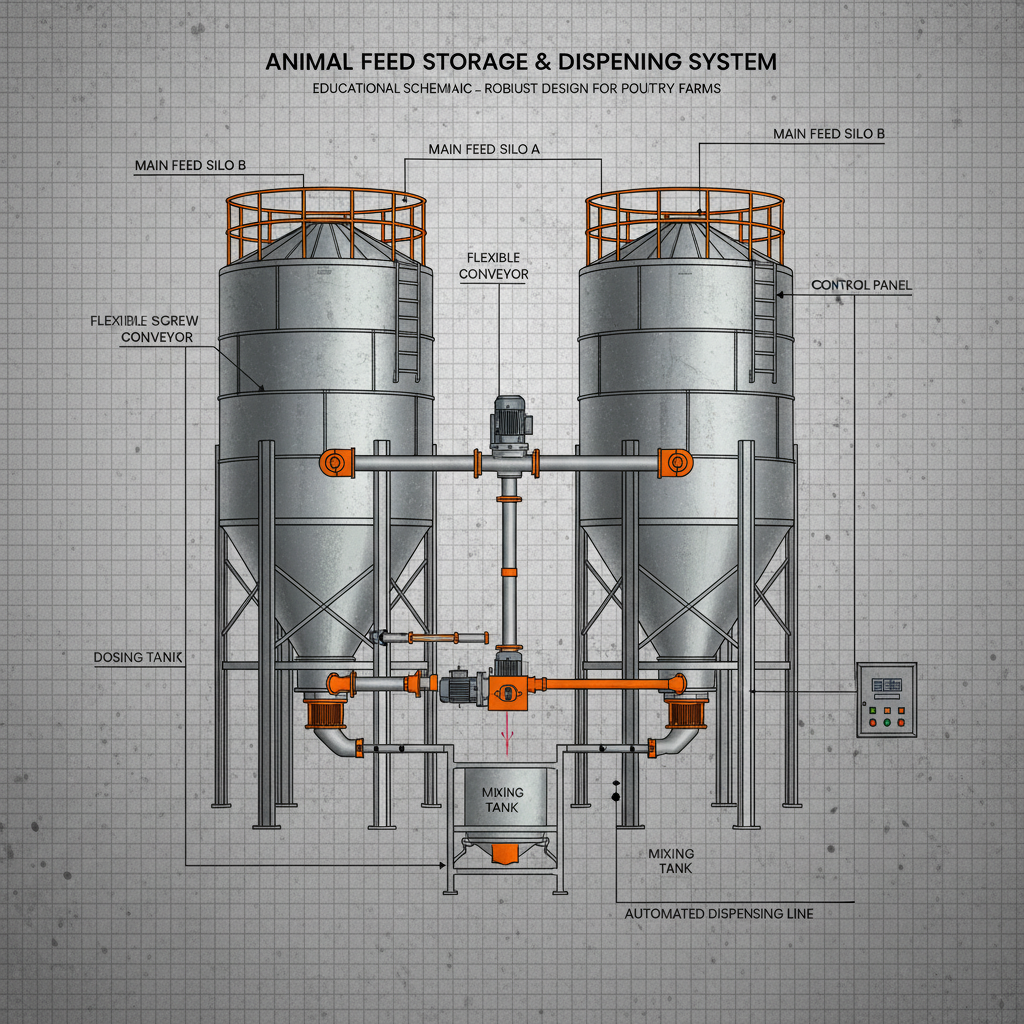
In the simplest terms, a steel feeder is a container, device, or mechanical system designed to deliver feed or materials in controlled quantities. In agriculture, it often refers to livestock feeders made of steel to resist corrosion, reduce pests, and improve hygiene. In industry, steel feeders may be conveyor attachments or hoppers that meter raw ingredients into a system accurately.
What ties all these uses together is the reliability and strength steel brings. Unlike plastic or wood, steel feeders stand up to long-term exposure and mechanical stress, essential for modern industrial or humanitarian needs that emphasize efficiency and safety.
Key Aspects of Steel Feeders That Every User Should Know
Durability and Corrosion Resistance
Steel is famously durable. Many engineers I met during fieldwork praised galvanized or stainless steel feeders for lasting decades with minimal wear. This means fewer replacements and less downtime — a big deal for large-scale farms or factories that can’t afford interruptions.
Customizability and Scalability
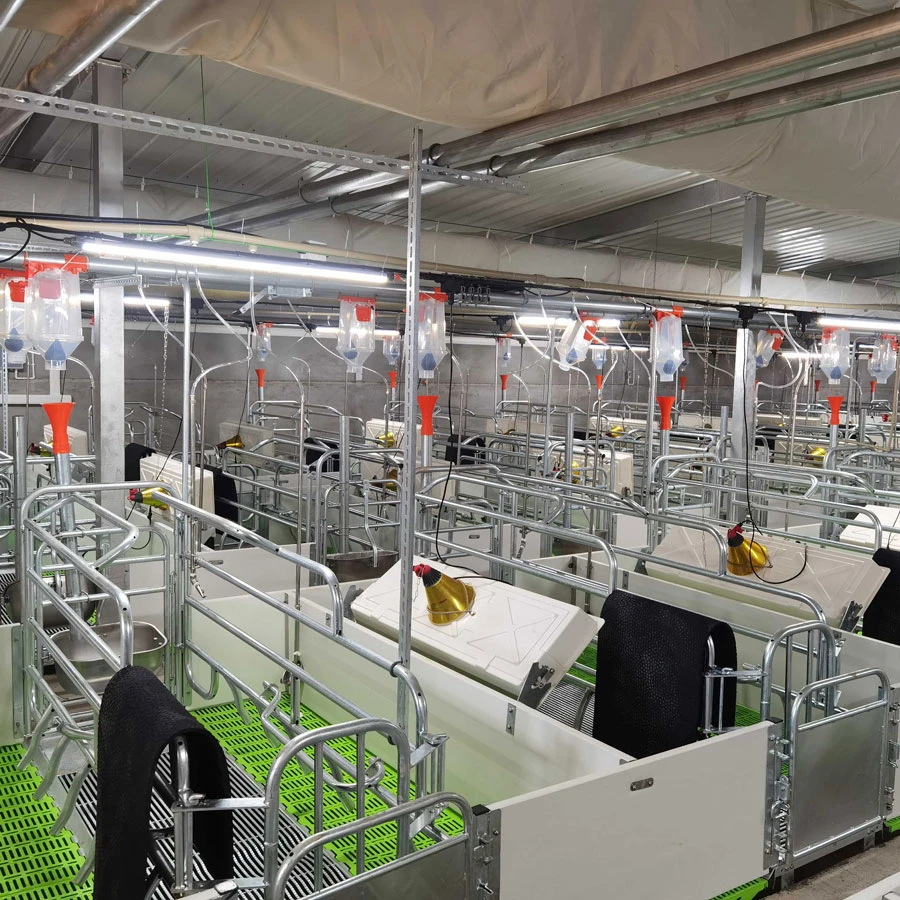
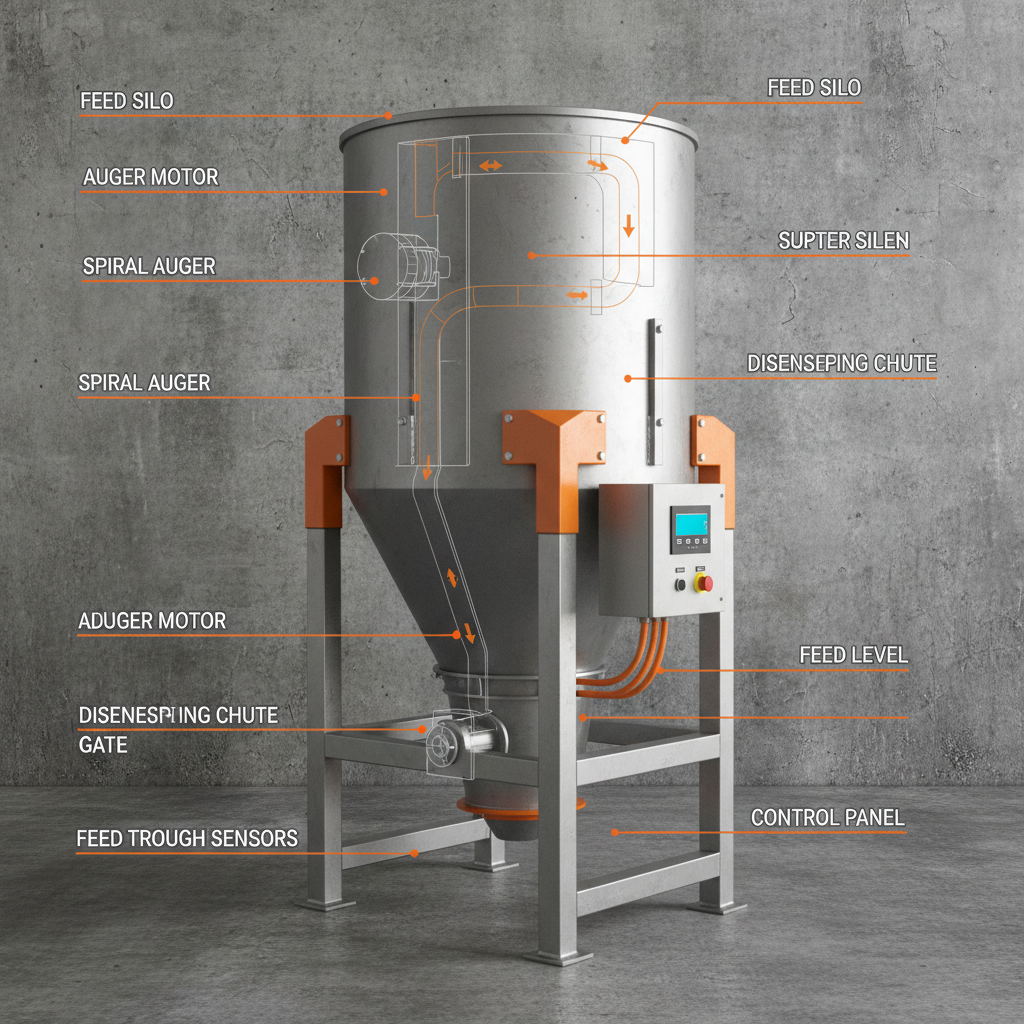
One size doesn’t fit all. That’s why many steel feeders come in modular designs that companies can expand or tailor — from adjustable trough heights to automated dispensing mechanisms. It’s like building blocks you can grow as demand scales up.
Cost Efficiency Over Time
While initial investment in a steel feeder might feel steep compared to plastic or wood alternatives, the long-term savings are often impressive. Less maintenance, reduced contamination, and improved feed conversion ratios translate into better ROI — this is something both farmers and factory managers put at the top of their checklist.
Ease of Cleaning and Sanitation
Hygiene standards are rising globally, especially for food chains. Steel’s smooth surface and resistance to bacterial buildup make feeders easier to sanitize. This is particularly critical in humanitarian contexts or regions battling livestock diseases.
Environmental Sustainability
Steel is recyclable and can be produced with increasingly eco-friendly methods. This appeals to industries and NGOs aiming to reduce their carbon footprint without sacrificing durability or performance.
Steel Feeders in Action: Global Use Cases That Stand Out
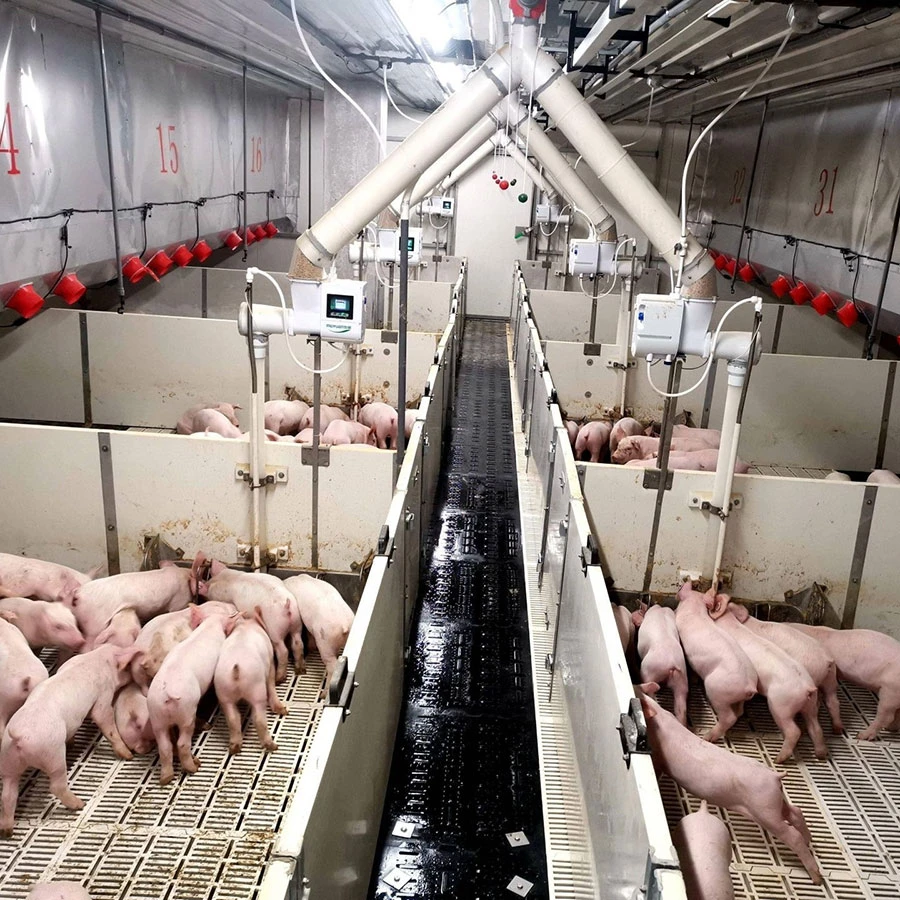
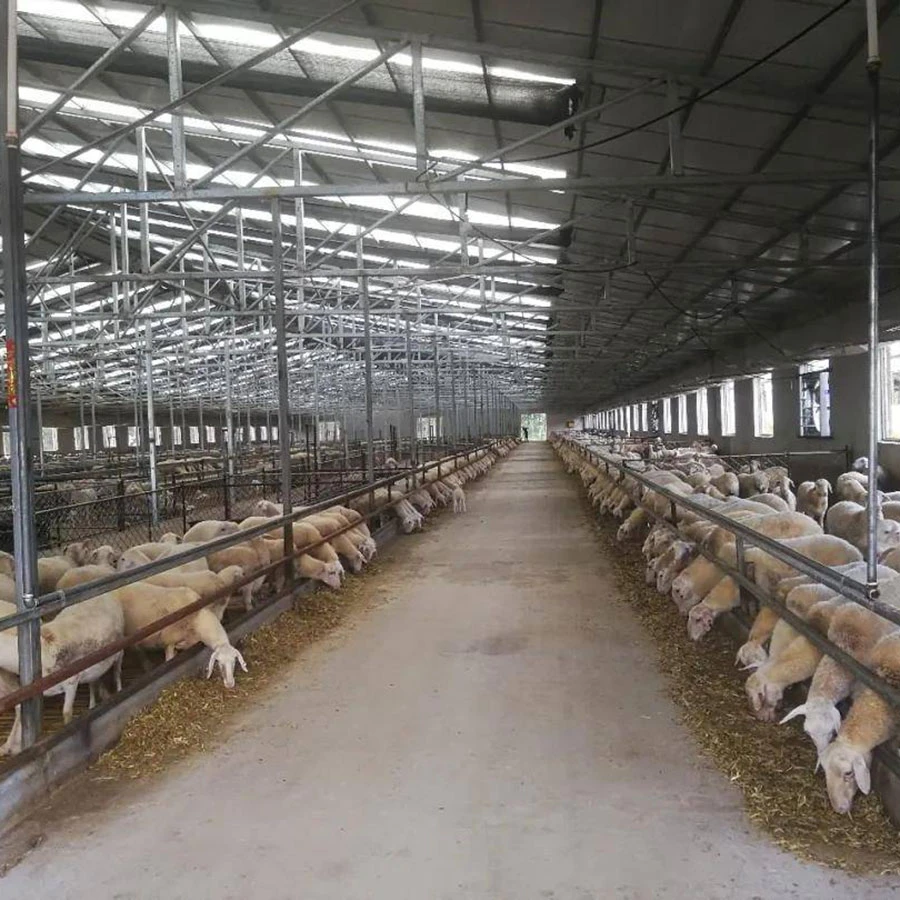
In East Africa, NGOs have distributed rugged steel feeders in drought-prone areas to help pastoralists safeguard their livestock feed, which often gets wasted or spoiled due to faulty containers. Meanwhile, large meat producers in the U.S. and Brazil prize steel feeders for streamlined automation in their barns, fueling efficiency.
In industrial contexts, steel feeders form part of bulk material handling systems in mining operations across Australia or in cement plants in India. They ensure continuous and precise metering, crucial for maintaining production schedules.
Interestingly, in disaster relief — say after floods or earthquakes — temporary steel feeder systems help NGOs quickly and hygienically provide food to displaced communities and their animals, preventing further tragedies related to disease or scarcity.
Advantages and the Long-Term Value of Steel Feeders
- Cost Savings: Robust construction means fewer repairs and replacements.
- Health & Safety: Easy to clean surfaces uphold livestock welfare and food safety.
- Environmental Impact: Longevity and recyclability align with green goals.
- Emotional Security: For farmers and operators, trust in a failure-proof feeder system means peace of mind — not a trivial benefit.
- Innovation Catalyst: Integration with smart sensors or automation technologies is making steel feeders part of “smart farming” and Industry 4.0.
What Does the Future Hold for Steel Feeders?
Tech improvements are bubbling up in coatings that resist biofilms better or are self-cleaning, reducing manual labor. Also, with sensors and IoT devices embedding in feeders, real-time monitoring of feed consumption, contamination, and even livestock health is possible, a game-changer for large farms. Some manufacturers explore hybrid materials combining steel’s strength with lighter composites to improve transportability without trading off durability.
In line with global efforts for lower emissions, many steel feeder producers aim to reduce their production carbon footprint by adopting renewable energy or recycled steel content — movements influenced by ISO 14000 standards.
Challenges Around Steel Feeders and How Experts Propose Overcoming Them
Although steel feeders are tough, they’re not magical. They face issues like heavy weight affecting transport, risks of dents impacting mechanism performance, or corrosion if coatings degrade in harsh weather.
Solutions? Lightweight alloys and modular designs help portability, while precise welding and stricter quality controls minimize potential weaknesses. Routine maintenance protocols, combined with sensor alerts, reduce surprises. Some suppliers also offer lifetime guarantees now — a sign they’ve grown confident in their engineering.
FAQ: Your Most Common Questions About Steel Feeders
- Q: How do steel feeders improve livestock health?
A: Steel feeders are easier to clean and discourage pests compared to wood or plastic, reducing contamination risk and promoting better hygiene, which directly supports animal well-being. - Q: Can steel feeders be customized for different animal types?
A: Absolutely. They come in various sizes and shapes, with adjustable components to fit anything from poultry to cattle, ensuring optimal feeding and reduced waste. - Q: Are steel feeders expensive compared to alternatives?
A: The upfront cost might be higher, but considering longevity, less frequent replacement, and improved feeding efficiency, they generally prove more cost-effective over time. - Q: How do steel feeders fit into sustainable farming practices?
A: Because they’re durable and recyclable, steel feeders reduce waste and resource consumption, fitting neatly with eco-friendly agriculture goals.
Comparing Popular Steel Feeder Models
| Specification | Model A | Model B | Model C |
|---|---|---|---|
| Material | Galvanized Steel | Stainless Steel 304 | Aluminized Steel |
| Capacity (Liters) | 150 | 200 | 130 |
| Weight (kg) | 18 | 22 | 15 |
| Corrosion Resistance | Moderate | High | Moderate |
| Price Range | $120 - $150 | $180 - $220 | $110 - $140 |
Vendor Comparison: Where to Buy Your Steel Feeder?
| Vendor | Warranty | Customization | Shipping Coverage | Customer Support |
|---|---|---|---|---|
| AgriSteel Inc. | 5 Years | High (modular options) | Global (incl. remote areas) | 24/7 Phone & Email |
| FarmTech Supplies | 3 Years | Medium | North America & Europe | Email Support Only |
| Livestock Solutions | 4 Years | Low (standard models) | Selective Asia-Pacific | Phone & Chat Support |
In real terms, choosing the right steel feeder isn’t just about price — it’s about matching durability, design, and post-sale service with your unique needs. I usually recommend starting with detailed consultations and checking product reviews from actual users to avoid surprises.
The Bottom Line: Why Invest in a Steel Feeder Today?
Steel feeders combine longevity, adaptability, and hygiene — three pillars that modern industry and agriculture can't do without. They’re part of a bigger puzzle aiming toward smarter, safer, and more sustainable feeding systems worldwide. If you’re aiming to upgrade your setup, planning a relief operation, or expanding a manufacturing line, a good steel feeder is worth your time.
Ready to explore top-quality options that fit your needs? Visit our site for more info on steel feeder solutions that align with the latest operational standards and innovations.
Post time: Dec . 03, 2025