Understanding Nursery Crates: Why They Matter More Than You Might Think
When you hear nursery crate, what springs to mind? Maybe a simple wooden box in a farmyard? Or a plastic container for seedlings? Oddly enough, these basic-looking structures actually play a surprising role in everything from livestock management to humanitarian aid. Globally, the demand for efficient, sturdy, and transportable nursery crates reflects bigger challenges in agriculture, disaster relief, and supply chain logistics.
In real terms, nursery crates help farmers raise young animals safely before they join the main herd. They're vital for veterinary work, transport, and sometimes even emergency relocations. So, understanding the nuances of nursery crates isn’t just niche industry talk — it’s part of a global conversation about sustainability, food security, and effective resource management.
The Worldwide Stage for Nursery Crates
Globally, livestock farming employs nearly 1.3 billion people (FAO statistics), feeding billions. Yet this scale brings challenges: animal welfare, disease control, and efficient logistics especially in remote or disaster-hit areas.
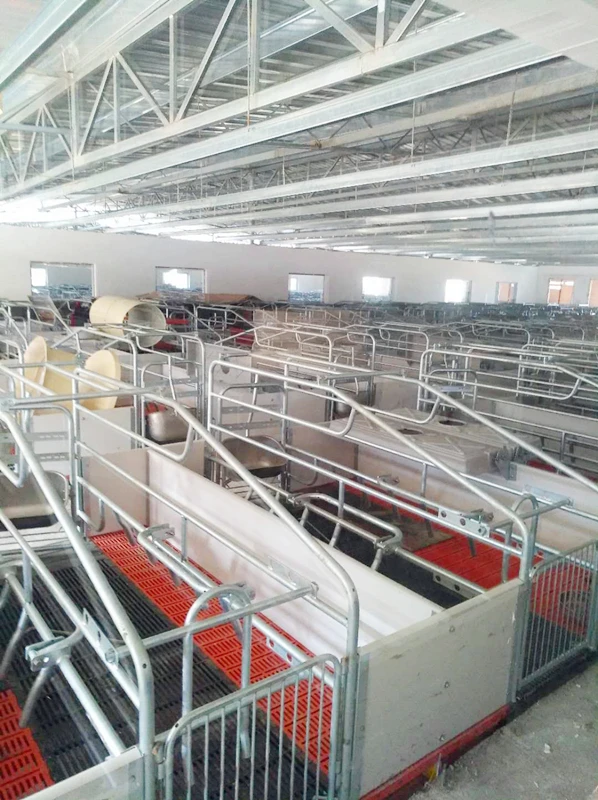
Here’s where nursery crates come in. Their design and deployment help address issues such as minimizing animal stress during transport or ensuring newborn livestock have safe, clean spaces while they grow — impacting food systems worldwide. In post-disaster zones, they’re also adapted to move animals or seedlings rapidly to safe zones, reducing further economic loss.
Still, not all crates are created equal. Materials, design, and flexibility vary hugely, which means knowing what fits your application can save heaps of headaches down the line.
So, What Exactly Is a Nursery Crate?
Simply put, a nursery crate is a container — often plastic or wood-based — designed to house and protect young animals or fragile plants temporarily. Think of it as a mobile nursery where early life stages can safely unfold until the subjects are ready for the outdoors or more permanent housing.
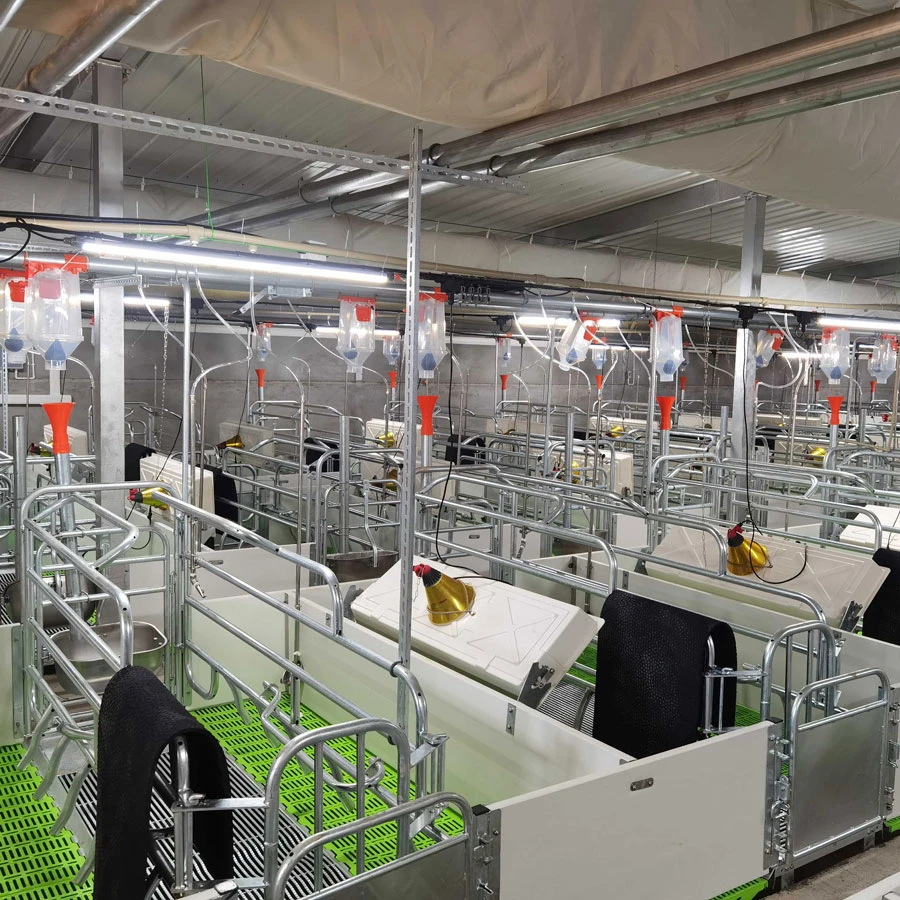
In industrial farming, nursery crates often mean carefully engineered plastic baskets or pens, sized for piglets, calves, or chicks. In horticulture, they can be stackable trays designed to foster seedlings under controlled conditions.
The key is their role as a bridge between birth and growth, making them critical in both cold supply chains and warm, dynamic agricultural settings.
Core Components That Make Nursery Crates Work
Durability
Your average nursery crate can face all sorts of abuses: moisture, rough handling, chemicals, and temperature swings. Engineers often specify high-density polyethylene (HDPE) or treated wood that resists cracking and warping.
Scalability
Whether you need a dozen crates on a family farm or hundreds shipping across borders, designs that stack, nest, or are modular matter. They save space and reduce shipping costs.
Ventilation & Hygiene
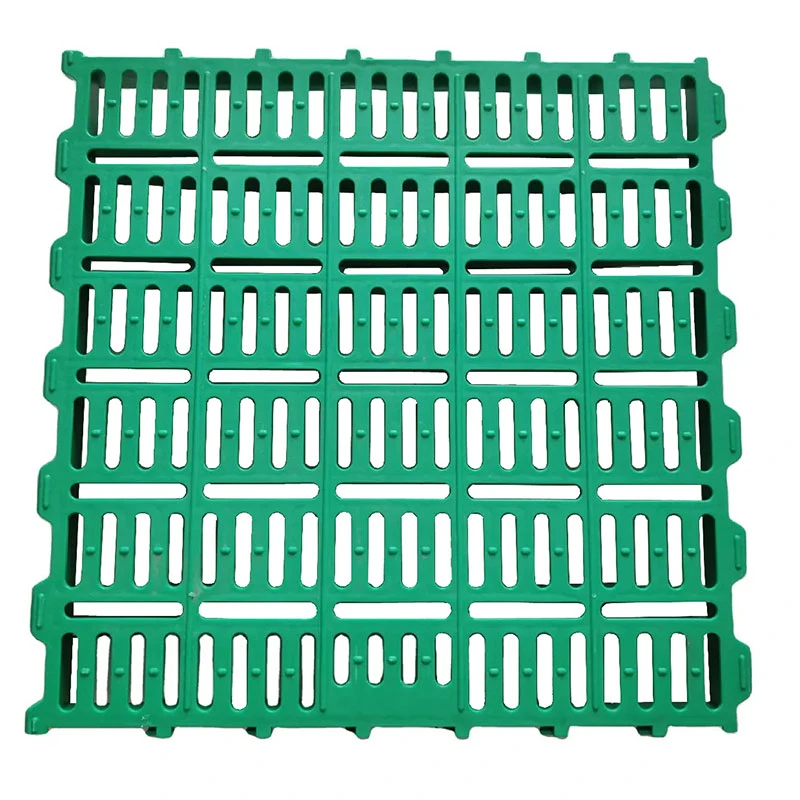
Good nursery crates feature slats or perforations to allow airflow but keep subjects safe. Preventing mold or fungus growth in seedling crates—or respiratory issues in animal crates—is a huge plus here.
Cost Efficiency
It’s tempting to pick the cheapest crate, but long-term costs of replacements, losses, and labor often tell a different story. Durability and ease of cleaning can majorly lower total ownership costs.
Customization
Some users need crates tailor-made: different sizes for animals, branding, or specific transport constraints. Custom crate design can involve reinforced corners, adjustable dividers, or specialized materials.
| Feature | Specification | Notes |
|---|---|---|
| Material | HDPE Plastic / Treated Wood | Depending on usage and budget |
| Dimensions | 600 x 400 x 300 mm (standard) | Custom sizes available |
| Weight Capacity | Up to 25 kg | Varies by design |
| Stackability | Yes, interlocking | Saves transport space |
| Ventilation | Multiple slats/polymesh sections | Ensures airflow and hygiene |
Global Applications: From Farms to Emergency Response
Curiously, the use cases for nursery crates have expanded far beyond traditional farms.
- Agribusiness: Livestock producers in North America and Europe use nursery crates to separate newborn animals, protecting them from harm and disease. This practice has led to notable improvements in survival rates.
- Horticulture: In Southeast Asia and Africa, nursery crates aid farmers in seedling propagation — meaning crops get a better start and less waste.
- Disaster Relief: NGOs across the globe deploy portable crates to transport animals from flood zones or wildfire areas. An example is the 2019 Australian bushfires, where quick evacuation of livestock was facilitated by modular crates.
- Supply Chain & Export: Exporters use robust crates to comply with international shipping standards, ensuring both product integrity and regulatory compliance.
Weighing the Benefits: Why Invest in Quality Nursery Crates?
Let’s be honest: it’s easy to underestimate how critical these crates are. Yet the advantages ripple through the entire ecosystem.
- Cost Savings: Reusable, durable crates reduce losses from animal injury or seedling spoilage.
- Sustainability: Materials can be recycled or designed for long life, supporting green initiatives.
- Social Impact: Better animal welfare or crop success translates to community resilience and food security.
- Reliability & Trust: Farmers and supply chains rely on crates that won’t fail during critical moments.
Plus, there’s that emotional layer — knowing that the little calf or vulnerable seed is safer thanks to thoughtful design feels… well, important.
Innovating the Nursery Crate: What’s Next?
The future is sort of exciting here. Forward-thinking manufacturers experiment with:
- Sustainable Materials: Biodegradable plastics and composites to reduce landfill waste.
- Smart Tech: Embedded sensors to monitor temperature, humidity, or animal movement remotely.
- Automation-Friendly Designs: Crates compatible with robotic handling to cut labor and contamination risk.
These trends match the larger push for digital agriculture and circular economies, turning nursery crates from humble carriers into data-rich assets.
Facing Obstacles: Challenges and Clever Fixes
No product is perfect, right? Some common issues include:
- Cleaning Difficulties: Complex crates can trap dirt and pathogens.
- Cost Barriers: Smallholders might find high-quality crates pricey.
- Customization Limits: Extreme environments may demand non-standard sizes or materials.
Experts suggest modular approaches, leasing schemes, and local manufacturing partnerships to mitigate these challenges — smart ways to ensure crates remain accessible and fit for purpose.
Nursery Crate: How to Pick the Right One? Vendor Comparison Table
| Vendor | Material Quality | Customization Options | Pricing | Global Shipping |
|---|---|---|---|---|
| AgriNest Co. | High-density polyethylene | Wide (sizes & colors) | Mid-range | Yes |
| Livestock Logistic Ltd. | Treated wood and composites | Moderate | Budget-friendly | Region specific |
| SeedGrow Solutions | Biodegradable composites | Custom eco-designs | Premium | Worldwide |
Nursery Crate FAQs
Q1: How durable are typical nursery crates in harsh weather?
A1: Most quality nursery crates made from HDPE or treated wood resist moisture, UV rays, and impact well. They can last multiple seasons outdoors without cracking or warping if properly maintained.
Q2: Can nursery crates be customized for different animal sizes?
A2: Absolutely. Many vendors offer adjustable dividers or multiple sizes tailored to piglets, calves, or chicks. Custom options ensure maximum comfort and safety.
Q3: Are nursery crates eco-friendly?
A3: Increasingly so. Brands are incorporating biodegradable materials and recycled plastics. Sustainable design helps reduce waste while maintaining functionality.
Q4: How feasible is it to import nursery crates internationally?
A4: Quite feasible, especially with global shipping options offered by major vendors. However, consider customs regulations, import duties, and packaging standards before purchasing.
Q5: What maintenance do nursery crates need?
A5: Regular cleaning with mild disinfectants and inspection for cracks or damage is key. Avoid harsh chemicals that degrade materials, and store crates in sheltered areas when not in use.
Wrapping Up: Why Nursery Crates Deserve Your Attention
In the grand scheme, nursery crates might seem humble — but they’re quietly pivotal in supporting global agriculture and disaster resilience. Their combination of durability, adaptability, and care fosters safer livestock rearing and plant propagation. The innovations brewing in this space suggest that nursery crates will grow even smarter, greener, and more integral in years to come.
Interested in discovering the right nursery crate solution for your needs? Visit our website at https://www.cxlivestock.com — where expertise meets quality, tailored just for you.
References:
Post time: Dec . 02, 2025