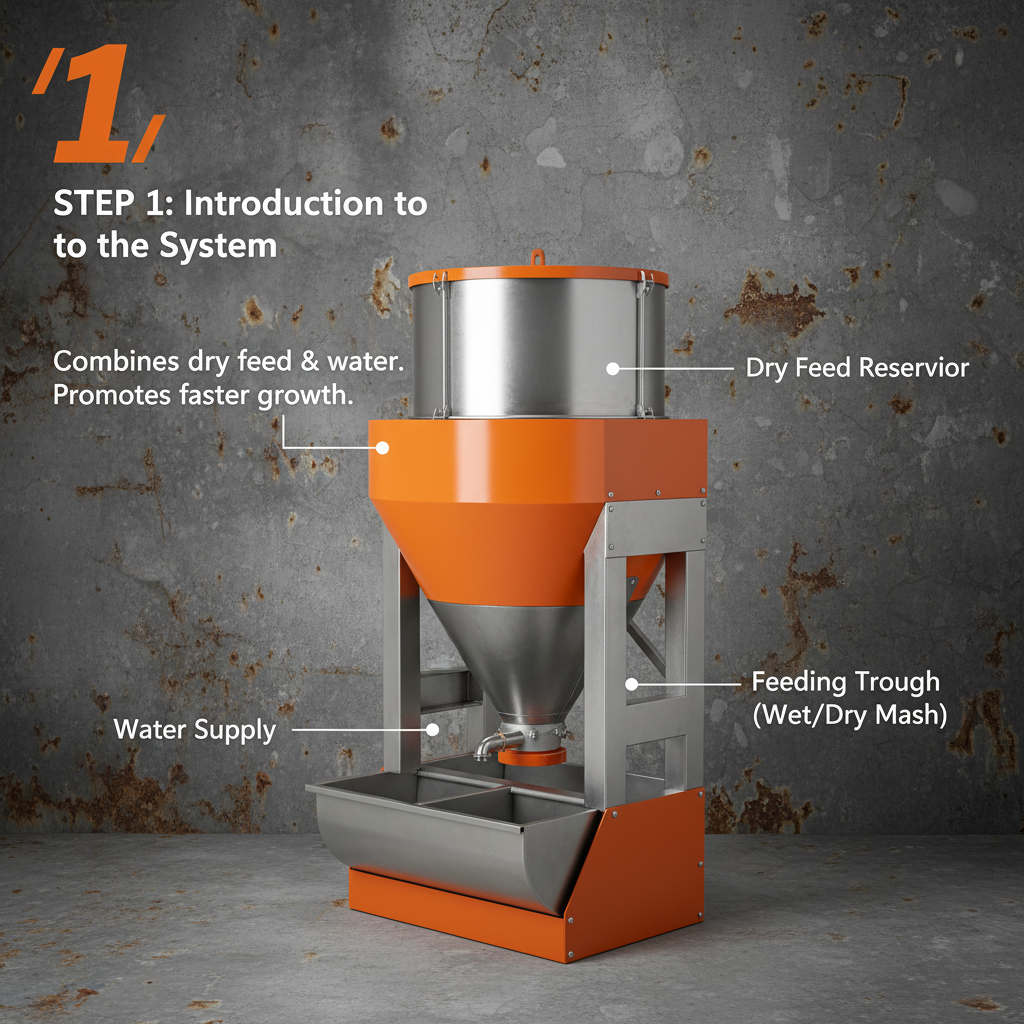
Understanding Bulk Livestock Feed Storage: Why It Matters Globally
If you’ve ever paused to consider how billions of farm animals worldwide get their daily nourishment, you might have stumbled upon the often overlooked but utterly vital topic of bulk livestock feed storage. It may sound mundane, but put simply: without effective and efficient feed storage, the entire global livestock industry — from small farmers in Africa to industrial meat producers in North America — would face food shortages, spoilage, and increased costs. In fact, food wastage during storage accounts for significant losses that ripple through food security and economic stability sectors. Globally, as the population swells beyond 8 billion and demands for protein soar, understanding the challenges and solutions of bulk livestock feed storage becomes imperative. It represents the backbone of animal nutrition logistics and ultimately, of sustainable agriculture and rural livelihoods.Mini takeaway: Bulk livestock feed storage is more than just silos and sacks — it’s a critical link in feeding billions, minimizing waste, and supporting global food security.
The Global Context: Tackling the Challenges of Livestock Feed Storage
Livestock farming is a powerhouse industry worldwide, contributing roughly 40% of global agricultural GDP according to the Food and Agriculture Organization of the UN (FAO). Yet, a shocking amount of feed gets lost annually—estimates suggest up to 15–20% losses from poor storage alone. This might not only inflate costs for farmers but also jeopardize animal health. Developing regions face the toughest hurdles: humidity, pests, and lack of infrastructure mean feed often spoils before it can be used. In drought-prone or conflict-affected zones, the stakes are even higher, as feed scarcity can threaten entire herds and local economies. That’s where modern bulk livestock feed storage solutions step in — designed to retain feed quality over time, protect investments, and sustain productivity.Mini takeaway: Globally, bulk livestock feed storage addresses critical gaps in food security by reducing spoilage and improving animal nutrition sustainability.
What Exactly is Bulk Livestock Feed Storage?
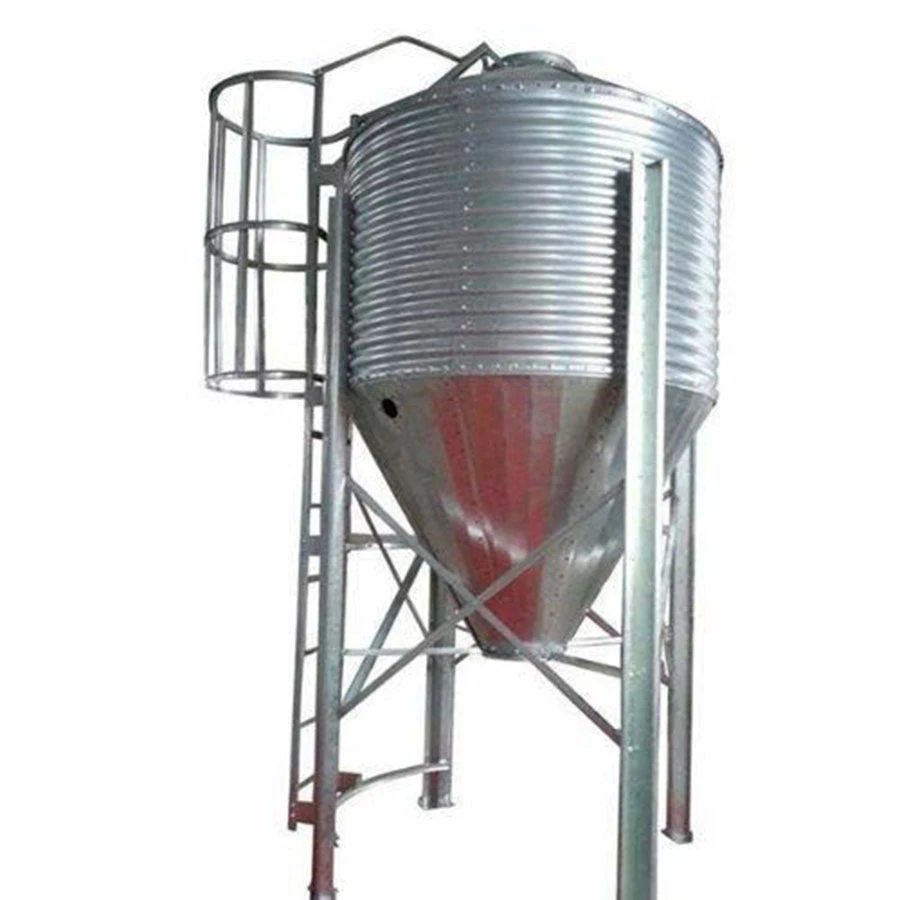
Simply put, bulk livestock feed storage refers to systems and facilities designed to store large amounts of feed—grains, silage, pellets, hay, and more—in ways that preserve nutritional value over extended periods. These storage methods range from traditional grain silos and concrete bunkers to advanced hermetic bags and automated feeder silos. The connection to modern industry is quite direct: as farms scale and supply chains lengthen, the demand for stable storage solutions increases. On the humanitarian side, post-disaster agricultural recovery programs rely heavily on effective feed storage to quickly restore livestock health and market function.Mini takeaway: Bulk livestock feed storage is the art and science of keeping feed fresh, safe, and accessible in large quantities, supporting both industrial and humanitarian farming needs.
Key Aspects of Bulk Livestock Feed Storage
Durability and Protection
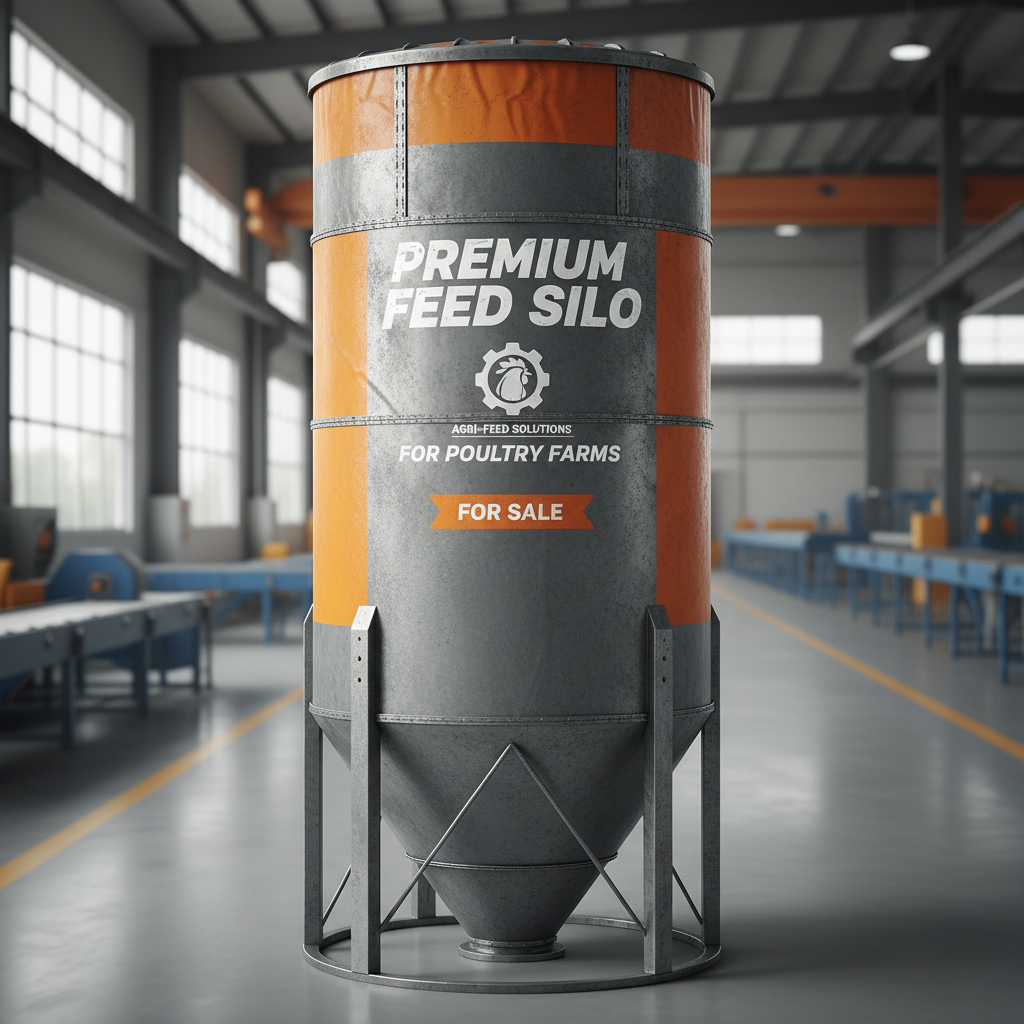
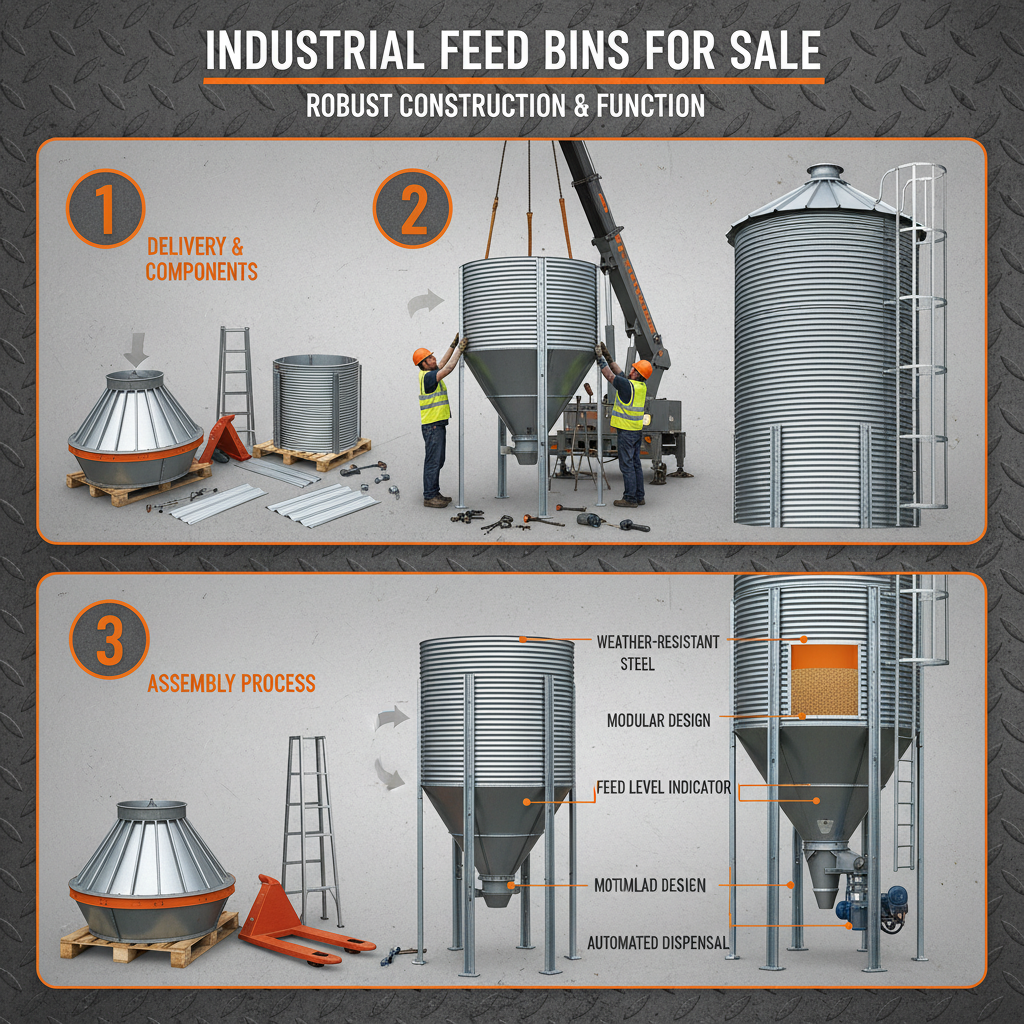
Storage systems must withstand weather, pests, molds, and mechanical damage. Whether it’s a steel silo shielded from rust or a plastic-lined bunker resisting moisture, durability is king. Engineers often emphasize that the longer feed stays good, the better the return on investment.Scalability
Farms vary wildly in size—from backyard goat herders to sprawling industrial complexes. Scalable solutions allow farmers to invest in small storages that grow with their operation or consolidate large volumes efficiently.Cost Efficiency
Storage can’t break the bank. Materials, installation, upkeep, and losses all factor into cost calculations. Many opt for modular storage bins or multi-use facilities to maximize utility.Ease of Access and Handling
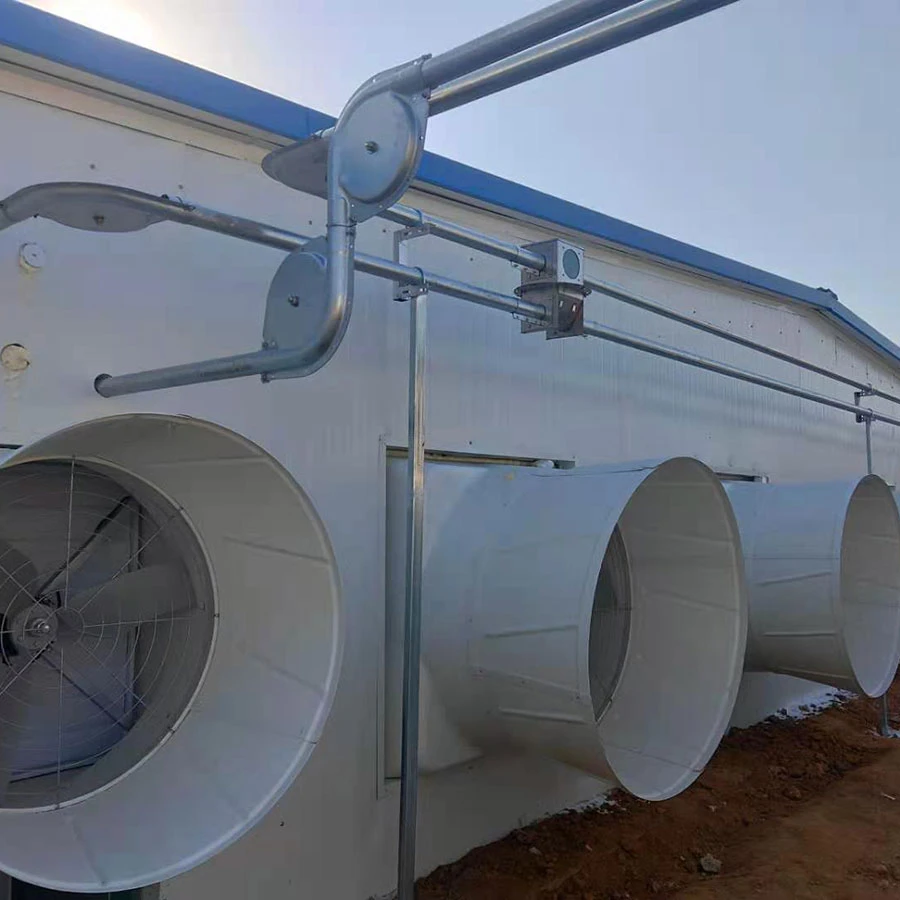
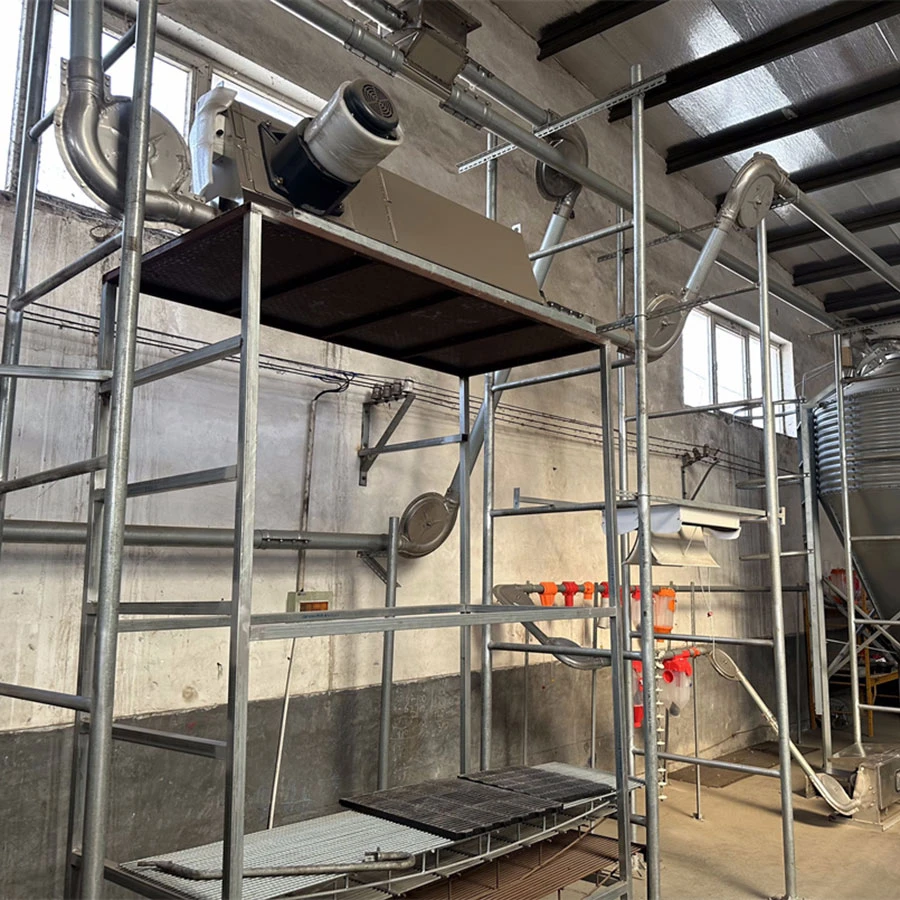
Quick, safe feed retrieval helps keep feeding schedules punctual. Innovations like automated discharge systems or adjustable aeration fans make life easier on the ground.Environmental Control
Temperature, humidity, and airflow dramatically affect feed longevity. Smart storage incorporates ventilation, insulation, and sometimes even sensors to monitor conditions real-time.Mini takeaway: Bulk livestock feed storage success hinges on durable, scalable, and cost-effective solutions that cleverly manage environmental factors and daily handling.
Worldwide Applications: From Farms to Emergency Relief
You’ll find bulk livestock feed storage solutions everywhere from sprawling cattle ranches in Australia to smallholder dairy farms in East Africa. For example, in Mongolia’s harsh winters, sealed feed silos prevent spoilage during months of frozen ground, enabling herders to keep their cattle alive despite extreme conditions. Humanitarian agencies like the World Food Programme depend on large-capacity feed storage during post-disaster recovery—say, after Cyclone Idai in Mozambique—ensuring displaced farmers have access to quality feed to rebuild herds. In industrial meat production regions like the U.S. Midwest, advanced automated silos coupled with real-time monitoring systems optimize feed delivery and reduce labor costs substantially.Mini takeaway: Whether in harsh climates, emergency zones, or high-tech farms, bulk livestock feed storage is fundamental to maintaining animal health and food security.
Perks and Long-Term Value of Effective Feed Storage
Beyond reducing feed wastage, good storage pays dividends through sustained animal productivity and reduced disease risk. Economically, it shrinks the need for frequent feed purchases, buffering farmers during supply disruptions. Socially, consistent feed access supports rural livelihoods and food affordability—a pillar of community wellbeing. There's also a sustainability angle: minimizing feed losses means less resource wastage (water, land, energy) and lower greenhouse gas emissions associated with producing replacement feed. On a human note, farmers often express a deep trust in reliable storage systems—they bring peace of mind, a sense of control over unpredictable factors. After all, when your herd depends on it, nothing beats knowing the feed is safe.Mini takeaway: Smart bulk feed storage is an investment in sustainability, economic resilience, and emotional confidence for livestock communities.
The Future: Trends and Innovations to Watch
Looking ahead, the industry is buzzing with green energy integrations—solar-powered ventilation systems, for instance—to cut carbon footprints. Digitalization is big: IoT-enabled sensors inside silos monitor temperature, humidity, and pest activity, sending alerts before spoilage happens. Materials science is pushing boundaries too—novel biodegradable liners and pest-resistant composites reduce environmental impact and improve hygiene. Automation promises more precision in feed dispensing and inventory tracking, making life easier for farm managers. A few policy shifts toward sustainable agriculture are also driving innovation funding and encouraging adoption of improved bulk storage methods worldwide.Mini takeaway: Digital tools, eco-materials, and automation are reshaping bulk feed storage—from simple silos to smart systems for a sustainable future.
Overcoming Common Challenges in Feed Storage
Of course, no system is perfect. Moisture intrusion, pest infestations, and temperature fluctuations remain persistent threats. In remote areas, lack of skills and capital can stall installation of advanced systems. However, many experts recommend adopting modular storage that can be upgraded gradually, combining traditional knowledge with modern tech—for example, using natural repellents alongside hermetic bags. Training programs and partnerships with vendors also help farmers maximize feed shelf life. Occasionally, innovative solutions like community-shared storage and mobile silo units address logistical hurdles especially in regions with nomadic lifestyles or inconsistent electricity.Mini takeaway: Challenges in bulk feed storage are real but surmountable with a blend of technology, training, and creative approaches.
Frequently Asked Questions About Bulk Livestock Feed Storage
What is the ideal duration for storing bulk livestock feed without quality loss?Generally, well-stored feed can last anywhere from 3 to 12 months, depending on the type of feed and storage conditions. Key factors like moisture control and temperature stability heavily impact longevity.
How can I protect feed from pests and rodents effectively?
Sealed silos and hermetic bags are proven methods. Regular inspection, maintaining hygiene around storage areas, and using natural or chemical deterrents when necessary also help reduce infestations.
Are automated feed storage systems worth the investment?
For larger operations, automation can save significant labor and reduce errors, leading to long-term cost savings and improved feed utilization. For smaller farms, simpler systems might be more practical.
Can bulk feed storage be portable?
Yes! Modular silo tanks and stacked bags offer some portability. Specialized mobile units are also used in certain relief or nomadic farming contexts.
How does climate affect bulk feed storage choices?
Humidity and temperature extremes dictate material and ventilation needs. In humid tropical areas, moisture barriers and aeration are crucial; arid regions prioritize dust control and UV resistance.
Conclusion: Why Bulk Livestock Feed Storage Should Be On Your Radar
Whether you run a small farm or manage large-scale livestock production, investing in reliable bulk livestock feed storage isn’t just about safeguarding resources—it’s about resilience, sustainability, and future-proofing your entire operation. As global demand for animal protein climbs, the value of quality feed storage only grows. Curious to explore solutions tailored to your needs? Visit our website for comprehensive insights and products that can transform the way you manage feed storage today.Bulk Livestock Feed Storage: Product Specification Table
| Feature | Standard Silo | Hermetic Bags | Automated Storage Bin |
|---|---|---|---|
| Capacity | 10–50 tons | Up to 2 tons/bag | 100+ tons |
| Material | Galvanized Steel | Multi-layer Polyethylene | Stainless Steel + Electronics |
| Pest Protection | High | Moderate | Very High (Integrated) |
| Cost | $$ | $ | $$$ |
| Maintenance | Monthly | Minimal | Regular Tech Checks |
Vendor Comparison: Bulk Livestock Feed Storage Providers
| Vendor | Product Range | Customization | Global Reach | After-Sales Support |
|---|---|---|---|---|
| AgriStore Inc. | Silos, Feed Bins, Automated Systems | High (design & capacity) | North America, Europe | 24/7 Online, Regional Tech Teams |
| FeedSafe Solutions | Hermetic Bags, Modular Silos | Medium (bag sizes, silo kits) | Africa, Asia, South America | On-site Training, Hotline Support |
| FarmSmart Tech | Integrated Smart Storage Systems | High (IoT & automation) | Global | Dedicated Account Managers, Remote Diagnostics |
References
Post time: Dec . 02, 2025