What Is Cow Stall Design and Why Does It Matter?
At first glance, a cow stall might seem like just a simple space for a cow to rest. But honestly, cow stall design is a much bigger story — one that touches on animal welfare, farm efficiency, sustainability, and even global food security. In a world where the demand for dairy and beef products is rising steadily, getting these designs right not only protects the animals but also boosts productivity and reduces environmental footprint.
Globally, millions of dairy farms depend on efficient and humane cow housing solutions. The way cows are housed can literally make or break herd health, affecting everything from milk yield to disease incidence. And with global organizations like the FAO and World Bank highlighting sustainable agriculture, cow stall design isn’t just an agricultural footnote — it’s a cornerstone of modern livestock management.
Mini takeaway: Cow stall design links animal care with farm economics and sustainability, proving it’s worth paying attention to, whether you’re a smallholder or a big agribusiness.
The Global Context: Why Cow Stall Design is a Universal Concern
To appreciate the global scale, consider this: The UN estimates the global dairy sector accounts for about 4% of human-made greenhouse gas emissions. One way to reduce this is by improving housing systems to keep cows healthier and more comfortable, which in turn improves feed efficiency and lowers emissions per liter of milk produced.
Dairy farming isn’t confined to the typical “rich country” image. Sub-Saharan Africa, Southeast Asia, and parts of Latin America are witnessing growing livestock industries. These regions often struggle with poor infrastructure and limited resources, so efficient, cost-effective cow stall design is a practical solution.
Also, think about disaster recovery zones or emerging markets trying to scale livestock production rapidly — a badly designed stall equals stressed animals, reduced output, and often, wasted investments. That’s why every system needs a humane, scalable, and weather-appropriate configuration.
Mini takeaway: Cow stall design intersects with global goals: climate action, economic growth, and food security.
Defining Cow Stall Design: More Than Just a Space
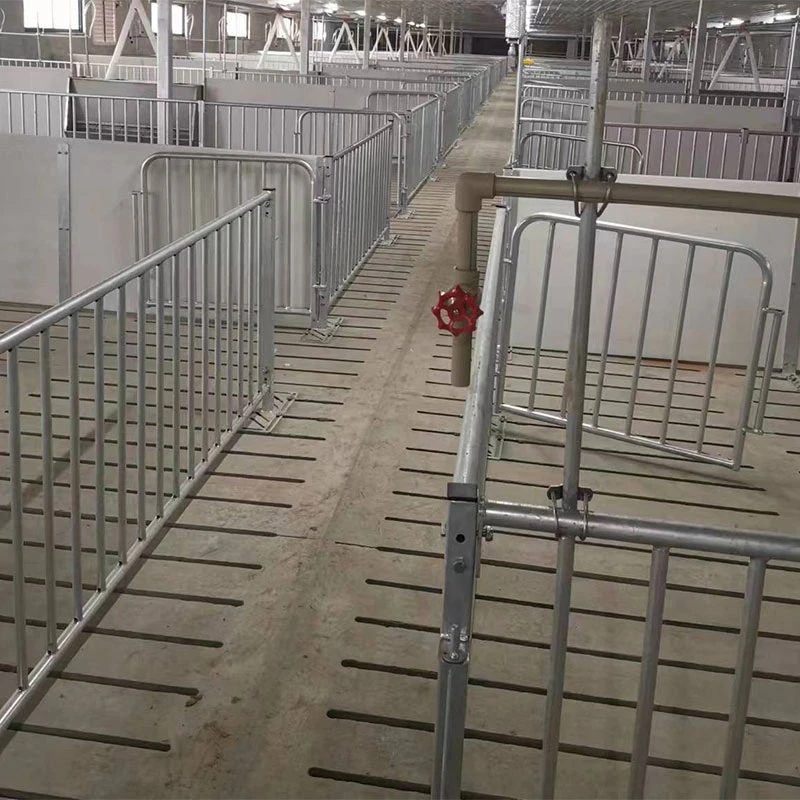
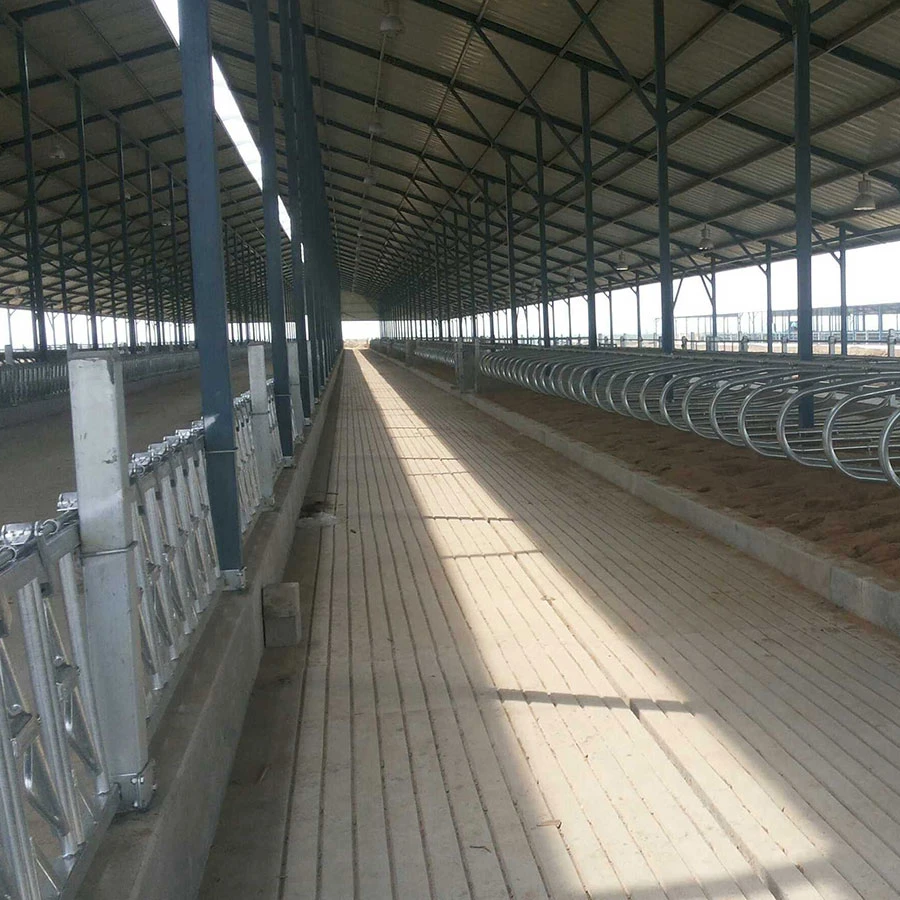
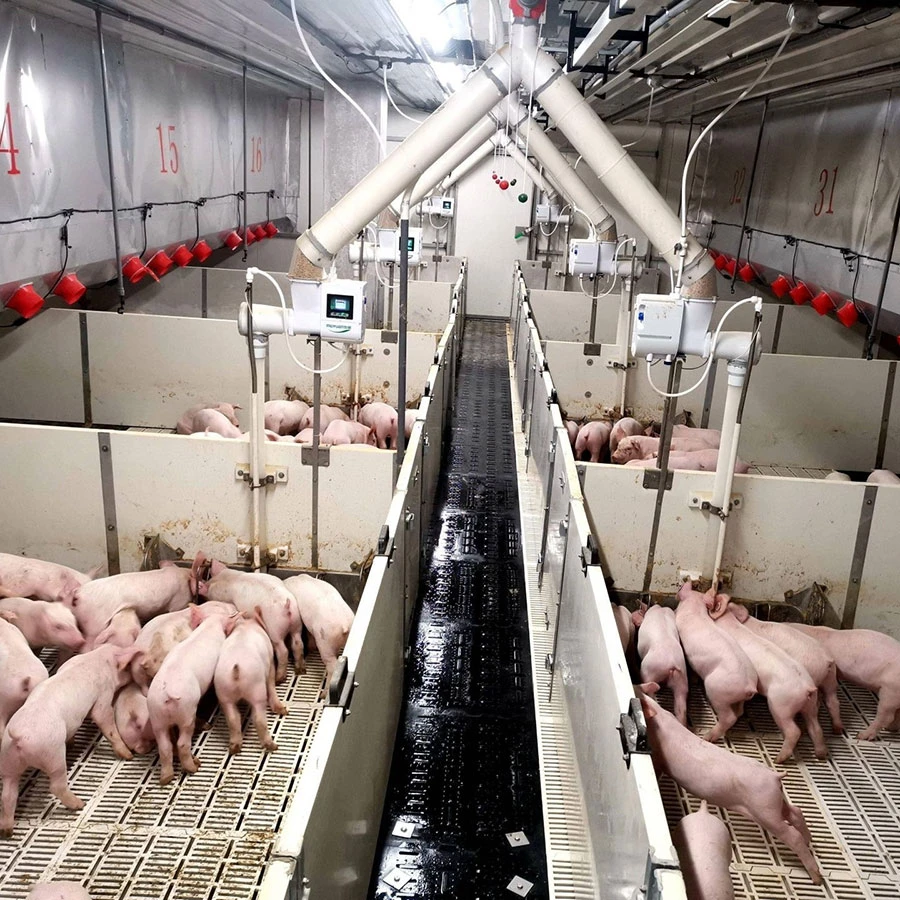
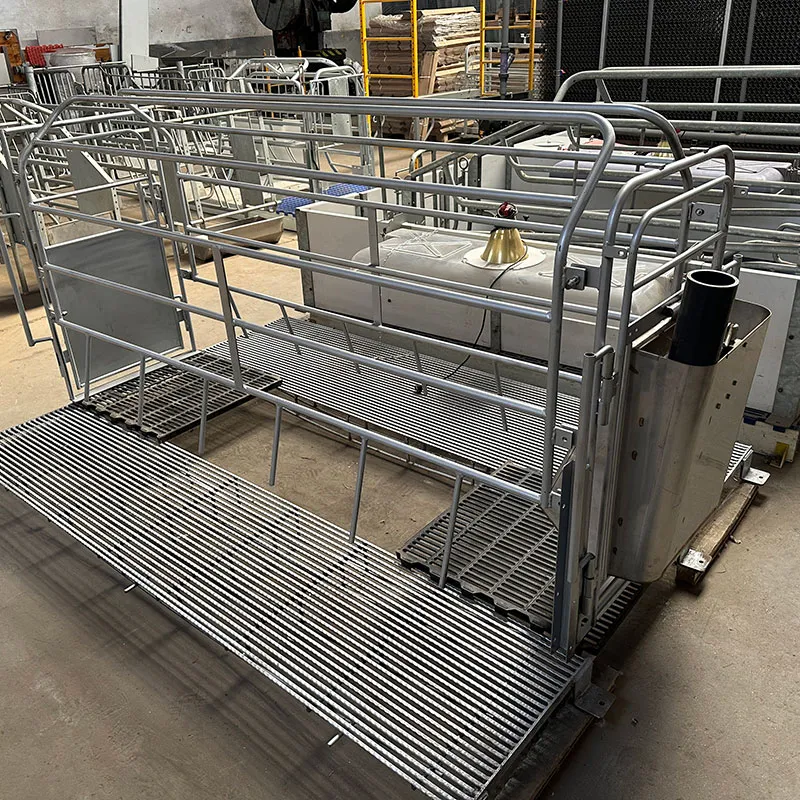
Simply put, cow stall design refers to the planning and construction of resting areas tailored to the physiological and behavioral needs of cows. This includes dimensions, materials, drainage, ventilation, and even the positioning of feed and water points.
In a modern industry context, stall design combines architecture, animal science, and engineering. It’s intended to maximize cow comfort, reduce injuries, and improve hygiene — all translating to better milk quality and less veterinary cost.
But it’s not just about factory farms. Humanitarian efforts also often install modular cow stalls to help small farmers recover after floods or conflicts, showing how design can contribute to livelihood resilience.
Mini takeaway: At its heart, cow stall design is a multidisciplinary craft focused on welfare and efficiency.
Core Components of Effective Cow Stall Design
1. Durability and Material Choice
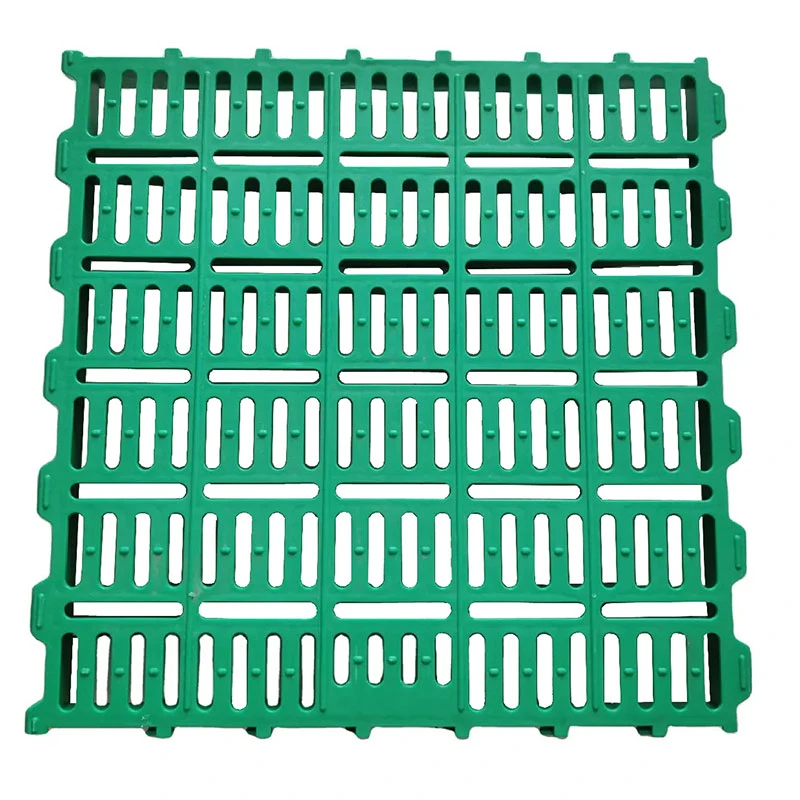
Cows are strong, heavy, and sometimes clumsy. Stall materials need to stand up to wear and moisture without becoming unsafe. Concrete is common, but newer composites and rubber mats increase comfort and reduce injuries.
2. Proper Dimensions for Comfort
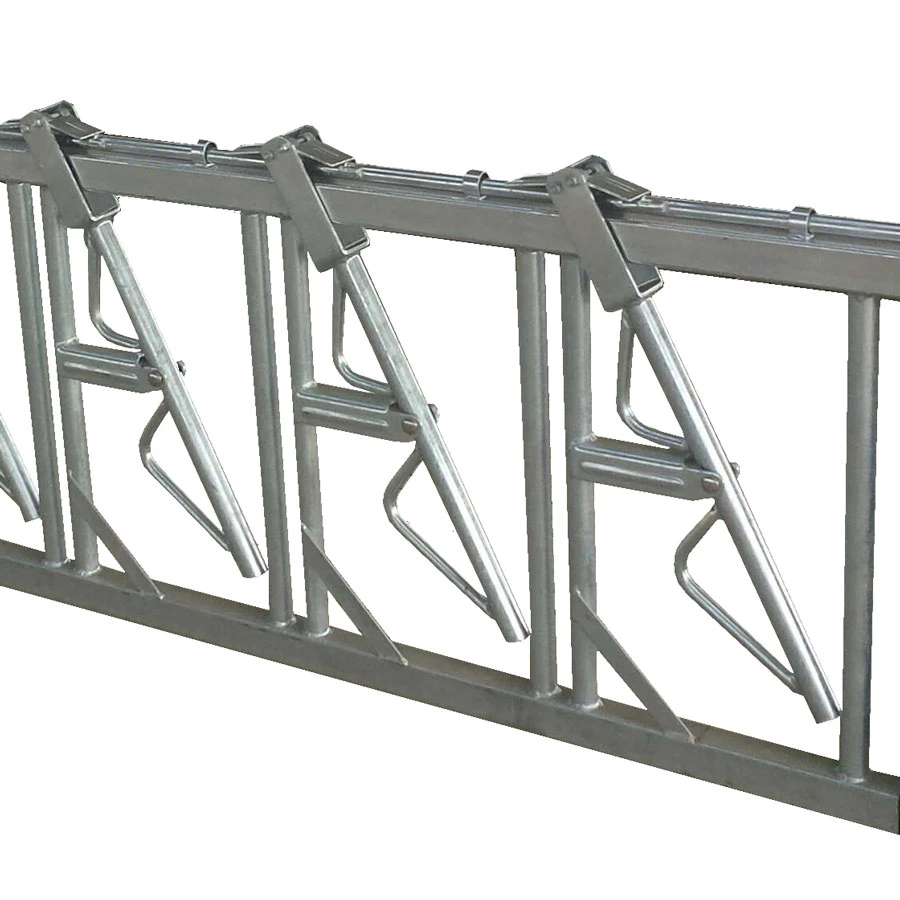
The standard stall width varies by breed and region but typically ranges from 1.2 to 1.5 meters wide. Length and neck rails must prevent injuries but allow natural lying and rising movements.
3. Ventilation and Drainage
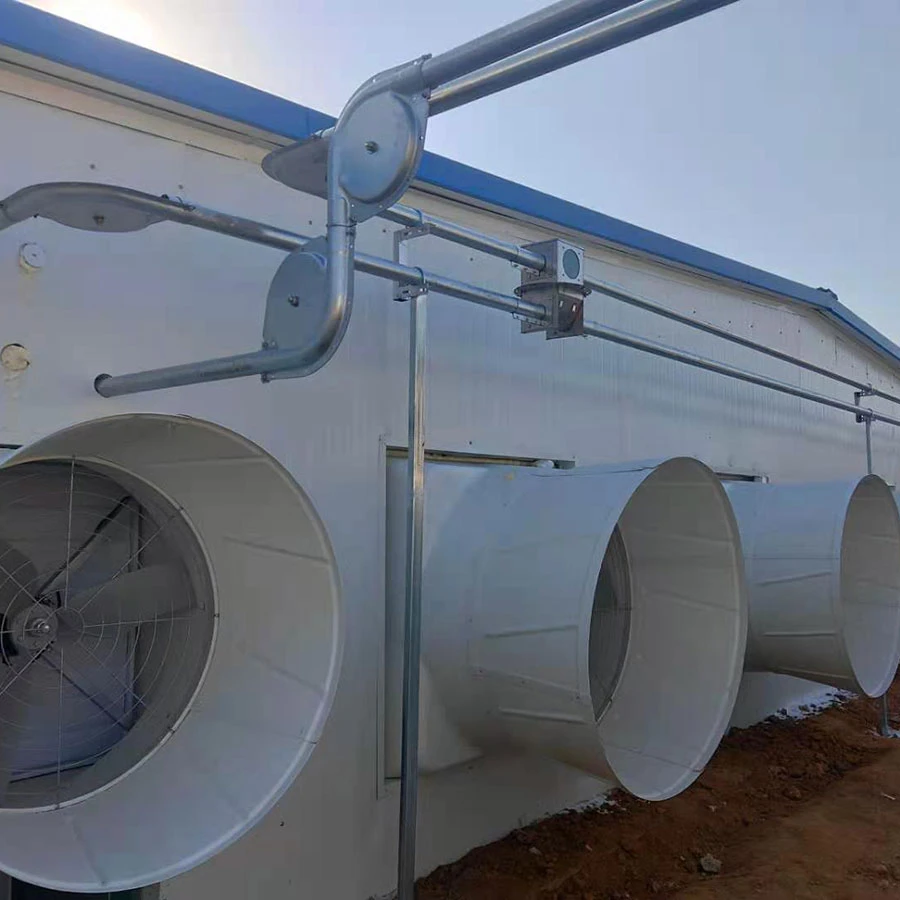
Good airflow prevents respiratory diseases, while well-designed drainage keeps bedding dry, discouraging bacteria and parasites.
4. Cost Efficiency and Scalability
Especially for growing farms, the ability to expand or modify stalls without huge expenses is a key factor.
5. Hygiene and Ease of Cleaning
Stalls that allow easy manure removal help keep cows clean and minimize infections.
6. Environmental Adaptation
From arid zones to cold climates, stalls must suit local weather — shading in hot regions, insulation in cold.
Mini takeaway: It’s a balancing act between cow comfort, farm economics, and environmental constraints.
Global Applications & Use Cases
In Scandinavian countries, cow stall design often focuses on automation — robotic milking systems integrated with specially designed stalls that allow precision feeding and health monitoring.
In India and Nepal, smallholder farmers use stall designs adapted for buffalo and cattle that can be built cheaply with local materials yet improve hygiene and space use.
Another interesting case is in Australia, where water scarcity pushes for designs that minimize waste and allow efficient cooling to reduce heat stress during those blistering summers.
And then there are post-disaster contexts. NGOs have deployed modular stall setups to help communities quickly restart livestock farming after floods or earthquakes, ensuring cattle have safe places to rest while farms stabilize.
Mini takeaway: Cow stall design is context-driven and diverse but always anchored in helping animals and farmers alike.
Advantages & Long-Term Value of Modern Cow Stall Designs
- Animal Welfare: Comfortable stalls reduce injuries, stress, and disease risk, leading to higher milk quality and yield.
- Economic Efficiency: Reduced veterinary bills and better productivity mean better profit margins.
- Sustainability: Optimized designs reduce waste and environmental impact.
- Worker Safety: Ergonomically designed stalls also protect farm workers.
- Social Impact: Improved dairy infrastructure supports rural livelihoods and local economies.
It’s kind of a ripple effect — when cows are happy, everyone benefits, from the farmer to the consumer.
The Future: Trends and Innovations in Cow Stall Design
Smart technologies are creeping in — think sensors embedded in mats that monitor lying time and health or automated cleaning systems that minimize labor.
Materials like recycled rubber and bio-composites are growing in popularity, balancing durability with environmental friendliness.
There’s also a trend toward modular, quickly deployable stalls — especially useful in developing regions, where rapid farm expansion or disaster recovery is needed.
And policy-wise, standards like the ISO 23665 Series are shaping industry best practices worldwide.
Mini takeaway: The future is digital and green, bringing new opportunities for innovation and care.
Challenges & Expert Solutions in Implementing Cow Stall Designs
Common hurdles include upfront cost, lack of technical know-how, and climatic unpredictability.
Innovations like government subsidies, training programs, and design customization help address these. For example, many engineers advocate for stakeholder engagement — involving farmers early in the design process ensures practical solutions that work on the ground.
Plus, hybrid designs combining traditional materials with modern elements are bridging cultural and economic gaps.
Quick FAQ About Cow Stall Design
- How wide should a cow stall be for comfort?
- A typical stall width ranges from 1.2 to 1.5 meters, ensuring cows can lie down comfortably without feeling cramped.
- What materials are best for stall flooring?
- Rubber mats over concrete bases provide cushioning while maintaining durability and drainage, although local climate and budget may dictate alternatives.
- Can modular stalls be used in disaster relief scenarios?
- Yes, modular stall systems are ideal for rapid deployment, helping farmers resume livestock care quickly after disasters.
- Is stall ventilation crucial for dairy farms?
- Absolutely. Proper airflow reduces respiratory issues and improves overall herd health, especially in humid or confined housing.
- How can small farms implement cost-effective cow stall designs?
- Using locally sourced materials combined with simple layouts reduces costs, while training on maintenance can extend longevity.
Product Specifications: Typical Cow Stall Design Features
| Feature | Specification | Notes |
|---|---|---|
| Stall Width | 1.3 to 1.5 meters | Depends on breed size |
| Flooring | Concrete base + rubber mat | Comfort & drainage balance |
| Neck Rail Height | 110 to 120 cm | Prevents forward movement |
| Ventilation | Natural + mechanical fans | Depends on barn design |
| Drainage Slope | 2%–3% | Facilitates wastewater removal |
Vendor Comparison: Leading Cow Stall Design Providers
| Vendor | Material Options | Customization Level | Typical Price Range | Global Reach |
|---|---|---|---|---|
| AgriComfort Solutions | Rubber, Composite, Concrete | High | $$$ (Premium) | North America, Europe |
| FarmTech Modular | Steel, Plastic, Rubber | Medium | $$ | Global (incl. Asia) |
| EcoBarn Systems | Recycled Materials, Rubber | High | $$ | Europe, Australia |
| Local Builders & Designers | Varies (Concrete, Bamboo) | Low–Medium | $ | Focused Regionally |
Wrapping Up: Why Thoughtful Cow Stall Design Pays Off
Let’s bring this home — cow stall design isn’t glamorous, nor is it a quick fix. But it’s foundational. It connects animal wellbeing to economic reality in such a tangible way that even small tweaks can ripple through a whole operation’s success.
As farming evolves with technology and sustainability takes center stage, these designs will keep adapting. If you’re in dairy or livestock farming, it’s worth exploring modern stall solutions, whether you’re looking for comfort, efficiency, or smarter resource use.
Curious to dive deeper? Visit our website at cxlivestock.com for expert advice and design options that fit your needs and climate.
References
Post time: Nov . 27, 2025