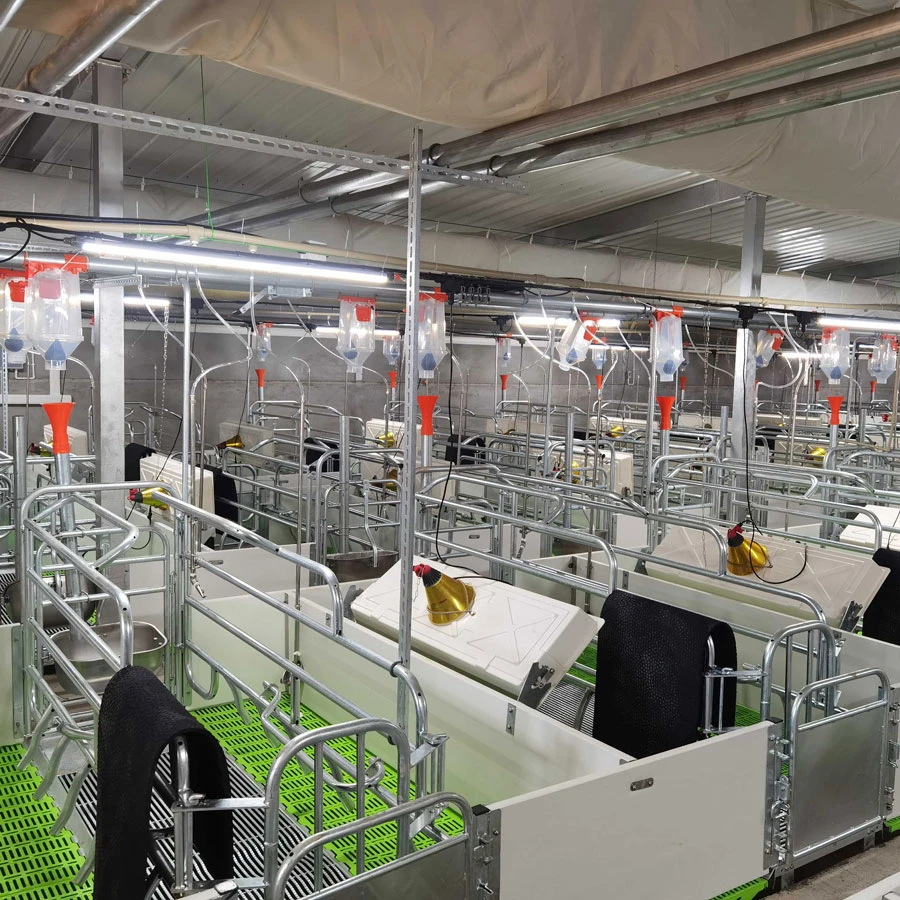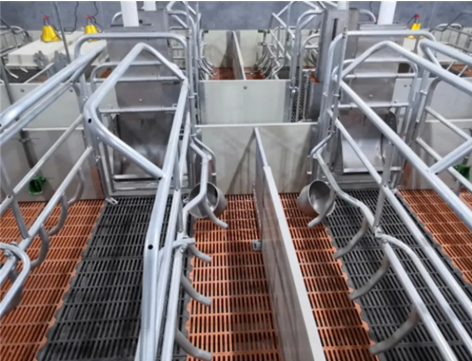
The 1 Ton Hog Feeder: A Global Game Changer in Livestock Management
Managing pig farming at scale isn’t just about keeping hogs fed; it’s about efficient, reliable, and sustainable methods that support food security worldwide. The 1 ton hog feeder — a feeder designed to hold and dispense roughly one ton of feed — has quietly become vital on farms across continents. Why does it matter? Because globally, pork is the most consumed meat, accounting for nearly 40% of meat intake in many countries (FAO, 2022). Efficient feed systems directly impact animal health, operational costs, and ultimately, the livelihoods of countless farmers.
Understanding how a 1 ton hog feeder works, what makes it indispensable in modern agriculture, and the future innovations surrounding it can help producers, NGOs, and companies make smarter livestock management decisions.
Setting the Stage: Why 1 Ton Hog Feeders Are Essential Worldwide
Picture this: global meat production has been steadily increasing by about 1.5% per year, fueled by population growth and rising incomes (World Bank, 2023). Asia, for example, consumes over half of the world’s pork supply. But feeding hundreds or thousands of hogs daily? That’s a logistical conundrum. Manual feeding wastes time and introduces contamination risks. Enter the 1 ton hog feeder — a robust, high-capacity feed dispenser that reduces labor, slows feed waste, and improves ration accuracy.
However, challenges persist: uneven feed distribution, pest interference, and mechanical breakdowns can disrupt entire operations. The right feeder infrastructure can ease these pains and streamline the process remarkably.
What Exactly Is a 1 Ton Hog Feeder?
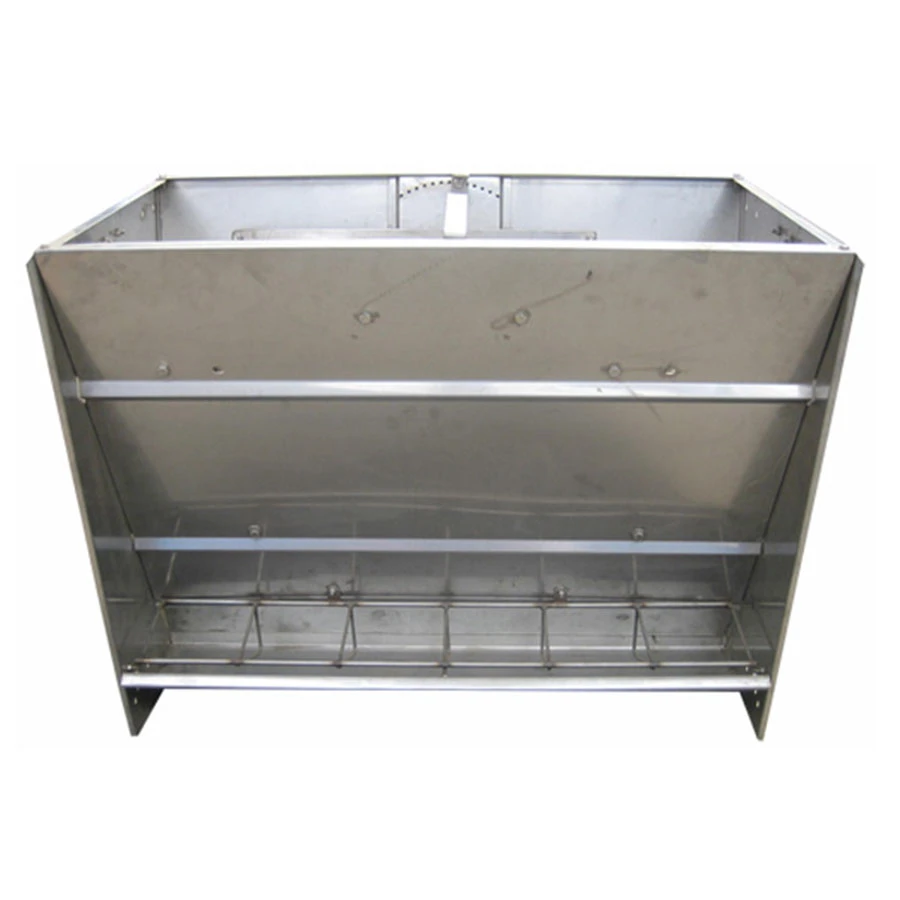
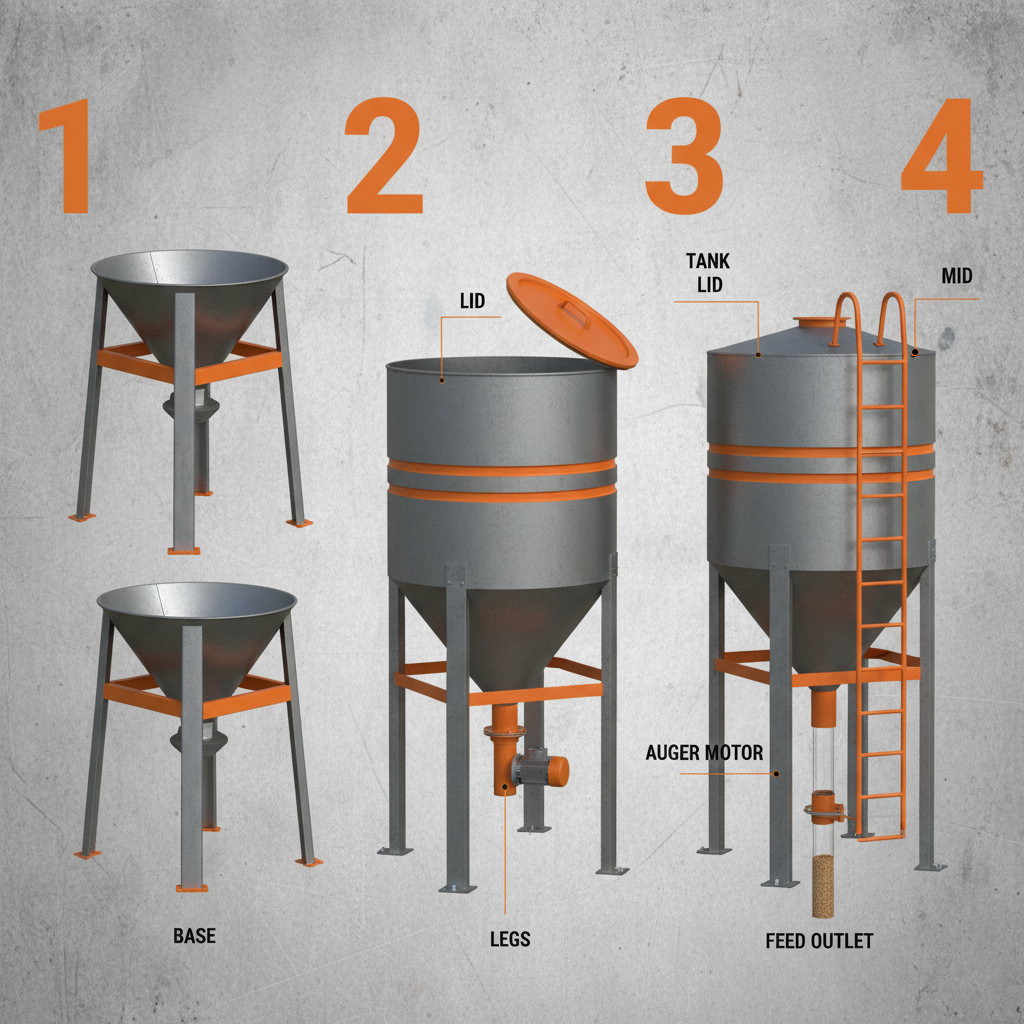
In simple terms, a 1 ton hog feeder is a feeding appliance specifically engineered to hold approximately one ton (about 907 kg) of hog feed. These devices are usually made from galvanized steel or robust plastic composites to withstand outdoor conditions and animal wear.
Feeding hogs in a controlled way is integral to both animal welfare and farm economics. A feeder of this size enables continuous feeding over days without refilling, which is ideal for medium to large farms that require steady supply without human intervention every few hours.
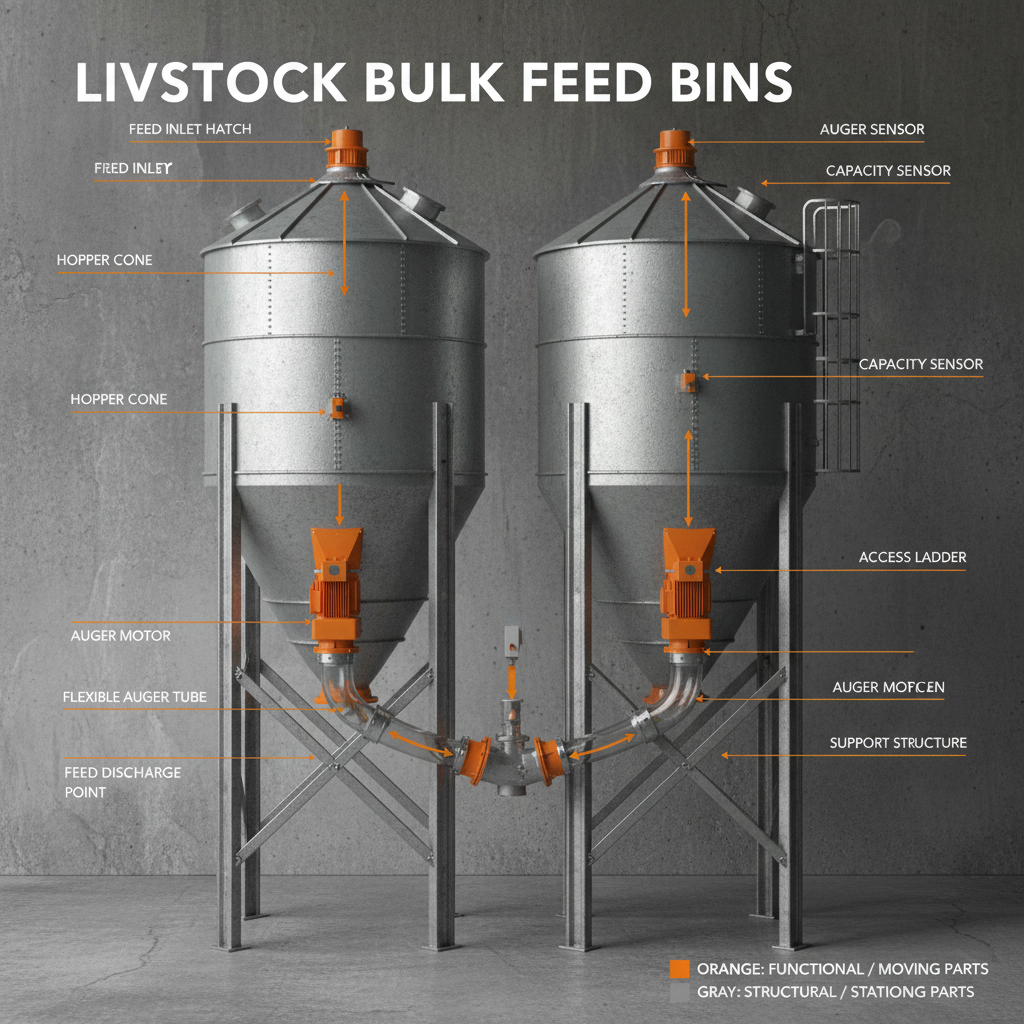
Such feeders also connect to modern automated systems, combining mechanical design with smart sensors, aligning perfectly with the increasingly tech-forward livestock industry.
Key Components: What Makes a 1 Ton Hog Feeder Tick?
1. Capacity & Durability
Obviously, the “1 ton” capacity is a standout feature. But maintaining structural integrity under constant pressure, hog impact, and weathering is equally critical. Most feeders have reinforced walls, rust-resistant coatings, and UV-protective surfaces. Durability ensures longer service life and reliability, which farms on tight budgets can’t live without.
2. Feed Dispensing Mechanism
Whether gravity-fed or motorized, the feeder’s mechanism dictates how evenly feed is distributed. Gravity systems are simple, low-maintenance but sometimes less precise. Automated feeders equipped with sensors can regulate portions, minimizing overfeeding and waste.
3. Pest & Contamination Control
Feed spoilage due to rodents or moisture is a real headache. Designs often include sealed lids, rodent guards, and drainage systems to keep feed fresh and safe for consumption.
4. Scalability & Compatibility
Farms evolve, so feeders must be compatible with larger feeding systems or automation lines. Modular design helps producers scale their operations without scrapping existing infrastructure.
5. Cost Efficiency
Material choices, maintenance needs, and upfront cost balance to make a feeder attractive to farmers worldwide. A good 1 ton hog feeder promises a relatively low total cost of ownership.
Takeaway: Durability, capacity, pest control, and dispensing tech combine to make the 1 ton hog feeder a cornerstone of modern hog farming.
Global Applications and Real-World Use Cases
It’s one thing to talk specs, but the true worth of the 1 ton hog feeder shines through its diverse applications:
- Large-scale commercial farms in the U.S. Midwest rely on these feeders for continuous hog nutrition across thousands of animals.
- Smallholder farms in Southeast Asia use them to optimize manual feeding routines, saving labor and feed costs.
- Post-disaster relief operations sometimes deploy portable feeders to support livestock recovery, stabilizing food supplies for displaced agricultural communities.
- Research facilities and breeding farms leverage precise feed control to maintain animal health and genetic quality.
In odd corners of the globe — where electricity is unreliable, or access to feed is intermittent — the feeder’s robustness and capacity truly reveal their value.
Essential Specifications of a Typical 1 Ton Hog Feeder
| Specification | Details |
|---|---|
| Capacity | 1 ton (~907 kg) feed volume |
| Material | Galvanized steel or UV-resistant plastic |
| Dimensions (approx.) | 120 cm Height × 100 cm Diameter |
| Feeding system type | Gravity-fed or motorized dispensing |
| Weatherproofing | Waterproof lid, drainage holes |
| Pest control | Rodent guards and sealed seals |
Comparing Leading 1 Ton Hog Feeder Vendors
| Feature / Vendor | AgroFeeder Inc. | FarmTech Solutions | LivestockMasters |
|---|---|---|---|
| Material | Stainless Steel | Galvanized Steel | Recycled Plastic Composite |
| Automation option | Yes, sensor-based | No | Basic motorized |
| Price Range | $600 - $800 | $400 - $650 | $500 - $700 |
| Warranty | 3 years | 2 years | 5 years |
| Pest-proof design | Excellent | Standard | Good |
Why Invest in a 1 Ton Hog Feeder? Understanding the Advantages
- Cost savings: Reduced feed waste directly trims expenses.
- Animal health: Consistent feeding supports growth and immunity.
- Labor efficiency: Less manual handling frees up valuable time.
- Sustainability: Durable, recyclable materials improve eco-footprint.
- Welfare & dignity: Hogs benefit from steady access to fresh food.
Many farmers report that investing in a larger feeder like this was a turning point, allowing more predictable output and smoother daily operations. Safety during feeding, fewer contaminants, and less physical strain on workers have psychological benefits too, fostering more sustainable farming communities.
Emerging Innovations Shaping the Future
The industry’s not standing still. In fact, automation is speeding towards smarter 1 ton hog feeders. Imagine sensors that adjust feed based on pig activity or weather conditions. Solar-powered feeders, 3D-printed feed trays tailored to pig sizes, even IoT integration for real-time monitoring are already on the horizon.
Sustainability remains a priority. New bio-based plastics and recycled metals are being trialed to reduce environmental impact without losing durability. And companies are exploring zero-energy feed dispensing — simply relying on gravity with dust-proof seals and better aerodynamics.
Challenges and Practical Solutions
No system is perfect. Some 1 ton hog feeders suffer from clogging in humid climates or rodents finding novel ways to breach guards. Maintenance costs can add up if materials aren’t high quality.
Solutions? Regular cleaning schedules, investing in pest-resistant coatings, and modular designs that allow easy parts replacement help. Many farms supplement feeders with traditional troughs during wet seasons or rapidly growing hog phases.
FAQ: Your Top Questions on 1 Ton Hog Feeders Answered
- Q: How often should a 1 ton hog feeder be refilled on average?
- A: Depending on herd size and feed intake, a 1 ton feeder generally lasts 3-5 days. Farms with 50+ hogs might empty it faster; smaller herds could stretch it longer.
- Q: Are automated feeders better than gravity-fed ones?
- A: Automated feeders provide more accurate rationing and reduce waste, but they require power and maintenance. Gravity feeders are simpler, cheaper, and ideal where electricity is unreliable.
- Q: Can I use the 1 ton hog feeder outdoors in rainy regions?
- A: Yes, but ensure it has a waterproof lid, drainage, and UV protection. Proper positioning and regular checks help prevent feed spoilage.
- Q: Is the feeder compatible with all types of hog feed?
- A: Typically yes. It works well with pellets, mash, or crumbles. Avoid large clumps that might cause clogging.
- Q: How do I source these feeders internationally?
- A: Many manufacturers offer export services or have local distributors. Checking certifications like ISO 9001 can help ensure quality when importing.
The Bottom Line: Feeding the Future, One Ton at a Time
The 1 ton hog feeder is more than just a chunk of metal or plastic dispensing feed; it’s a linchpin in global food security, sustainable farming, and animal welfare. Whether you’re a commercial agriculturist or a smallholder looking to boost efficiency, investing in a quality feeder pays dividends over time.
Curious to learn more or buy one? Take a look at 1 ton hog feeder options today — they might just transform your farm’s future.
References:
1. FAO Pork Production Statistics
2. World Bank Agriculture Data
3. Wikipedia: Livestock Feeding
Post time: Dec . 02, 2025