Hurdle Cattle: A Practical Insight Into Versatile Livestock Management
If you’ve ever been curious about how livestock handlers manage movement, containment, and temporary fencing, you might have heard the term hurdle cattle. This isn’t some niche jargon—it's a globally significant practice that ties closely with agricultural efficiency, animal welfare, and even humanitarian logistics. Understanding hurdle cattle can help ranchers, livestock managers, and supply chain professionals boost productivity, reduce risks, and stay compliant with evolving standards.
But what exactly are hurdle cattle, and why does this matter beyond farms? After all, with over 1.4 billion cattle worldwide as per UN FAO statistics, effective handling techniques can ripple through economies, food security, and animal welfare worldwide. So let’s unfurl the story behind these portable fencing systems, their uses, and why they're more relevant than ever.
Hurdle Cattle in the Global Context: Why They Matter
Global demand for beef, dairy, and livestock products has been steadily rising, especially in emerging markets. The World Bank notes that developing countries are witnessing a stronger growth rate in cattle rearing due to rising incomes and changing diets. In this whirlwind of production, one big challenge shows up again and again: how to safely, efficiently, and humanely manage and transport cattle without permanent infrastructure.
Enter the humble hurdle—portable, reusable fencing panels designed for forming pens, chutes, or temporary enclosures. For cattle handlers worldwide, hurdles aren’t just fences; they’re tools of control and care, improving safety for animals and workers alike. For regions prone to flooding or sudden natural disasters, being able to rapidly set up cattle enclosures means livestock survival can be a lifeline for communities.
Mini takeaway: In a nutshell, hurdle cattle practices connect agriculture with humanitarian response and supply chain logistics — they’re a quiet backbone to a massive global industry.
What Does “Hurdle Cattle” Actually Mean?
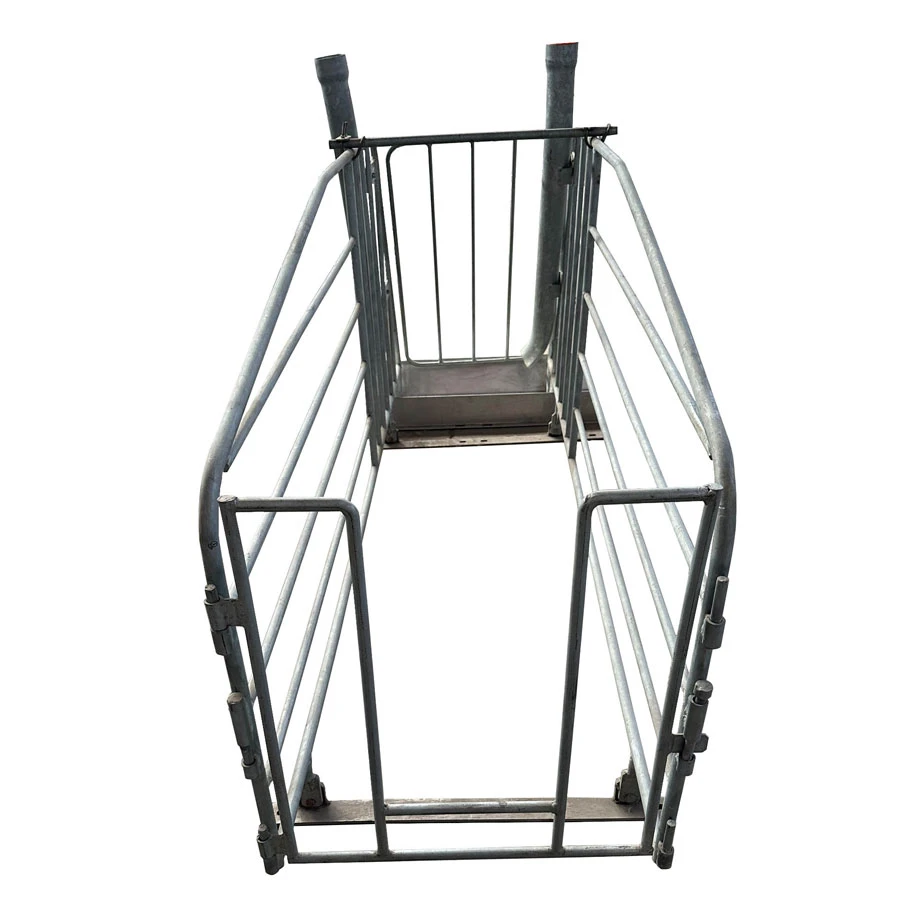
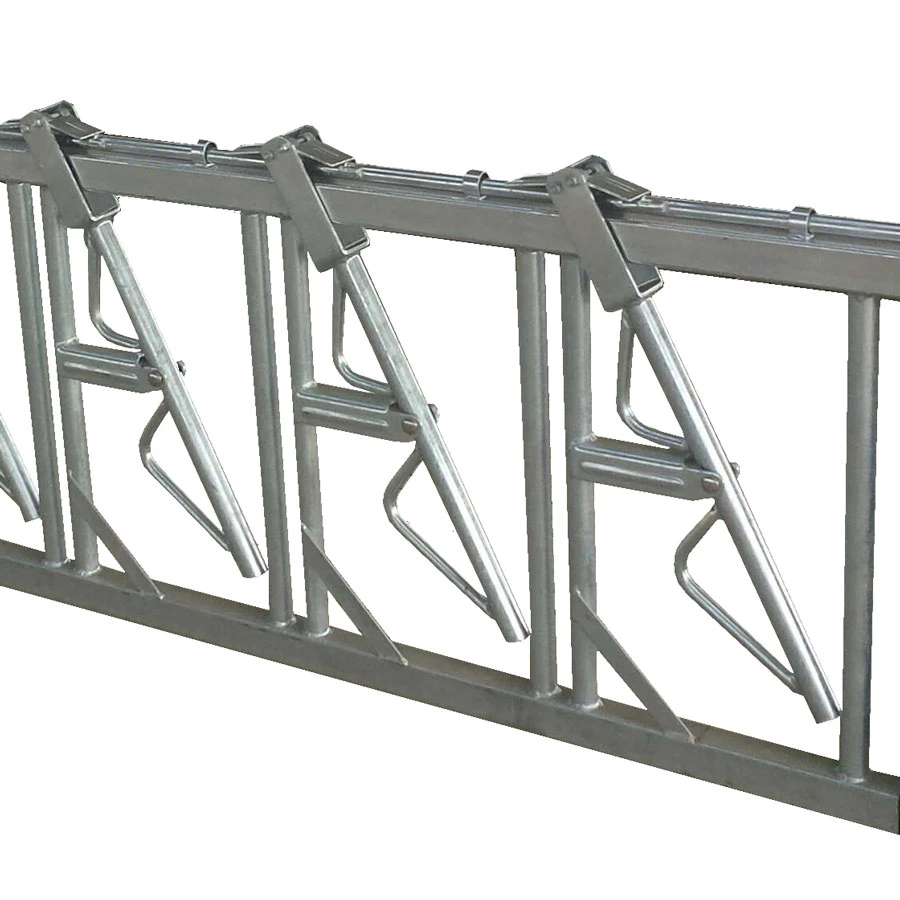
Simply put, hurdle cattle refers to cattle managed or contained using movable hurdles—these are lightweight panels, often wooden or metal, that can be linked to form fences or handling lanes. Unlike permanent fences, hurdles are flexible, making it easier to adapt to different terrains or operational needs.
Beyond the basics, hurdle systems have evolved to meet modern demands. Today’s panels might include galvanized steel frames, rubber-coated grips, or specialized connecting clips designed for quick assembly without tools. They also support better animal welfare by reducing stress during herding and loading, critical in commercial and emergency settings.
In real-world terms, obstacle-free movement and controlled environments reduce injury risks, facilitate better veterinary care, and make it easier to segregate animals—a must when managing disease outbreaks or breeding programs.
Core Components of Effective Hurdle Cattle Systems
1. Durability
Hurdles must withstand the weight and force of cattle without deforming or breaking. Metal frameworks—often powder-coated or galvanized—resist rust and last several years, even in challenging outdoor environments.
2. Portability & Ease of Assembly
Ranchers often have to move their yards seasonally or set up emergency enclosures. Panels that are lightweight, stackable, and connect with quick clips save hours of labor.
3. Safety Features
Rounded edges, secure locking mechanisms, and non-slip footings can prevent injuries to animals and handlers. Some modern systems even feature adjustable heights to accommodate calves versus fully grown bulls.
4. Scalability
The ability to combine multiple hurdle sets means one rancher can customize pens or loading chutes precisely to herd size. This flexibility plays well when operations expand or change.
5. Cost Efficiency
While upfront investment varies, portable hurdles reduce the need for permanent fencing and maintenance costs. Over time, this can mean significant savings, particularly for smaller or seasonal operations.
6. Environmental Adaptability
Materials and design also factor into how well hurdles perform in wet, dry, or even mountainous areas. Some suppliers offer UV-resistant coatings or specialized hinges to contend with local climates.
Mini takeaway: The best hurdle cattle systems balance strength with simplicity — protecting animals while accommodating the unpredictable nature of livestock management.
Applications Across the Globe: Where and How Hurdle Cattle Shine
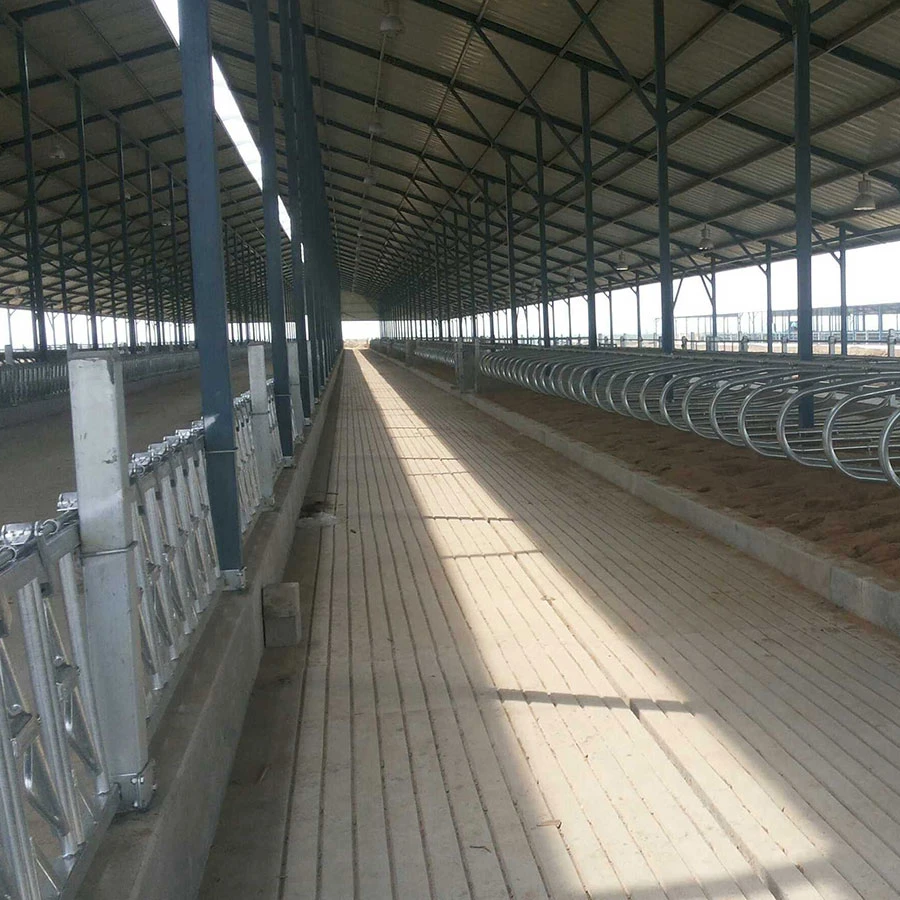
While many images of livestock handling focus on fixed farm fences, hurdle cattle panels find keen favor in diverse settings beyond the ranch:
- Disaster Relief and Emergency Shelters: Post-flood or wildfire zones often need temporary pens to shelter displaced livestock. Quick deployment here helps prevent animal loss and food insecurity.
- Remote Industrial or Research Installations: In places like Australian outbacks or African wildlife conservation areas, hurdles can create controlled livestock movement without permanent infrastructure.
- Seasonal Grazing and Transhumance: Nomadic herders in Central Asia or Africa use hurdle cattle to set up grazing pens along migratory routes. It’s flexibility in real-time.
- Commercial Transport Yards: At livestock markets or abattoirs in Europe and the Americas, hurdles facilitate orderly movement, auctioning, and sorting.
To illustrate, a cattle cooperative in Kenya uses hurdle cattle panels extensively during vaccination campaigns. The ease of moving pens to different villages reduces costs and improves vaccination rates substantially.
Advantages of Hurdle Cattle Systems: Why They Keep Winning Hearts and Minds
Frankly, the list of benefits goes beyond what you’d expect from a simple fence. First up: cost savings. Portable hurdles eliminate the need for expensive permanent fencing, reducing capital expenditure. Second: Animal welfare—a big deal these days—improves since flexible pens reduce stress and prevent crowding and injury. That connects deeply to consumer trust and regulatory compliance.
We can’t overlook sustainability. Many hurdle panels are built from recyclable materials, and their reuse cuts down waste compared to single-use or fixed infrastructure. In social terms, enabling safer animal handling preserves farmer livelihoods, especially in vulnerable communities.
On a slightly more emotional note, knowing livestock are safe and calmly managed gives handlers a sense of pride and trust in their work. That might sound a bit intangible, but anyone who’s worked with stressed animals knows it matters.
Product Specification Table: Typical Hurdle Cattle Panel
| Feature | Specification | Notes |
|---|---|---|
| Material | Galvanized Steel Frame; Hardwood Slats | Rust-resistant and durable |
| Panel Dimensions | 2.4m length × 1.2m height | Standard size for most cattle types |
| Weight | Approx. 27 kg | Light enough for one person to carry |
| Connection Mechanism | Spring-loaded clips | Quick assemble/disassemble |
| Safety Features | Rounded edges, non-slip footings | Reduces injury risks |
| Estimated Lifespan | 7-10 years with maintenance | Dependent on climate exposure |
Vendor Comparison: Top Hurdle Cattle Panel Providers
| Supplier | Material Quality | Price Range (per panel) | Lead Time | Customization Options |
|---|---|---|---|---|
| FarmSecure Ltd. | High-grade galvanized steel, teak wood | $95 - $120 | 2 weeks | Yes (colors & sizes) |
| RanchPro Solutions | Powder-coated steel, pine wood | $80 - $110 | 1 week | Limited (size options) |
| AgroFlex Hurdles | Stainless steel, composite slats | $110 - $135 | 3 weeks | Yes (custom branding) |
Future Trends and Innovations in Hurdle Cattle Solutions
The livestock world isn’t immune to tech advances, and hurdle cattle management is no exception. Recently, I noticed manufacturers experimenting with composite materials to reduce weight further without sacrificing durability. Some are integrating RFID readers on hurdles to monitor animal flow digitally—no more manual counts!
Sustainability is another buzzword pushing innovations: solar-powered drying stations for hurdles after rain, and biodegradable coatings that reduce environmental impact. Automation could soon play a role too; imagine drone-assisted deployment or remotely controlled gates within enclosures. It might sound a bit sci-fi for farms, but investors are putting money here.
Common Challenges and How to Overcome Them
Of course, hurdle cattle systems face their limits. Wind can topple poorly anchored panels, rough terrain complicates deployment, and inferior materials degrade quickly under UV exposure. One recurring issue I heard from ranchers is the “balance between portability and strength”—go too light and risk damage, go heavy and lose mobility.
Solutions often involve smart design compromises—hurdles with adjustable stabilizers or interlocking bases for added grip. Training handlers on proper setup greatly reduces failure points. Also, sourcing from reputable suppliers who back warranties prevents shortcuts that plague cheaper, ad-hoc panels.
FAQ: Frequently Asked Questions About Hurdle Cattle
- What’s the main advantage of using hurdle cattle panels over permanent fencing?
- Hurdle panels offer unmatched flexibility. They can be quickly assembled, moved, or reconfigured without heavy equipment. This is ideal for seasonal grazing, emergencies, or facilities lacking permanent infrastructure.
- How long do portable hurdle cattle panels typically last?
- With proper maintenance—like cleaning, occasional repainting, and secure storage—panels generally last between 7 to 10 years. Environmental factors, especially moisture and sun exposure, influence longevity.
- Are hurdle cattle systems suitable for large commercial operations?
- Absolutely. Many large-scale ranchers and livestock markets use hurdles for sorting, vet checks, or loading. Their scalability and safety features make them practical in both small farms and big enterprises.
- Can these panels be customized for different cattle breeds or sizes?
- Yes, many vendors offer options like height adjustments, reinforced frames, or different slat materials to match distinct animal requirements.
- How can NGOs import hurdle cattle solutions for disaster relief?
- Most manufacturers provide international shipping and offer technical support to ensure proper usage. NGOs typically coordinate with these vendors for bulk orders tailored to field conditions.
In Conclusion: Why Understanding Hurdle Cattle Matters for You
So, why bother with hurdle cattle? Because they represent a smart, evolving nexus of tradition and innovation—holding cattle safely today while pushing the industry toward flexible, sustainable practices tomorrow. Whether you’re a rancher, development worker, or livestock market manager, these portable panels help bridge gaps between livestock care, cost-efficiency, and global food security.
Curious to learn more or explore suitable products? Visit us at hurdle cattle — your gateway to smarter, safer cattle handling.
Quick final thought:
Sometimes, the simplest solutions—like those sturdy yet portable fences—can transform entire sectors. And the world keeps moving forward step by step, hurdle by hurdle.
References
Post time: Dec . 01, 2025