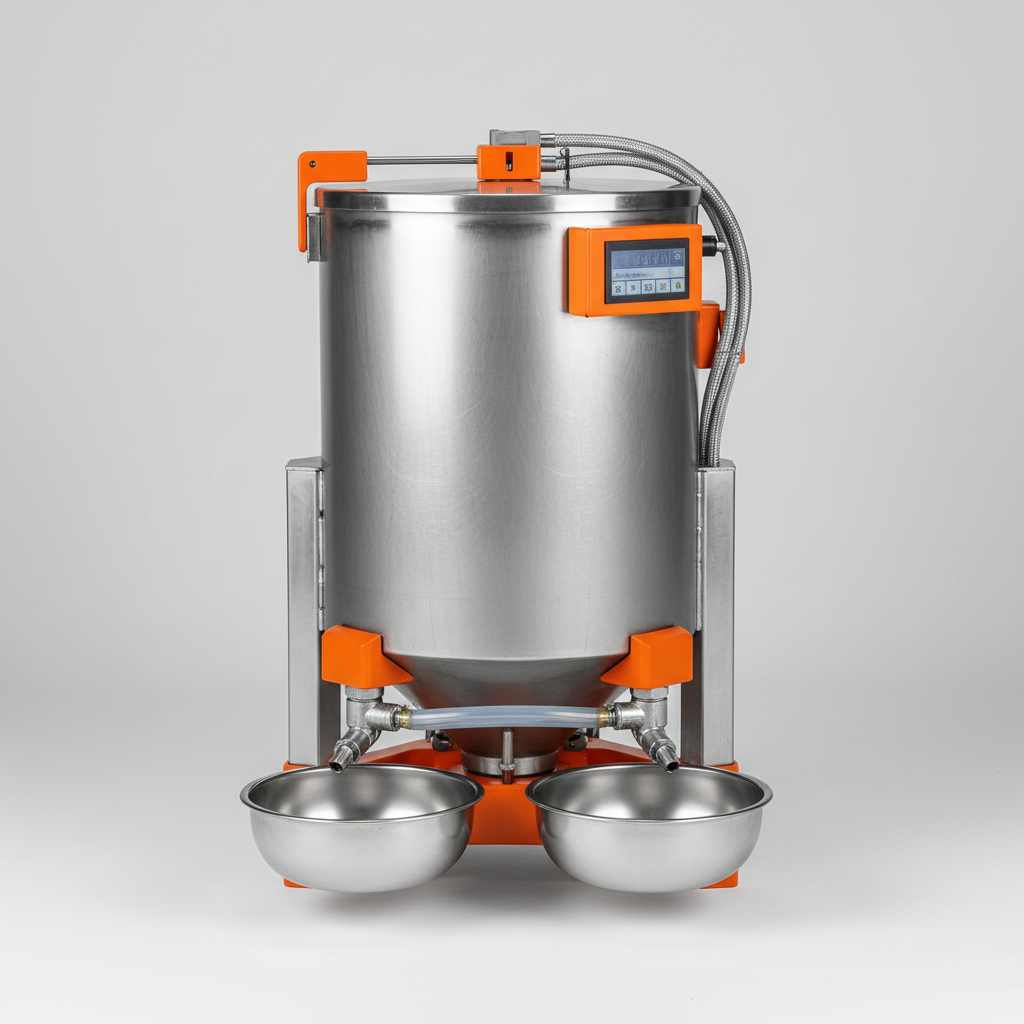
Why Auto Feeders for Pigs Matter Globally: A Brief Overview
In today’s world, efficient and humane livestock farming is more important than ever. The auto feeder for pigs has quietly become a game-changer in the swine industry, blending technology with animal welfare. This system automates feeding schedules, improving growth rates, reducing labor, and ensuring consistent nutrition — benefits that ripple out beyond just farms. Globally, where pork is a staple protein and pork production supports millions of livelihoods, understanding how these feeders work isn't just technical—it’s about sustainability and food security.
For countries aiming to optimize production and reduce environmental impact while meeting rising demand, the auto feeder for pigs is proving indispensable. Not to mention, it solves a practical problem: pig feeding can be a messy, time-consuming affair, especially in large-scale operations.
Introduction: The Growing Need for Tech-Savvy Pig Feeding Solutions
According to the Food and Agriculture Organization (FAO), global pork production exceeds 120 million tons per year, with Asia and Europe leading the charge. Managing feed logistics for millions of pigs across factories or smallholds is a Herculean task. Manual feeding can introduce inconsistencies that impede growth, increase waste, and drive costs up.
Enter the automated pig feeder: a tool designed to tackle these challenges at scale. As consumer focus on animal welfare and sustainable farming intensifies, so too does the demand for systems that can guarantee optimal nutrition, reduce human error, and lower environmental footprints.
Interestingly, the ISO 22000 food safety management directive indirectly encourages innovations like automated feeders by emphasizing controlled processes from “farm to fork.” So this is not just about convenience — it’s part of a much bigger global push toward safer, more efficient food supply chains.
What is an Auto Feeder for Pigs?
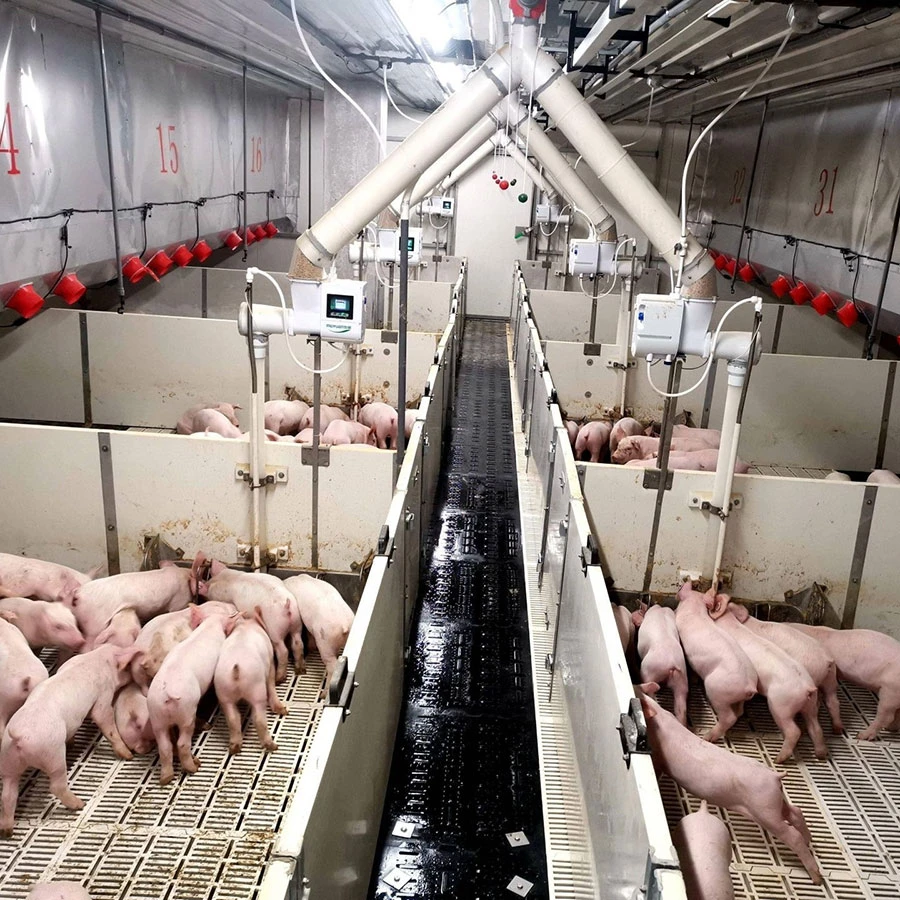
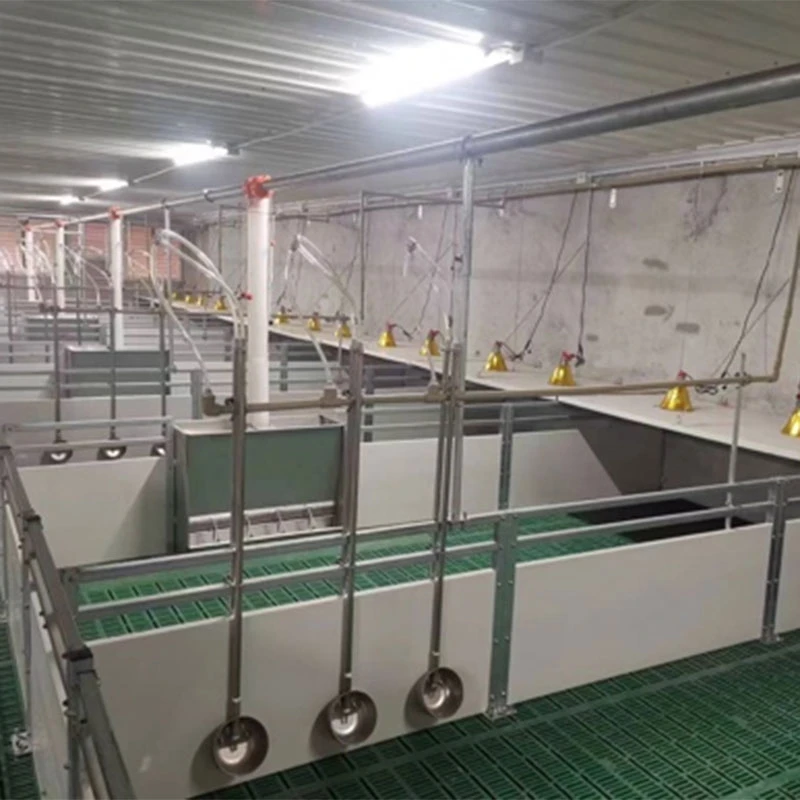
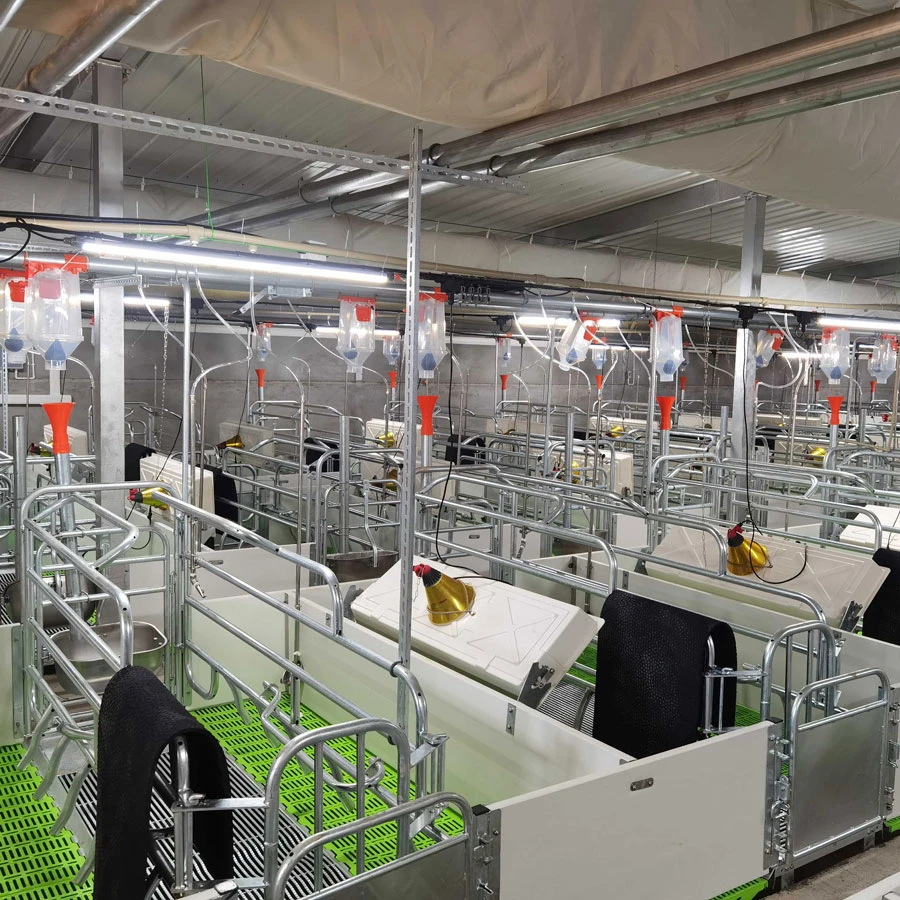
In simple terms, an auto feeder for pigs is a mechanical or electronic device that automatically dispenses feed pellets, mash, or liquid ration to pigs at predetermined intervals or quantities. It can be programmed to handle multiple feeding sessions per day, adjusting portions based on the pigs’ age, weight, or health condition.
These feeders are more than just machines; they represent a leap forward in husbandry by reducing human workload, improving feed conversion rates, and enhancing animal welfare. In many ways, they're the backbone of modern precision livestock farming — a topic that’s reshaping how we think about raising animals responsibly.
Core Components of Auto Feeders for Pigs
1. Durability and Material Quality
These devices must withstand harsh farm environments: dust, moisture, and constant use. Most feeders use galvanized steel or food-grade plastics that resist corrosion and last years without major repairs.
2. Scalability to Farm Size
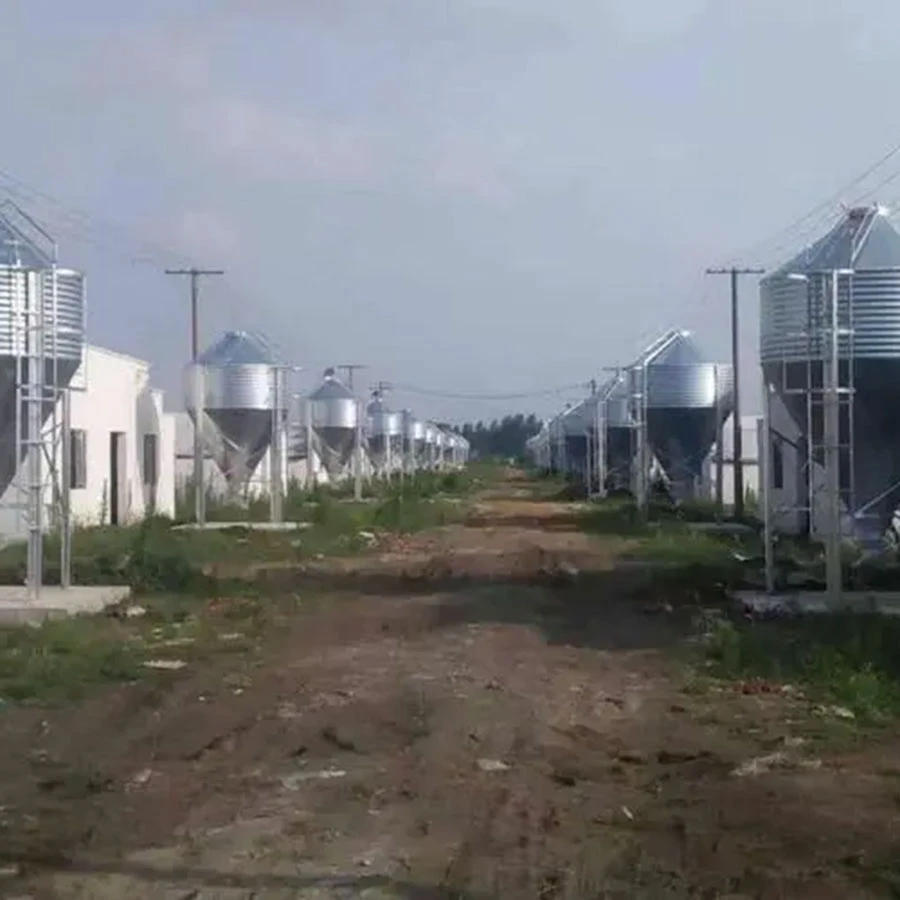
From small pens to multi-thousand-head industrial farms, feeders come in modular designs. You can upgrade capacity or link multiple units to cover a broad setup easily — critical for farms that might expand or contract seasonally.
3. Cost Efficiency
While initial investment varies (and we’ll look at some numbers below), automated feeders reduce feed waste through controlled portioning and minimize labor costs. Over time, they often pay back their price fairly quickly.
4. User-friendly Controls & Smart Tech Integration
Modern feeders offer intuitive interfaces — sometimes smartphone apps — allowing farmers to adjust feed schedules remotely or receive alerts when supplies run low. Some advanced models even incorporate sensors to track feeding behavior.
5. Hygiene and Maintenance Ease
Automatic cleaning cycles or easily disassembled parts ensure the risk of contamination is minimal, promoting healthier animals and reducing disease outbreaks.
Product Specification Table
| Specification | Standard Auto Feeder Model A | Premium Auto Feeder Model X |
|---|---|---|
| Feed Capacity | 300 kg hopper | 600 kg hopper |
| Feed Types | Pellets, mash | Pellets, mash, liquid |
| Programmed Feedings per Day | Up to 6 | Up to 12 with sensor input |
| Connectivity | Manual control | WiFi + Smartphone app |
| Material | Galvanized steel + plastic protection | Food-grade stainless steel + UV-resistant plastic |
| Maintenance | Quarterly cleaning recommended | Automated cleaning cycle + alerts |
Global Use Cases: Where and How Auto Feeders Transform Pig Farming
In China, the world’s largest pork producer, incorporating automated feeders has increased farm efficiency by ~15%, according to a recent industry report. The automated portioning reduces feed wastage — a major cost component — and helps smaller farms standardize feed management.
In Europe, where animal welfare laws are strict, automated feeders bring improvements by ensuring consistent nutrition without stress from overcrowding during manual feed times. Plus, countries like Denmark and the Netherlands use these feeders to complement their cutting-edge sustainability goals, reducing environmental runoff from excess feed.
Oddly enough, in remote regions of Latin America, automated feeders are finding their place in helping rebuild post-disaster pig farming systems where labor shortages and erratic power supplies made frequent manual feeding tricky. Battery-backed feeders with solar panels help sustain herds until infrastructure returns.
And don’t overlook NGOs and humanitarian groups, which sometimes deploy these feeders in emergency livestock aid programs to prevent starvation and stabilize local economies.
Comparing Leading Vendors of Auto Feeders for Pigs
| Vendor | Product Range | Technology Level | Price Range | Warranty |
|---|---|---|---|---|
| AgriFeed Systems | Basic to mid-tier automatic feeders | Manual to app control | $800 - $2,500 | 2 years |
| SmartPig Tech | High-end multisensor feeders | Full IoT integration | $2,800 - $6,000 | 3 years |
| FarmEase Solutions | Mid-price with solar options | Semi-automated with solar backup | $1,500 - $3,500 | 2 years |
Advantages and Long-Term Value of Auto Feeders
Frankly, the biggest win is reliability. Automated feeding means pigs aren’t waiting hungry or overeating, which smooths growth curves and supports health. The labor reduction is a huge operational cost saver — farms can funnel those hours into better sanitation or breeding programs instead.
Emotionally, it’s reassuring to farmers to know the animals’ welfare is consistently looked after, especially when they’re not on-site 24/7. It instills a sense of pride and innovation in a sector often seen as traditional or tough.
Environmentally, less wasted feed reduces runoff pollution — a win-win for the farm and local ecosystems. Long-term, this kind of efficiency can make pork production more sustainable and justifiable to increasingly eco-conscious consumers.
Emerging Trends and Innovations
- Green Energy Integration: Solar-powered feeders with battery backups are helping farms in off-grid areas automate feeding without relying on unstable power.
- IoT and Smart Analytics: More devices come equipped with sensors that monitor feeding behavior, pig weight, and health indicators — feeding data into farm management software.
- Customized Feeding Profiles: Using machine learning, some feeders adjust rations based on real-time animal condition, environmental factors, and growth targets.
- Sustainable Materials: Vendors are shifting toward recyclable plastics and corrosion-resistant metals to prolong feeder life with reduced environmental impact.
Challenges Farmers Face and How to Overcome Them
Installing automated feeders isn’t without hurdles. Initial costs can be daunting for smaller operations, and some systems require steady internet access or consistent maintenance regimes that farms in remote areas struggle with.
Also, the learning curve for new tech can challenge older operators unfamiliar with programming or app interfaces. Training and accessible customer support become critical here — many leading vendors now provide step-by-step tutorials and remote assistance.
Some experts suggest hybrid systems that combine manual controls with automation, to ease the transition. Taking a modular approach helps too — starting small and scaling up as confidence and budget grow.
FAQ: Your Questions About Auto Feeders for Pigs, Answered
Q1: How do auto feeders impact pig growth rates compared to manual feeding?
A1: Auto feeders help deliver consistent and optimized feed portions throughout the day, reducing competition and stress among pigs. This consistent nutrition promotes better average daily gains (ADG), improving growth rates by up to 10-15% in many studies.
Q2: Can an automatic feeder handle different types of pig feed?
A2: Yes. Most feeders are compatible with pellets and mash, while premium models can also dispense liquid rations. It’s essential to choose a feeder that matches your preferred feed type to avoid clogging or mechanical issues.
Q3: Are these feeders suitable for small family farms or only large operations?
A3: Auto feeders come in various sizes and price points, making them suitable for small to large farms. Smaller models with simpler controls allow family farms to reduce labor without major investment.
Q4: How difficult is maintenance, and what’s the typical lifespan?
A4: Maintenance varies by model — basic feeders need simple cleaning every few months; advanced units may have automated cycles and sensor alerts. Lifespans usually run from 5 to 10 years, depending on materials and usage.
Q5: Can I monitor and adjust feeding schedules remotely?
A5: Many modern feeders offer smartphone connectivity, enabling farmers to update feeding times or portions on-the-go and receive status alerts, which is especially useful for larger or multiple farm sites.
Conclusion: Why Investing in Auto Feeders for Pigs is a Smart Move
The journey toward smarter pig farming feels inevitable, and auto feeders stand at its forefront. They deliver measurable improvements in animal welfare, farm efficiency, and cost savings — all while aligning with global shifts toward sustainability and food safety. Whether you’re a large commercial farm or a smallholder curious about cutting-edge tools, automated feeding offers clear, long-term value.
For further insights and a curated selection of auto feeder for pigs, visit our website. Exploring your options with trusted suppliers can make adoption smoother and more successful.
1. Food and Agriculture Organization (FAO) - Global Pork Production Stats
2. ISO 22000 Food Safety Management - ISO Official Site
3. Research on Precision Livestock Farming - Wikipedia
Post time: Dec . 02, 2025