The Essential Role of Cattle Trough Water in Livestock Management
When we talk about cattle trough water, it might sound simple, but it’s actually one of the unsung heroes in animal husbandry around the world. Essentially, it’s about providing clean, reliable water sources for cattle — a vital need for animal welfare, farm productivity, and even global food security. Water’s the lifeblood; neglect it, and everything else begins to falter.
Globally, livestock watering accounts for a significant portion of agricultural water use. According to the Food and Agriculture Organization (FAO), water management in livestock farms increasingly influences sustainability and productivity. So, understanding cattle trough water — the quality, design, and management — is crucial beyond just farmers’ backyards.
Why Cattle Trough Water Matters on a Global Scale
It’s no surprise that nearly 70% of all freshwater withdrawals worldwide go to agriculture, with a sizeable chunk dedicated to animal hydration. Reliable trough water sources aren’t just a convenience — they mitigate animal stress, boost growth rates, and reduce disease risks. In drought-prone regions, the challenge intensifies.
Here’s a statistic to chew on: livestock water demand is expected to increase by over 50% by 2050 due to population growth and dietary shifts (World Bank). When water’s limited, every drop counts, and an efficient cattle trough system can make all the difference.
The challenge? Many rural and remote farms still rely on poorly maintained or inadequate trough systems that either risk contamination or waste water — not exactly ideal when you’ve got hundreds of head to hydrate.
What Exactly is Cattle Trough Water?
In simple terms, cattle trough water refers to the water supplied via troughs — the containers or basins designed for livestock to drink from. But it’s more than just “water in a tub.” These troughs have to be engineered for durability, ease of access, and water quality maintenance.
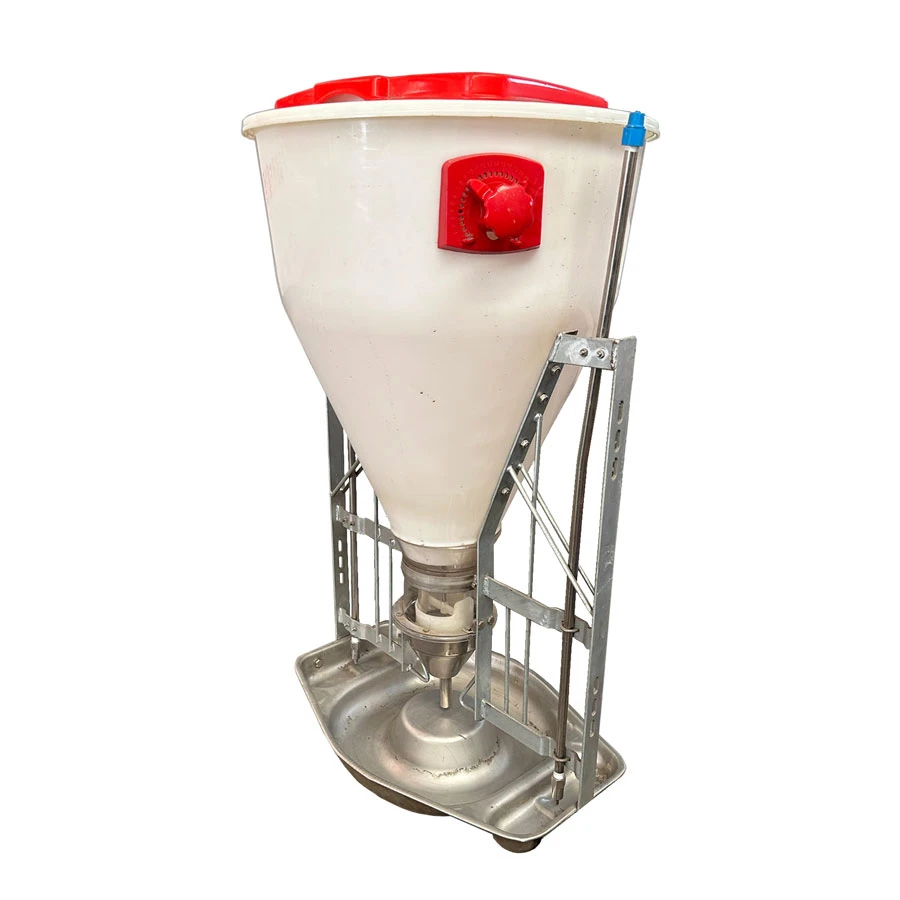
They connect directly to farm water sources or reservoirs, often incorporating filtration, automatic refilling, or temperature control systems to keep the water fresh and safe. The better these troughs perform, the healthier the cattle — and in extension, the returns to farmers improve.
Core Components of Effective Cattle Trough Water Systems
1. Durability
Cattle are not exactly gentle guests. Troughs need to endure rough use, weather swings, and sometimes freezing conditions. Materials range from galvanized steel to heavy-duty plastics — each with pros and cons in lifespan and maintenance.
2. Water Quality Control
Health-conscious farmers keep an eye on contamination risks from algae, bacteria, or dirt stirred up in open troughs. Features like UV-resistant covers or built-in filtration help maintain safe water.
3. Scalability
Whether you’ve got a dozen cattle or a thousand, the trough water system should scale up efficiently. Larger herds often use automated refill stations connected to troughs, cutting down labor and water waste.
4. Cost Efficiency
Budget-conscious buyers look for systems that minimize water loss and require less upkeep. Water-saving valves and insulated designs can help lower operational costs.
5. Ease of Cleaning and Maintenance
Nobody wants a trough that turns into a muck pit. Designs that allow quick draining and scrubbing without dismantling are more popular among commercial operations.
Quick Takeaway:
The ideal cattle trough water system blends strength, hygiene, and user-friendly features to meet farm-specific needs — a deceptively simple goal with big impact.
Applications of Cattle Trough Water Across the Globe
Around the world, the design and management of cattle trough water adapt to many environments:
- Sub-Saharan Africa: NGOs incorporate durable troughs in drought relief programs, ensuring livestock survive water-scarce seasons.
- Australia’s Outback: Automated water stations powered by solar pumps equip remote ranches, cutting labor and increasing efficiency.
- European Dairy Farms: Focus is more on hygiene and consistent water temperature to maximize milk outputs.
In humanitarian and agricultural development projects alike, access to clean trough water helps maintain livestock health and, consequently, farmer livelihoods.
Advantages and Lasting Impact of Modern Trough Water Systems
Investment in good cattle trough water technology pays off in many ways:
- Cost savings: Reduced water wastage and lower disease outbreaks save money over time.
- Sustainability: Water-efficient tech aligns with global environmental goals to preserve freshwater resources (ISO Water Standards).
- Animal welfare: Clean, fresh water increases feed intake and weight gain — which feels humane and practical.
- Social impact: Supporting rural economies and food security by promoting healthier livestock.
Glancing Into the Future: Innovations in Cattle Trough Water
The future looks promising with tech-driven solutions:
- Smart sensors: Real-time water quality and level monitoring connects troughs to farm management apps.
- Renewable energy pumps: Solar and wind-powered systems reduce carbon footprint.
- Self-cleaning materials: Innovations in antimicrobial plastics prevent algae and bacterial build-up.
These changes not only boost productivity but also reduce environmental strain — a win-win in the race toward sustainable farming.
Overcoming Challenges in Current Cattle Trough Water Practices
Despite advances, several obstacles persist:
- Infrastructure gaps: Remote farms might lack electricity or internet for automated systems.
- Cost barriers: Upfront investments deter many small-scale farmers.
- Maintenance issues: Neglect or lack of knowledge leads to fouling and system failures.
Educating users and encouraging modular, affordable solutions can help. Some organizations offer leasing or subsidy models to ease adoption.
FAQ: Common Questions About Cattle Trough Water
- Q: How often should cattle trough water be cleaned?
- A: Ideally, troughs should be cleaned weekly to prevent bacterial growth and algae buildup. In humid or warm climates, more frequent cleaning might be needed.
- Q: What materials are best for cattle troughs?
- A: Galvanized steel and UV-resistant polyethylene are popular due to durability and resistance to weathering. Plastic troughs tend to be lighter and easier to clean.
- Q: Can solar-powered water pumps be integrated with cattle troughs?
- A: Absolutely. Solar pumps are widely used in remote areas to automate water supply, reducing manual labor and ensuring consistent access.
- Q: What features help reduce water wastage in trough systems?
- A: Automatic float valves, splash guards, and covered troughs help conserve water and keep it clean.
Cattle Trough Water Product Specifications
| Specification | Model A | Model B | Model C |
|---|---|---|---|
| Material | Galvanized Steel | UV-Resistant Polyethylene | Antimicrobial Composite |
| Capacity | 300 Liters | 250 Liters | 350 Liters |
| Automatic Refill | Yes | No | Yes |
| Weight | 45 kg | 20 kg | 28 kg |
| UV Protection | No | Yes | Yes |
A Quick Comparison of Leading Cattle Trough Water Vendors
| Vendor | Range of Products | Technology Integration | Price Range (USD) | Global Reach |
|---|---|---|---|---|
| AquaLivestock | Basic to Advanced | Yes – Smart Sensors | $150–$700 | North America, Europe |
| FarmFlow | Mid-range | Limited | $100–$400 | Asia, Africa |
| EcoTroughs | Premium, Eco-friendly | Yes – Solar Systems | $300–$900 | Global |
Wrapping Up: Why Cattle Trough Water Isn't Just “Water in a Bowl”
If you take anything away from this, it should be that cattle trough water is a fundamental pillar of sustainable and humane livestock farming, wherever you are on the globe. Reliable water systems contribute to healthier animals, better yields, and stronger rural economies — all wrapped in the complex dance of water management and conservation.
Curious to explore top solutions that fit your needs? Swing by cattle trough water options and discover how the right system can make a tangible difference on your farm. Because when cattle thrive, everyone benefits.
References
Post time: Dec . 02, 2025