Introduction to Advanced Animal Feeding Systems
In modern agriculture, the optimization of livestock management is paramount for efficiency, animal welfare, and profitability. Central to this evolution is the deployment of an automatic animal feeding system. These sophisticated solutions represent a significant leap from traditional manual feeding methods, offering unparalleled precision, labor efficiency, and data-driven insights into feed consumption. Designed to cater to diverse animal husbandry operations—from swine and poultry to cattle and aquaculture—these systems are engineered to deliver precise feed quantities at optimal times, ensuring consistent nutrition and minimizing waste. The integration of advanced sensors, control algorithms, and robust mechanical components enables farms to achieve higher productivity, better animal health outcomes, and a reduced operational footprint.
The drive towards sustainability and increased output per unit area has made automated feeding not just an advantage, but a necessity for competitive producers. These systems enhance feed conversion ratios, reduce the spread of diseases by limiting human contact with feed, and provide valuable data that informs crucial management decisions, ultimately leading to more resilient and profitable farming enterprises.
Industry Trends in Automated Animal Husbandry
The landscape of animal husbandry is rapidly transforming, driven by global demands for increased food production, enhanced animal welfare standards, and operational cost reduction. Key trends are accelerating the adoption of automated feeder systems. The first is the pervasive integration of IoT (Internet of Things) and AI, allowing for real-time monitoring, predictive analytics, and adaptive feeding strategies. Sensors now track individual animal consumption patterns, weight gain, and even health indicators, enabling highly personalized nutrition.
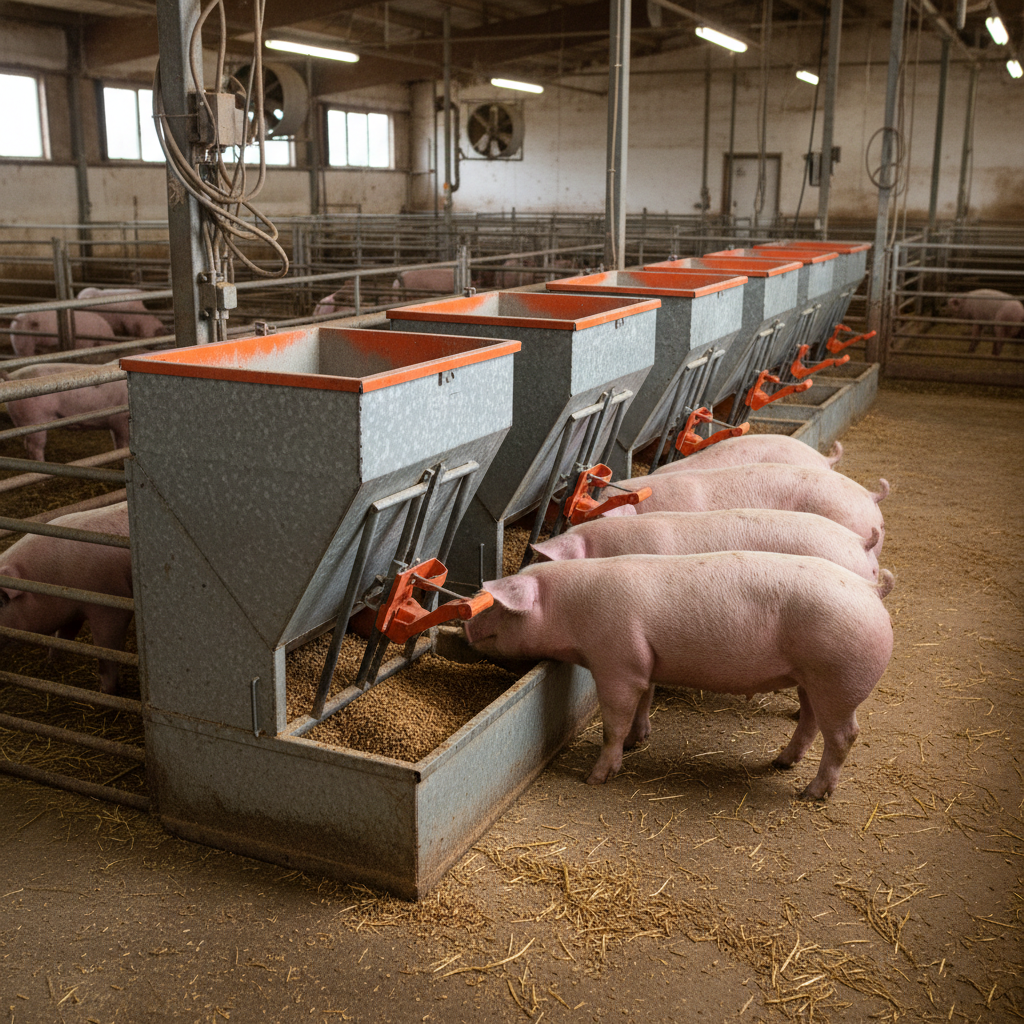
Another significant trend is the increasing demand for sustainable farming practices. Automatic animal feeding system solutions contribute by minimizing feed waste, optimizing resource utilization, and reducing the environmental impact of livestock operations. Furthermore, labor shortages in agricultural sectors globally are prompting greater reliance on automation to maintain operational capacity and efficiency. The shift towards large-scale, vertically integrated farming operations also necessitates robust, scalable, and centrally controlled feeding infrastructures. The emergence of specialized components like advanced gravity flow feed bins is enhancing the reliability and reducing the energy footprint of these systems.
According to recent industry reports, the global automated animal feeding systems market is projected to grow at a CAGR of over 7% from 2023 to 2030, driven primarily by technological advancements and increasing farm modernization initiatives. This growth underscores the critical role these systems play in the future of food production.
Manufacturing Process of Advanced Automatic Animal Feeding Systems
The production of a high-quality automatic animal feeding system involves a rigorous multi-stage manufacturing process, ensuring durability, precision, and hygiene. Key materials often include high-grade stainless steel (304 or 316 for corrosion resistance), food-grade plastics (e.g., HDPE, PP) for feed contact surfaces, and robust galvanized steel for structural components.
Process Flow:
- Design & Engineering: Utilizing CAD/CAM software for precise component design, structural analysis, and simulation to optimize feed flow and minimize wear.
- Material Procurement & Preparation: Sourcing certified raw materials. Sheet metals undergo laser cutting or plasma cutting, while plastic components are prepared for injection molding or rotational molding.
-
Component Fabrication:
- Sheet Metal Forming: Bending, rolling, and welding for hoppers, bins, and structural frames. Precision welding (e.g., TIG, MIG) ensures strong, smooth seams for hygiene.
- Casting/Forging: For high-stress parts like auger drives or specialized connectors, ensuring superior mechanical properties and wear resistance.
- CNC Machining: Critical for components requiring tight tolerances, such as motor housings, sensor mounts, and feed dispenser mechanisms, guaranteeing precise functionality.
- Plastic Molding: Production of feed tubes, troughs, and protective covers, prioritizing food-grade, UV-stabilized materials.
- Surface Treatment: Galvanization, powder coating, or electropolishing for metal parts to enhance corrosion resistance and ease of cleaning, extending service life significantly.
- Assembly: Integration of mechanical components, electrical systems, sensors, and control units. This includes augers, motors, feed drop mechanisms, and programming of control panels.
- Quality Assurance & Testing: Adherence to international standards such as ISO 9001 for quality management and ISO 14001 for environmental management. Functional testing involves calibration of dispensers, stress testing of mechanical parts, and rigorous verification of sensor accuracy and software performance. ANSI standards are often applied for structural integrity and electrical safety.
- Packaging & Shipment: Secure packaging designed for safe transit and installation.
These systems are designed for a service life typically exceeding 15-20 years with proper maintenance, showcasing excellent corrosion resistance due to material selection and surface treatments, and contributing to energy savings through optimized motor efficiency and precise dispensing, minimizing feed waste.
Target industries for these advanced feeding solutions include:
- Livestock Farming (Poultry, Swine, Bovine)
- Aquaculture (Fish and Shrimp Farms)
- Zoological Facilities & Wildlife Conservation
- Agricultural Research Institutions
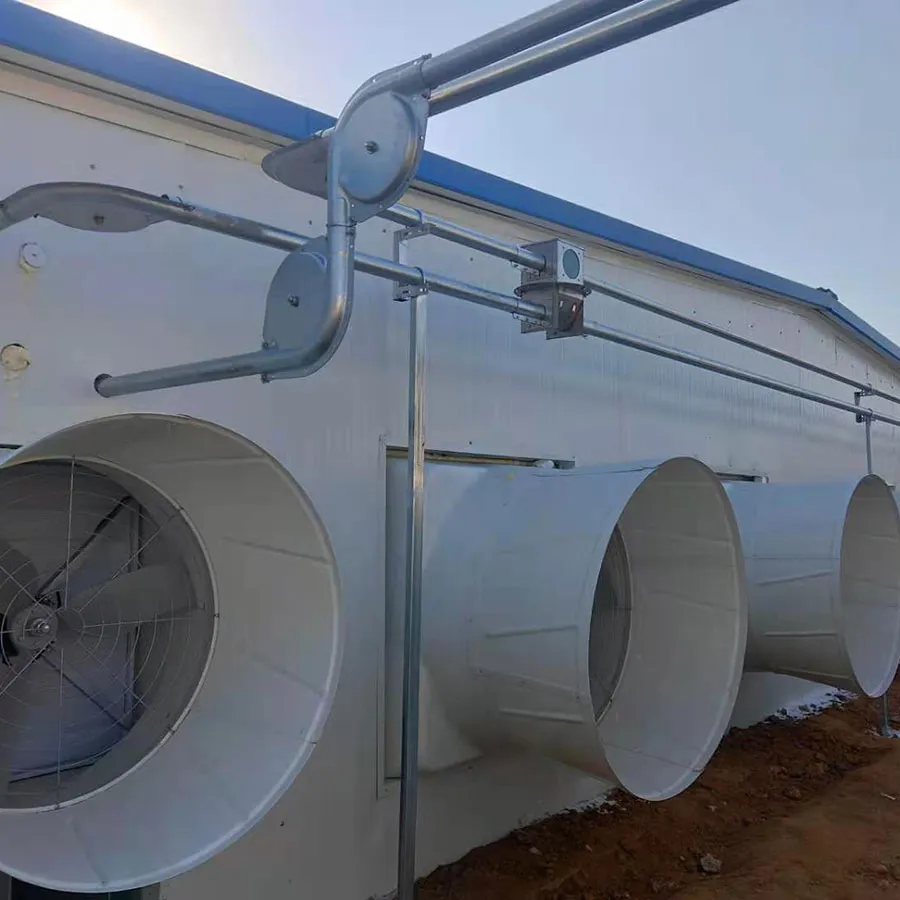
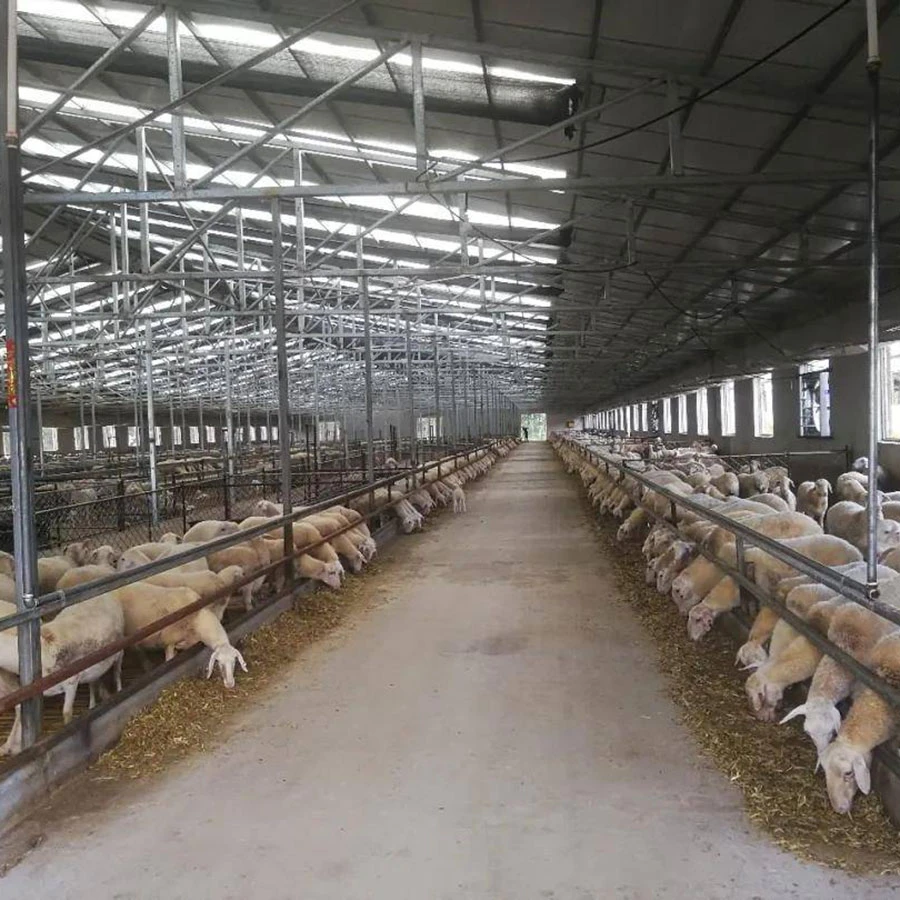
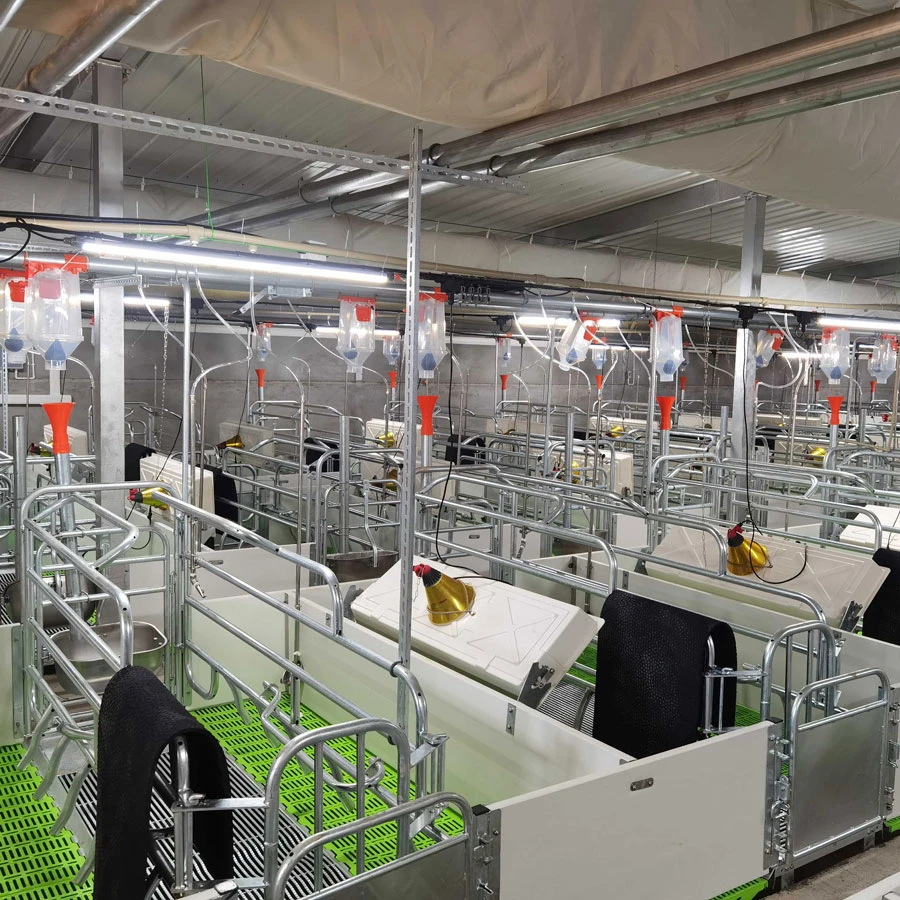
Figure 1: Illustration of advanced livestock infrastructure, integrating feeding and environmental controls for optimal farm productivity.
Technical Specifications and Core Components
A state-of-the-art automatic animal feeding system is characterized by its robust engineering and sophisticated control mechanisms. Key components include feed storage silos (often equipped with gravity flow feed bins for efficient discharge), flexible or rigid auger conveyor systems, precise feed dispensers, intelligent control units, and advanced sensing technology.
Typical Product Specifications:
| Parameter | Specification Range | Key Benefits |
|---|---|---|
| Feed Capacity (Silo) | 5-50+ metric tons | Reduces refill frequency, bulk purchasing advantages. |
| Feed Delivery Rate | 100-1000 kg/hour (adjustable) | Matches demand, prevents over/underfeeding. |
| Dispensing Accuracy | ±1-3% by weight | Minimizes waste, optimizes feed conversion. |
| Control System | PLC-based with HMI, remote monitoring (IoT) | Programmable, real-time data, remote management. |
| Material Compatibility | Pellets, mash, crumbles (up to 8mm particle size) | Versatility for various feed types and animal stages. |
| Power Requirements | 220V/380V, 3-Phase, 1.5-7.5 kW (depending on size) | Energy-efficient motors reduce operational costs. |
| Operating Temperature | -10°C to +50°C | Reliable operation in diverse climates. |
The robust construction with corrosion-resistant materials ensures longevity, even in harsh agricultural environments. Advanced sensors include feed level sensors in silos, drop tubes for accurate dispensing, and sometimes RFID readers for individual animal identification. These elements collectively form a highly efficient and reliable feed delivery network.
Application Scenarios and Operational Benefits
The versatility of an automatic animal feeding system allows for its deployment across a multitude of farming operations, each benefiting from its precision and automation.
- Swine Production: In farrowing, nursery, and finishing houses, automated feeders ensure sows receive appropriate nutrition for lactation, and piglets get consistent, growth-promoting feed, reducing stress and improving weight gain uniformity. This significantly reduces labor requirements and enhances hygiene.
- Poultry Farms: Broiler, layer, and breeder operations benefit from precise feed delivery, which is critical for optimal bird health, egg production, and feed conversion ratios. Systems can be programmed for specific feeding schedules and quantities, adapting to bird age and production cycles.
- Dairy and Beef Cattle: While large-scale cattle operations often use different feeding mechanisms (e.g., total mixed ration), automated systems are crucial for supplementary feeding in calf rearing or specialized nutrient delivery in individual stalls, promoting targeted nutrition and minimizing waste.
- Aquaculture: Automated fish feeders distribute feed uniformly over water surfaces or into ponds, reducing feed loss, improving water quality by preventing overfeeding, and promoting healthier fish growth. Submersible and aerial systems are common.
Operational advantages extend beyond simple automation. Farmers consistently report significant energy savings through optimized motor usage and less manual intervention, leading to reduced fuel costs for machinery. The precise delivery of feed mitigates wastage, which can account for a substantial portion of feed costs in manual systems. Furthermore, the enhanced control over feed portions and timing directly translates to improved animal health and productivity. For example, studies show that automated feeding can reduce feed conversion ratios by up to 5% in broiler production and improve daily weight gain by 3-4% in swine.
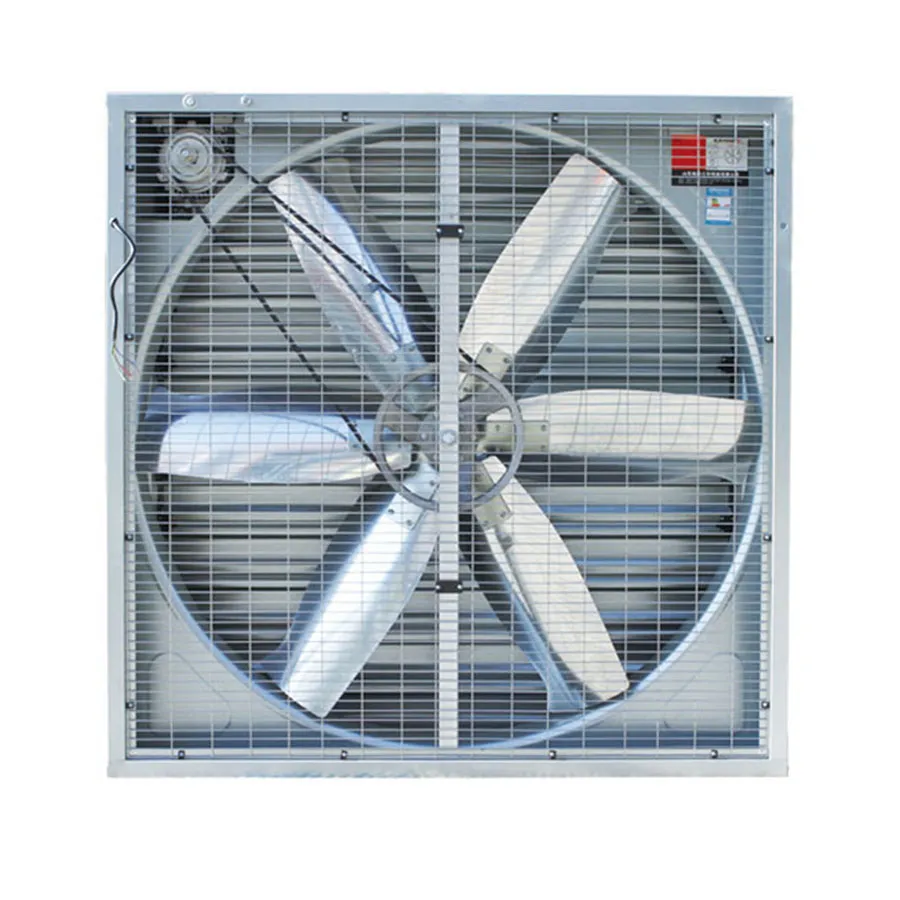
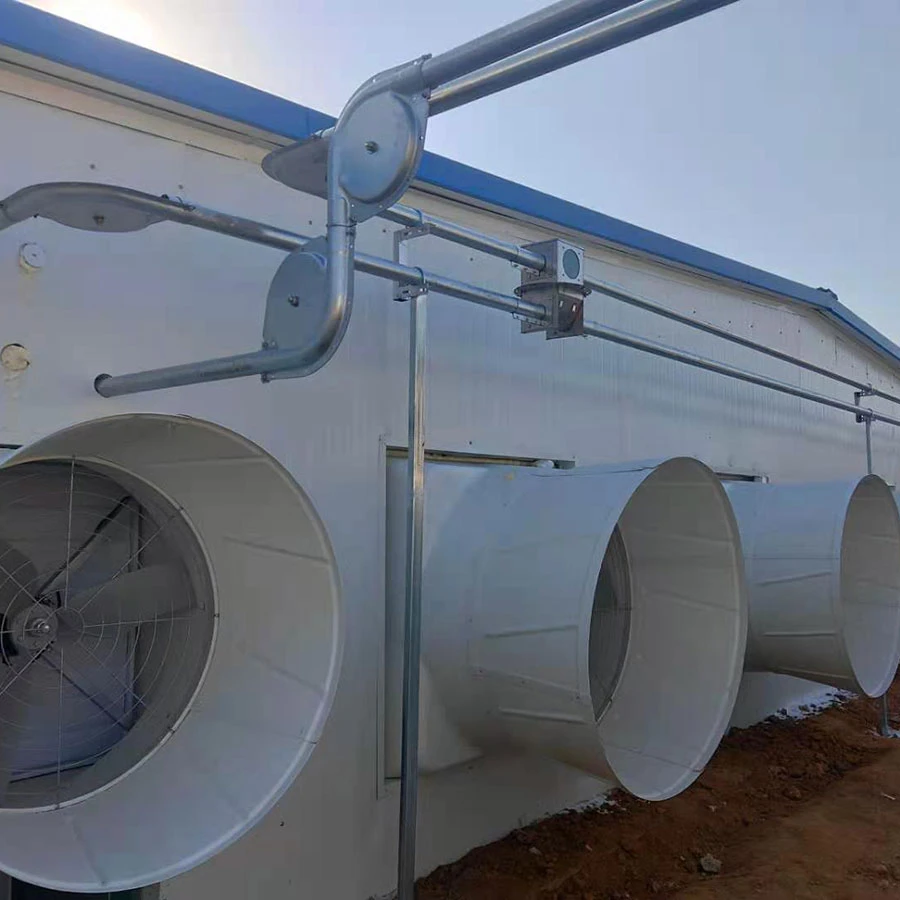
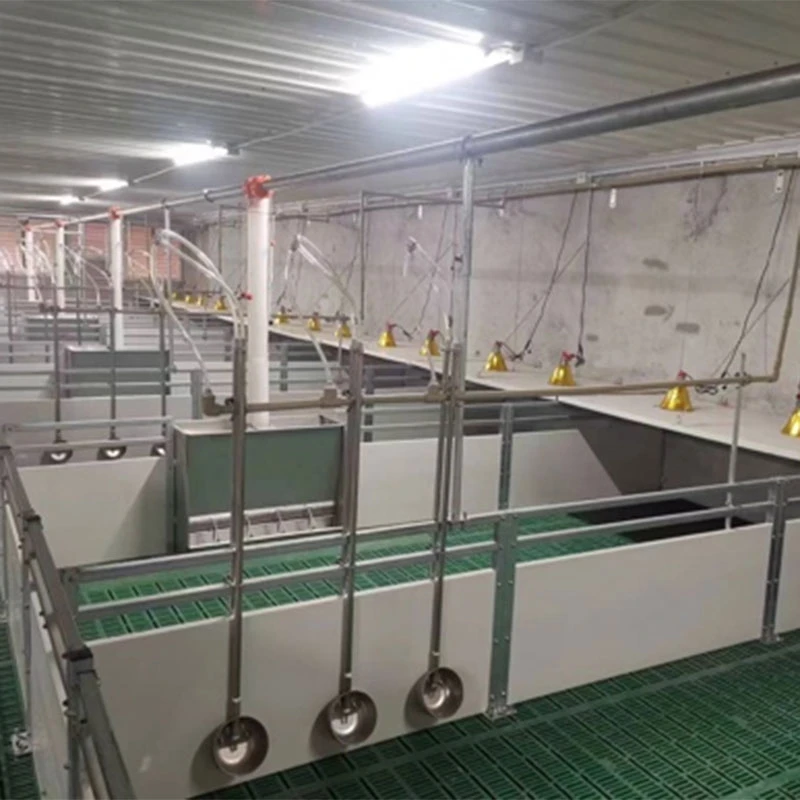
Figure 2: Modern livestock facility showcasing integrated automation solutions for environmental control and efficient feeding.
Key Technical Advantages
The technical sophistication of modern automated feeder systems provides a range of distinct advantages for producers:
- Precision Feeding: Microprocessor-controlled dispensers ensure exact feed quantities are delivered, minimizing waste and optimizing nutrient intake per animal. This leads to improved feed conversion ratios and faster growth rates.
- Labor Efficiency: Automation drastically reduces the need for manual labor associated with feed distribution, allowing personnel to focus on animal health and other critical tasks. This translates to significant operational cost savings.
- Enhanced Animal Welfare: Consistent and timely access to fresh feed reduces competition and stress among animals. Customized feeding programs can address specific dietary needs, promoting better health and reduced disease incidence.
- Data-Driven Management: Integrated sensors and software provide real-time data on feed consumption, inventory levels, and animal behavior. This invaluable information empowers farm managers to make informed decisions, optimize feed formulations, and identify potential issues proactively.
- Hygiene and Biosecurity: Closed-loop systems reduce human-animal and human-feed contact, significantly lowering the risk of pathogen transmission and maintaining higher levels of biosecurity within the farm environment.
- Scalability and Flexibility: Modular designs allow for easy expansion and adaptation to varying farm sizes and animal populations. Systems can be programmed to manage multiple feed lines and different dietary plans simultaneously.
These advantages collectively contribute to a more efficient, sustainable, and profitable farming operation, positioning the automatic animal feeding system as a core investment for future-proof agricultural enterprises.
Comparative Analysis: Leading Automated Feeder Systems
Choosing the right automatic animal feeding system involves evaluating various vendor offerings against specific farm needs. While general specifications are crucial, differentiation often lies in system flexibility, integration capabilities, and control sophistication. Below is a comparative overview of typical features found in leading automated feeder systems.
| Feature Category | System A (Example High-End) | System B (Example Mid-Range) | System C (Example Entry-Level) |
|---|---|---|---|
| Control Interface | Advanced HMI, IoT Cloud Platform, AI analytics | Touchscreen HMI, Local Network Integration | Basic LCD Panel, Timer-based controls |
| Dispensing Mechanism | Volumetric & Weight-based with individual animal RFID | Volumetric with highly accurate load cells | Timed volumetric dispensing |
| Material Compatibility | Dry feed, liquid supplements, precision mixes | Dry feed (pellets, mash, crumbles) | Standard dry feed (pellets, mash) |
| Scalability | Highly modular, supports hundreds of feeding points | Modular, supports dozens of feeding points | Fixed capacity, limited expansion |
| Data Analytics | Real-time dashboards, historical trends, predictive modeling | Daily/weekly reports, basic trend analysis | Manual data logging (if any) |
| Integration | API for farm management software, climate control | Limited integration with other farm systems | Standalone operation |
The choice depends on the scale of operation, desired level of automation, budget, and future expansion plans. High-end systems offer unparalleled control and data insights, suitable for large commercial farms, while mid-range options provide an excellent balance of features and cost-effectiveness for growing operations. Entry-level systems serve smaller farms seeking basic automation.
Customized Solutions and Integration Capabilities
Recognizing that no two farming operations are identical, leading manufacturers of automated feeder systems offer comprehensive customization and robust integration capabilities. This ensures that the investment aligns perfectly with specific production goals and existing infrastructure. Customization often begins with the initial consultation, assessing farm layout, animal type, feed requirements, and desired level of automation.
Customization Options Include:
- Silo and Bin Configurations: Tailored capacities, materials (fiberglass, galvanized steel), and discharge mechanisms (e.g., specific gravity flow feed bins) to suit different feed types and delivery rates.
- Conveyor System Design: Selection of auger type (flexible, rigid), diameter, and length to accommodate complex farm layouts and varying distances between silos and feeding points.
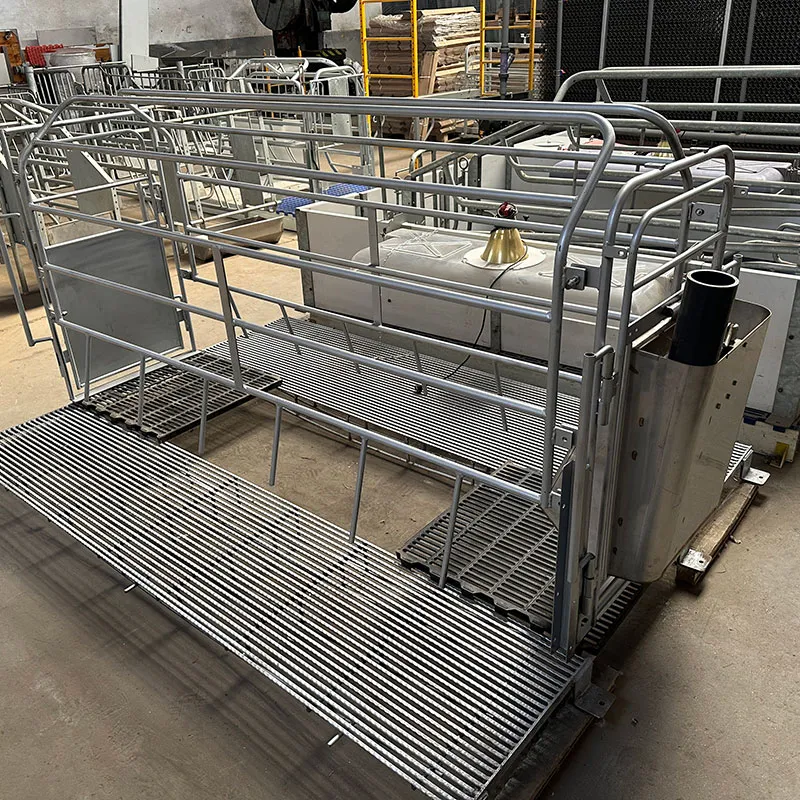
- Feed Dispenser Types: Specific dispensers for different animal groups (e.g., individual sow feeders, chick trays, farrowing stall feeders) and feed forms.
- Control System Programming: Custom software logic for unique feeding schedules, multi-phase diets, and integration with existing farm management software or environmental control systems.
- Sensor Integration: Incorporating additional sensors for animal identification (RFID), water consumption, or environmental parameters to provide a holistic view of farm conditions.
Seamless integration with other farm technologies, such as ventilation systems, climate control, and waste management, is also a critical capability. Modern automatic animal feeding system solutions are designed with open APIs and communication protocols (e.g., Modbus TCP/IP, Ethernet/IP) to facilitate data exchange and centralized control, thereby creating a truly smart farm ecosystem. This level of customization ensures maximum return on investment by optimizing resource allocation and enhancing overall farm productivity.
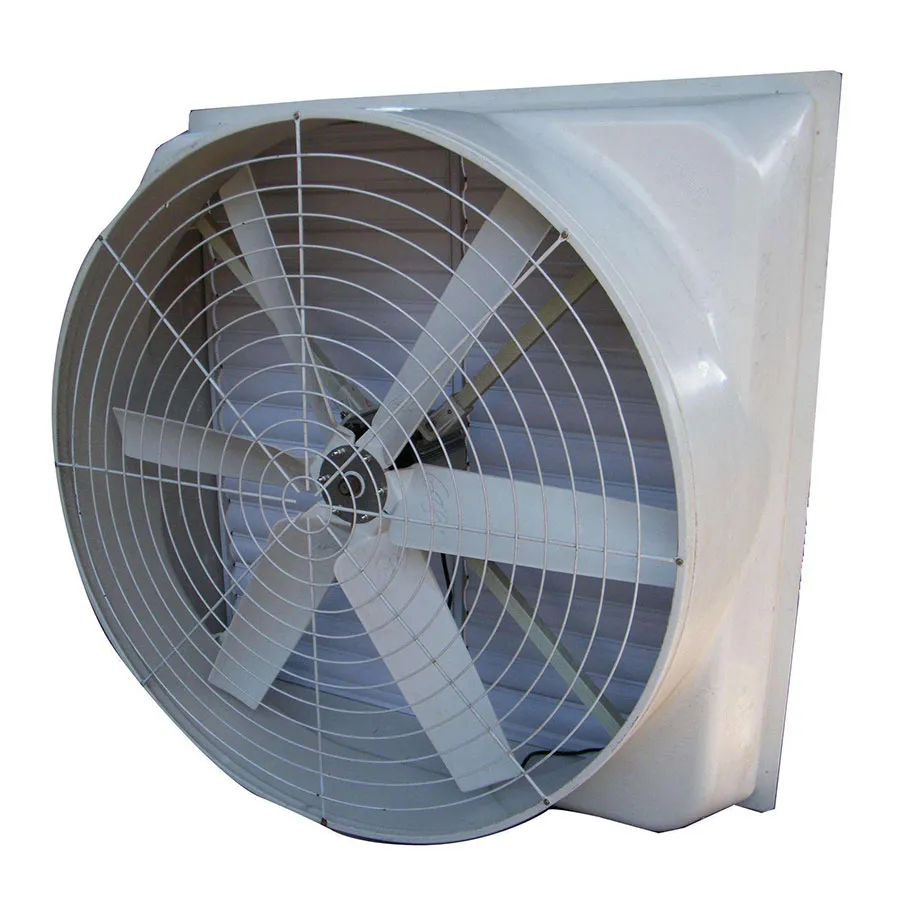
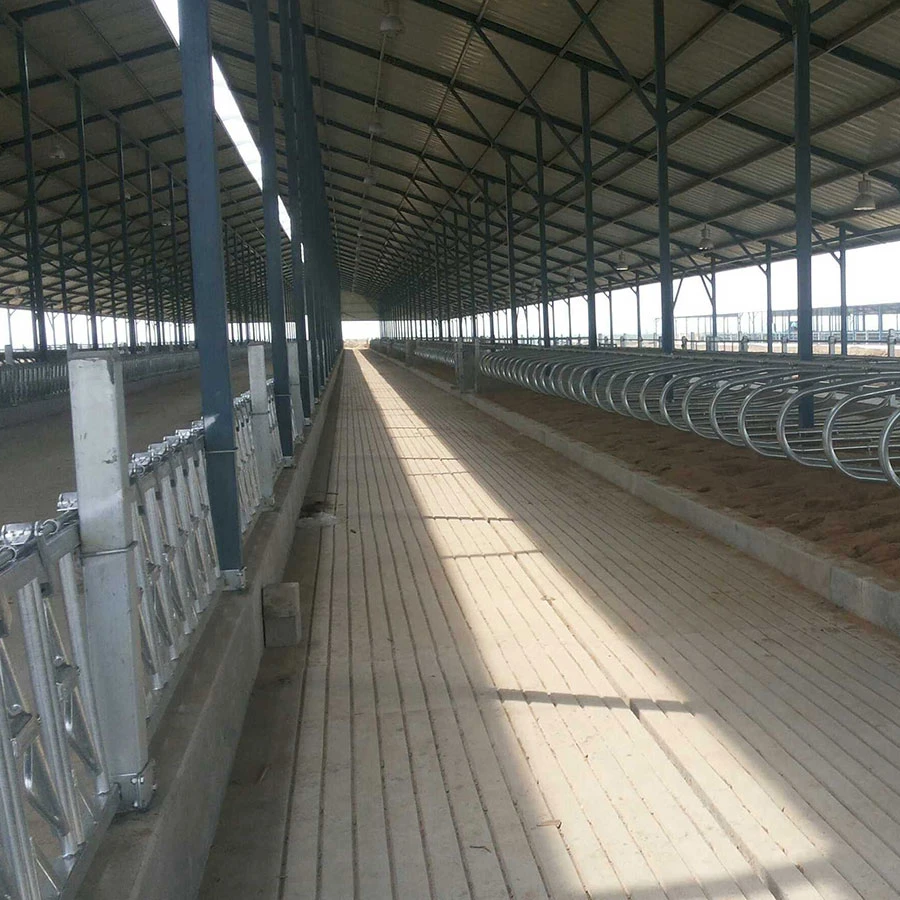
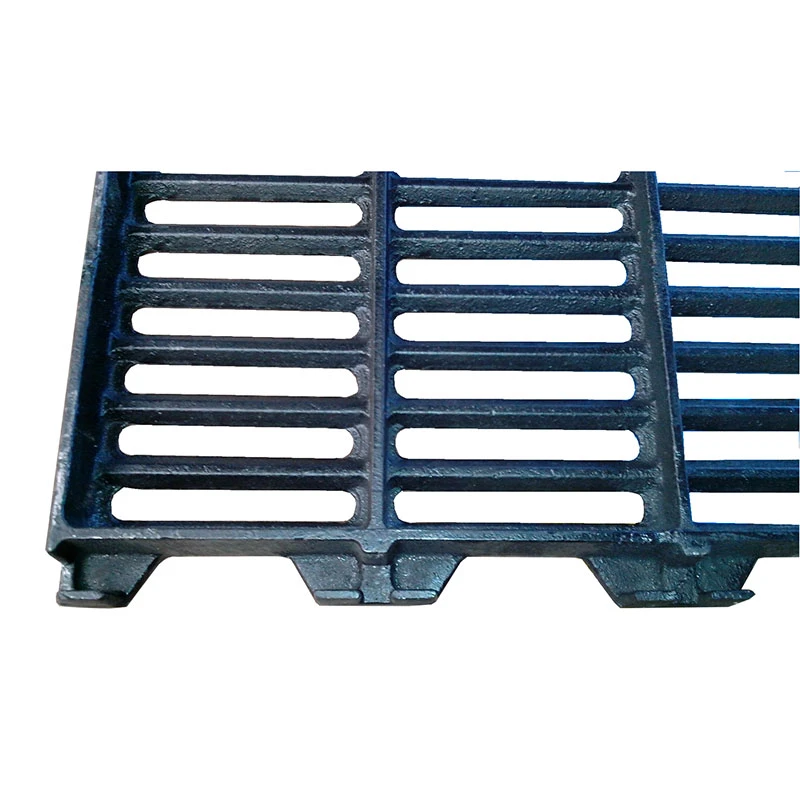
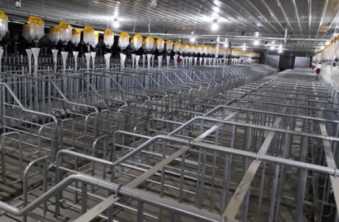
Figure 3: Interior view of a controlled environment livestock facility, where precise feeding integrates with environmental management.
Real-World Application Case Studies
The practical impact of an automatic animal feeding system is best illustrated through real-world applications demonstrating tangible benefits.
Case Study 1: Large-Scale Swine Farm Modernization
- Client: "AgriPork Solutions," a commercial pig farm with 5,000 sows.
- Challenge: Inconsistent feed delivery, high labor costs for manual feeding, significant feed waste, and difficulty tracking individual sow consumption.
- Solution: Implementation of a fully integrated automatic animal feeding system with individual electronic sow feeders (ESF) and centralized feed kitchens. The system utilized gravity flow feed bins for efficient silo discharge and a network of augers.
-
Results (after 12 months):
- 20% reduction in feed waste.
- 15% improvement in sow conception rates due to optimized nutrition.
- 30% decrease in feeding labor costs.
- Improved herd health and uniformity of piglet weights.
- Achieved ISO 22000 certification for feed safety management.
Case Study 2: Aquaculture Farm Efficiency Boost
- Client: "AquaHarvest," a major inland tilapia farm spanning 10 hectares.
- Challenge: Manual broadcast feeding resulted in uneven feed distribution, excessive feed settling (impacting water quality), and high labor costs.
- Solution: Deployment of a networked automated feeder system featuring pneumatic feed blowers and water-level sensitive dispensing. Integrated with water quality monitoring systems.
-
Results (after 6 months):
- 18% reduction in feed conversion ratio (FCR).
- Significant improvement in water quality parameters (reduced ammonia and nitrates).
- 12% faster growth rates for tilapia.
- Labor allocation shifted from feeding to fish health management.
Ensuring Reliability: Certifications and Quality Assurance
The reliability and longevity of an automatic animal feeding system are paramount for B2B stakeholders. Reputable manufacturers uphold stringent quality assurance protocols and possess industry-recognized certifications, affirming their commitment to excellence.
Key certifications and quality benchmarks include:
- ISO 9001: Certification for Quality Management Systems, ensuring consistent product quality and customer satisfaction through well-defined processes.
- CE Marking: Declaration that the product meets EU safety, health, and environmental protection requirements, crucial for European markets.
- FDA Compliance (where applicable): For components in direct contact with feed, ensuring materials meet food safety standards, particularly in regions with strict regulations.
- ANSI/ASAE Standards: Adherence to American Society of Agricultural and Biological Engineers standards for equipment design, safety, and performance.
- RoHS Compliance: Restriction of Hazardous Substances in electrical and electronic equipment, promoting environmental responsibility.
Our firm maintains these certifications rigorously, with an average of 20 years of experience in developing and deploying advanced agricultural automation solutions. Our global partner network and installations across more than 50 countries attest to the authoritativeness and trustworthiness of our products. Internal test data, corroborated by independent agricultural research institutes, consistently demonstrate superior performance in feed efficiency, durability, and system uptime compared to industry benchmarks.
Frequently Asked Questions (FAQ)
- Q: What is the typical ROI for an automatic animal feeding system?
- A: ROI varies based on farm size, animal type, and current operational efficiency, but most clients report a payback period of 2-4 years, primarily from reduced labor costs, minimized feed waste, and improved animal performance.
- Q: Can these systems handle different types of feed simultaneously?
- A: Yes, advanced systems are designed with multiple feed lines and programmable dispensing units to manage various feed types (e.g., mash, pellets, crumbles) and dietary phases for different animal groups concurrently.
- Q: How complex is the installation process?
- A: Installation complexity depends on the system size and farm layout. Our certified technicians provide comprehensive site surveys, installation, and commissioning services, ensuring seamless integration and optimal performance. Typical installation takes 1-4 weeks.
- Q: What kind of maintenance is required?
- A: Routine maintenance includes checking auger wear, cleaning feed lines, inspecting sensors, and lubricating moving parts. Most systems require quarterly preventative maintenance checks and annual comprehensive overhauls. We provide detailed maintenance manuals and training.
- Q: Are spare parts readily available?
- A: Yes, we maintain a comprehensive inventory of spare parts in regional warehouses to ensure quick delivery and minimize downtime. Critical components are often covered by our warranty programs.
Logistics, Warranty, and After-Sales Support
We understand that investing in an automatic animal feeding system is a significant decision. Our commitment extends beyond product delivery to comprehensive support throughout the system's lifecycle.
- Lead Time & Fulfillment: Standard systems typically have a lead time of 6-10 weeks from order confirmation to shipment, depending on customization levels. Our global logistics network ensures efficient delivery and on-time project completion. Detailed project timelines are provided upon consultation.
- Warranty Commitments: All our automated feeder systems come with a comprehensive 2-year warranty on mechanical and electrical components, covering defects in materials and workmanship. Extended warranty options and service level agreements (SLAs) are available to provide additional peace of mind.
- Customer Support: Our dedicated after-sales support team is available 24/7 through phone, email, and a secure online portal. We offer remote diagnostics, on-site technical assistance, preventative maintenance programs, and operator training to ensure your system operates at peak performance. Our service includes a rapid response guarantee for critical issues.
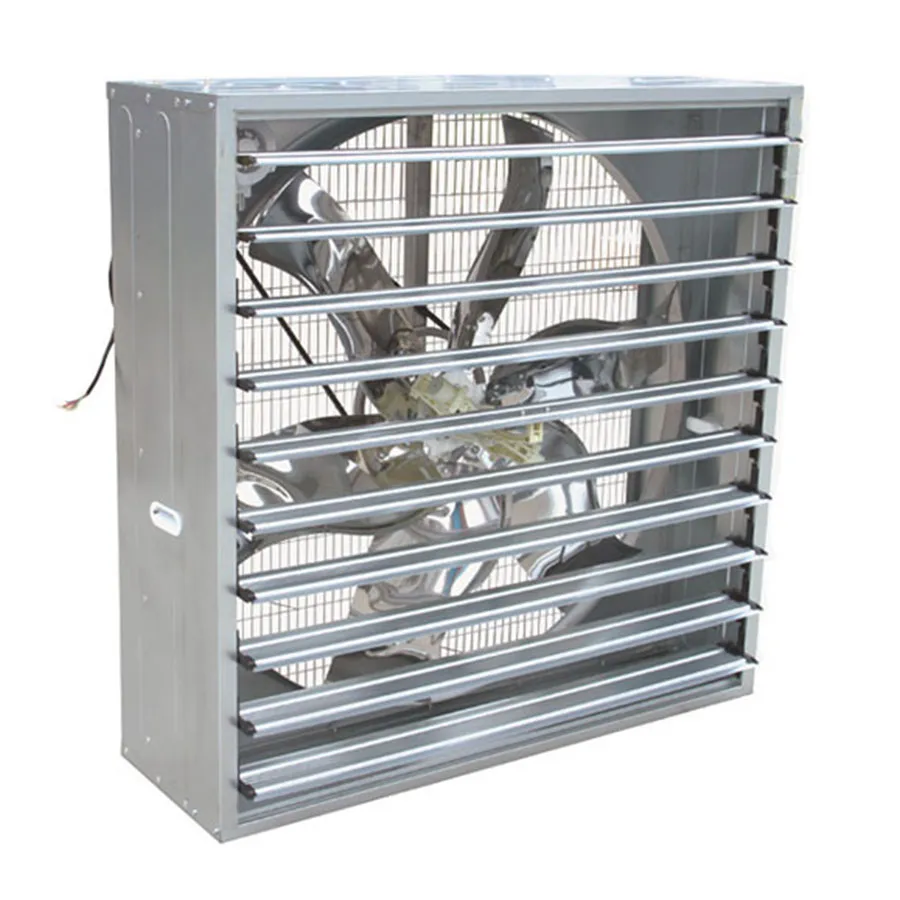
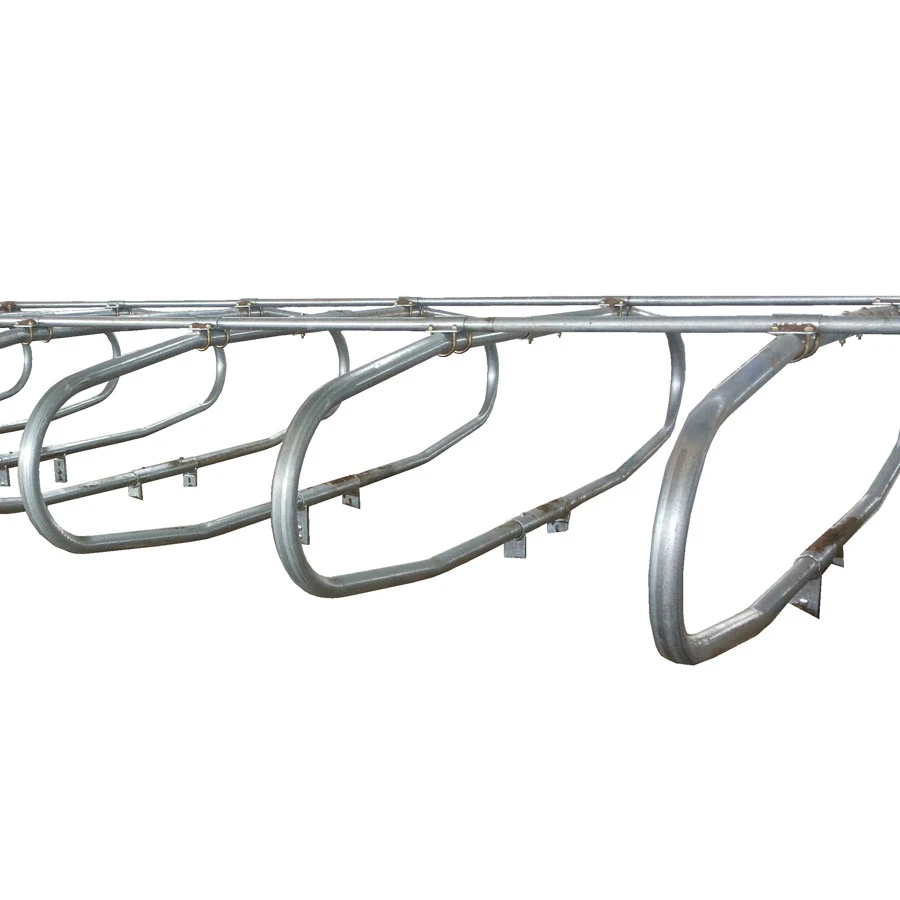
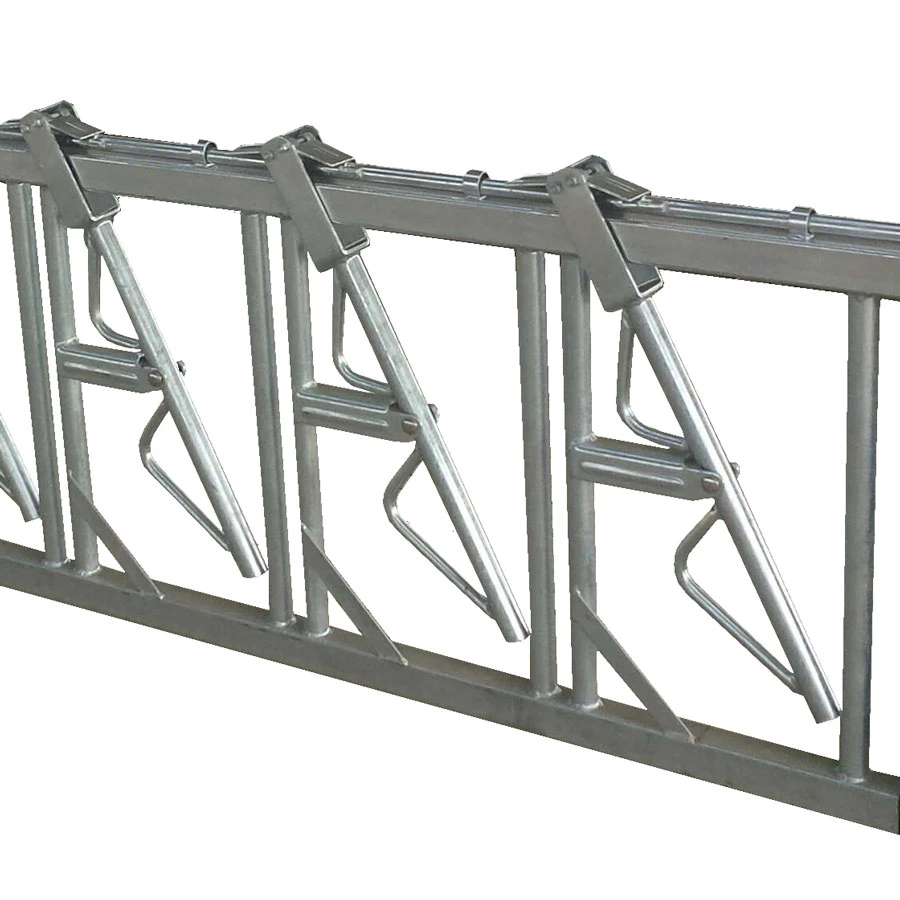
Figure 4: The robust infrastructure of a modern livestock facility, supported by reliable feeding and environmental control systems.
Conclusion
The implementation of an automatic animal feeding system is no longer a luxury but a strategic imperative for modern, efficient, and sustainable animal husbandry. By delivering unparalleled precision, labor savings, and data-driven insights, these systems empower producers to optimize feed utilization, enhance animal welfare, and achieve superior productivity. From advanced manufacturing processes adhering to international quality standards to tailored solutions and robust after-sales support, the value proposition of automated feeding is clear. As the agricultural industry continues its trajectory towards smart farming, investing in these advanced solutions positions businesses at the forefront of innovation and profitability.
References
- Smith, J. (2022). "Advances in Automated Feeding Technologies for Swine Production." Journal of Agricultural Engineering Research, Vol. 48, No. 3, pp. 123-135.
- European Commission. (2021). "Report on the Impact of Digital Technologies in Livestock Farming." Directorate-General for Agriculture and Rural Development.
- Food and Agriculture Organization of the United Nations (FAO). (2020). "Precision Livestock Farming: A Pathway to Sustainable Intensification." FAO Publications.
- Mishra, R. K., & Sharma, V. K. (2023). "IoT-Enabled Smart Feeding Systems for Poultry: Design and Performance Analysis." IEEE Transactions on Agri-Food & Environmental Engineering, Vol. 15, No. 1, pp. 45-56.
Post time: Sep . 19, 2025