Why Cow Feeding Equipment Matters to the World and Your Farm
At first glance, cow feeding equipment might sound like a niche topic — something only dairy farmers or ranchers wrangle with day-to-day. But zoom out a bit, and you see it’s a subtle linchpin in a much bigger picture. Feeding millions of cows efficiently affects food security, environmental sustainability, and rural livelihoods across continents. After all, cattle are a cornerstone of food systems, contributing to dairy, meat production, and even incomes in many developing countries.
Understanding and adopting the right cow feeding equipment is more than just buying a gadget. It’s about improving animal welfare, boosting productivity, cutting costs, and lowering environmental impact. Plus, with rising global populations and concerns over climate change, efficient feeding technologies are becoming an unsung hero of modern agriculture.
The Global Context: Why Feeding Cattle Efficiently is Crucial
Consider this: According to the United Nations Food and Agriculture Organization (FAO), livestock farming occupies about 30% of the earth’s ice-free land, supports 1.3 billion people, and drives 40% of global agricultural GDP. Yet, inefficient feeding often leads to wasted feed resources, poor animal health, and excess methane emissions linked to global warming.
In regions like Sub-Saharan Africa and South Asia, where cattle remain a lifeline against food insecurity, cow feeding equipment offers a way to modernize practices sustainably. In developed economies, precision feeding systems are reducing costs and environmental footprints simultaneously. The challenge remains: how to scale these benefits to smallholders and large farms alike, balancing technology, affordability, and local needs.
Oddly enough, one of the biggest hurdles is not the tech itself but the scattered awareness and adaptation. Skipping this step often means farmers fall behind, stuck in outdated, wasteful routines.
What Exactly is Cow Feeding Equipment?
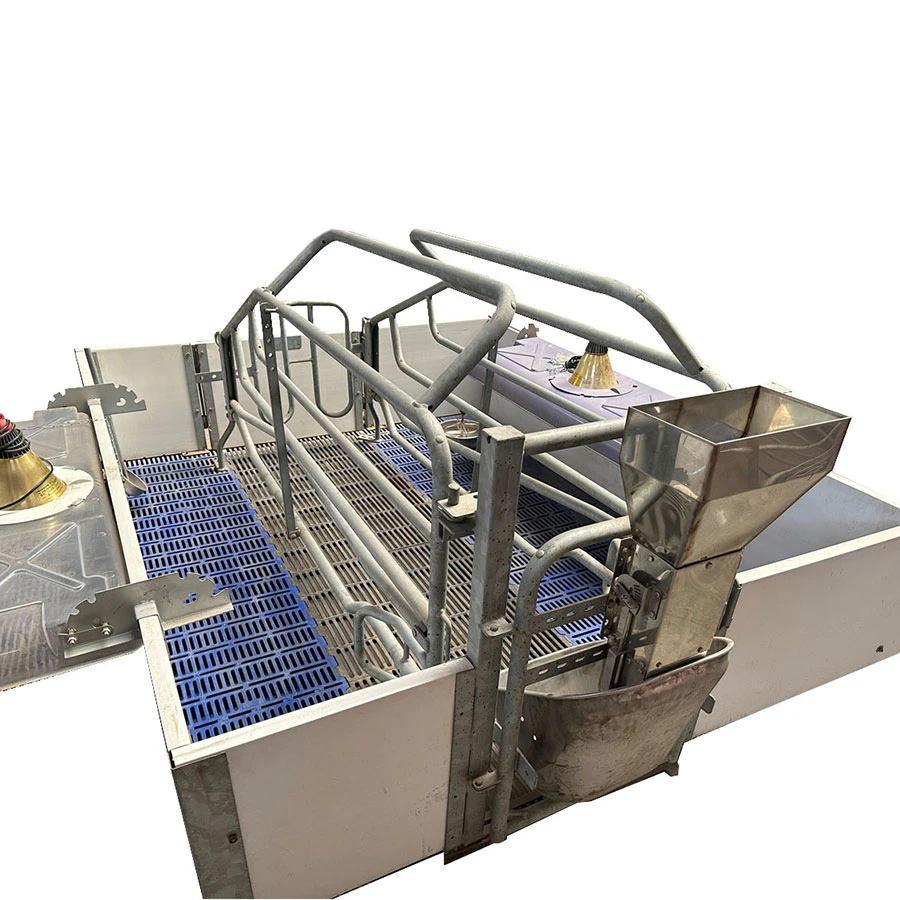
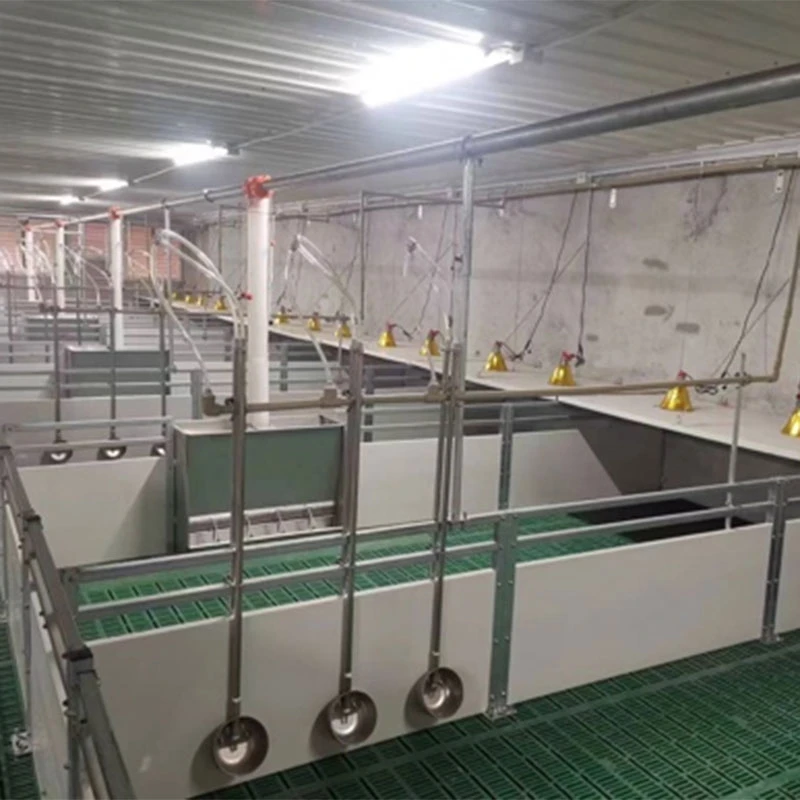
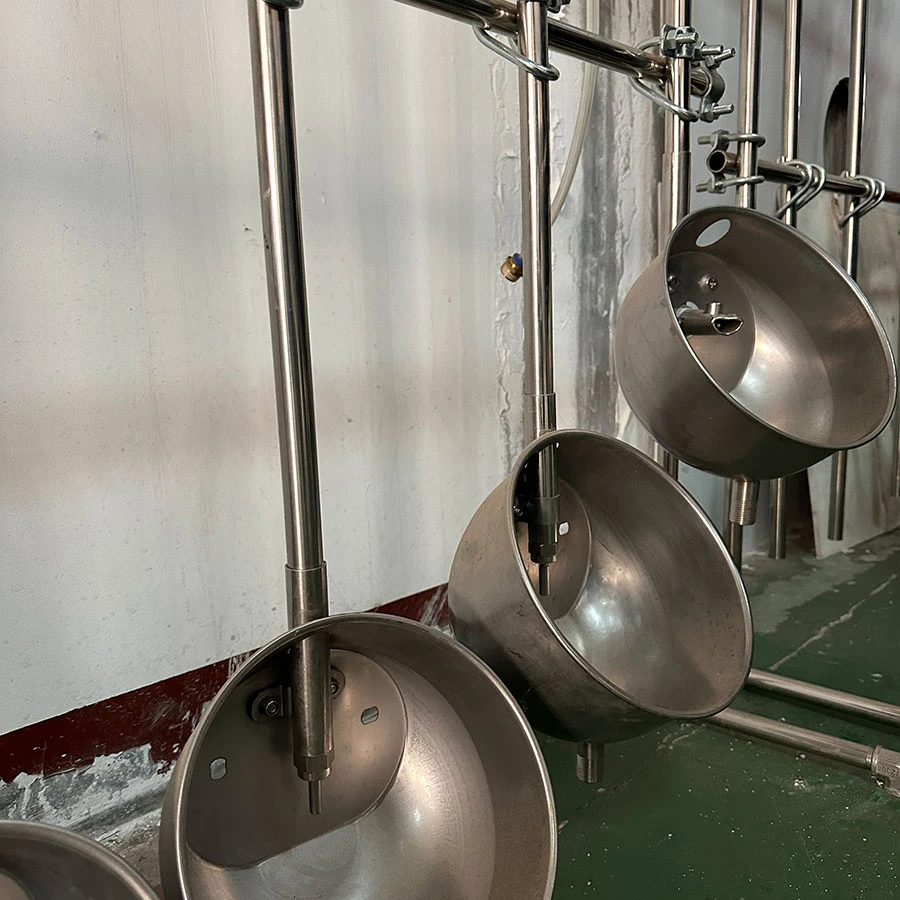
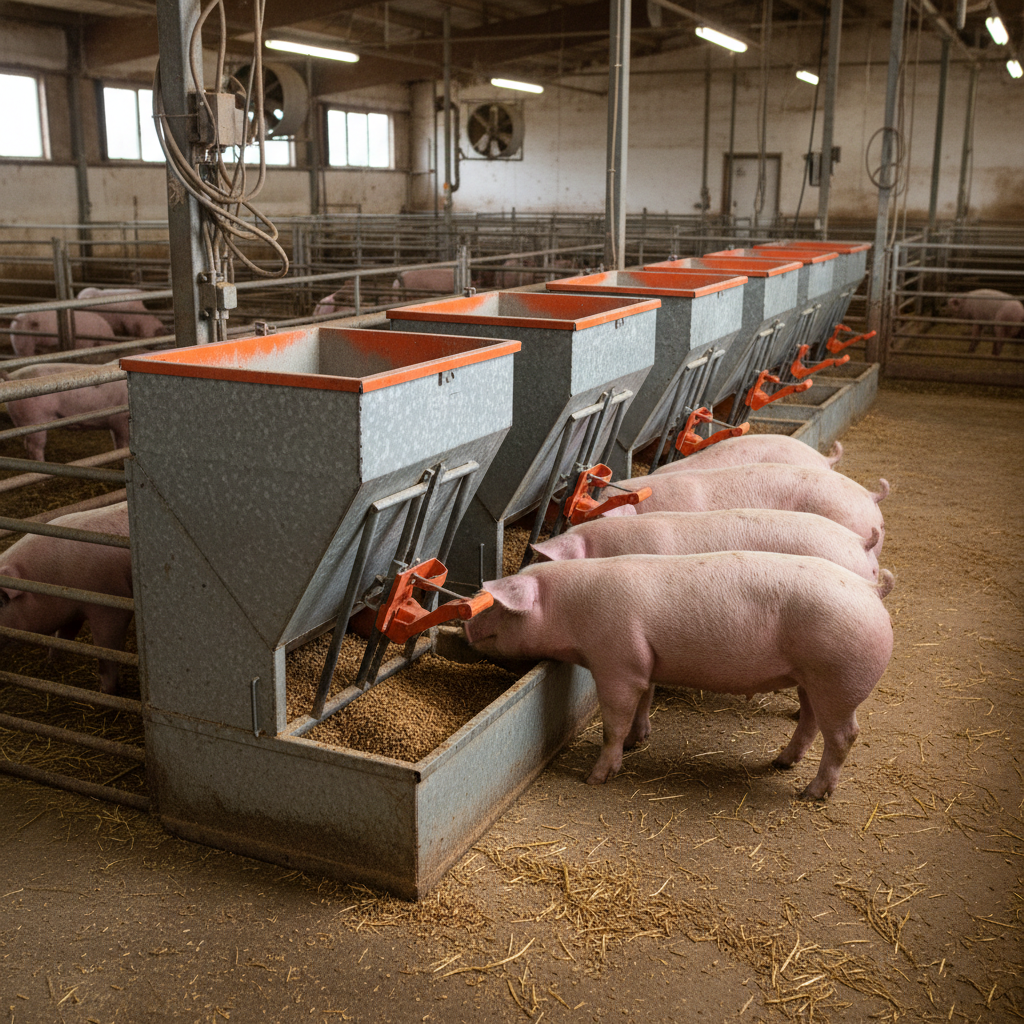
In simple terms, cow feeding equipment refers to any tool, machine, or system designed to deliver feed — whether hay, silage, grains, or supplements — to cattle effectively and safely. This can range from simple hay racks and feed troughs to more advanced automated feeders and mixing wagons.
Beyond just the physical machinery, the equipment often incorporates innovations in feed rationing, timing, and waste reduction. It plays a huge role in modern dairy and beef operations but also serves humanitarian needs, especially in disaster relief zones, where livestock feed delivery is critical for rural recovery.
Core Components That Make Quality Cow Feeding Equipment Stand Out
Durability
Farms are tough environments — mud, weather, livestock pressure. Equipment built from corrosion-resistant steel or heavy-duty plastics lasts longer. That means fewer replacements and less downtime.
Scalability
Whether for a small family farm or an industrial dairy, feeding equipment must scale up or down in capacity without sacrificing efficiency. Modular feed dispensers or adjustable troughs help here.
Cost Efficiency
Feed is expensive. Equipment that minimizes leftovers, spoilage, or waste saves money and improves feed conversion ratios, directly impacting profitability.
Ease of Cleaning and Maintenance
Regular cleaning prevents disease and contamination. Smooth surfaces and quick disassembly features are vital. Plus, equipment that’s simple to repair keeps farmers happy.
Automation & Precision
From simple timers to sensor-based feeding, smart systems can ration feed precisely per animal needs, improving growth rates and reducing environmental leakage.
Animal Comfort and Safety
Feeding structures must avoid injury risks to cows by having rounded edges, sufficient spacing, and non-toxic materials.
Global Examples of Cow Feeding Equipment in Action
In places like New Zealand, advanced rotary feeders and automated systems integrate with herd monitoring software, making large dairy farms models of efficiency. Meanwhile, NGOs working in East Africa have introduced simple but sturdy feed racks and mobile feeding carts to improve nutrition in drought-prone rural zones.
Post-disaster environments in South Asia often rely on quick-deploy feed dispensers that locals can operate and maintain with minimal training — helping maintain livelihoods when everything else is in flux.
Industries in northern Europe are exploring the use of solar-powered mixing wagons that blend and deliver feed on-site, slashing greenhouse emissions from fuel consumption in transport.
Quick Specification Table: Typical Cow Feeding Equipment Models
| Model | Capacity (kg/hour) | Material | Automation | Price Range (USD) |
|---|---|---|---|---|
| AgriFeed Pro 500 | 500 | Stainless Steel | Semi-automatic | $3,200 - $3,800 |
| FeedMaster 1200 | 1,200 | Galvanized Steel | Fully automated | $7,500 - $8,100 |
| EcoRation Basic | 300 | Recycled Plastic | Manual | $900 - $1,200 |
| SolarMix 750 | 750 | Aluminum & Solar Panels | Automated with solar power | $5,400 - $6,200 |
Comparing Vendors: What Should You Look For?
| Vendor | Product Range | Warranty | Customer Support | Sustainability Commitments |
|---|---|---|---|---|
| AgriTech Solutions | Wide, from manual to automated feeders | 3 years on parts | 24/7 hotline and on-site service | Uses recycled materials, solar options |
| FeedSys Corp | Specialized in precision feeders | 2 years | Email support, remote diagnostics | Invests in carbon offset programs |
| EcoFeed Innovations | Eco-friendly designs, small-scale focus | 1 year | Community-based training support | 100% biodegradable materials |
What Makes Cow Feeding Equipment Advantageous Over Traditional Methods?
- Cost savings: Precise feeding reduces feed waste — easily 10–20% savings.
- Animal health: Properly designed feeders limit injury and contamination.
- Labor efficiency: Automation frees up workers for other farm tasks.
- Environmental benefits: Less feed waste means fewer methane emissions and lower fertilizer runoff.
- Social impact: Supporting farmers with quality equipment helps rural economies stay afloat.
It’s not just logic or dollar signs; there’s something quietly reassuring about a farm that respects animal dignity and human effort with better tools. Trust comes from doing things right, feeding animals well, and investing in future resilience.
The Next Frontier: Innovations Shaping the Future of Cow Feeding Equipment
Automation is no longer a dream—many systems now integrate IoT sensors to track individual cow intake, linking directly to herd health data. Solar-powered feed mixers that run off-grid are gaining traction in sunny regions, reducing carbon footprints.
Materials technology is pushing towards biodegradable plastics and rust-proof alloys to blend durability with sustainability. Plus, precision nutrition, powered by AI, is tailoring feed mixes dynamically based on weather, milk output, and livestock age. The whole field is evolving fast.
Challenges Farmers Face & How to Tackle Them
Cost is a major barrier, especially for smallholders in emerging markets. Complex automation may intimidate or require technical skills farmers don’t have.
Also, infrastructure challenges such as erratic power and lack of spares can stall adoption. But many vendors now offer modular designs and easy-to-repair parts, and some NGOs provide training programs for local maintenance.
Ultimately, education and access matter as much as the gear itself. When farmers understand the “why” behind the equipment, they invest time and care into its use, yielding real improvements.
FAQ: Answers to Your Common Questions About Cow Feeding Equipment
- What types of cow feeding equipment are best for small vs large farms?
- Small farms often benefit from manual or semi-automatic feeders that are low cost and easy to maintain. Large farms need automated, scalable systems that handle bulk feed and integrate data for efficient herd management.
- How do automated feeders reduce feed waste?
- They dispense precise feed amounts on schedules, minimizing leftovers and spoilage. Sensors can adjust portions based on individual cow needs, improving feed conversion.
- Is it worth investing in solar-powered feeding equipment?
- In areas with unreliable electricity or high fuel costs, solar equipment can drastically reduce operating expenses and carbon footprint, making it a smart long-term choice.
- Can cow feeding equipment improve animal health?
- Yes, by providing clean, accessible feed without contamination risk, and ensuring consistent nutrition, such equipment supports better digestion and lowers disease incidence.
- Where can I find reliable suppliers of cow feeding equipment?
- Look for vendors with proven track records, solid warranties, and active customer support. Checking user reviews and consulting local agricultural extensions can help too.
Wrapping Up: The Feed for the Future Is Here
Cow feeding equipment might seem like just a piece of the puzzle, but it’s one that affects the farm’s heart — the nourishment of cattle for dairy and meat production. It has ripple effects from economics to environment, from animal welfare to social outcomes. The good news is that technology and awareness are finally catching up, making efficient, sustainable feeding more accessible than ever.
If you’re curious to explore cutting-edge solutions or want to upgrade your current setup, why not visit our website? There’s a whole world of options, designed with real farmers and the planet in mind.
After all, feeding cows well means feeding the world better.
References:
1. United Nations Food and Agriculture Organization (FAO) – https://www.fao.org/livestock-en
2. ISO Standards for Agricultural Machinery – https://www.iso.org/committee/54960.html
3. World Bank Data on Agriculture & Rural Development – https://data.worldbank.org/topic/agriculture-and-rural-development
Post time: Nov . 21, 2025