Gravity Feed Bins: What They Are and Why They Matter Today
When you hear the term gravity feed bins, you might picture something simple—just a giant funnel directing materials downward. But their role? Far from simple. Around the world, from sprawling agricultural fields in the American Midwest to disaster zones in Asia, gravity feed bins quietly solve a lot of problems related to storing and dispensing bulk materials. Whether it's grains, pellets, or other granular products, these devices tap into gravity to move materials with little to no mechanical input, making them energy efficient, reliable, and surprisingly versatile.
The reason they matter? Globally, food security and efficient material handling are massive challenges. According to the FAO, post-harvest losses dramatically affect food availability in many developing regions. Tools like gravity feed bins help reduce waste, improve storage life, and simplify logistics. And in humanitarian relief, their importance grows exponentially.
Mini takeaway: Gravity feed bins aren’t just storage units—they’re key components of smarter, more sustainable material flow systems worldwide.
The Global Context: Why Gravity Feed Systems Are Essential Now
If you zoom out and look at industries across continents, managing bulk material—whether farming supplies, plastic pellets, feedstock, or fertilizers—is fundamental. The International Organization for Standardization (ISO) sets guidelines around bulk material handling precisely because efficient storage and dispensing directly affect production costs and sustainability.
Take this headline figure: The World Bank estimates that food losses along supply chains can be as high as 30–40% in some countries. That's an enormous strain—not just on resources, but on economies and societies trying to feed their people.
Gravity feed bins address a big chunk of this issue by enabling passive, controlled discharge of materials, often in remote regions where power sources are unreliable. They help industries cut down reliance on costly mechanical feeders or conveyors which need maintenance, electricity, and constant oversight.
Defining Gravity Feed Bins: More Than Meets the Eye
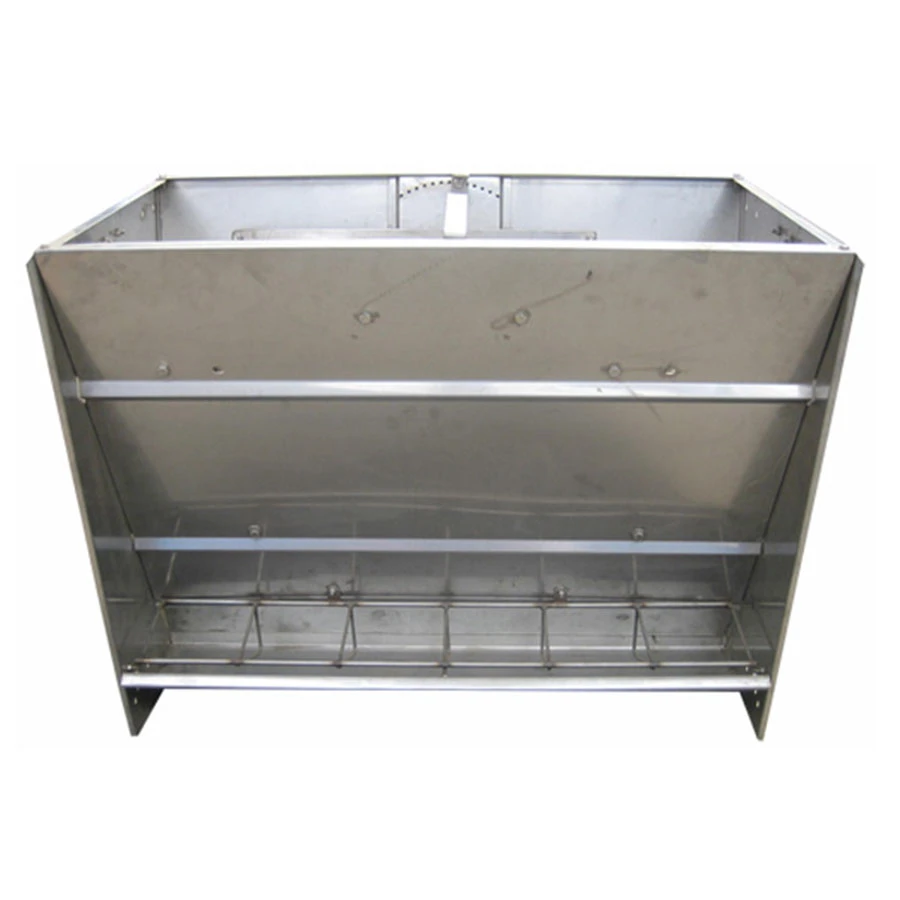
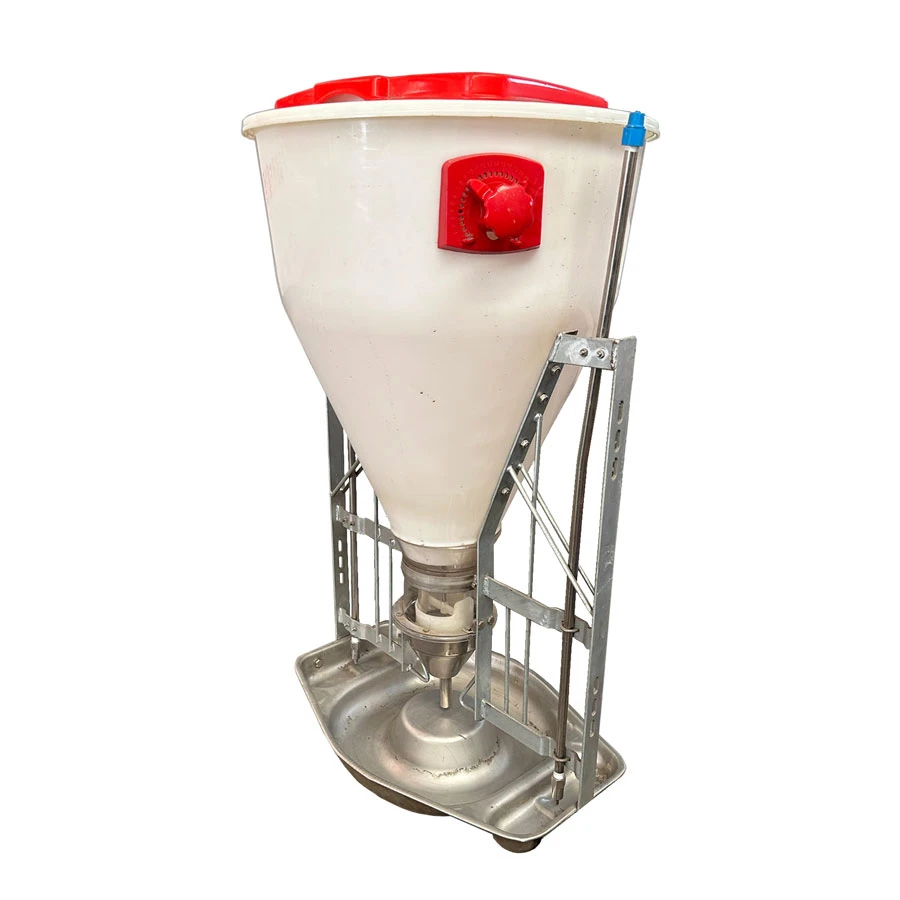
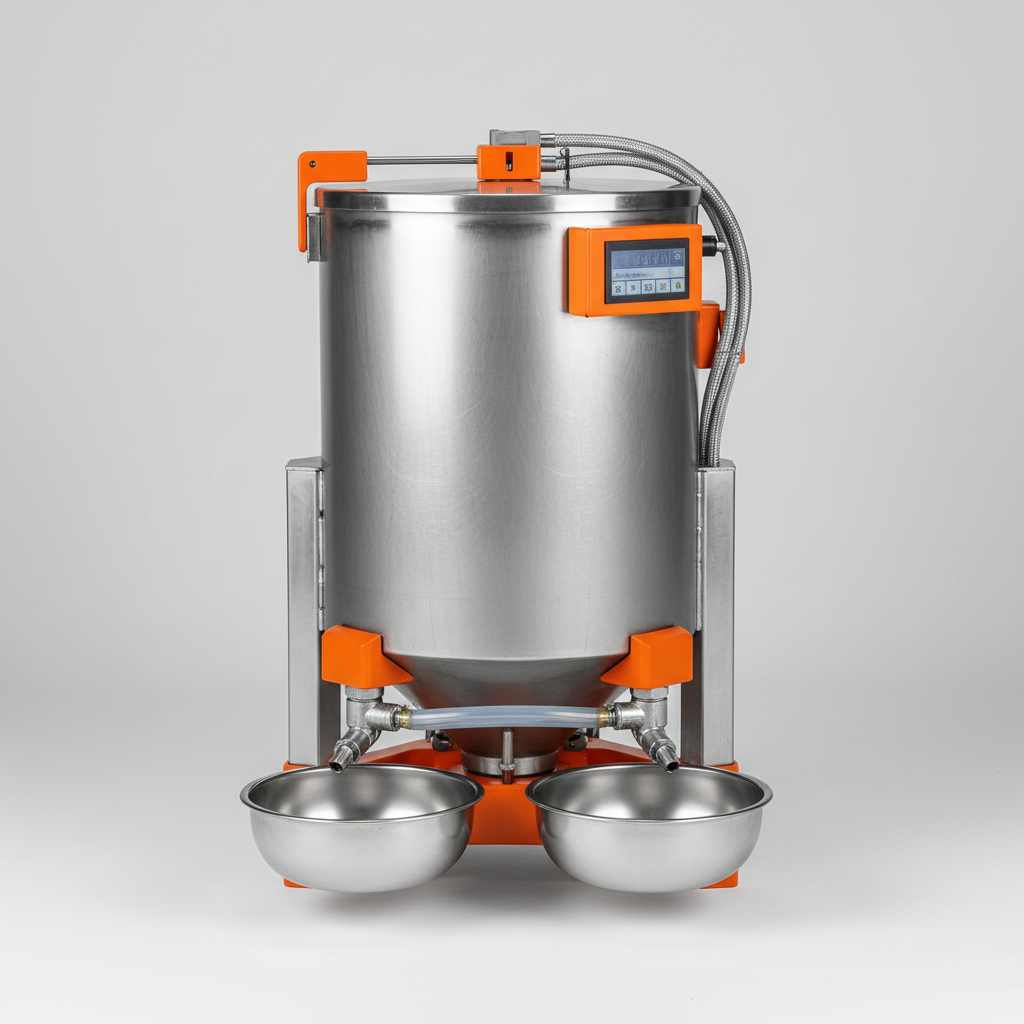
At its core, a gravity feed bin is a container designed to store bulk solid materials and dispense them downward under gravity’s pull. The design ensures materials flow out smoothly without clogging or bridging—a surprisingly tricky feat when the contents are powders, grains, or pellets that can behave unpredictably.
In modern industries, these bins integrate into supply chains by feeding materials directly into processing machinery or packaging lines. However, their connection to humanitarian or agricultural settings shouldn't be understated—imagine post-disaster relief airlifting grain bins that automatically dispense to communities, or remote farms where electrical power is non-existent.
Core Components and Key Factors of Gravity Feed Bins
1. Durability and Material Construction
Most gravity feed bins are made from steel, aluminum, or durable plastics. Material choice affects longevity, corrosion resistance, and how well the bin performs in harsh environments. For example, stainless steel is preferred in food-grade applications because it’s easy to clean and won’t contaminate contents.
2. Accurate Flow Control
One challenge is to ensure materials flow at the required speed without clogging. Features like tapered walls, vibration aids, or smooth internal coatings help prevent blockages. Engineers often spend time tweaking angles and materials to optimize flow consistency.
3. Scalability and Size Customization
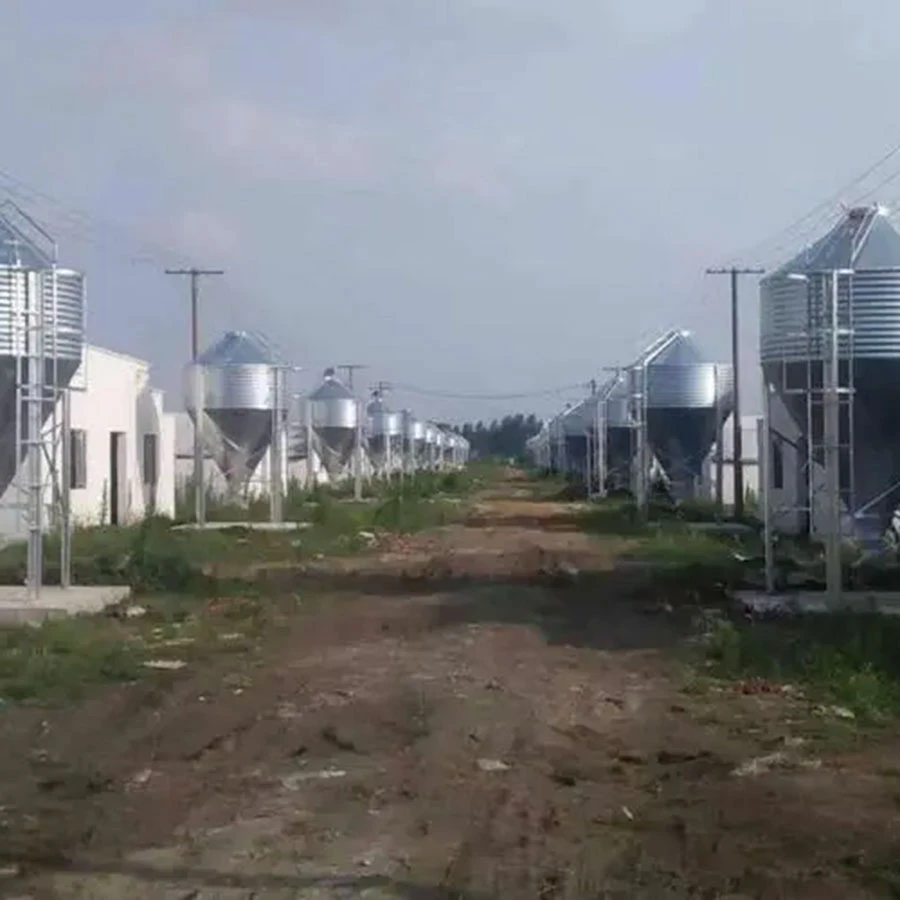
Bins range from a few hundred kilograms capacity to multi-tonne silos. Many industries need scalable solutions — small portable units for relief efforts, or huge stationary bins integrated into a production plant’s supply chain.
4. Cost Efficiency and Maintenance
Gravity feed bins require less power and fewer moving parts compared to mechanical feeders, lowering both operational costs and downtime risks. Nevertheless, smart design allows for easy cleaning and minimal upkeep, crucial for long-term usability.
5. Integration with Other Systems
Modern bins often incorporate sensors to measure fill levels or moisture content, connecting them to automated production lines or inventory management systems. This “smart bin” approach brings more precision and less waste.
Gravity Feed Bins in Action: Real-World Use Cases
You want real examples? Sure thing.
- In Remote Farming Regions: In parts of Sub-Saharan Africa, gravity feed bins enable farmers to store their harvested grains safely and dispense feed to livestock with minimal labor.
- Post-Disaster Food Security: Humanitarian organizations use gravity feed bins in emergency response, ensuring rapid and controlled distribution of relief grains or powdered nutrition supplements.
- Industrial Manufacturing: Plastic manufacturers rely on these bins to feed raw plastic pellets into molding machines without interruption, increasing throughput and reducing waste.
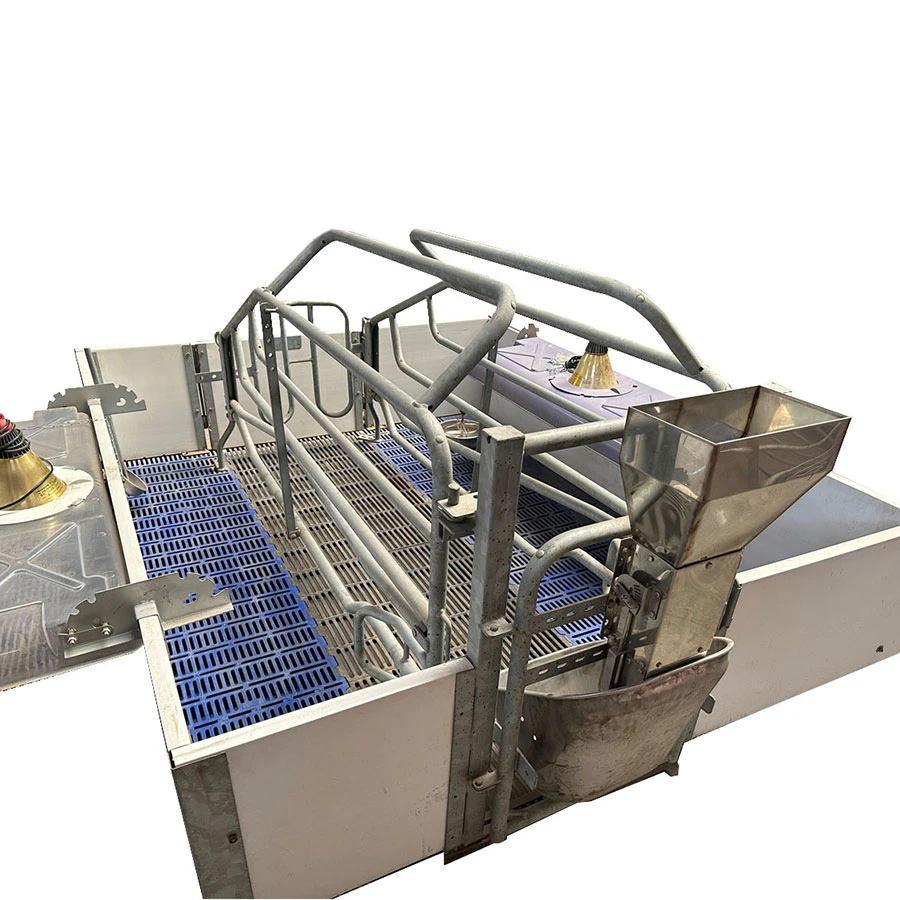
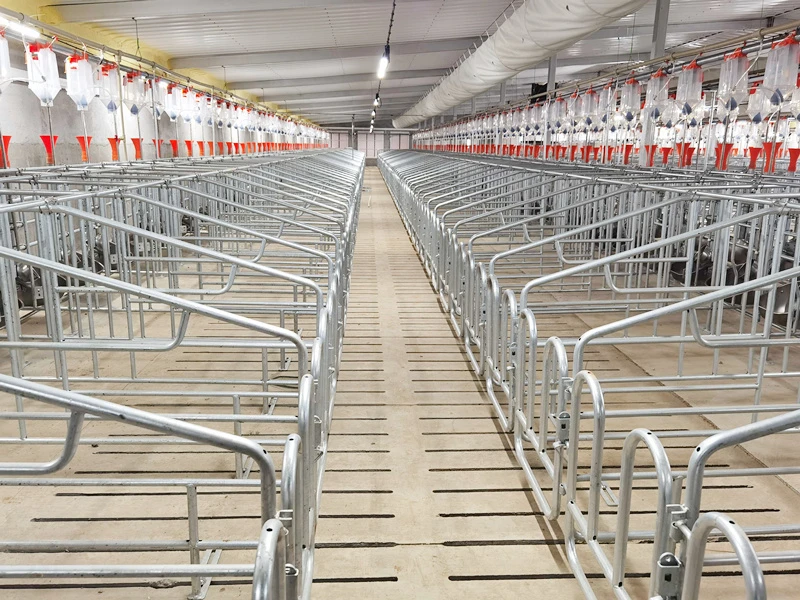
- Livestock Management: Large-scale farms use gravity-fed bins to provide consistent animal feed supplies, improving efficiency.
Mini takeaway: Whether it’s a rice paddy in Southeast Asia or a precision molding plant in Germany, these bins quietly keep materials flowing.
Advantages and Long-Term Value of Using Gravity Feed Bins
If you’re someone who’s handled materials bulk-style, what stands out is reliability. Gravity feed bins don’t fail often since they have so few moving parts. That leads to lower downtime and less maintenance headache.
Other huge advantages:
- Energy Efficiency: No motors running constantly, so operational power use dips.
- Cost Savings: Reduced equipment complexity frees up capital for other investments.
- Environmental Benefits: Less energy use means lower carbon footprints. Plus, reduced spill risk protects local ecosystems.
- Social Impact: In humanitarian scenarios, they mean dignity—controlled, equitable distribution rather than chaotic handouts.
Product Specification Table
| Specification | Standard Model A | Heavy-Duty Model B | Portable Model C |
|---|---|---|---|
| Material | Galvanized Steel | Stainless Steel | UV-Resistant Plastic |
| Capacity | 1,000 kg | 5,000 kg | 200 kg |
| Flow Control | Manual Gate Valve | Motorized Slide Gate | Slide Valve |
| Mobility | Fixed | Fixed | Portable with Wheels |
| Typical Use | Bulk Feed Storage | Industrial Processing | Field Distribution |
Future Trends and Innovations Shaping Gravity Feed Bins
Now, I know what you’re thinking: "Bins don’t sound glamorous." But oddly enough, innovation is very much alive in this space. Sustainability demands greener materials — think recycled polymers replacing steel for lighter, eco-friendlier options. Also, sensors are becoming game-changers. Smart bins track inventory in real time, automatically triggering reorder alerts or adjusting flow rates in response to humidity changes that could affect material quality.
And automation doesn’t stop there: AI-powered control systems predict flow interruptions before they happen, reducing costly unplanned downtime.
Challenges in Using Gravity Feed Bins and How to Overcome Them
Despite all their perks, gravity feed bins aren’t flawless. Too often, problems like “bridging” (where materials clog and form arches) or “rat-holing” (material sticks inside) plague users. The key lies in smart engineering designs such as angled hopper walls, internal liners, or vibration systems.
Environmental factors—humidity, electrostatic buildup—can also cause flow issues. But with integrated moisture sensors and regular maintenance, these challenges become manageable rather than deal-breakers.
Vendor Comparison: What Sets Leading Gravity Feed Bin Suppliers Apart?
| Vendor | Product Range | Customization Options | Global Support | Innovation Focus |
|---|---|---|---|---|
| BinTech Solutions | Standard & Heavy-Duty Units | High | Worldwide, 24/7 | Smart sensor integration |
| AgriFeed Technologies | Portable & Modular | Medium | Focus: Developing Regions | Lightweight, UV-resistant materials |
| Global Feed Systems | Industrial Bulk Bins | High | Extensive regional offices | AI predictive maintenance |
Frequently Asked Questions About Gravity Feed Bins
Q1: What are the benefits of using gravity feed bins over motorized feeders?
A: Gravity feed bins operate without consuming electrical power, which means they are more energy-efficient and require less maintenance. Fewer moving parts also translate to higher reliability, especially in remote or harsh environments. While motorized feeders allow precise control, gravity bins offer simplicity and durability that many industries prefer.
Q2: Can gravity feed bins handle different types of bulk materials?
A: Yes, they can handle a wide range of materials such as grains, pellets, powders, and feed. However, the bin design—including hopper shape, flow aids, and gate types—must be tailored to the specific material characteristics to prevent clogging or inconsistent flow.
Q3: How are gravity feed bins used in humanitarian aid?
A: Gravity feed bins can be rapidly deployed in disaster-affected areas to store and dispense food staples or seeds safely. Their passive operation allows even communities without reliable electricity to distribute supplies efficiently and fairly, which helps maintain dignity and order during relief efforts.
Q4: What maintenance do gravity feed bins require?
A: Regular inspections to ensure flow paths are clear, cleaning to prevent contamination, and checking seals and gates to avoid leaks typically suffice. Proper maintenance prolongs the bin’s lifespan and keeps flow rates consistent.
Q5: Are gravity feed bins customizable?
A: Absolutely. Many vendors offer customizable options such as size, material construction, gate types, and sensor integration, allowing bins to fit specialized industrial processes or environmental demands.
Wrapping Up: Why Gravity Feed Bins Are Worth Your Attention
In the grand scheme of supply chains and food systems, gravity feed bins might not get a standing ovation. But their quiet efficiency creates ripples — less waste, more reliability, and better distribution globally. Whether you’re into industrial manufacturing, agricultural innovation, or humanitarian logistics, these bins offer a straightforward solution that also aligns with sustainability and cost objectives.
If you're curious to explore how gravity feed bins can upgrade your operations or projects — give our site a visit at gravity feed bins. Sometimes, the simplest solutions have the biggest impact.
References
Post time: Dec . 02, 2025