Understanding Hog Feeders: Small Devices with a Big Impact on Global Livestock Farming
At first glance, a hog feeder might look like a simple trough, but its role in modern pork production and small-scale animal husbandry is anything but. These devices shape how efficiently farmers feed their herds, optimize growth, and reduce waste — critical factors in feeding an expanding global population while preserving resources. With global pork production reaching over 120 million metric tons annually (FAO, 2023), the humble hog feeder becomes a linchpin for sustainable and profitable farming worldwide.
The Global Significance of Hog Feeders in Livestock Management
Did you know that pork accounts for nearly 40% of world meat consumption? This staggering number underscores why optimizing every step in the supply chain matters — starting with how pigs are fed. The hog feeder helps tackle a common challenge facing producers globally: balancing feed efficiency with animal welfare and environmental concerns. According to the UN’s Food and Agriculture Organization (FAO), feed costs represent up to 70% of total pig-farming expenses, so even minor improvements in feeder design or operation can translate into huge cost savings and reduced environmental footprint.
However, traditional feeding practices often lead to waste, contamination, and uneven nutrition distribution — which is why innovation in hog feeders is attracting fresh attention from both large agribusinesses and smallholder farmers.
What Exactly Is a Hog Feeder?
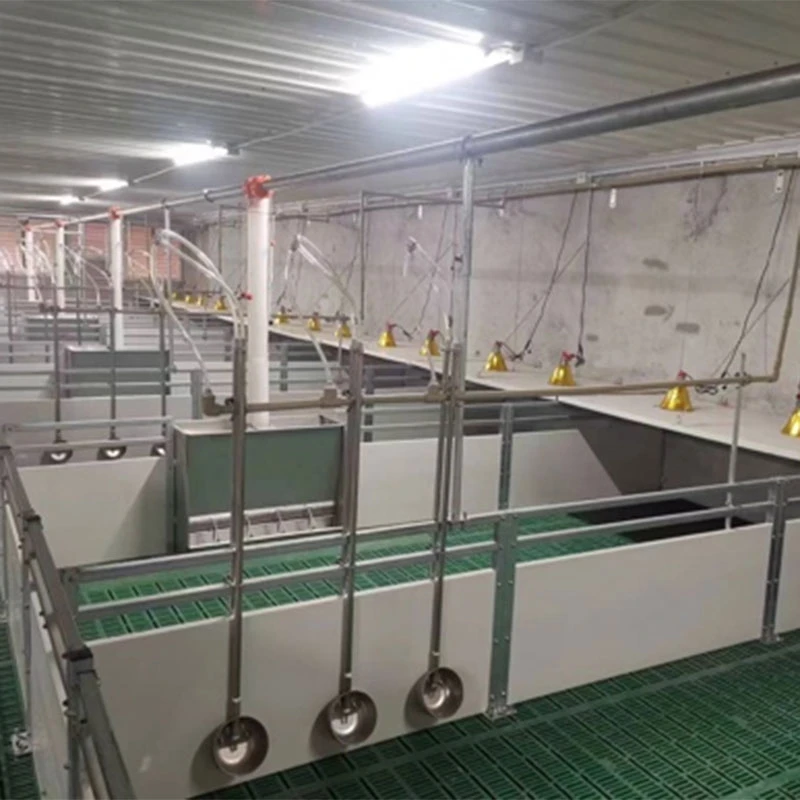
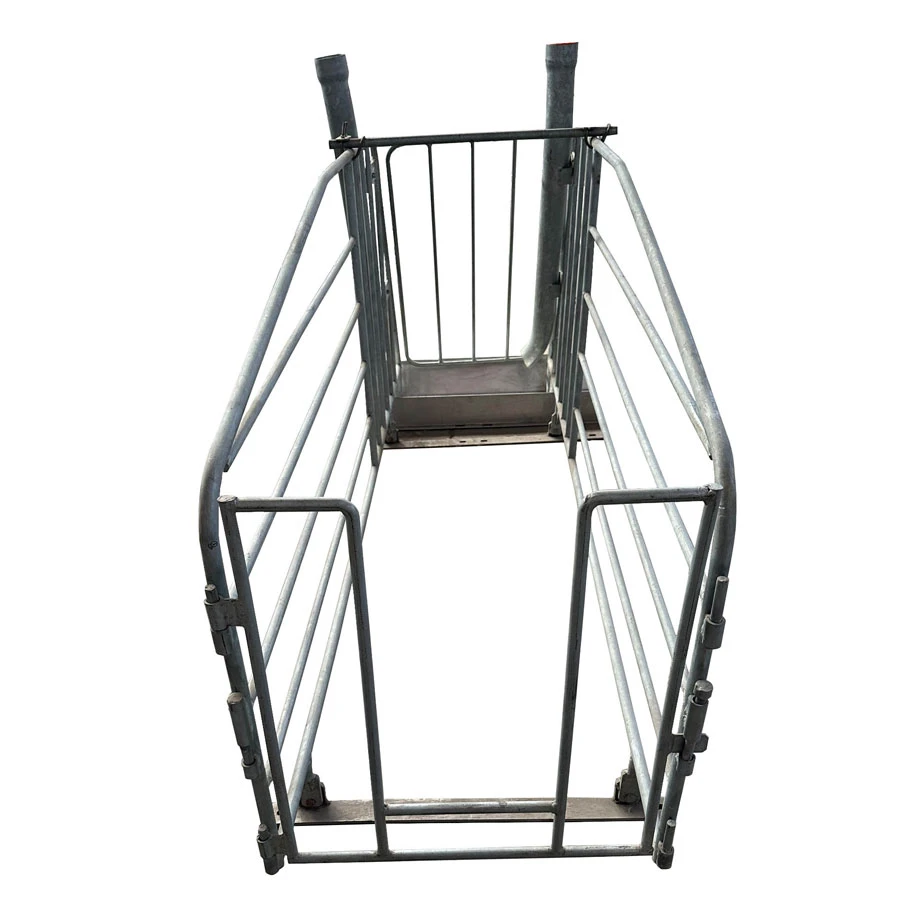
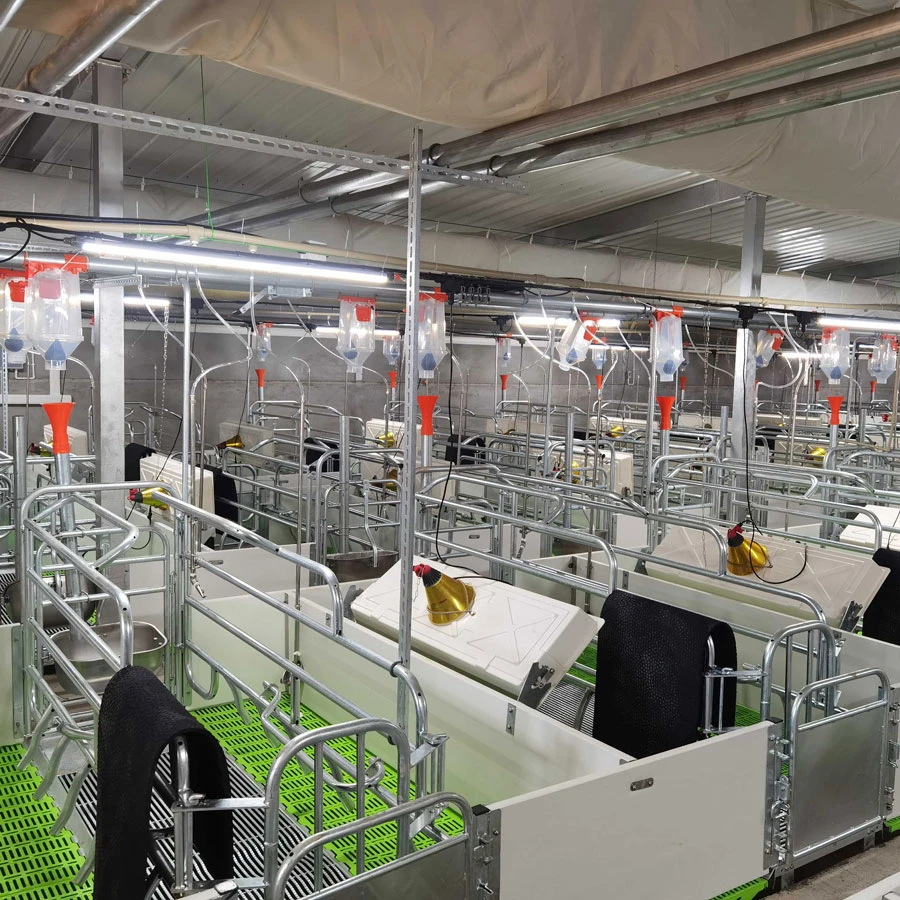
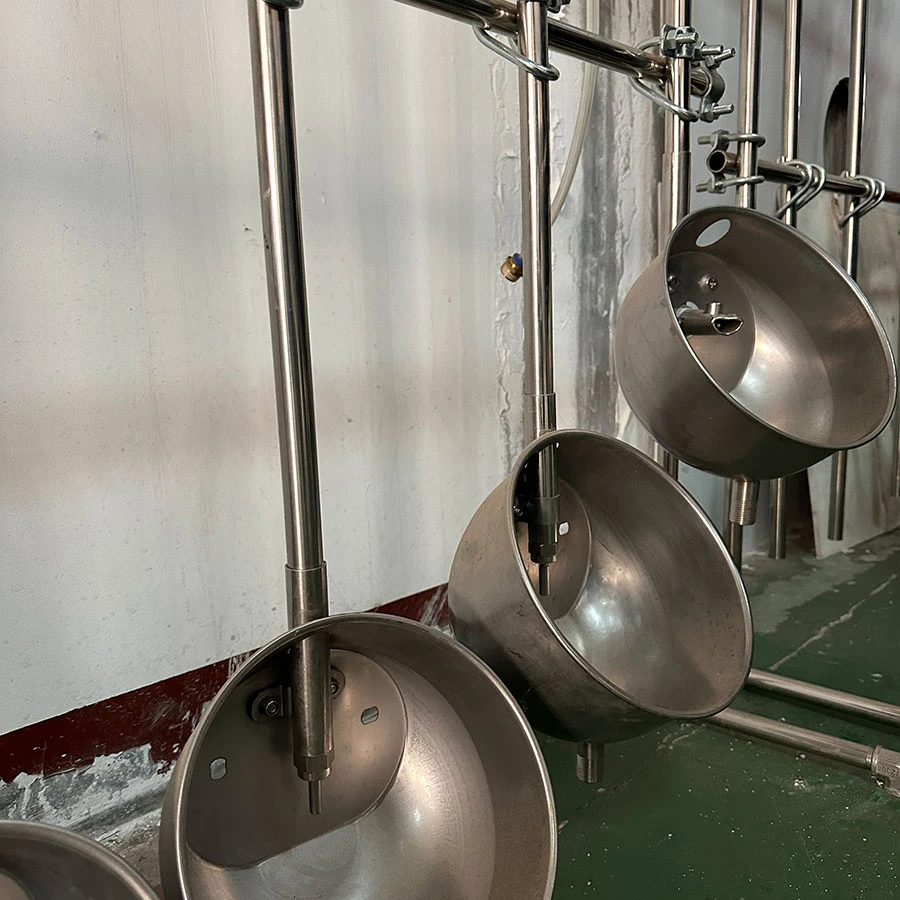
Simply put, a hog feeder is a device designed to deliver feed to pigs in a controlled, hygienic, and efficient manner. Unlike makeshift feeding troughs, modern hog feeders aim to minimize spillage, prevent feed contamination, and ensure pigs can access food without aggression or injury. In industrial contexts, some feeders even incorporate automation and sensors, connecting the humble trough to the digital age.
In many ways, the hog feeder is emblematic of the broader modernization of livestock farming — moving from manual, labor-intensive operations to data-informed systems that support animal welfare and environmental stewardship.
Key Components Defining a Quality Hog Feeder
1. Durability & Material Choice
Many engineers swear by feeders constructed from galvanized steel or heavy-duty plastic composites. These materials resist rust, weather extremes, and the occasional curious nibble from pigs. Durability extends feeder lifespan, reducing replacement frequency — which, frankly, saves a lot of hassle and money over time.
2. Feed Flow Control
Good feeders offer adjustable flow gates or mechanisms that regulate how much feed pigs can access at once. This limits waste from overfeeding and discourages hogs from scattering pellets — which, if left unattended, attract pests or cause unsanitary conditions.
3. Scalability & Capacity
Farmers require feeders sized for their herd — from small backyard setups to large-scale industrial barns. Many find modular feeder designs especially useful, enabling quick expansion as herd sizes grow without replacing entire systems.
4. Ease of Cleaning & Maintenance
Because pigs are messy eaters (no surprises there), easy-to-clean feeders help maintain hygiene and reduce disease risk. Feeders designed to be disassembled without tools or with smooth edges prevent mold buildup and bacterial growth.
5. Animal Welfare Features
Modern hog feeders consider pig behavior — separating feeding spots, preventing crowding or fighting, and even integrating anti-waste covers or protective edges that ensure safety and comfort.
Typical Hog Feeder Specification Table
| Specification | Description |
|---|---|
| Material | Galvanized steel or BPA-free plastic |
| Capacity | 50 - 300 lbs (22.6 - 136 kg) feed per unit |
| Feed Flow Control | Adjustable gates or sliding doors |
| Dimensions | 24" x 18" x 12" standard (varies) |
| Cleanability | Tool-free disassembly, smooth edges |
| Weight | 20-40 lbs (9-18 kg) |
How Hog Feeders Are Shaping Livestock Farming Around the World
From the small farms of Southeast Asia to industrial pork producers in North America and Europe, hog feeders have an incredibly diverse range of applications. In emerging economies, affordable, durable feeders help family farmers raise healthier pigs with less feed waste, supporting food security and livelihoods. Oddly enough, even in sophisticated industrial setups, many farms replace or retrofit feeders regularly to reduce downtime and improve feed conversion ratios (FCR).
In regions affected by natural disasters — for instance, parts of Sub-Saharan Africa — NGOs have introduced hopper-style feeders in rearing centers to maximize hygiene and minimize labor. It’s fascinating how a simple technology crosses cultural and economic boundaries, acting as a foundation for food systems resiliency.
Vendor Comparison: Popular Hog Feeder Models in 2024
| Vendor/Model | Material | Capacity (lbs) | Price Range (USD) | Special Features |
|---|---|---|---|---|
| AgriPro SteelFeeder 200 | Galvanized steel | 200 | $120 - $150 | Adjustable hopper, rust-resistant coating |
| FarmEase PlasticFeeder 150 | Heavy-duty polypropylene | 150 | $90 - $110 | UV-resistant, easy disassembly |
| EcoFeed ModularPro 300 | Recycled plastic composite | 300 | $180 - $210 | Modular design, anti-waste lip |
Advantages and Long-Term Value of Using a Well-Designed Hog Feeder
It might sound obvious that feeding hogs efficiently is beneficial, but the level of impact surprises many. A quality hog feeder reduces feed loss by up to 20%, directly slashing expenses. For family farms, that difference can be the margin between profit and struggle. Additionally, less wasted feed means fewer leftover pellets rotting on the floor — reducing pests, contamination, and disease risks.
On a larger scale, improving feed efficiency lowers the carbon footprint of pork production, a win for sustainability and corporate responsibility programs alike. There’s also a strong “soft” benefit: pigs experience less stress because good feeders reduce competition and injury potential, leading to healthier herds and better meat quality.
Emerging Trends & Innovations in Hog Feeding Systems
Automation and IoT are making their way into the world of hog feeders — with some farms using smart feeders that track feed intake, adjust serving sizes, and even monitor pig health indicators. These systems feed data into broader farm management platforms, helping managers make real-time decisions. Also, materials with better recyclability and bio-based plastics are gaining traction, reflecting growing environmental concerns.
Robot-assisted cleaning and sterilization cycles are being tested in high-end facilities, aiming to reduce labor intensity and maintain strict hygiene standards with minimal downtime.
Common Challenges and How to Overcome Them
While great hog feeders exist, challenges remain: feed contamination from moisture, damage from boar aggression, and initial cost barriers for smallholders. One solution gaining popularity is combining durable materials with modular designs, allowing farmers to upgrade parts instead of whole units. Education on feeder placement and regular maintenance can drastically extend feeder life and function.
FAQ: Practical Questions About Hog Feeders
1. What’s the best material for a hog feeder in humid climates?
For humid areas, galvanized steel with anti-rust coating or UV-stabilized plastics work best. These materials resist moisture, preventing corrosion and mold growth that can spoil feed or harm pigs.
2. How do automated hog feeders improve farm productivity?
Automated feeders dispense precise feed amounts at scheduled times, reducing waste and ensuring consistent nutrition. Some systems also collect data on individual pig consumption, which helps detect health issues early.
3. Can small-scale farmers afford commercial hog feeders?
Many vendors offer affordable, durable options scaled for small farms. Additionally, programs through NGOs or co-ops often subsidize feeders to support local farmers and improve food security.
4. How often should feeders be cleaned?
Ideally, feeders should be cleaned weekly to prevent mold buildup and pest infestation. Feeders with simple disassembly features make this task easier, encouraging regular maintenance.
5. Are modular hog feeders really worth the higher upfront cost?
Though more expensive at purchase, modular feeders offer flexibility and easier repairs, reducing long-term replacement costs. Many farmers find them more economical over multiple years.
Wrapping Up: Why Investing in a Good Hog Feeder Makes Sense
In an era where every kilogram of feed counts and animal welfare is rightly prioritized, the right hog feeder is more than an accessory — it’s an essential part of modern farming. Improved efficiency, better health outcomes for hogs, and a smaller environmental footprint all add up to something worth considering seriously. For those running any scale of pig operation, exploring better feeder options could be the upgrade that brings both peace of mind and profit improvement.
Whether you’re dialing in your family farm setup or managing industrial-scale pork production, remember: a well-chosen feeder isn’t just about food delivery; it’s about smarter livestock stewardship. Curious to check out some of the latest models? Head over to our website and browse a live selection designed for real-world farms.
Mini Takeaway:
- Hog feeders play a crucial role in livestock feed efficiency and animal welfare.
- Material durability and feed flow control are must-have features.
- Innovations like automation and recyclable materials are shaping future feeder designs.
- Regular cleaning and maintenance ensure longevity and hygiene.
References
Post time: Dec . 02, 2025