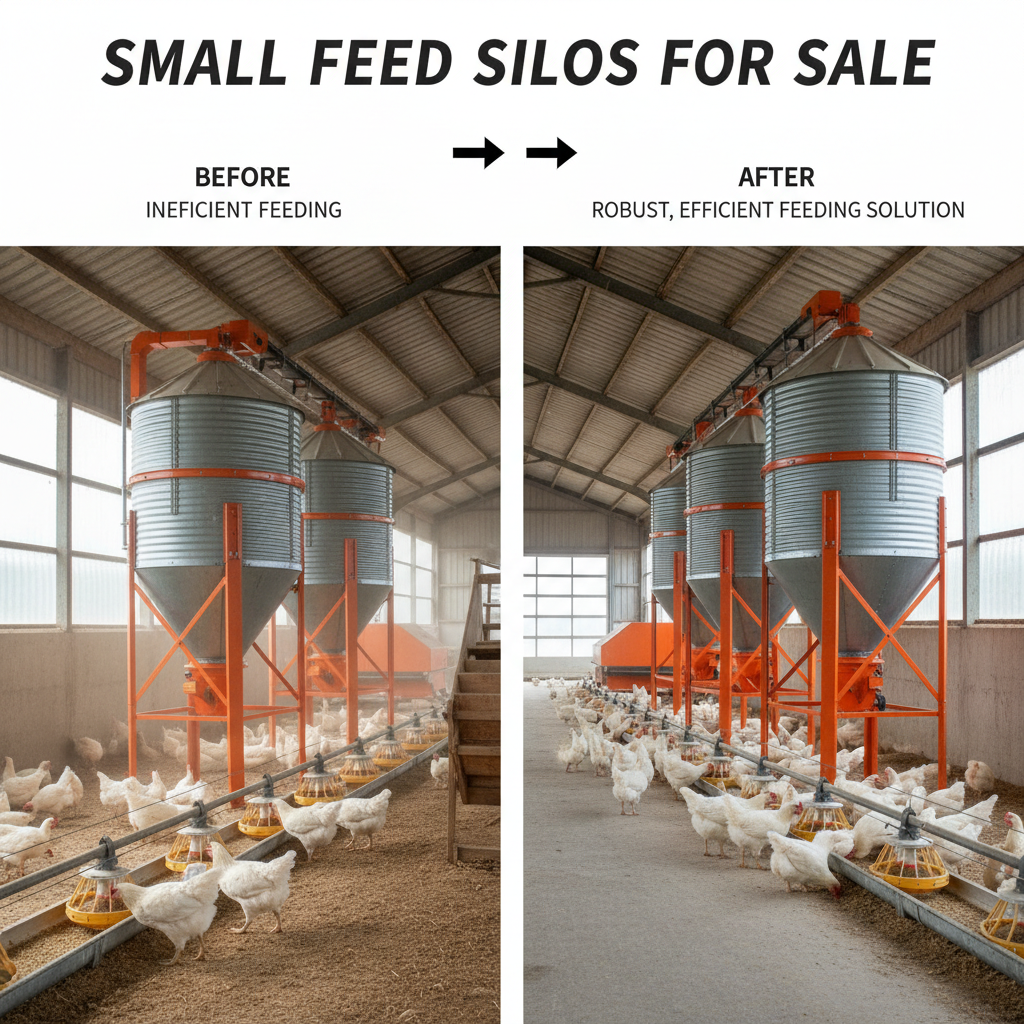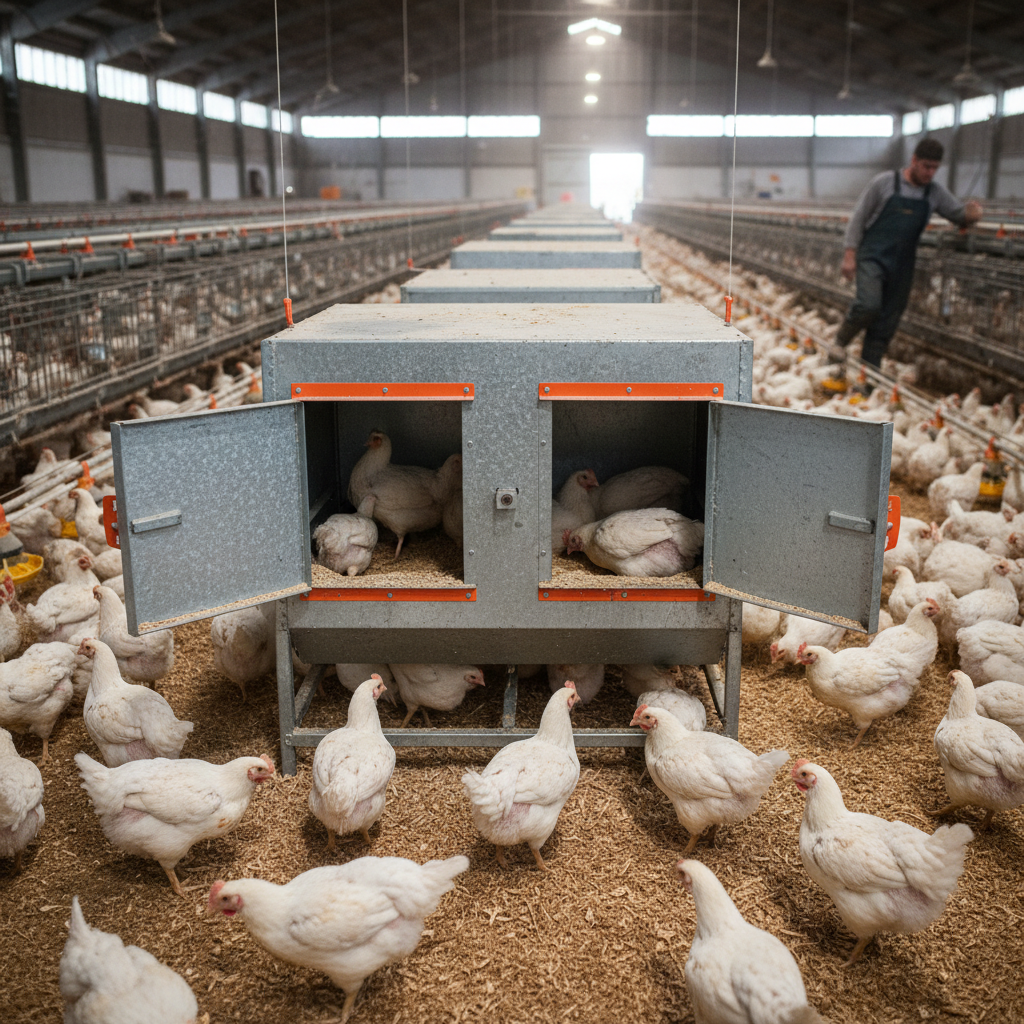
What’s a Small Silo for Feed and Why Should You Care?
At first glance, a small silo for feed might sound like just another niche farming gadget. But let me tell you—it’s far more important than it seems globally. These little storage giants pack a punch when it comes to sustainable livestock farming, efficient feed handling, and even disaster relief. Understanding them means better feed security, reduced waste, and smoother operations on farms large and small.
Small Silos for Feed: A Snapshot of Their Global Significance
The global livestock sector feeds billions, and with it, the demand for efficient feed storage solutions is climbing rapidly. According to the Food and Agriculture Organization (FAO), roughly 33% of global grain production is used for animal feed. Now, storing that feed safely—without spoilage or pest infestation—is crucial to food security, especially in developing countries where infrastructure can be patchy. That’s where small silos come in.
They tackle storage challenges by offering accessible, scalable, and sometimes mobile storage facilities. Consider post-disaster zones where supply chains are disrupted, a compact silo can preserve precious feed and aid livestock survival. Or remote farms where large silos would be impractical or cost-prohibitive.
Mini takeaway: Small silos for feed address global challenges of feed preservation and distribution by providing versatile, efficient solutions with wide-reaching impacts.
Defining the Small Silo for Feed
Simply put, a small silo for feed is a compact storage unit designed to hold livestock nutrition supplies such as pellets, grains, and mash. Usually ranging from a few hundred kilograms to several tons in capacity, these silos are intentionally sized for small-to-medium-scale farms or situations requiring movable storage.
Unlike massive concrete or steel grain elevators, the small silo is focused on efficiency, portability, and cost-effectiveness. Generally constructed from galvanized steel, aluminum, or durable polymer composites, these units protect feed from moisture, pests, and spoilage. They're vital in modern agribusiness and also play a role in humanitarian efforts to maintain food supply chains.
Key Components That Make Small Silos Tick
1. Durability
Small silos are exposed to the elements — rain, sun, wind — so material choice matters. Galvanized steel is common, offering corrosion resistance and years of service. Some manufacturers even add UV-protective coatings or paint treatments to extend lifespan.
2. Scalability & Portability
One of the best things about smaller feed silos is adaptability. Many are designed to be stackable or modular, allowing farmers to start small and upgrade as needed. Portable silos with wheels or forklift pockets make relocation easier when fields or operations change.
3. Cost Efficiency
The investment isn’t just in the silo but also in reduced feed waste. With proper airtight sealing, oxidative spoilage is minimized, thus saving money. Smaller silos reduce initial costs compared to bulk silos, making it a smarter buy for emerging farms and nonprofits.
4. Ease of Maintenance
Simple cleaning and maintenance are often overlooked but essential. Designs with rounded interiors prevent feed clumping, and accessible lids or hatches allow quick inspections and refills. Prevention of rodent entry via secure seals or mesh grills is common.
5. Versatility in Feed Types
Whether it’s pellets, corn kernels, or mash feed, small silos accommodate different feed forms without manual handling hassles. Some come with customizable conveyor or auger hookups for automated feeding.
Mini takeaway: The combination of durability, cost-effectiveness, and design flexibility makes small silos a practical storage solution adaptable to widely varying farm needs.
Practical Uses Around the World
From the dry plains of Kansas to the tropical farms of Southeast Asia, small silos help farmers everywhere keep feed fresh and accessible. In Africa, NGOs often use these silos during drought relief campaigns—they’re inexpensive, transportable, and protect feed from sudden weather changes. In Europe and North America, family farms rely on them for their efficiency and space-saving design.
Industries using small silos include:
- Livestock and poultry farms
- Dairy operations requiring consistent ration delivery
- Aquaculture feed storage
- Emergency and relief organizations managing supply chain disruptions
Example: A small dairy farm in rural New Zealand reported a 25% decrease in feed wastage over two seasons by switching to galvanized small silos with airtight lids. It’s a simple upgrade, but the impact on their bottom line and daily operations was big.
Small Silo for Feed: Advantages That Pay Off Long-Term
There’s a practical beauty in these compact stowaways. Here’s what you get:
- Cost savings by reducing spoilage and minimizing feed waste
- Sustainability through better inventory management and less resource consumption
- Reliability thanks to robust materials that endure harsh conditions
- Social impact by supporting smallholder farmers and relief operations worldwide
Plus, it’s reassuring to know your feed is safe, dry, and ready to nourish animals on demand. For many farmers, that peace of mind is priceless.
Small Silo for Feed: Where Innovation Meets Tradition
Looking ahead, manufacturers are experimenting with:
- Smart sensors and IoT integrations for feed level monitoring and predictive alerts
- Eco-friendly composite materials that reduce carbon footprints without compromising toughness
- Solar-powered ventilation systems to regulate temperature and moisture passively
- Automated dispensing modules synced with livestock feeding schedules
It’s not just about holding feed anymore—it’s about managing it smartly, sustainably, and efficiently.
Challenges & Clever Workarounds
No system is perfect, right? Small silos sometimes face:
- Limited capacity—which means more frequent refills for larger operations
- Vulnerability to pest intrusion if seals degrade over time
- Potential condensation buildup leading to mold if ventilation is poor
Solutions? Regular maintenance routines, investing in higher quality seals, and incorporating ventilation channels are some low-tech fixes that go a long way. Many manufacturers also offer modular expansion kits to help scale without instant capital expense.
Small Silo for Feed: Specifications at a Glance
| Specification | Typical Range | Notes |
|---|---|---|
| Capacity | 500 kg - 10,000 kg | Varies by design and customer needs |
| Material | Galvanized steel, aluminum, composites | Coated or painted for corrosion resistance |
| Diameter / Height | 1m - 3m diameter / 2m - 6m height | Dimensions influence volume & portability |
| Portability | Optional wheels, forklift pockets | Depends on manufacturer model |
| Ventilation | Passive vents or optional fans | Controls moisture and temperature |
| Access Points | Top loading hatches, side doors | For refilling and cleaning ease |
Top Small Silo Manufacturers Compared
| Manufacturer | Capacity Range | Material | Key Features | Typical Price |
|---|---|---|---|---|
| AgriStore | 1,000 - 8,000 kg | Galvanized steel | Modular design, weather-resistant | $1,200 - $4,500 |
| FeedSafe Corp. | 500 - 5,000 kg | Composite polymers | Lightweight, pest-resistant, UV protected | $1,000 - $3,800 |
| Livestock Solutions | 2,000 - 10,000 kg | Aluminum Alloy | Portable, modular, integrated sensors | $2,500 - $6,000 |
FAQ: Common Questions About Small Silos for Feed
Q1: What size small silo for feed is best for a family-run dairy?
For a modest family dairy, a silo between 1,000 and 3,000 kilograms usually suffices. It offers enough storage without the bulkiness, fitting small space constraints yet reducing frequent refills. Of course, local climate and feed type might adjust that estimate slightly.
Q2: Can these small silos be moved easily?
Many models have portability features like forklift pockets or wheels. It depends on the silo’s weight when full and your equipment. Portable silos are great for operations that shift pasture or in relief efforts requiring quick redeployment.
Q3: How do small silos prevent feed spoilage?
By using airtight seals, sturdy materials, and sometimes passive ventilation, small silos protect feed from moisture and pests. Regular cleaning and maintenance are essential to keep this protection effective.
Q4: Are there eco-friendly options for small feed silos?
Yes! Some manufacturers now produce silos using recycled composites or offer solar-powered ventilation systems to reduce energy use, aligning with sustainable farming trends.
Q5: How does a small silo for feed compare cost-wise to traditional storage?
Upfront costs are lower than large silos, and reduced feed wastage means savings over time. Plus, their modular nature means you pay for what you need, making them a budget-friendly option for smaller operations.
Wrapping Up: Why Small Silos for Feed Matter
Small silos might not grab headlines, but they quietly underpin much of global food security and farm viability. Their ability to preserve feed, reduce waste, and adapt to all sorts of environmental challenges makes them indispensable for farmers, NGOs, and industries alike. So, if you’re curious about making your feed operations safer and more efficient, small silo for feed options will likely surprise you with their benefits.
Check out the latest offerings on our website and see how a modest investment today can pay dividends for years to come.
Mini takeaway: When it comes to feed storage, smaller silos deliver big peace of mind, cost savings, and sustainability.
References
Post time: Dec . 02, 2025