Understanding Equipment in the Beef Farm: Why It Matters Globally
When most people picture a beef farm, they often think of sprawling fields, cattle grazing, and a farmer with a trusty hat. But behind that simple image lies a fascinating web of specialized equipment in the beef farm that keeps the ecosystem humming. Around the world, from large-scale commercial ranches in the Americas to community farms in sub-Saharan Africa, the right equipment plays a crucial role in ensuring quality beef production, animal welfare, and environmental sustainability.
Why does it matter so much? For one, beef remains a staple protein source for billions, contributing to nutrition and livelihoods. Yet, the demands for efficiency, safety, and ecological concerns have pushed farmers to adopt more advanced tools and machinery. Understanding these can mean the difference between a thriving operation and one struggling with costs, disease, or inefficiency.
In this article, we'll unravel what equipment in the beef farm really involves, its key components, and how it fits into the bigger global agricultural puzzle.
The Global Landscape: Beef Farming Equipment in Context
Believe it or not, beef farming is a multi-billion-dollar industry that feeds more than 60 billion pounds of meat annually [1]. The need for specialized equipment grows hand in hand with global population and food security challenges outlined by the UN's Food and Agriculture Organization.
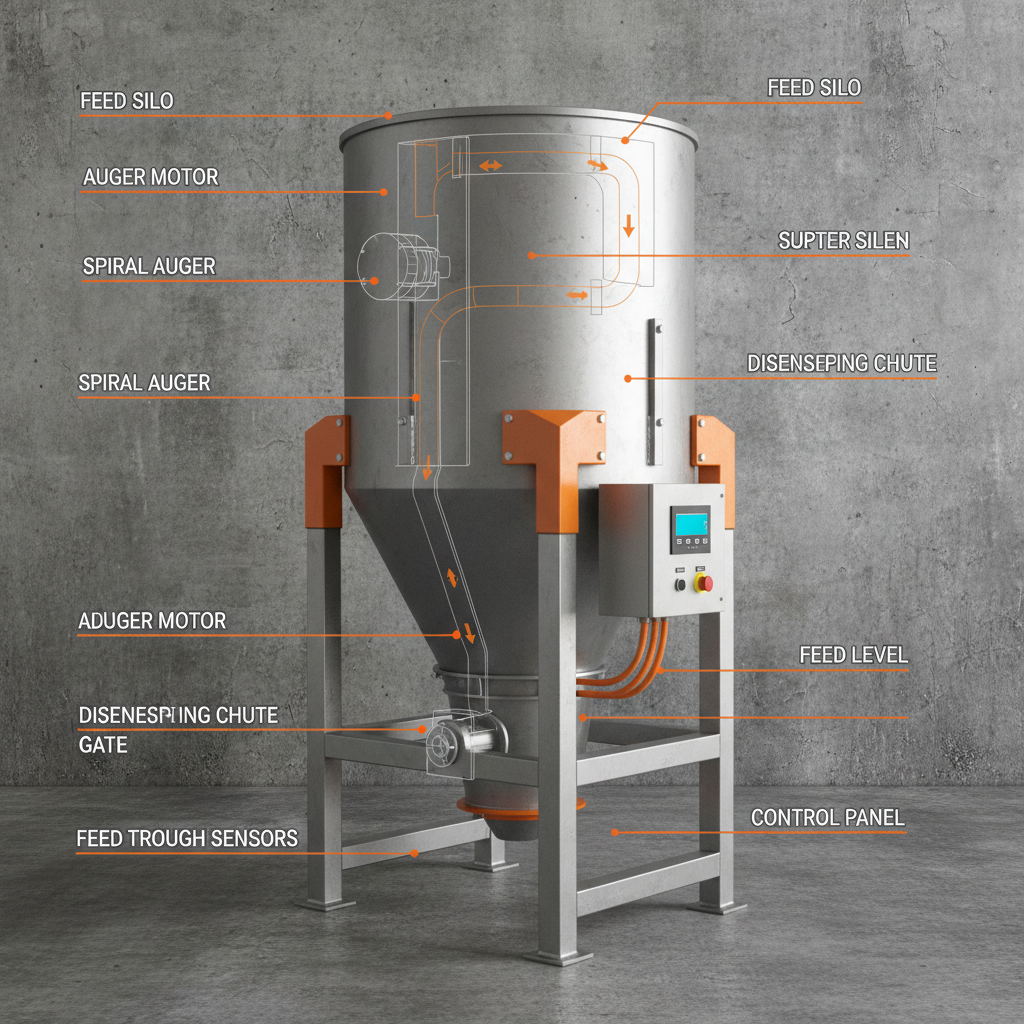
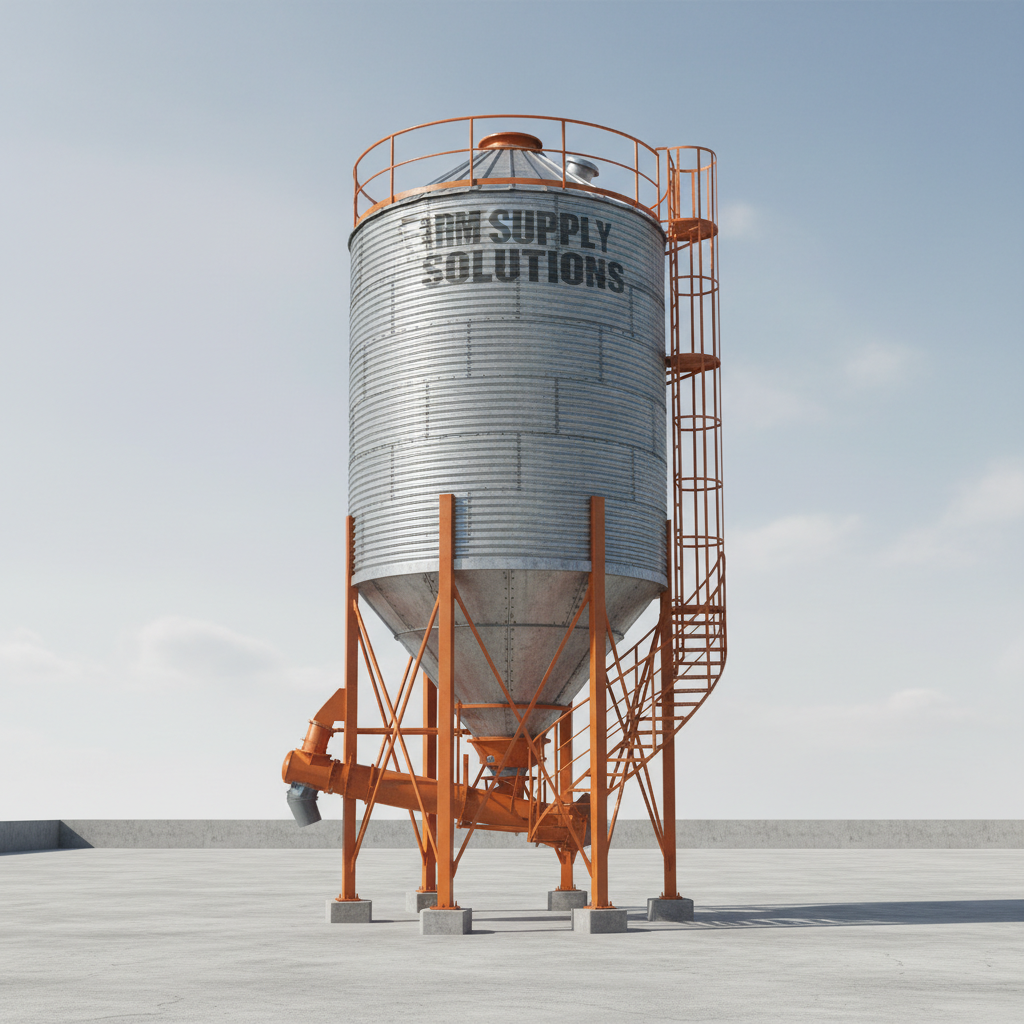
But here’s an odd thought: despite beef’s importance, many farms still rely on outdated or underperforming equipment, which hampers productivity and can harm sustainability efforts. Modern farming equipment addresses this challenge head-on. For example, automated feeding systems or precision weighing minimize waste and labor, cutting costs and environmental impact simultaneously.
However, choosing the right equipment in the beef farm isn’t straightforward. Variations in climate, farm size, and technological access pose real hurdles — another reason why global understanding and innovation are vital.
Defining Equipment in the Beef Farm
What exactly is meant by equipment in the beef farm? At its core, it refers to all the tools, machinery, and infrastructure designed to facilitate cattle management. This includes:
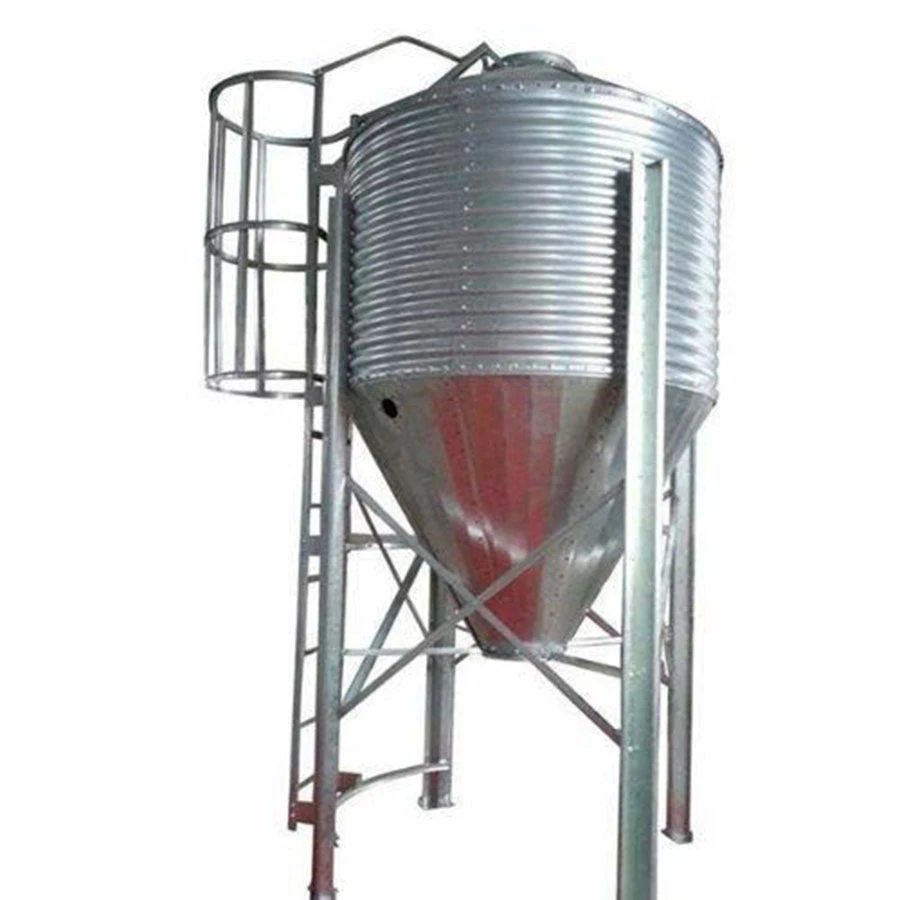
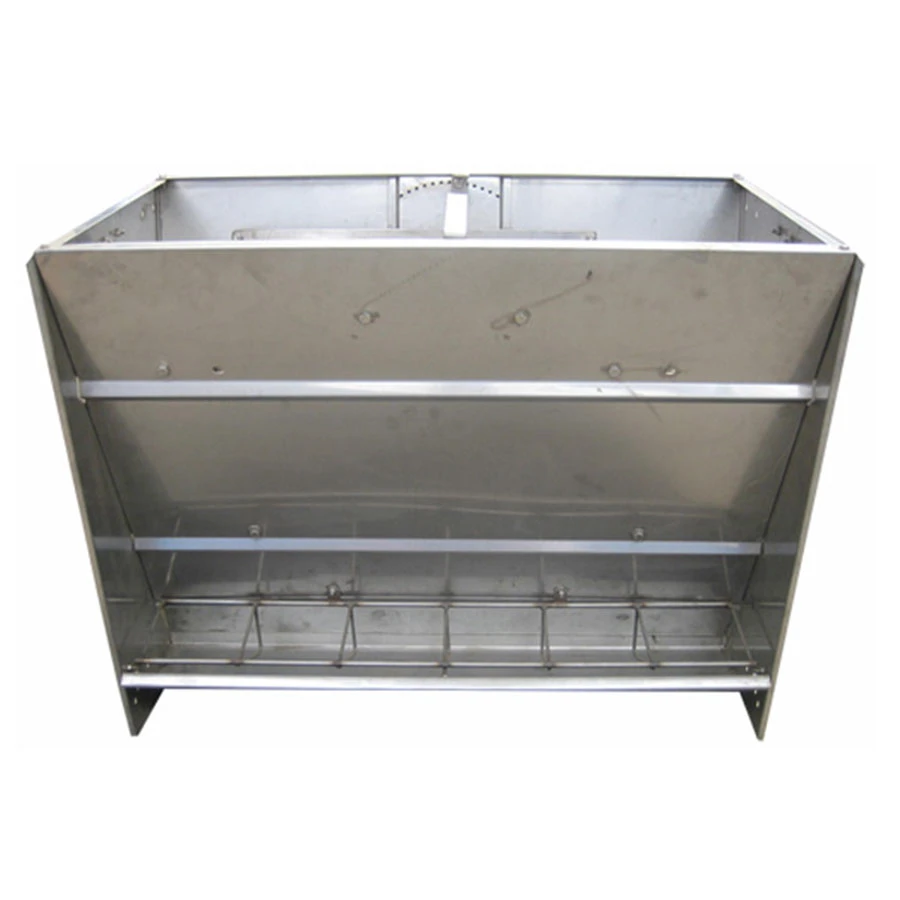
- Feeding and watering systems
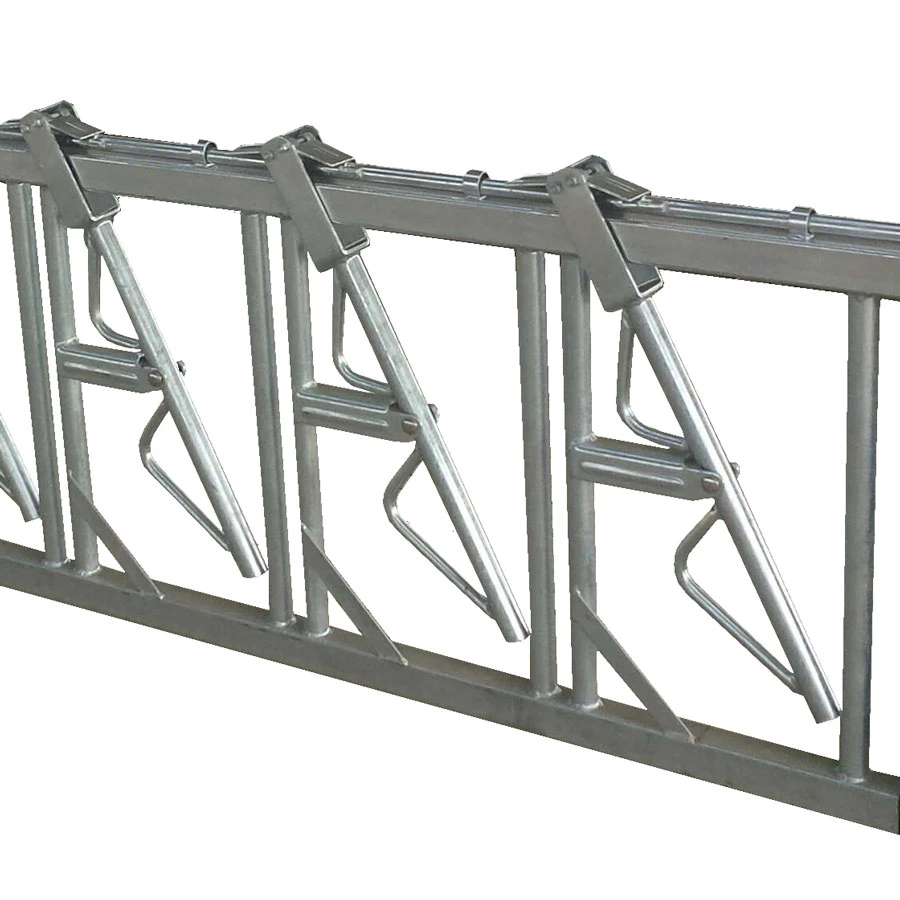
- Handling and restraint equipment
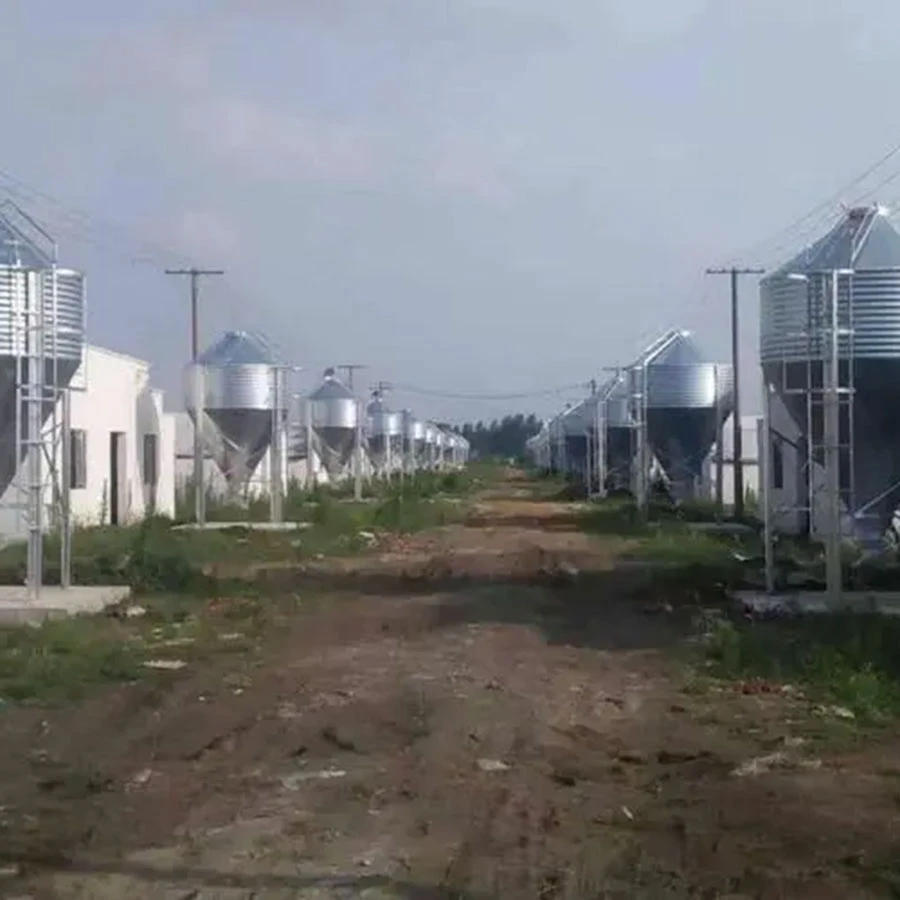
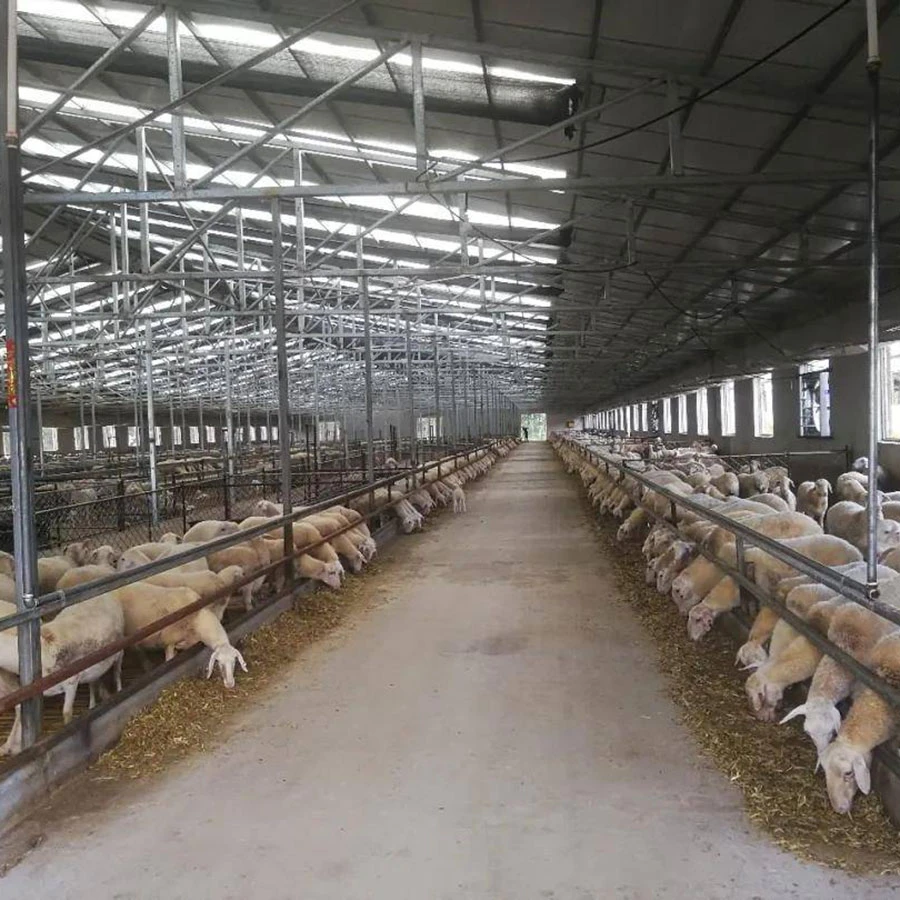
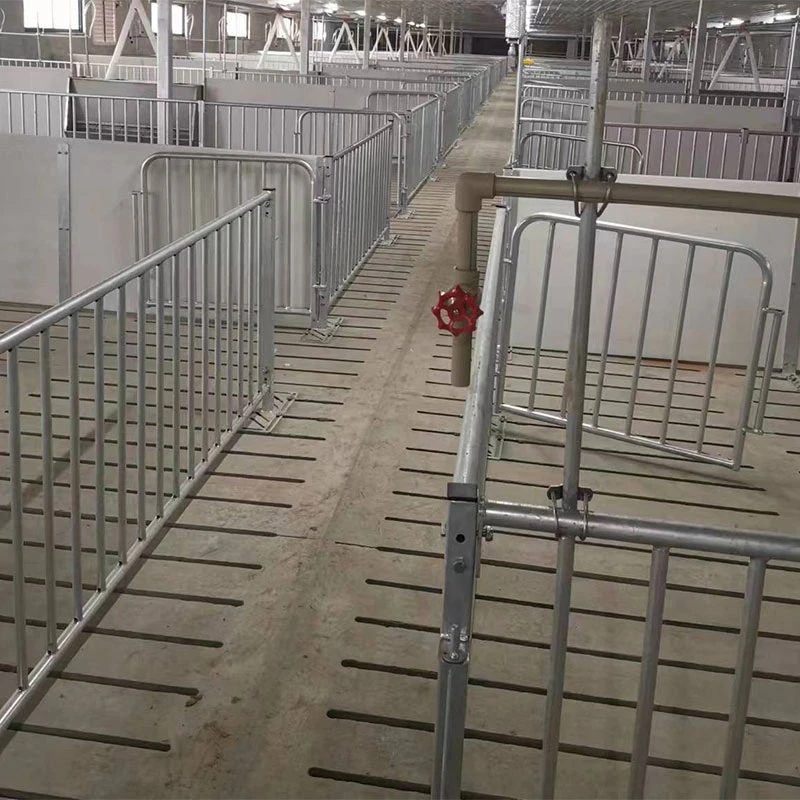
- Fencing and shelter structures
- Health monitoring devices
- Waste management solutions
- Transportation and loading gear
These systems come together to maintain animal health, reduce labor demands, improve safety for farmers, and optimize production outputs. In a humanitarian context too, such as for smallholder farmers in developing regions, appropriate equipment can drastically improve food security and income stability.
Key Aspects of Beef Farm Equipment
Durability: Built to Withstand
Farmer Bob (who I met once on a chilly Montana morning) swears by rust-proof steel crushers and feeders. The outdoors environment demands equipment that can survive everything from torrential downpours to blazing sun without breaking down or causing injuries.
Scalability: From Family Farms to Industrial Ranches
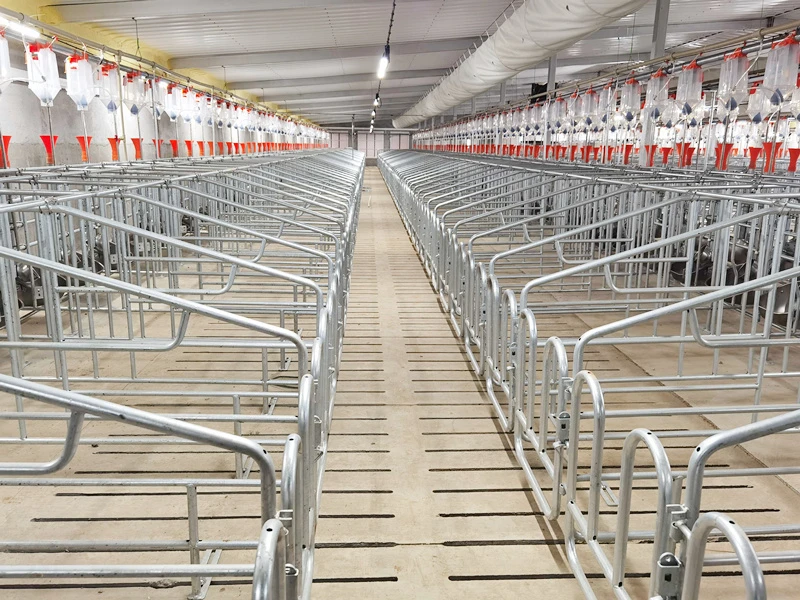
Not every farmer needs a massive automated system, but the equipment should be scalable. Smaller operations might use simple manual feeders while larger ones deploy robotics for feeding 1,000+ head of cattle.
Cost Efficiency: Balancing Budget and Performance
Investing in equipment isn’t cheap. Yet, many ranchers find that investing upfront in modern technologies reduces overall expenses by cutting feed waste, lowering labor costs, and improving cattle growth rates.
Animal Welfare Compatibility
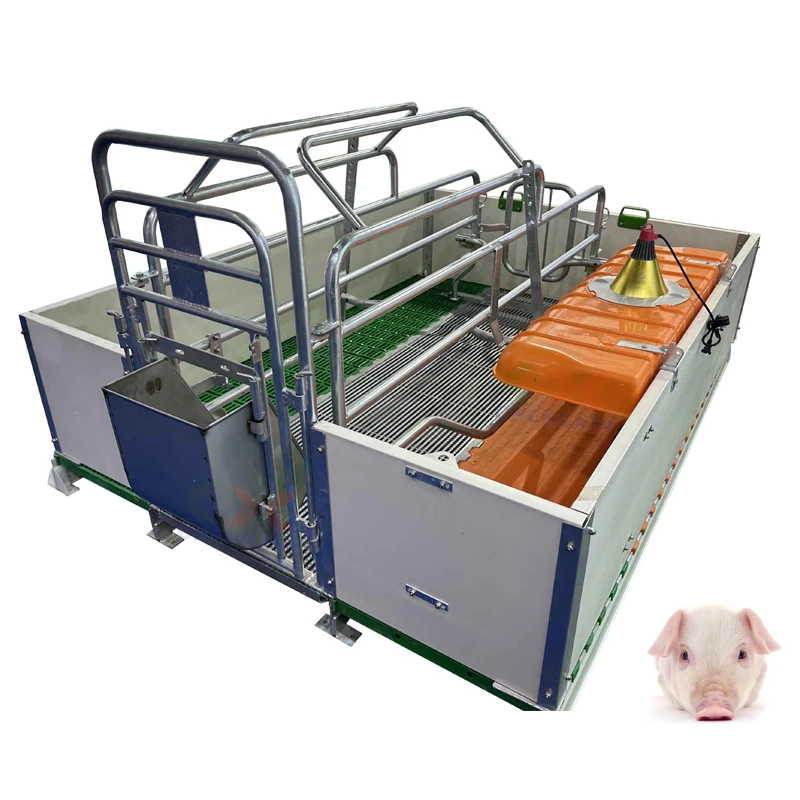
Modern animal handling equipment is designed to reduce stress and injury — think curved cattle chutes for smooth movement or non-slip flooring. Healthier cattle translate to better product quality and farm reputation.
Adaptability to Environment
Equipment must be adapted to local climates and soil conditions. For example, drought-prone regions might emphasize automated waterers with sensors, while colder regions focus on insulated shelters.
Ease of Maintenance
Simple design and availability of parts can make or break the practical use of equipment, especially in remote areas where specialist technicians are scarce.
Mini takeaway: In real terms, the “best” equipment balances these factors carefully — because one size rarely fits all.
Global Applications: How Beef Farm Equipment Transforms Real-World Farming
Regions with vastly different challenges reap benefits from tailored equipment solutions. For instance:
- Australia and Brazil: Vast ranches use GPS-linked feeding systems and RFID tagging to monitor cattle movements across hundreds of acres.
- East Africa: NGOs provide solar-powered water pumps and robust shelter systems that withstand local weather extremes, boosting smallholder resilience.
- United States: Large feedlots employ automated weighing scales and conveyor feeders to optimize feeding schedules and health checks.
Interestingly, in post-disaster rural areas, portable fencing and modular shelter units have helped displaced farmers resume beef production quickly, protecting their livelihoods and community food sources.
Beef Farm Equipment Specification Table
| Equipment Type | Material | Capacity/Size | Power Source | Typical Cost (USD) |
|---|---|---|---|---|
| Automated Feeder | Stainless Steel | 500 kg feed per day | Electric (Solar optional) | $3,500 |
| Cattle Handling Chute | Galvanized Steel | Up to 20 cattle/hour | Manual | $2,000 |
| Solar Water Pump | Polycarbonate & Steel | 10,000 liters/day | Solar | $4,200 |
Comparing Leading Beef Farm Equipment Vendors
| Vendor | Product Range | Price Range | Warranty | Global Reach |
|---|---|---|---|---|
| AgriTech Solutions | Automated feeders, chutes, waterers | $2,000 - $10,000 | 5 years | North America, Australia |
| GreenFarm Equip | Solar water pumps, sustainable fencing | $1,500 - $7,000 | 3 years | Africa, South America |
| CattlePro | Smart monitoring devices, automated feeders | $3,000 - $15,000 | 4 years | Global (40+ countries) |
Advantages and Long-Term Value of Beef Farm Equipment
Investing in quality farm equipment offers more than just immediate productivity gains. Farm owners often remark on how automation and streamlined equipment create safer work environments by reducing physical strain and minimizing risky cattle handling incidents.
Environmentally, modern machinery reduces waste and water use — a big deal when you consider agriculture accounts for roughly 70% of global freshwater withdrawals [2]. Less waste cuts costs and complies with tightening sustainability regulations worldwide.
On the emotional side, farmers feel pride and confidence knowing their animals are cared for with the latest humane equipment, which many say also helps them attract better market prices for quality beef.
Looking Ahead: Trends Shaping Equipment in Beef Farms
Like many industries, beef farming equipment is trekking toward digitization and sustainability. Expect to see:
- IoT devices: Sensors tracking cattle health in real time.
- Solar-powered systems: Reducing dependency on grid electricity.
- Automation & AI: Feeding and monitoring tailored to individual animals.
- Biodegradable materials: In fencing and disposable supplies.
These trends aren’t just shiny gadgets — they’ll be key to solving labor shortages and climate resilience going forward.
Challenges and Solutions on the Ground
Of course, there are barriers. High upfront investment costs and lack of training make adoption tough in many regions. Equipment maintenance can also be a thorn when essential parts or technical support are unavailable.
Innovative rental and leasing models offer one solution, spreading costs over time. Additionally, partnerships between manufacturers and local agriculture agencies help train farmers to get the most out of their new tools — knowledge transfer is half the battle.
FAQ: Practical Questions About Equipment in the Beef Farm
- What types of equipment are essential for a small beef farm?
- Small beef farms typically need sturdy fencing, basic feeders, manual cattle chutes, and watering systems. Starting with durable, multi-purpose tools that don’t require electricity helps ease initial costs and maintenance.
- How does automated feeding improve beef farm productivity?
- Automated feeders precisely dispense feed on schedules to reduce waste and improve cattle weight gain — all while saving farmers time and labor.
- Are solar-powered water pumps reliable in remote farms?
- Yes, modern solar pumps are designed for harsh environments and function well with minimal maintenance. They cut fuel costs and are especially valuable where electricity access is limited.
- Can beef farm equipment be customized for different cattle breeds or climates?
- Definitely. Equipment manufacturers often offer design tweaks—such as size adjustments or materials—that better suit specific breeds' behavior or local weather conditions.
- Where can I find trusted suppliers for beef farm equipment?
- Look for vendors with proven global reach, solid warranties, and good customer service reviews. Our comparative vendor table above should give a quick overview.
Wrapping Up: Why the Right Equipment Makes All the Difference
From boosting efficiency and animal welfare to weathering environmental challenges, investing in quality equipment in the beef farm isn’t just good business — it’s a smart, sustainable step toward feeding an expanding global population. Technology can feel daunting or even inaccessible, but the right tools tailored to your needs create a foundation of trust and productivity that lasts decades.
If you want to explore high-quality, innovative gear, be sure to check out our extensive equipment in the beef farm offerings — designed to empower farmers worldwide.
Here’s to better farms, healthier cattle, and a more sustainable future.
References:
Post time: Nov . 25, 2025