What Is a Cattle Water Drinking Trough and Why Does It Matter?
When you think about cattle management, water might not be the flashiest topic, but it’s undeniably essential. A cattle water drinking trough isn’t just a container holding water; it’s the lifeline that keeps herds hydrated, healthy, and productive. On a global scale, ensuring efficient water delivery in livestock agriculture touches everything from food security and climate resilience to animal welfare and sustainable farming practices.
Understanding the ins and outs of cattle water drinking troughs means recognizing how this simple tool supports billions of animals worldwide and why optimizing it can save resources, reduce costs, and improve herd health. So, buckle up—this might be more interesting than you think.
Setting the Scene: Why Cattle Watering Solutions Are Globally Crucial
Livestock farming employs roughly 1.3 billion people and provides crucial nutrition to billions more (UN FAO, 2020). Among all necessities, water stands atop the list — cattle can consume between 30 to 50 liters daily, depending on climate and size. But here’s the challenge: water scarcity affects about 2 billion people globally, and by 2050, this number could rise dramatically (UN Water, 2023). Now imagine farmers in arid zones or conflict regions trying to ensure animals have fresh drinking water without wasting what little is available.
In short, the cattle water drinking trough is front and center in addressing how water is conserved, delivered, and managed efficiently in livestock systems worldwide. According to the ISO 24511, water quality and delivery structures like troughs have to meet specific sanitary and durability standards to prevent disease and waste.
We often overlook how something so “basic” can dramatically impact productivity and sustainability in global agriculture.
Breaking It Down: What Exactly Is a Cattle Water Drinking Trough?
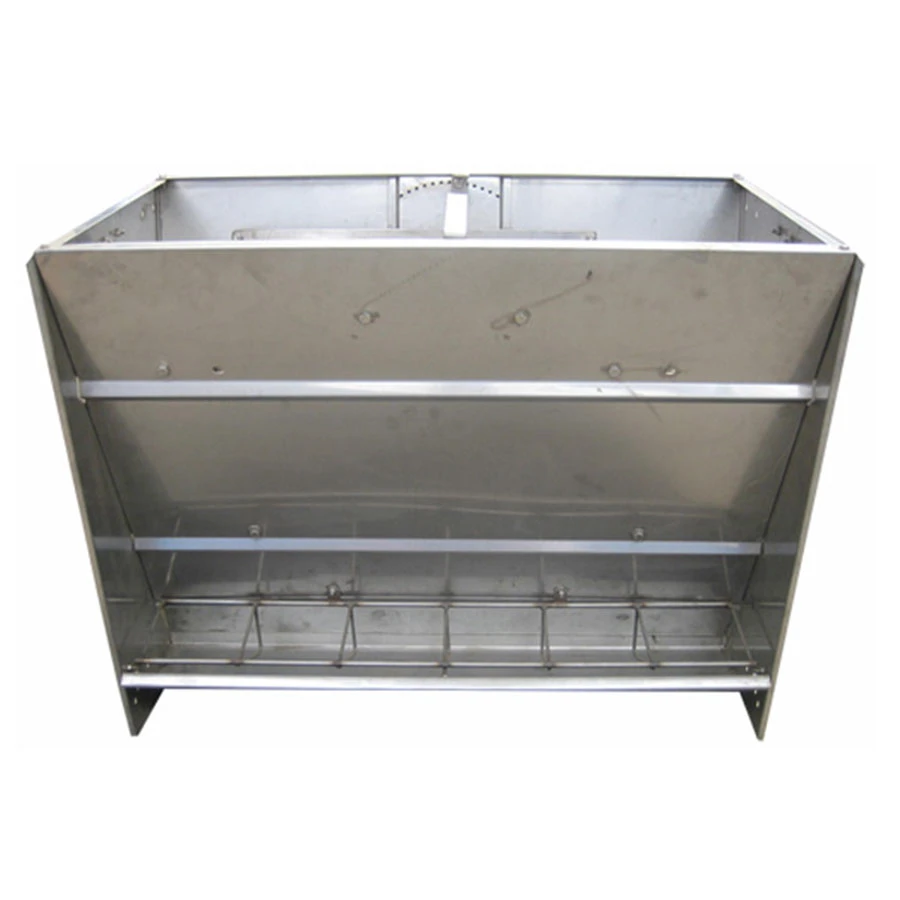
Simply put, a cattle water drinking trough is a container or basin designed specifically to hold water for cattle to drink. It can be constructed from various materials like concrete, steel, plastic, or rubber, and comes in multiple shapes and sizes to suit different farming scales and environments.
These troughs link directly to water sources—sometimes natural ponds, wells, or automated waterers connected to pumps. In humanitarian contexts, these troughs aid disaster relief or remote farming communities by providing reliable and clean water access for livestock, preventing dehydration and disease spread.
Core Features of Modern Cattle Water Drinking Troughs
Durability and Material Quality
One of the biggest considerations is how well the trough withstands weather, livestock wear, and time. Steel and reinforced concrete are popular for their longevity, while polyethylene or rubber provide portability and ease of cleaning. The right material choice obviously depends on climate, farm size, and budget.
Ease of Maintenance and Cleaning
Farmers value troughs that don’t turn into algae farms overnight. Designs that promote easy draining, scrubbing, or even quick replacement parts make daily upkeep much simpler and reduce veterinary risks.
Water Capacity and Flow Efficiency
The trough needs to hold enough water for all animals without constant refilling but also avoid stagnation. Larger herds require troughs with automated refill capabilities, sometimes managed by sensor-controlled valves.
Portability and Installation
In regions that require re-positioning based on pasture rotation or seasonal changes, lightweight or modular troughs let farmers adapt quickly with minimal hassle.
Affordability vs. Longevity
It's a delicate balance. Some cheaper troughs wear out faster, costing more in replacement and potential herd stress. Others invest upfront but pay off over years.
Where in the World Are These Troughs Making a Real Difference?
It’s fascinating how the humble cattle water drinking trough pops up in some unexpected places. In Australia, large-scale cattle stations rely on solar-powered automated troughs to maintain remote herds. In parts of sub-Saharan Africa, NGOs install robust plastic troughs during drought interventions to stabilize food security.
Another interesting use case lies in the Canadian Prairies, where troughs designed with insulated walls prevent freezing during brutal winters. Even in urban or peri-urban farms in Europe, smart troughs connected with IoT sensors are becoming trendy, monitoring consumption patterns and triggering water renewals.
For a glimpse into product options, see our detailed cattle water drinking trough catalog here.
Mini takeaway:
- Water troughs vary widely but share common aims: durability, efficiency, and animal welfare.
- Global deployments already show how tech and design adapt to diverse challenges.
Comparing Popular Cattle Water Drinking Trough Models
| Model | Material | Capacity (liters) | Portability | Solar Compatibility | Price Range (USD) |
|---|---|---|---|---|---|
| AquaSteel 3000 | Galvanized Steel | 3000 | No | No | $850 – $1000 |
| PolyTrough Basic | Polyethylene Plastic | 1500 | Yes | Optional | $400 – $550 |
| EcoFlow Smart | Recycled Rubber Composite | 2000 | Yes | Yes, fully integrated | $1200 – $1400 |
Advantages and Lasting Value of Investing in Quality Troughs
Why not just slap a bucket out there, right? Well, you could—but the long-term impacts show why quality matters. Reduced water wastage alone can save thousands of dollars annually for large farms. Additionally, healthier animals mean fewer vet bills, better weight gain, and improved milk yields. Speaking of emotions, farmers often say there’s a real peace of mind knowing their animals won’t suffer dehydration or stress due to water shortages.
Better troughs contribute to environmental sustainability by minimizing contamination and runoff. Not to forget, in many communities livestock represent wealth and survival; safeguarding water access equals safeguarding livelihoods.
Looking Ahead: Innovations Shaping the Future of Cattle Water Drinking Troughs
Technology is quietly but profoundly reshaping these once simple devices. Automated refill systems tied to solar-powered pumps, IoT sensors tracking consumption and alerting farmers remotely, and even smart filtration units that ensure clean, disease-free drinking water are becoming standard in cutting-edge setups.
Materials are evolving too — biodegradable composites and recycled plastics reduce environmental footprints while delivering superior durability. Policies are beginning to encourage sustainable water use in agriculture, nudging manufacturers towards greener options.
The Challenges You Might Face—and How to Beat Them
No product is perfect. Common issues include algae buildup, freezing in colder climates, improper sizing leading to competition among animals, and cost barriers in developing regions. Experts suggest:
- Using trough covers or UV-resistant materials to slow algae growth.
- Insulating troughs or installing heaters to prevent freezing.
- Deploying multiple troughs to reduce crowding.
- Working with NGOs or vendors who offer tiered financing schemes.
With thoughtful design and management, these challenges can turn into opportunities for innovation and improvement.
FAQ: Your Top Questions on Cattle Water Drinking Troughs
1. How often should cattle water drinking troughs be cleaned?
Cleaning frequency depends on herd size and climate but typically once or twice a week is recommended to prevent algae, bacteria buildup, and sediment accumulation. In hotter climates, more frequent cleaning helps maintain water quality and animal health.
2. Can cattle water drinking troughs be connected to automated systems?
Yes! Many modern troughs integrate with automated refill valves and solar-powered pumps. This reduces manual labor and ensures continuous fresh water supply, especially for large or remote operations.
3. What materials are best for troughs in arid or dusty environments?
Polyethylene or rubber composite troughs perform well in dusty or arid climates because they resist cracking under heat and are easy to clean. Metal troughs might rust or heat up excessively unless properly coated.
4. Are there environmental guidelines for cattle water trough installation?
Yes, international standards such as ISO 24511 emphasize water quality and environmental impact. Many countries also have local regulations to prevent water pollution and preserve ecosystems.
5. Where can I find reliable cattle water drinking trough vendors?
Several global and regional suppliers offer reliable troughs. Here's a quick vendor comparison to help you navigate options:
| Vendor | Product Range | Price Level | Global Shipping | Special Features |
|---|---|---|---|---|
| FarmWater Inc. | Steel, Concrete, Plastic troughs | Mid to high | Yes | Custom sizes, insulated models |
| EcoAgri Solutions | Recycled composites & smart troughs | High | Limited | Solar powered & IoT options |
| Livestock Basics | Affordable plastic & rubber troughs | Low to mid | Yes | Modular & portable designs |
Wrapping It Up: The Long-Term Benefits of Choosing the Right Cattle Water Drinking Trough
In real terms, the right cattle water drinking trough can be a game-changer — not just for hydration but for entire livestock management ecosystems. Better animal health, resource efficiency, operational ease, and even climate resilience all flow from this foundation. Whether you’re a small-scale farmer, an industrial operator, or working in humanitarian livestock support, paying attention to water delivery equipment is a smart investment.
If you’d like to explore quality options and expert advice, be sure to visit our website: https://www.cxlivestock.com — because sometimes the best solutions start with a simple trough.
References:
Post time: Dec . 02, 2025