Understanding Hog Confinement Flooring: A Vital Component in Sustainable Livestock Management
When we talk about hog confinement flooring, it might sound like a niche topic reserved for agricultural engineers and farmers steeped in livestock management. But in reality, this element plays a surprisingly global and crucial role — not just in improving animal welfare but also in advancing sustainable food production, environmental safety, and even public health around the world.
The flooring systems used in hog confinement facilities affect everything from hygiene and manure management to durability, animal comfort, and worker safety. Getting these designs right is key to scaling pig production efficiently and responsibly — a goal that’s more important each year as global pork demand rises by about 2% annually according to the FAO. So, understanding hog confinement flooring isn’t just for specialists; it’s a cornerstone of modern, responsible agriculture facing global challenges.
The Big Picture: Why Hog Confinement Flooring Matters Globally
Globally, pork is one of the most consumed meats, with the Asia-Pacific region alone accounting for over 60% of pork consumption as per the Statista database. Such demand necessitates building huge, intensive pig farming operations, often called concentrated animal feeding operations (CAFOs). And at the heart of these operations is the flooring — a part you might not think about much but which actually shapes farm biosecurity, waste management, and animal welfare outcomes.
Unfortunately, poor-quality or outdated flooring can cause serious challenges: diseases spread easily in cramped, unsanitary conditions; hygienic waste disposal becomes difficult; and pig comfort, growth, and stress levels all suffer. As the UN and ISO guidelines emphasize, incorporating better materials and designs in hog confinement flooring supports not only economic aims but also humane treatment and sustainability goals. So, smart flooring design is addressing some of the biggest challenges in modern livestock agriculture.
Mini takeaway:
- Hog confinement flooring is strategic worldwide due to rising pork demand and environmental concerns.
- It influences health, economics, and sustainability in pig farming.
What Is Hog Confinement Flooring, Really?
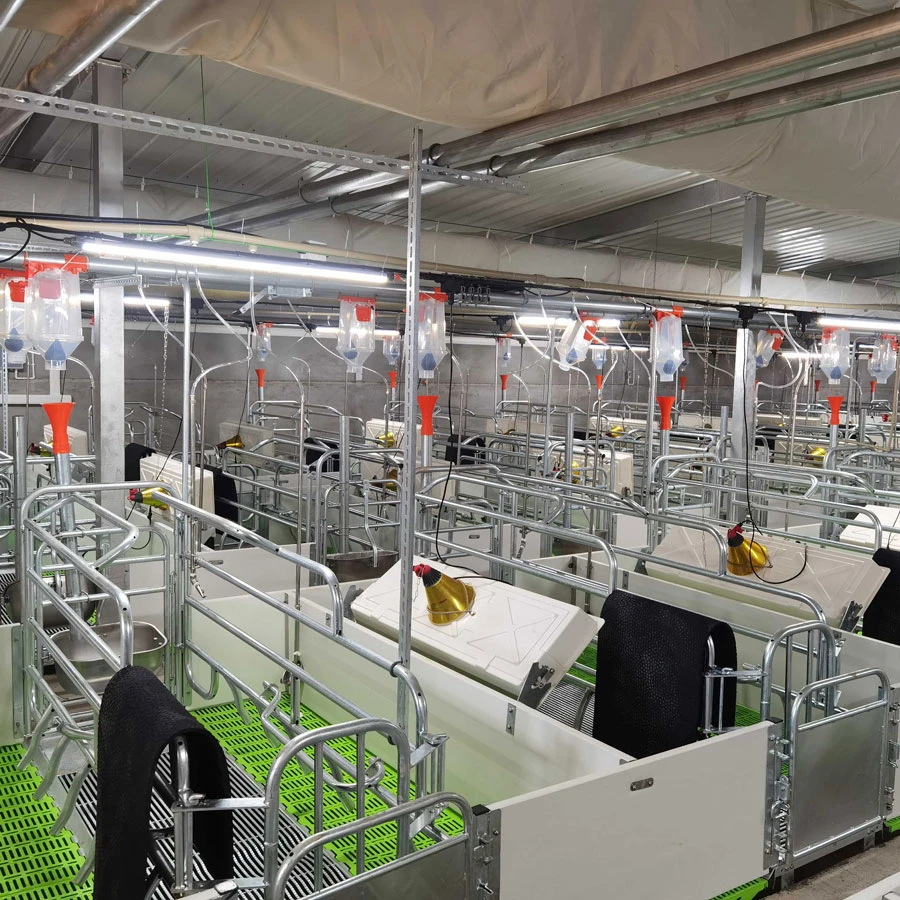
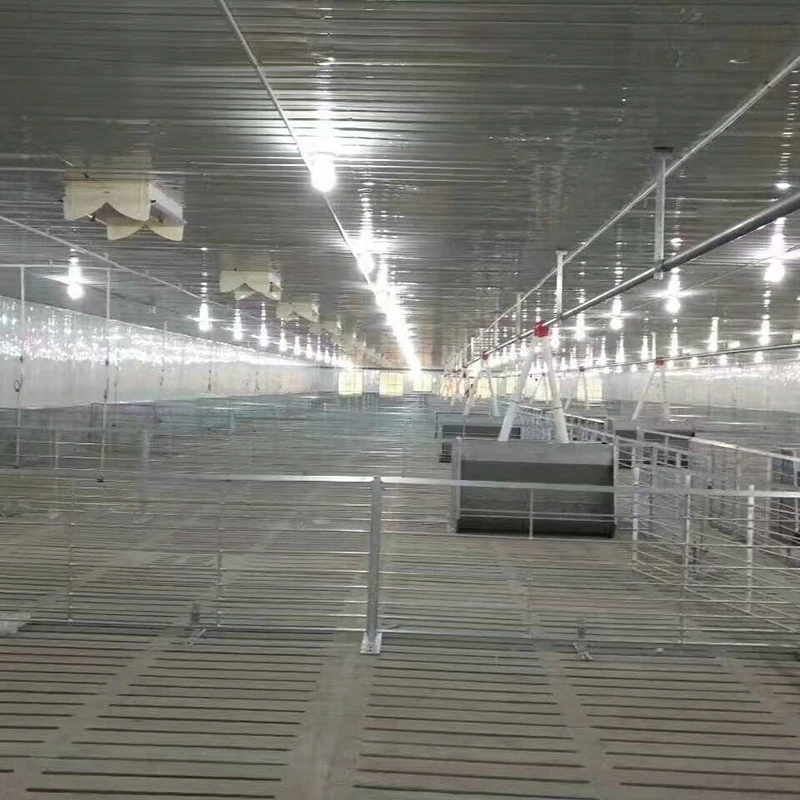
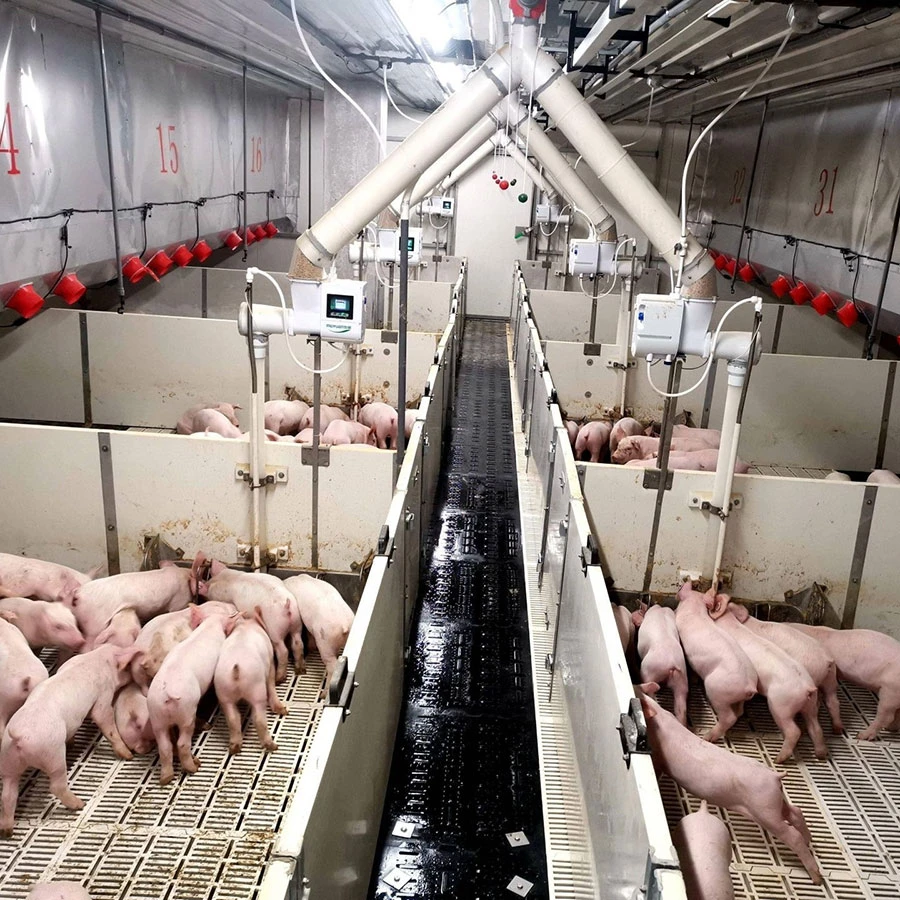
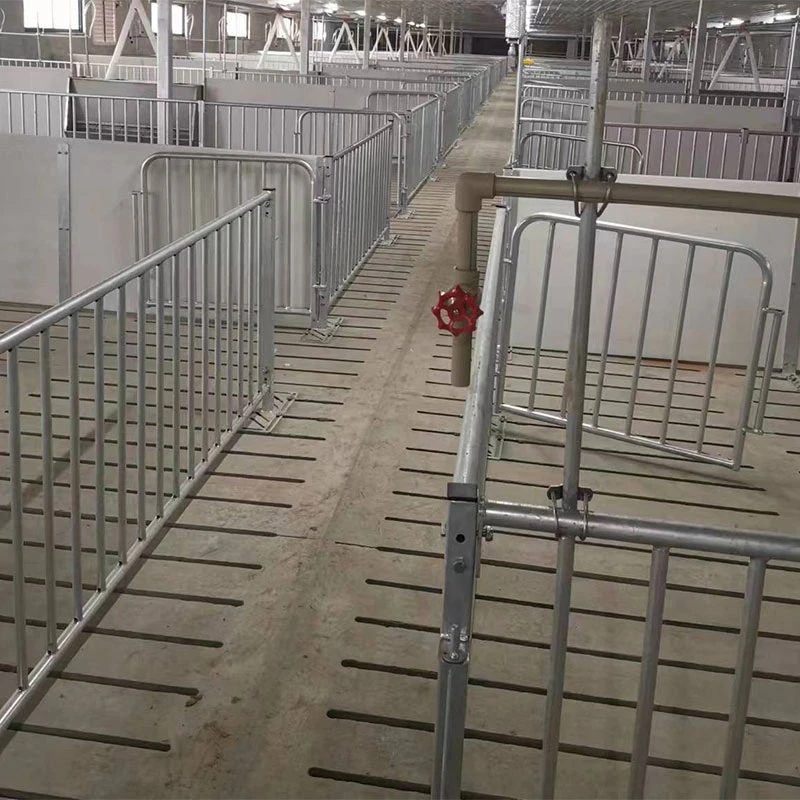
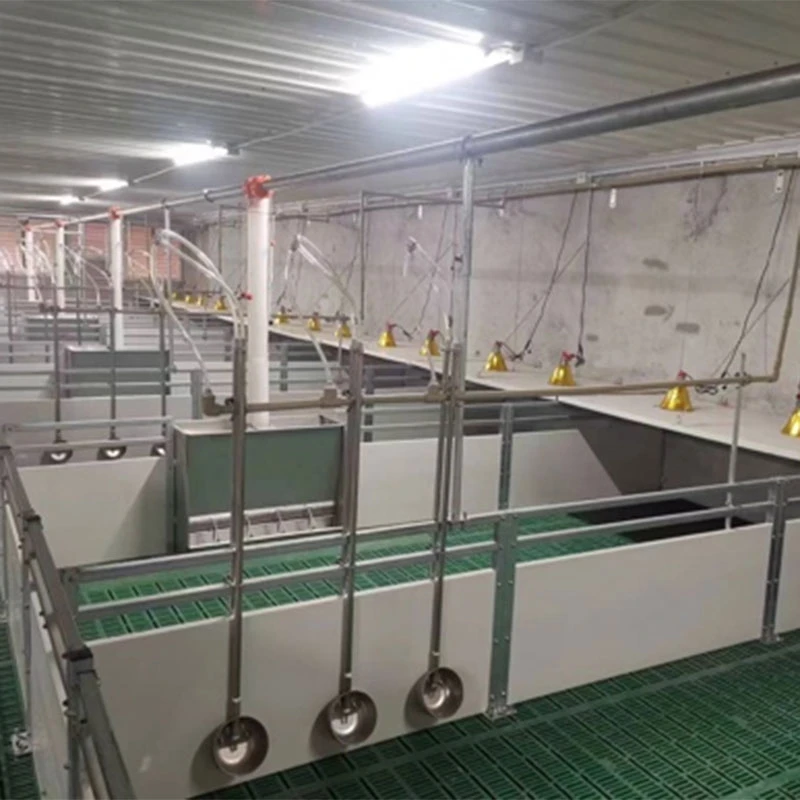
In simple terms, hog confinement flooring is the surface used in pig enclosures where the animals live, rest, and—importantly—relieve themselves. It’s typically made of concrete, metal, or sometimes composite materials, designed to be durable, easy to clean, and compatible with manure management systems.
Its primary role? To support the pigs’ weight and activity while facilitating efficient drainage and waste removal, so the space stays hygienic and dry. Because pig manure can harbor pathogens and pollutants, good flooring connects directly to farming sustainability — ensuring waste can be processed safely and reused (say, for biogas or fertilizer).
These floors are not just about utility though; they answer the urgent need for better animal welfare in industrial operations. Proper flooring reduces injuries and stress, encouraging healthier growth, which ultimately benefits farmers and consumers alike.
Mini takeaway:
- Flooring is the physical base where hogs spend most of their time, needing strength and hygiene.
- It links directly to animal well-being and environmental practices.
Core Features of Hog Confinement Flooring
1. Durability & Material Composition
Pig floors face constant abrasion, heavy weight, and corrosive manure. Most engineers recommend concrete reinforced with steel or fiberglass mesh for longevity. Specialized coatings or composite plastics are rising due to better slip resistance and easier cleaning.
2. Waste Management Integration
One of the biggest considerations is how floors help separate and drain manure. Slatted floors allow droppings to fall into pits or channels below, cutting down on surface contamination and odors. The spacing of slats must balance drainage and hoof safety.
3. Animal Comfort & Welfare
Psychologists and veterinarians point out that flooring texture and temperature impact animal stress and injury rates. Softer materials or flooring with slight padding reduce hoof damage, and temperature regulation helps pigs cope with seasonal swings.
4. Cost Efficiency & Scalability
Economics is always top of mind. Flooring needs to offer low maintenance, easy installation, and lifespan consistent with farm plans. Modular flooring systems allow easy expansion for growing operations.
5. Hygiene & Biosecurity
Floors form a frontline defense against disease, so surface smoothness and resistance to chemical cleaners count. Materials must resist degradation under disinfectant exposure.
| Feature | Detail |
|---|---|
| Material | Reinforced concrete, fiberglass-reinforced plastic (FRP), composite polymers |
| Slat width | 50–60 mm (typical for waste drainage and hoof safety) |
| Floor thickness | 100–150 mm (for durability under heavy loads) |
| Surface texture | Non-slip, slightly roughened or coated for animal grip |
| Drainage integration | Slatted with drainage pits or channels beneath |
| Lifespan | 10–20 years depending on maintenance |
Global Applications & Use Cases of Hog Confinement Flooring
From the sprawling pig farms in Denmark — a global pork exporter — to small- and medium-scale operations in Latin America and Asia, hog confinement flooring adapts to various climates and cultural needs.
In high-tech agribusinesses of North America and Europe, precision-engineered flooring systems often integrate sensors to monitor moisture and temperature, feeding data into farm management software. In developing regions, affordable modular flooring solutions provide a big leap toward improving farm hygiene and productivity without breaking the bank.
One interesting case is post-disaster agricultural recovery. For example, after Typhoon Haiyan, some NGOs introduced portable, modular pig enclosures with improved flooring to help farmers restart livelihoods quickly with a higher standard of animal care.
In industrial zones with poor water access, flooring designs that minimize water use while maximizing cleanliness have been crucial.
Mini takeaway:
- Hog flooring is a flexible, globally relevant solution from small farms to high-tech agribusiness.
- Emerging markets and disaster recovery efforts especially benefit from modular flooring innovation.
| Vendor | Material Types | Price Range (USD/m²) | Customization Options | Lead Time |
|---|---|---|---|---|
| AgriFloors Inc. | Concrete, Fiberglass-reinforced panels | 35–50 | Slat patterns, surface textures | 4–6 weeks |
| FlexiFarm Solutions | Composite polymers, Recycled plastics | 45–60 | Modular panels, color options | 3–5 weeks |
| EcoPig Flooring | Concrete with eco-friendly sealants | 40–55 | Anti-slip coatings, drain customization | 5–7 weeks |
The Lasting Benefits of Investing in Quality Hog Confinement Flooring
Why bother with specialized flooring at all? Once you see the long-term picture, it’s clear: improving flooring is about more than just a surface.
- Cost savings: Better flooring means easier cleaning, less repair, less disease outbreaks, and healthier animals — which cuts veterinary and replacement costs.
- Sustainability: Optimized waste drainage aids in managing nutrient runoff and capturing biogas, helping farms meet environmental regulations.
- Animal welfare: Comfortable, safer flooring reduces stress and injury, which promotes growth and better quality meat.
- Worker health and safety: Floors that drain and clean easily reduce worker exposure to pathogens and slips.
- Community trust and compliance: Farms with hygienic, low-odor environments face less scrutiny and demonstrate commitment to responsible farming.
Adopting better flooring solutions feels like a win-win, both from a business standpoint and ethically too. It’s a step in the right direction for a sector facing increasing scrutiny and demand for transparency.
Emerging Trends and Innovations in Hog Confinement Flooring
The world is buzzing with innovation in this space. For example, hog confinement flooring enhanced with embedded sensors can alert farmers in real-time about moisture levels or damage. Imagine getting a ping about a cracked panel before pigs even notice discomfort.
New composite materials are being developed—lighter but tougher than traditional concrete, with better thermal regulation and chemical resistance. Plus, biodegradable or recycled components reduce environmental footprints.
Automation is also on the horizon, with robotics designed to clean floors more often with precision, reducing labor costs and improving hygiene continually.
Policymakers are starting to push for flooring standards that align with animal welfare certifications, so the market is poised for responsible upgrades driven by both tech and regulations.
Common Challenges & How Experts Solve Them
Of course, nothing is perfect. Flooring systems face hurdles like:
- Initial Cost: High-quality slabs or composites need upfront investment — which can be a barrier for smaller farms.
- Maintenance Complexity: Slatted floors require periodic cleaning beneath, which can be tricky if infrastructure isn’t well designed.
- Wear & Tear: Harsh chemicals used in disinfection may degrade floor surfaces over time.
Experts suggest phased investments with modular flooring, training staff on routine maintenance, and selecting materials tested under realistic farm conditions. Plus, incorporating farmer feedback during installation helps tailor systems perfectly to practical needs.
FAQ: Practical Questions About Hog Confinement Flooring
- Q: How often should hog confinement floors be cleaned to maintain hygiene?
- A: Ideally, floors should be cleaned daily or at least every livestock cycle (several weeks) depending on operation size. Regular cleaning prevents buildup of waste, controls odor, and reduces disease risk.
- Q: Are slatted floors safe for piglets?
- A: Slatted floors can pose hoof risks to young piglets if slats are too wide. Many designs incorporate solid or partially slatted areas specifically for piglets to ensure safety.
- Q: Can I retrofit existing hog barns with new flooring?
- A: Yes, many flooring vendors offer retrofit solutions such as modular panels or overlays that can be installed over or in place of older floors.
- Q: What flooring options are best for hot climates?
- A: Floors with good thermal regulation properties like composites or concrete with cooling channels can help keep pigs comfortable in warm environments.
Wrapping It Up: Why Hog Confinement Flooring Should Not Be Overlooked
In the end, hog confinement flooring is so much more than a “farm necessity.” It’s an enabler of better animal care, environmental responsibility, and even farm profitability. The right choice supports a healthy ecosystem for animals, workers, and communities — making it a cornerstone of modern sustainable pig farming.
If you’re exploring options or looking to upgrade, don’t miss out on expert offerings and firsthand insights from hog confinement flooring providers who understand real-world challenges.
After all, a solid floor is the foundation of everything. Literally.
— By your friendly agriculture tech writer, always curious about the unseen layers of farming success.
References:
Post time: Dec . 02, 2025