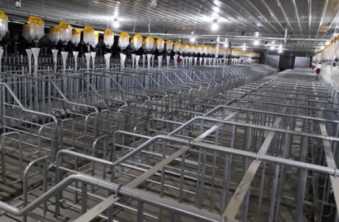
Understanding Water Troughs for Cattle Sheds: More Than Just a Bucket
If you've ever worked on a farm or simply admired rural landscapes, you might have noticed the humble water trough. It’s often overlooked, but water troughs for cattle sheds play a pivotal role in animal welfare and farming efficiency worldwide. The simple act of providing clean, accessible water can drastically boost cattle health, productivity, and even environmental sustainability.
Globally, livestock farming is a backbone for millions, especially in regions where agriculture isn't just business but survival. According to FAO estimates, over 1.5 billion livestock animals are raised in conditions where reliable water access is critical — and troughs make that possible on a practical scale. Understanding the nuances of water troughs means better farming, happier animals, and ultimately, stronger economies.
Introduction: Water Troughs and the Global Livestock Ecosystem
Believe it or not, water troughs are a small but fundamental piece in the massive puzzle of global food production. The World Bank reports that about 70% of freshwater withdrawals worldwide go to agriculture, with livestock consuming a significant share. In many developing countries, inadequate watering solutions can lead to animal stress, poor growth rates, and even disease outbreaks.
That’s where water troughs come in — a simple innovation but with a huge impact. Properly designed and maintained troughs reduce water wastage, ensure hygiene, and enable cattle to hydrate as needed without the farmers constantly worrying about manual water supply. Yet, challenges remain: how do you balance cost, durability, and ease of installation in diverse environments?
What Exactly Are Water Troughs for Cattle Sheds?
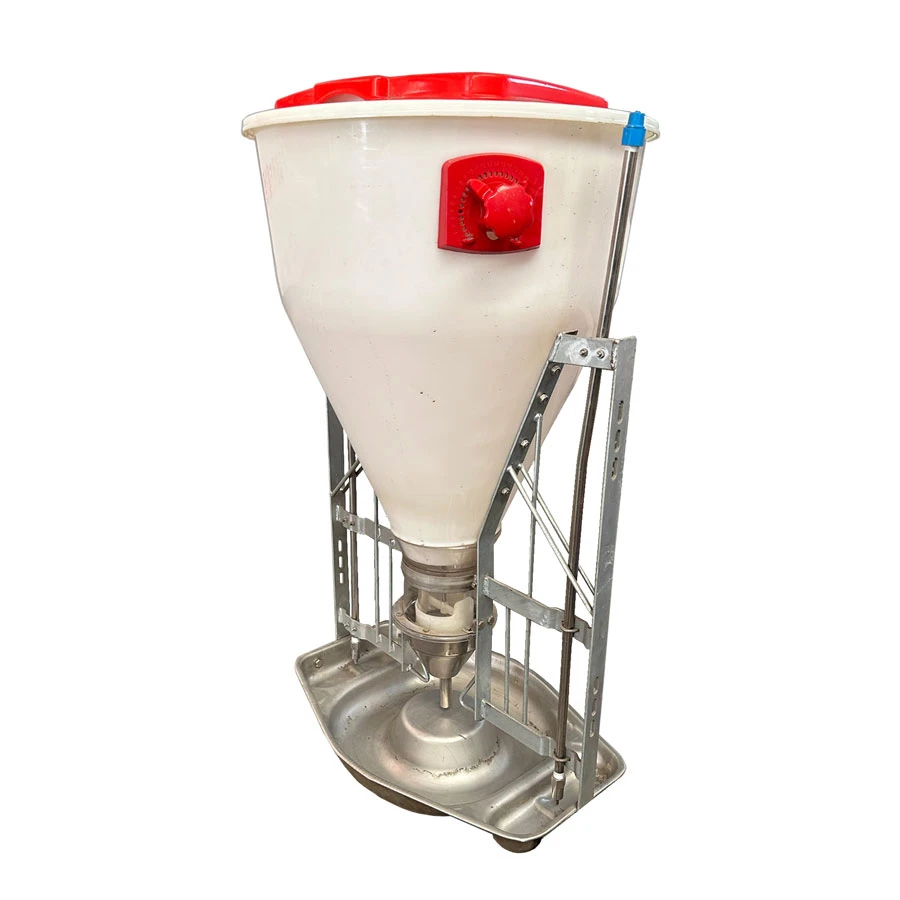
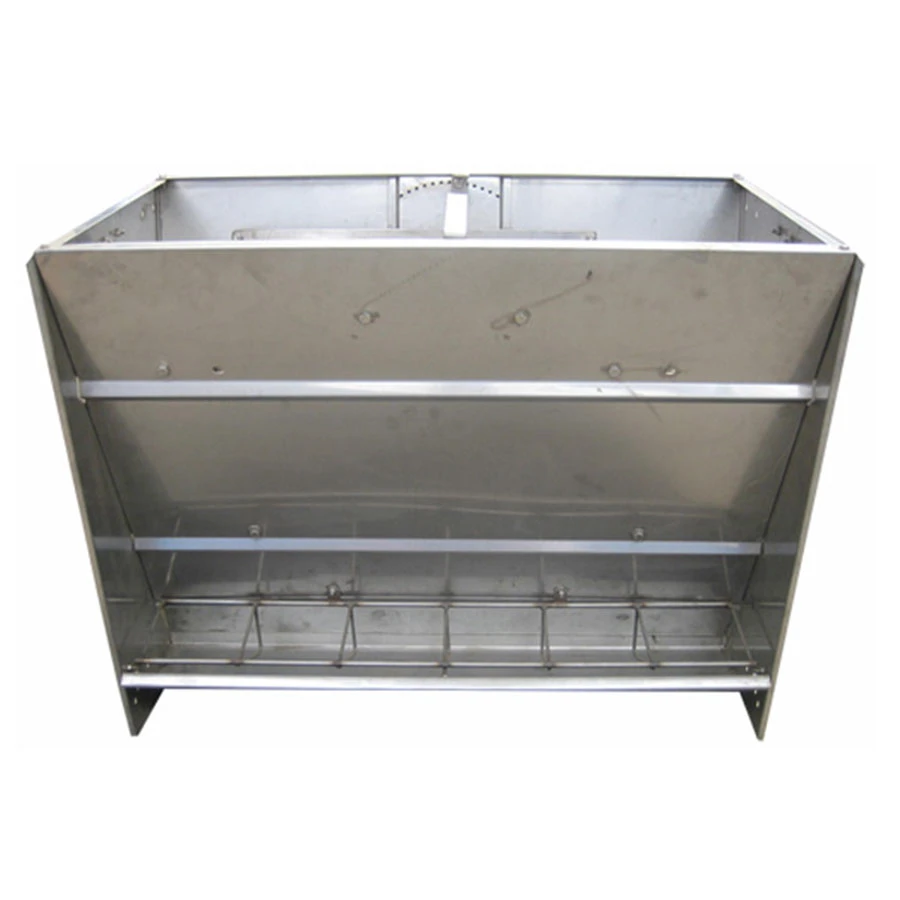
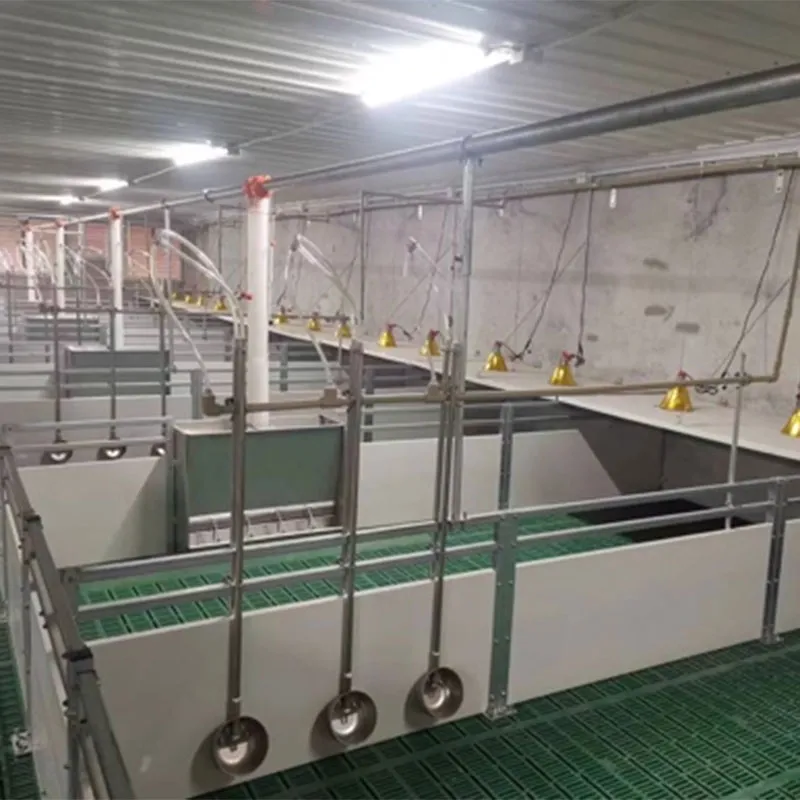
In essence: a water trough is a reservoir or container designed specifically to hold and dispense water for cattle inside or near sheds. Unlike open water sources like ponds, troughs provide a controlled, sanitary watering point. Typically, these are constructed from materials such as stainless steel, plastic, or concrete — all designed to withstand animal wear and tear and environmental exposure.
On a larger scale, they’re essential for confined or semi-confined feeding operations, helping farmers manage hydration efficiently. Their role extends beyond livestock welfare—they also reduce water contamination and even contribute to better farm biosecurity by minimizing wildlife interaction.
Core Components of Successful Water Troughs
1. Durability
Honestly, cattle are not gentle with equipment. Heavy rubbing, licking, and even impact can deteriorate inferior troughs quickly. Materials like coated steel or UV-stabilized plastic mean the difference between a one-season trough and one lasting years. Durability also ties into maintenance costs, so it’s a factor that pays off long term.
2. Scalability
Whether you have a handful of cattle or a commercial feedlot of thousands, the size and number of water troughs matter. Scalable systems include modular troughs that can be linked or fit into automated watering schemes. Proper sizing avoids overcrowding and stress, as well as preventing contamination.
3. Cost Efficiency
Water troughs might seem straightforward, but cost-conscious farmers worry about upfront investment plus water loss through spillage or evaporation. The best designs combine affordability with minimal ongoing expenses. Sometimes, investing a bit more upfront in a better trough actually saves money on water bills and health costs.
4. Hygiene and Cleanability
Dirty water troughs can quickly become breeding grounds for bacteria or algae, threatening livestock health. Designs that allow easy cleaning or incorporate self-cleaning features drastically reduce labor and disease risk.
5. Environmental Adaptability
From arid plains to humid, tropical farms, water troughs should withstand the elements. Features like insulation or shade covers help maintain cooler water temperatures in summer, preventing overheating or evaporation.
Water Troughs Around the World: Real Use Cases
It’s fascinating how diverse the application of water troughs is globally. In sub-Saharan Africa, local NGOs often introduce plastic troughs combined with rainwater catchment systems to combat drought stresses. This setup enables livestock to survive prolonged dry seasons, supporting both livelihoods and nutrition.
Meanwhile, in the US and Australia, large-scale cattle ranches rely on automated troughs connected to groundwater, regulated by sensors that track consumption and quality in real time. These tech-forward examples hint at where the industry is heading but even smallholder farms can benefit from simple improvements like angled walls to reduce spillage.
For a closer look, see our water troughs for cattle sheds collections designed to suit various environments.
Advantages and Long-Term Value of Quality Water Troughs
- Cost Savings: Efficient water use reduces bills and environmental strain.
- Animal Health: Consistent access to clean water improves growth, milk production, and disease resistance.
- Sustainability: Durable, reusable designs mean fewer replacements and less waste.
- Social Impact: In remote or marginalized communities, troughs simplify animal care, empowering farmers.
- Reliability: Automated and sensor-enabled troughs reduce labor and human error.
It’s a compelling mix of practical and emotional benefits — farmers often tell me how peace of mind comes from knowing their herd is well hydrated and safe.
Product Specification: Typical Water Trough Models
| Model | Capacity (L) | Material | Features | Price (USD) |
|---|---|---|---|---|
| AquaTrough Pro 500 | 500 | UV-Stabilized Polyethylene | Self-draining, UV-resistant | 320 |
| RuggedSteel 1000 | 1000 | Galvanized Steel | Impact-resistant, easy to clean | 450 |
| EcoConcrete Basic 750 | 750 | Reinforced Concrete | High durability, fixed installation | 380 |
Vendor Comparison: How Do the Leading Brands Stack Up?
| Vendor | Product Range | Innovation | Price Point | Sustainability |
|---|---|---|---|---|
| CX Livestock Solutions | Wide | High (Smart troughs) | Moderate | Very good |
| AgriWater Tech | Moderate | Medium (Insulated models) | Higher | Good |
| FarmEquip Pro | Narrow | Low | Low | Basic |
Future Trends & Innovations in Water Troughs
It feels like every traditional agricultural product is getting a smart upgrade these days. Water troughs are no exception. Innovations include solar-powered self-refilling systems, IoT sensors that monitor water quality and consumption patterns, and bio-based materials that reduce plastic footprints.
Additionally, governments and organizations are leaning into sustainability policies, encouraging modular designs that minimize construction waste and favor recyclable materials. Some brands now offer troughs connected to farm management apps, giving farmers real-time insights — pretty neat if you ask me.
Challenges and How Experts Are Tackling Them
Of course, not everything is perfect in the water trough world. Common issues include:
- Water contamination due to poor cleaning or outdoor exposure
- Costs that limit accessibility for small-scale farmers
- Durability problems under extreme weather or heavy use
Experts recommend simple but effective solutions like incorporating rounded corners for easy cleaning, offering financing or co-op purchasing options for farmers, and using hybrid materials to marry cost and toughness.
FAQ: Common Questions About Water Troughs for Cattle Sheds
- What material is best for a long-lasting cattle water trough?
- UV-stabilized polyethylene and galvanized steel are among the top choices due to their durability, resistance to corrosion, and ease of cleaning. Concrete also lasts long but requires professional installation and can be less portable.
- How often should water troughs be cleaned to ensure cattle health?
- Ideally, troughs should be cleaned weekly and inspected daily for debris or algae growth. This routine prevents bacterial buildup and keeps water fresh, especially in warm climates.
- Can water troughs reduce water wastage compared to natural watering like ponds or rivers?
- Yes, properly designed troughs minimize spillage and evaporation compared to open water sources, leading to significant water savings, especially critical in dry regions.
- Are automated water trough systems cost-effective for small farms?
- While the initial investment is higher, automated systems save labor and reduce water waste. Over time, benefits generally outweigh upfront costs, but scale and local conditions should be considered.
Wrapping Up: Why Attention to Water Troughs Matters
Water troughs for cattle sheds might seem like an everyday tool farmers take for granted. Yet, as you can see, their design, material, and maintenance have a ripple effect on animal welfare, farm profitability, and environmental impact. In a way, investing in good water troughs is investing in a more resilient, sustainable farming future.
Looking for trusted solutions? Visit our website at https://www.cxlivestock.com and explore practical water trough solutions tailored for your herd.
Mini takeaway: Water troughs combine simplicity with essential function. They remind us that small details in farming infrastructure drive big outcomes.
References
Post time: Dec . 02, 2025