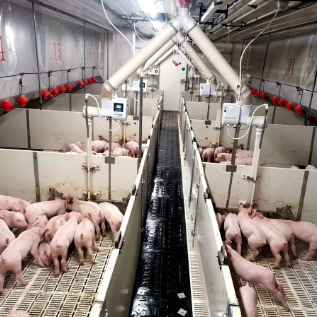
Slatted Floor Type: An Understated Backbone of Modern Livestock & Industrial Systems
Chances are you've never given much thought to the slatted floor type, yet it’s quietly fundamental in agricultural setups, warehousing, and even humanitarian shelters worldwide. Understanding the slatted flooring concept might sound niche, but it's crucial when you consider how global food supply chains, livestock welfare, and industrial efficiency hinge on it.
Why does this matter beyond just floors? Because slatted floors improve sanitation, reduce labor, and optimize space, making them indispensable for sustainable industrial growth and effective disaster relief. As global populations rise and climate pressures increase, slatted floor systems could play a surprisingly big role in improving conditions from farms in Brazil to remote shelters in Southeast Asia.
Global Context: Why Slatted Floor Design Still Matters Today
According to UN Food and Agriculture Organization (FAO), livestock farming accounts for a hefty 40% of agricultural output worldwide. However, managing large numbers of animals means hygiene and waste management become critical — enter the slatted floor type. These floors aid in quick drainage and waste removal, which not only minimizes disease outbreaks but ties in directly with global targets on reducing zoonotic diseases and improving food safety.
Industrial sectors with high foot traffic or heavy equipment also benefit from slatted flooring by enhancing airflow and preventing surface pooling, thus improving workplace safety and efficiency. Combined, this means the slatted floor type addresses core challenges in agriculture, manufacturing, and emergency housing infrastructure by offering durability and hygiene — often with surprisingly low upkeep costs.
Mini takeaway:
- Slatted floors help tackle global sanitation and safety challenges in livestock and industrial sectors.
- Their role supports UN sustainability goals around food security and health.
What Is the Slatted Floor Type? A Practically Useful Definition
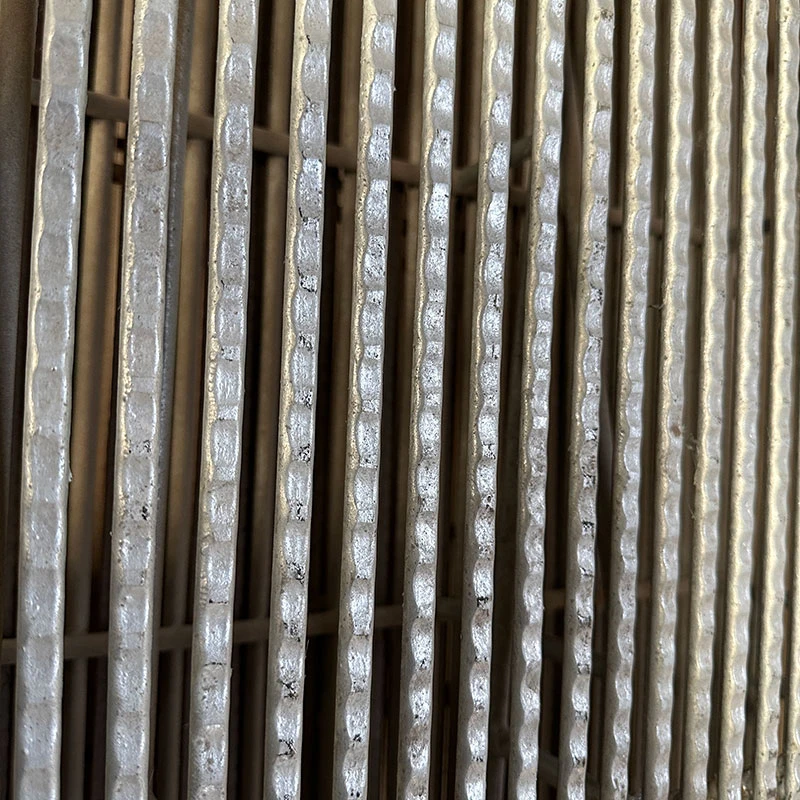
At its simplest, a slatted floor type refers to a flooring system built from closely spaced slats — essentially narrow beams or strips made of wood, metal, or plastic. Instead of a solid flat surface, these slats create gaps that allow liquids, manure, or debris to fall through beneath the floor.
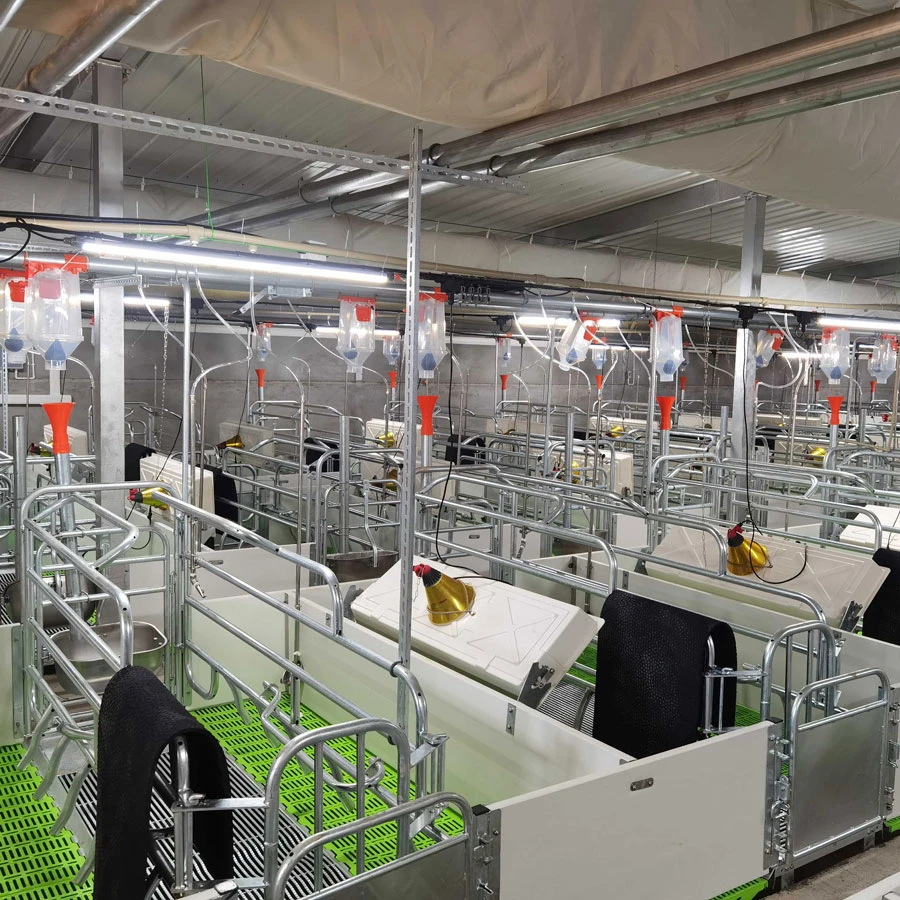
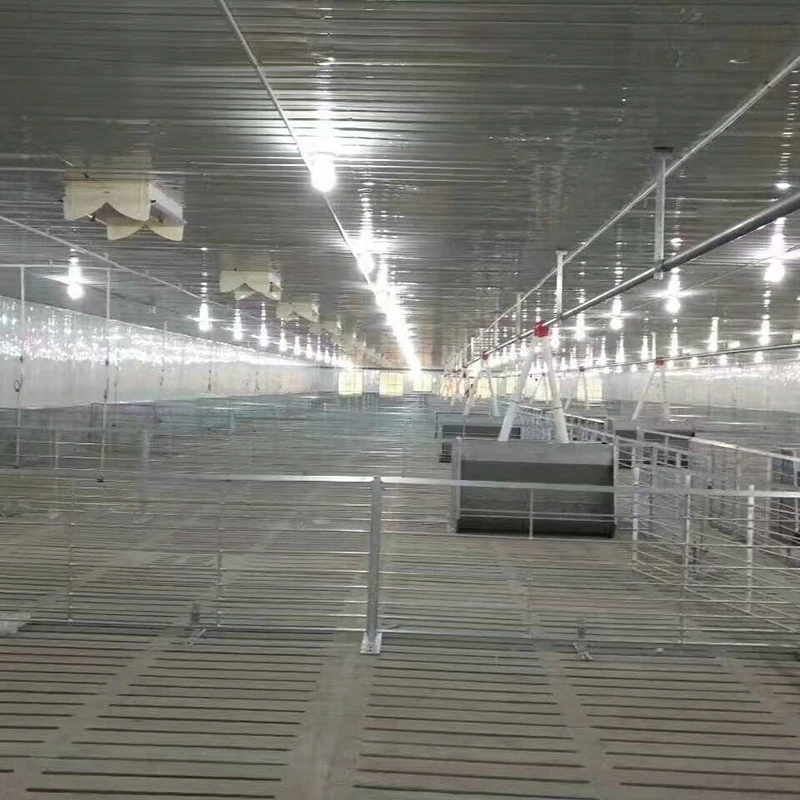
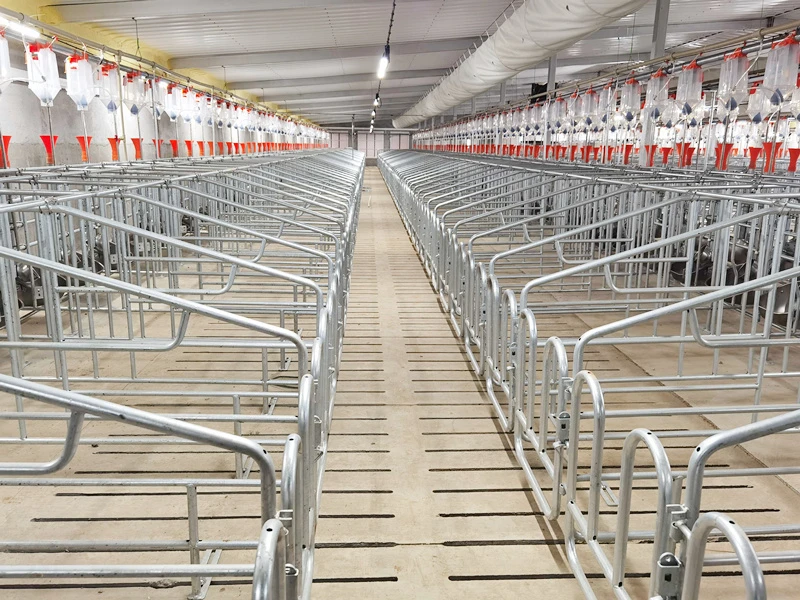
In livestock barns, this means animals stand on a cleaner surface while waste conveniently drains away below, making manual cleaning less frequent and more manageable. In industrial contexts, slatted floors improve ventilation and reduce slip hazards. For humanitarian shelters or temporary facilities, modular slatted floors provide quick assembly and flexibility in uneven or moist terrain.
Mini takeaway:
- Slatted floors are plank-like constructions with gaps for drainage and airflow.
- They’re crucial for animal welfare, worker safety, and modular building solutions.
Core Characteristics to Know About Slatted Floor Types
Durability and Material Choice
Depending on usage, slats can be made from galvanized steel, reinforced plastics, concrete, or treated wood. Durability is key, especially in environments with acidic animal waste or heavy foot traffic. Engineering the right mix ensures the floor lasts years without warping or corrosion.
Drainage and Hygiene
The hallmark of slatted floors is their ability to let liquid waste — urine, spilled water, cleaning fluids — drain away quickly. The size and spacing of the slats are tailored so that waste drops through, while animals’ hooves or workers’ feet don't get caught. This leads to healthier environments and cuts down on manual labor.
Scalability and Modularity
Many slatted floor systems are designed for modular installation, allowing them to adapt to different building sizes and shapes. This flexibility is a boon in emergency settings or evolving industrial layouts where rapid deployment or expansion matters.
Cost Efficiency
While initial investment in quality materials might be higher, savings accrue over time due to lower cleaning costs, reduced disease outbreaks, and longer lifespan. Plus, reduced labor means better allocation of human resources.
Comfort and Safety
Good slatted floor designs minimize stress and injury for animals or workers by offering stable footing and avoiding sharp edges or gaps too large. This increases productivity indirectly by fostering wellbeing.
Mini takeaway:
- Material and spacing choices balance durability, hygiene, and safety.
- Modular designs make slatted floors adaptable and cost-effective.
Real-World Applications of Slatted Floor Systems
The slatted floor type finds broad use across many industries and regions. In livestock farming, it's especially popular in Europe, North America, and increasingly Latin America, including countries like Canada and Brazil, where biosecurity is paramount.
For example, you’ll see these floors in pig and poultry barns where rapid waste removal is critical to meet animal welfare regulations. In some African and Southeast Asian regions, modular slatted floors assist NGOs in setting up quick sanitation solutions during post-disaster relief operations.
In warehousing and factory floors, slatted flooring helps maintain airflow underfoot and can be seen in cold-storage facilities or areas with chemical spills.
There are even emerging uses in greenhouses, where improved drainage supports optimal plant health.
Example real-life case:
In 2022, a livestock farm in southern Ontario converted to a plastic slatted floor system. They reported a 30% reduction in cleaning times and significant improvement in animal hoof health after a season. Operators noticed a drop in disease incidents linked to cleaner floors and faster waste management.
Mini takeaway:
- Versatility across farming, warehousing, and emergency response sectors.
- Proven benefits in animal health and labor reduction.
Slatted Floor Type Specification Table
| Specification | Wooden Slats | Plastic Composite | Galvanized Steel |
|---|---|---|---|
| Typical Width | 50-100 mm | 60-120 mm | 40-90 mm |
| Gap Between Slats | 15-25 mm | 12-20 mm | 10-18 mm |
| Max Load Capacity | 200 kg/m² | 400 kg/m² | 600 kg/m² |
| Expected Lifespan | 7-10 years | 10-15 years | 15-20 years |
| Maintenance | Seasonal treatment | Easy cleaning | Rust prevention needed |
Comparing Leading Vendors of Slatted Flooring
| Vendor | Material Offerings | Typical Use | Special Feature | Price Range (USD) |
|---|---|---|---|---|
| AgriSlat | Steel, Plastic | Swine & Cattle barns | Anti-corrosion coated steel | $15-$25/m² |
| EcoSlat Solutions | Recycled Plastic | Poultry & modular shelters | UV and chemical resistant | $18-$30/m² |
| WoodCraft Floors | Treated Hardwood | Small barns, temporary shelters | Custom sizing and finishing | $12-$20/m² |
Why the Slatted Floor Type Delivers Long-Term Value
The direct benefits of slatted floors translate into notable savings and a better footprint, especially as environmental regulations tighten. Less water usage, reduced chemical disinfectants, and fewer workplace injuries contribute to sustainability. That sense of safety for livestock or workers creates trust, and frankly, a more humane environment — which after all, is what many strive for.
Beyond dollars and cents, slatted floors minimize the emotional toil on farm workers or shelter operators who don’t have to constantly battle dirty, slippery floors. It's a comfort that often goes unsaid but counts a lot when it’s daily work.
Upcoming Innovations Changing the Game
Advances in materials science are now pushing slatted floors into “smart” territory. Imagine floors embedded with sensors to monitor moisture levels or animal movement for health alerts. Biodegradable composites and energy-harvesting tiles converting foot traffic to electricity may sound futuristic, but they're in early stages of testing.
Automation also pairs well with slatted floors since waste removal systems can be mechanized beneath the gaps, reducing human contact with waste.
Challenges & Expert Solutions
Of course, slatted floor types aren’t perfect. Common issues include slat breakage, uneven wear, or gaps becoming too clogged over time. Overly wide gaps risk injury, while narrow ones reduce drainage benefits.
Innovative maintenance programs, better modular replacements, and advanced coatings help extend longevity. As with all engineering solutions, a one-size-fits-all approach rarely works — evaluating each facility’s unique needs pays off.
FAQ: Your Questions About Slatted Floor Types Answered
Q: Can slatted floors be retrofitted into existing barns?
A: Absolutely. Many vendors offer modular kits designed for installation over or replacing old floors, allowing farms to upgrade without total rebuilding. You will want to assess subfloor drainage and footing strength.
Q: Are plastic slatted floors better than traditional wood?
A: Plastics generally offer longer lifespan, resist moisture and chemicals better, and require less maintenance. Wooden slats may be cheaper upfront but need regular treatment to avoid rot.
Q: How do slatted floors impact animal welfare?
A: By providing drier, cleaner footing, slatted floors reduce the risk of diseases and injuries such as hoof infections, improving overall animal comfort and productivity.
Q: Is it feasible to use slatted floors in emergency shelters?
A: Yes — portable and lightweight slatted floor panels assist rapid assembly on uneven or muddy ground, improving hygiene and living conditions.
Q: What standards govern slatted floor design?
A: Organizations like ISO and regional agricultural authorities provide guidelines on materials, spacing, and safety relevant to your specific application.
Wrapping Up: The Often Overlooked Value of Slatted Floors
It might surprise some to learn how such a simple architectural feature can influence so many facets of modern agriculture, industry, and relief efforts. The slatted floor type is far more than just a ventilated surface — it’s a practical enabler of hygiene, safety, and sustainability at scale.
Thinking about upgrading your barns or industrial floors? Or curious how modular setups could speed your relief housing projects? Visit our website to explore practical solutions that bridge traditional wisdom and new materials science.
Final takeaway:
- Slatted flooring solutions aren’t just about floors — they’re about healthier animals, safer workers, and smarter industries.
- Future innovations promise even more efficiency and sustainability.
References:
Post time: Dec . 02, 2025