The Unsung Hero of Poultry Farming: Exhaust Fan Poultry House Explained
When it comes to modern poultry farming, the humble exhaust fan poultry house is like the lungs of the operation. It’s easy to overlook, but without proper ventilation, poultry houses become hotbeds of ammonia buildup, disease, and discomfort for the birds—issues that can rapidly slash productivity. Understanding this technology isn't just a niche interest; it’s integral to meeting global food security challenges, improving animal welfare, and pushing poultry farming to be more sustainable worldwide.
This article explores why such exhaust fans matter globally, followed by what they are, why they work, key factors to consider, and how innovations continue to shape their role in poultry farming. So if you’ve ever peeked into a chicken coop and wondered what keeps the air feeling fresh despite so many birds packed inside, read on!
Why Exhaust Fan Poultry Houses Matter in a Global Context
Poultry farming isn't just backyard chickens—it’s a multi-billion-dollar industry feeding billions of people globally. According to the Food and Agriculture Organization of the United Nations (FAO), global poultry meat production topped 140 million tonnes in 2023, and demand keeps climbing. Yet, intensive farming environments risk poor air quality, which harms bird health and farmer safety.
Here’s the kicker: poor ventilation leads to heat stress, respiratory diseases, and ammonia toxicity in birds. These challenges limit productivity and escalate costs due to sickness and mortality. In more humid or hot climates, ineffective air circulation can be downright catastrophic. So, the exhaust fan poultry house is a practical solution—promoting airflow, reducing pollutants, and stabilizing temperature.
Mini takeaway: Effective ventilation in poultry houses isn’t just about comfort. It’s a globally recognized need to ensure food safety, animal welfare, and sustainable farming.
What Exactly Is an Exhaust Fan Poultry House?
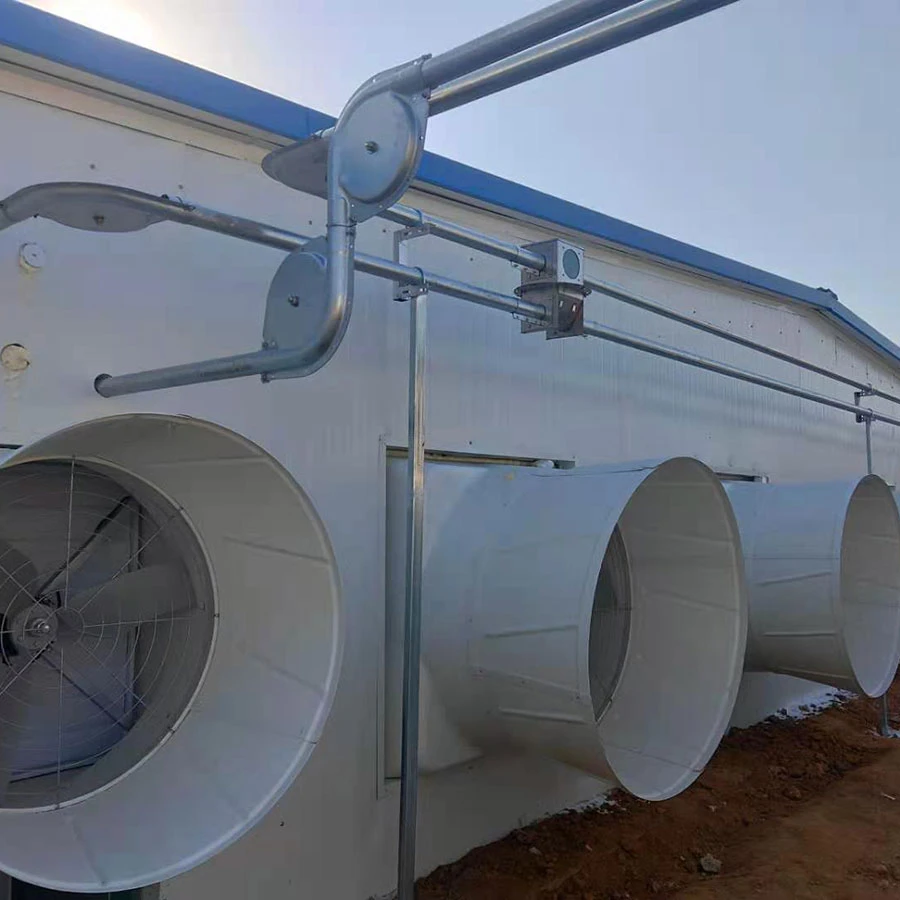
Simply put, an exhaust fan poultry house is a poultry barn or facility equipped with fans specifically designed to pull stale, humid, or contaminated air out of the building while drawing fresh air in through inlets. It’s a form of mechanical ventilation that supplants the natural airflow that might be insufficient or variable. The fans keep the barn at an even temperature and remove ammonia and dust, making a breathable environment for the birds.
In humanitarian and environmental terms, it answers a broader need identified by agencies like ISO and the UN: improving livestock housing to boost rural livelihoods and reduce environmental emissions. Ventilated poultry houses also intersect with climate-smart agriculture principles, which many countries prioritize as temperatures rise worldwide.
Core Components to Consider in Exhaust Fan Poultry Houses
1. Fan Durability and Performance
Many engineers point out that fan blades and motors designed for high dust loads and fluctuating humidity levels make all the difference. In practice, this means stainless steel or coated fans that resist corrosion and sustain long operating hours.
2. Scalability of Ventilation System
A small backyard setup doesn't need the same machinery as an industrial 50,000 bird facility. Systems must scale accordingly, not only to control airflows but for energy efficiency. Variable speed controls and zoning have become buzzwords here.
3. Cost Efficiency and Energy Use
I noticed many producers fret about the electricity bills, so choosing fans with high airflow-per-watt ratings is critical, especially in regions with unstable grids.
4. Automated Climate Controls
It's getting more common for fan operations to integrate thermometers and humidity sensors, automatically adjusting fan speeds or switching them off during cooler nights. It’s all about matching airflow to the birds' needs in real time.
5. Noise and Maintenance Considerations
Oddly enough, noisy fans can stress poultry, impacting welfare. Plus, ease of cleaning and access for repairs are often overlooked but hugely important.
Mini takeaway: Investing in a well-designed exhaust fan system balances upfront costs with long-term savings and bird health improvements — a win-win.
Global Applications: Where and How Exhaust Fan Poultry Houses Are Changing the Game
In the US and Europe, large-scale poultry operations routinely deploy sophisticated exhaust fan systems that tie into fully automated climate control software. Meanwhile, in tropical countries like Brazil, India, and Vietnam, where heat stress is a huge challenge, these fans prevent losses during peak summer months.
In humanitarian settings, say refugee camps or post-disaster rebuilding of rural farming infrastructure, low-cost but effective exhaust fans keep poultry viable — ensuring families have access to protein-rich food. In remote industrial zones of Africa or Central Asia, self-powered or solar-assisted ventilation systems are an emerging solution.
Example: A Case in Southeast Asia
One poultry cooperative in Vietnam retrofitted traditional open-sided houses with exhaust fans and saw a 15% increase in bird weight gain over a season. Farmers credited better temperature control and lower illness rates — translating into better incomes.
Exhaust Fan Poultry House: Specification Table
| Feature | Typical Specification | Benefit |
|---|---|---|
| Fan Diameter | 36 - 48 inches | Optimal airflow for large barns |
| Airflow Capacity | 15,000 - 30,000 CFM | Efficient pollutant removal |
| Material | Galvanized steel or coated aluminum | Corrosion resistant, long life |
| Motor Type | Continuous duty, 1/2 - 1 HP | Reliable & energy efficient |
| Control System | Thermostat & humidity sensor integration | Automated climate management |
Comparing Popular Exhaust Fan Suppliers
| Supplier | Price (per unit) | Warranty | Unique Feature |
|---|---|---|---|
| AgriFan Co. | $250 - $350 | 2 years | High-efficiency blades |
| PoultryVent Ltd. | $300 - $400 | 3 years | Smart thermostat integration |
| EcoBreeze | $275 - $325 | 1.5 years | Low power consumption |
Long-Term Benefits of Optimized Exhaust Fan Systems
An efficient exhaust fan poultry house isn’t just about fans spinning; it’s about sustainability and trust. By reducing the likelihood of disease, you’re not only protecting the birds but also the farmers’ livelihoods. There’s a peace of mind knowing birds breathe clean air and grow comfortably—a compelling emotional and practical benefit.
From a business perspective, healthier flocks mean better feed conversion ratios and less medication cost. Environmentally, controlling ammonia emissions aids local air quality. These systems feel like a simple tech upgrade but ripple through the whole supply chain.
Future Directions: What’s Next for Exhaust Fan Poultry Houses?
The future hints at increasingly smarter solutions. Imagine fan systems that adjust to bird behavior via AI monitoring or integrate solar power to cut carbon footprints. Materials like lightweight composites could further reduce maintenance. The drive toward climate-positive farming pushes innovations in exhaust fan poultry houses beyond traditional boundaries.
Also, increasingly stringent regulations on animal welfare and emissions will nudge operators to embrace smarter and greener ventilation practices. It’s not just a nice-to-have anymore; it’s fast becoming a requirement.
Challenges and Real-World Solutions
Ventilation systems suffer when maintenance skills or resources are scarce. Fans may break down, or operators might use them inefficiently due to power cost fears. Corrosion and dust buildup also wear down equipment faster than expected. Thankfully, modular fan designs, remote monitoring, and training programs offer practical ways to keep these systems humming even in remote farms.
Some farms experiment with solar-powered exhaust fans to reduce grid dependency—an interesting workaround in areas with unreliable electricity.
FAQs About Exhaust Fan Poultry Houses
- Q1: How frequently should exhaust fans be maintained in a poultry house?
- A: Regular maintenance every 3 to 6 months is recommended to ensure optimal performance and prevent breakdowns. Cleaning blades and checking electrical components are essential steps.
- Q2: Can exhaust fan poultry houses help reduce ammonia levels significantly?
- A: Yes, by improving airflow, exhaust fans lower ammonia concentration, creating a healthier environment for birds and workers alike.
- Q3: Are automated controls worth the investment?
- A: For larger operations, smart climate control systems typically pay off by optimizing fan usage, reducing energy costs, and improving bird welfare.
- Q4: Can exhaust fan poultry houses be retrofitted into existing buildings?
- A: Absolutely. Many older poultry houses can be upgraded with modern exhaust fans and control systems to boost ventilation efficiency.
Bringing it All Together
The journey from a simple barn to a high-functioning exhaust fan poultry house is more than a technical upgrade—it’s an investment in animal welfare, operational efficiency, sustainability, and ultimately, food security. If you’ve been wondering how to take your poultry operation to the next level or just curious about what keeps bird barns comfortable, this technology deserves serious consideration.
For those interested in exploring exhaust fan poultry house options, check out our detailed resources or reach out to providers like exhaust fan poultry house specialists for personalized advice.
References
Post time: Dec . 02, 2025