Understanding 5 Tonne Feed Bins: A Global Perspective on Efficiency and Sustainability
Feed storage is one of those critical yet often overlooked components in agriculture and livestock management worldwide. Specifically, 5 tonne feed bins stand out as a practical size offering a sweet spot between capacity and manageability. They play an essential role in ensuring animals receive consistent nutrition, reducing waste, and ultimately supporting food security — which is something that matters globally, whether you’re a family farm in rural Africa or a massive industrial feedlot in South America.
Why 5 Tonne Feed Bins Matter Globally
According to FAO statistics, approximately 33% of all food produced globally is lost or wasted, with storage inefficiencies being a key contributor. Bulk feed storage solutions like 5 tonne bins directly reduce such losses by safeguarding feed against spoilage, pests, and weather damages. There’s also a significant economic benefit: less waste equals lower feed costs, supporting farmers' incomes. Plus, better feed management contributes to stable livestock productivity, critical to combating hunger and maintaining livelihoods in developing regions.
Mini takeaway: Proper feed storage with appropriately sized bins is a small but vital piece in the global food security puzzle.
Defining 5 Tonne Feed Bins
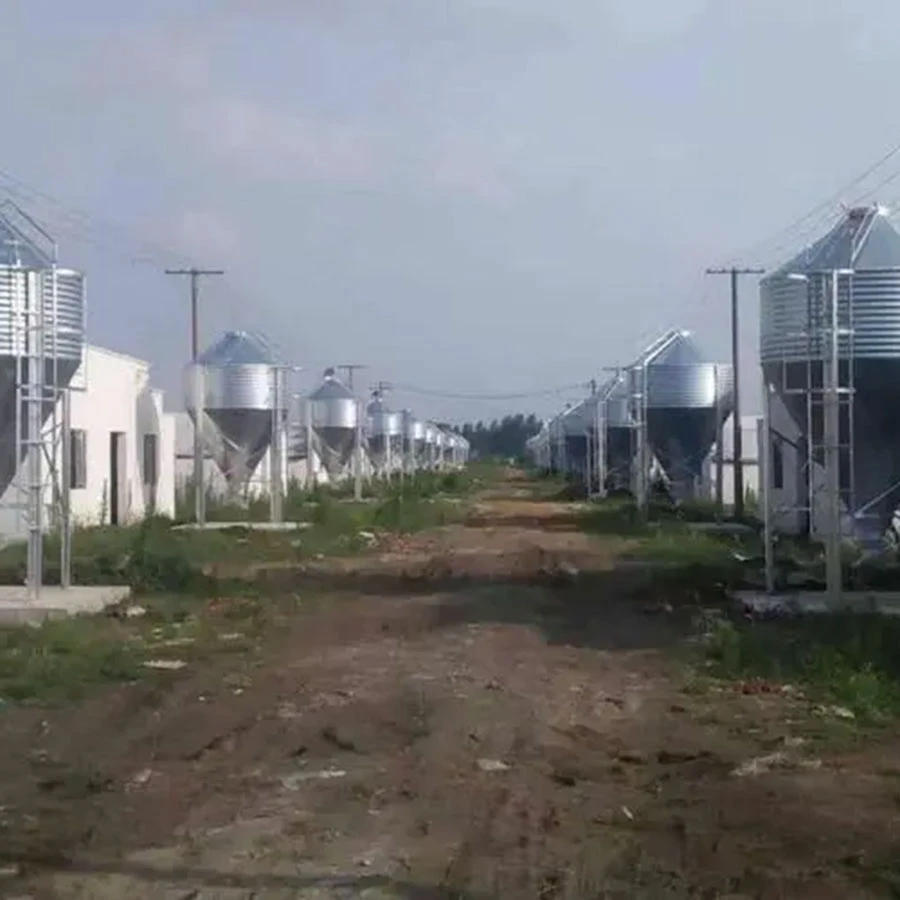
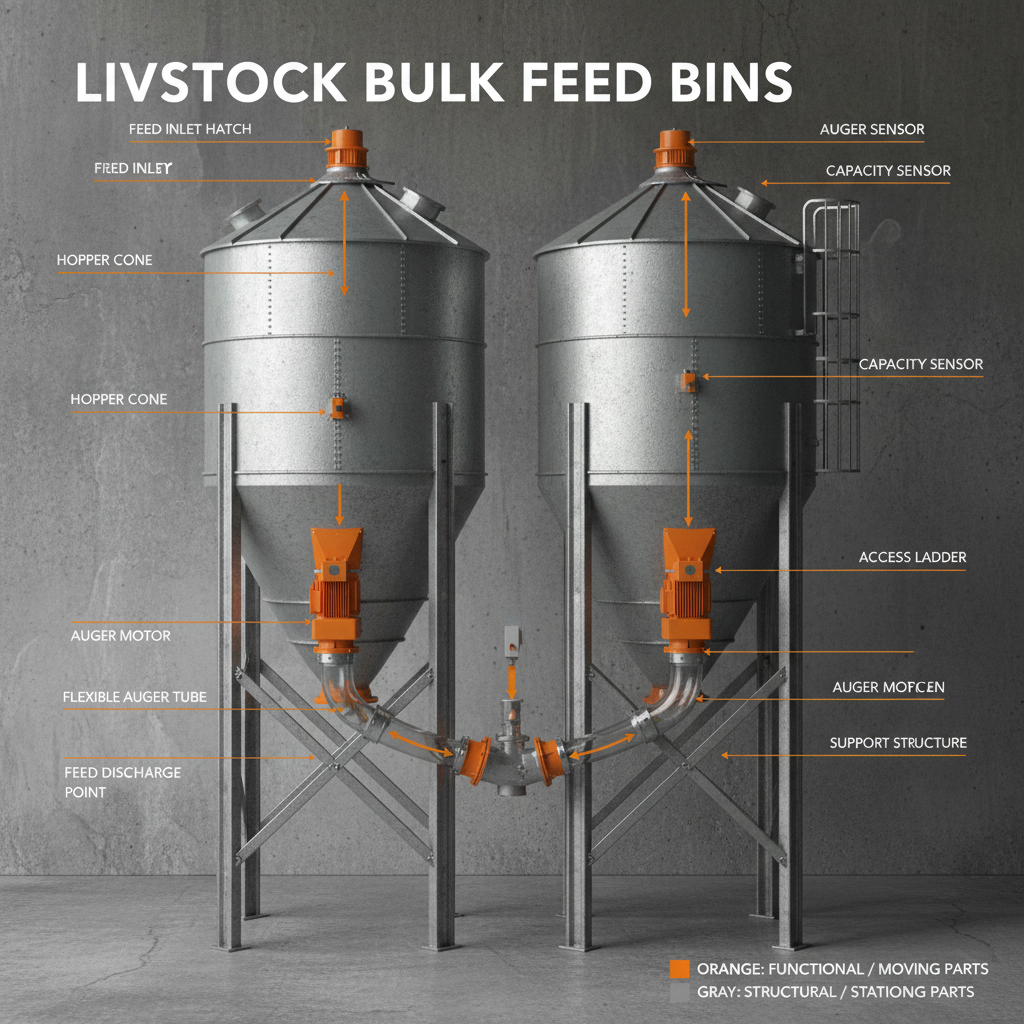
So, what exactly is a 5 tonne feed bin? Put simply, it’s a structural container designed to store up to five metric tonnes of animal feed, often grains or pellets. These bins are typically made from durable materials like galvanized steel or reinforced plastic and are engineered to protect feed quality over time. The choice of 5 tonnes is popular because it balances between being large enough to reduce frequent refilling and small enough to be portable or fit limited farm spaces.
In terms of modern industry, these bins tie into efficient farm management practices emphasizing automation, traceability, and sustainability. On the humanitarian front, feed bins can support emergency livestock feeding programs post-disaster, helping communities recover faster.
Key Features of 5 Tonne Feed Bins
Durability
Longevity matters here. Galvanized steel bins resist rust and corrosion, enduring harsh climates ranging from humid tropics to semi-arid plains.
Scalability and Modularity
These bins can be combined in multiple units, allowing farms to scale up feed capacity in line with herd size or seasonal demands.
Cost Efficiency
Compared to bulk silos, 5 tonne bins have lower upfront costs and maintenance needs — key for small to medium farms.
Ease of Handling & Installation
They tend to come in modular kits or pre-fabricated units, which makes delivery and on-site assembly straightforward, even in remote areas.
Protection Features
Sealed lids, pest guards, and moisture barriers are common, preserving feed freshness and preventing contamination.
| Specification | Details |
|---|---|
| Capacity | 5 Metric Tonnes (approx. 5,000 kg) |
| Material | Galvanized Steel / Reinforced Plastic |
| Dimensions | ~2.5m diameter x 3.2m height (varies by model) |
| Protection | Pest guards, sealed lids, UV coating |
| Installation | Modular assembly, tool-free options available |
Mini takeaway: The design and material choices for 5 tonne feed bins marry practicality with durability — very necessary for real farm conditions.
Global Applications and Use Cases
These bins are everywhere, really. In the US Midwest, large-scale cattle farms use them to store corn silage; in Australia, sheep stations rely on them to keep pellets dry through unexpected rain. They see crucial use in developing regions, too, supporting smallholder farmers by offering affordable, reliable bulk storage.
Oddly enough, they are also integral in humanitarian aid. After floods in Bangladesh, emergency livestock feed bins were pivotal in stabilizing the affected rural economies. Meanwhile, remote mining or construction camps use these bins to maintain orderly feed for onsite animals without risking spoilage, which cost-effectiveness there is critical.
Vendor Comparison of Common 5 Tonne Feed Bin Suppliers
| Vendor | Material | Price Range | Lead Time | Installation |
|---|---|---|---|---|
| AgriBins Co. | Galvanized Steel | $1,200 - $1,500 | 2-3 weeks | Professional onsite |
| FeedSafe Ltd. | Reinforced Plastic | $1,000 - $1,400 | 1-2 weeks | Modular self-assembly |
| Crop & Livestock Systems | Hybrid (Steel + Plastic) | $1,300 - $1,600 | 3-4 weeks | Professional & DIY options |
Advantages and Long-Term Value
There’s a lot of “hard” benefit here — cost savings from reduced spoilage, less frequent ordering, and simplified logistics. But I think the intangible benefits stand out just as much. For farmers, reliable feed storage means peace of mind during tough seasons, the feeling of control over their livelihood. For industries, it’s about trust and operational efficiency. And from an environmental standpoint, these bins help minimize feed waste, which reduces methane emissions from decomposing stored grains — a noteworthy contribution to climate mitigation.
In real terms, adopting 5 tonne feed bins can enhance herd health by preserving nutrient quality. That’s not just an economic win but also an ethical one — animals thrive better and farmers feel better.
Future Trends and Innovations
Innovation is dashingly present here: expect upgrades involving smart sensors that monitor feed levels and moisture remotely, so farmers get alerts via apps. Materials are evolving, too — bio-based composites aiming for lighter, more eco-friendly bins are entering the scene. Solar-powered aeration systems are making it into some high-tech models, helping maintain optimal conditions inside the bins without adding to carbon footprints.
Regulatory shifts toward sustainability also propel manufacturers to prioritize recyclable components and reduce production emissions. It feels like we’re just at the start of a digital transformation in feed storage.
Challenges and Expert Solutions
But, let’s keep it real — these bins aren’t perfect. A common limitation is vulnerability to extreme weather if improperly installed or maintained. Also, pest invasions can still happen if seals degrade. Then there’s the challenge of cost for very small or marginalized farmers who might find even modest upfront prices daunting.
Experts recommend regular maintenance checks, upgrading seals periodically, and community-shared feed bin programs to spread costs. Some NGOs collaborate with manufacturers to subsidize deployment in low-income regions. Modular self-assembly designs also lower installation barriers significantly.
FAQ: Frequently Asked Questions About 5 Tonne Feed Bins
Q1: How long can a 5 tonne feed bin preserve feed quality?
A well-maintained 5 tonne feed bin, especially those with pest and moisture barriers, can preserve feed quality for several months. Of course, the exact duration depends on factors like local climate, feed type, and how tightly the bin is sealed.
Q2: Are 5 tonne feed bins portable?
Generally, they’re semi-portable. While not exactly “pick it up and move,” many models come as modular kits that can be disassembled and relocated with the right equipment, making them suitable where flexibility is needed.
Q3: Can I customize the feed bins for different types of feed?
Yes. Depending on vendor options, you can choose added features such as different liners, ventilation systems, or reinforced sections for heavier or more abrasive feed types.
Q4: How do I prevent pests from invading my feed bin?
Effective sealing, routine inspections, and using pest-proof coatings or guards can minimize infestations. Ensuring the bin sits on a solid base also helps reduce rodent access.
Q5: Where can I buy quality 5 tonne feed bins?
There are multiple reputable suppliers globally, but for a reliable source, visit 5 tonne feed bins to explore current offerings and support.
Conclusion
In sum, 5 tonne feed bins are more than just storage solutions. They are vital cogs in the global effort to optimize food supply chains, support farmers’ livelihoods, and promote sustainable livestock management. As technology evolves and sustainability becomes paramount, these bins will continue adapting, blending innovation with the age-old need for reliable feeding systems. Interested in upgrading your feed storage? Visit our website for expert advice and options tailored to your operation’s needs.
Final thought: The 5 tonne feed bin’s quiet assurance of safety and efficiency might just be one of farming’s unsung heroes.
References:
1. Food and Agriculture Organization of the United Nations (FAO), Food Loss and Waste Statistics.
2. International Organization for Standardization (ISO), Guidelines on Feed Storage and Safety.
3. United Nations World Food Programme, Livestock Support Initiatives.
Post time: Dec . 07, 2025