Understanding Farrowing Crate Flooring: Why It Matters in Modern Swine Production
Farrowing crate flooring might sound like a niche topic, but it holds global significance in the livestock industry, especially in pig farming. At its core, it’s about creating a floor system inside farrowing crates — the enclosures where sows give birth and nurse piglets. But beyond mere function, the right flooring can improve animal welfare, boost farm productivity, and impact resource use worldwide.
Swine production is a pillar of food security globally — the UN’s Food and Agriculture Organization (FAO) reported that pig meat accounts for about 36% of total meat consumption worldwide. Given the scale and ethical considerations, understanding the installations—farrowing crate flooring included—that support health and efficiency, becomes an essential piece of the puzzle.
Farrowing Crate Flooring in the Global Context of Animal Husbandry
Worldwide, livestock farming faces enormous pressure to deliver sustainably while attending to growing welfare standards. It may seem odd, but the floor beneath sows in a farrowing crate can influence disease control, heat regulation, and piglet safety. As countries strive to increase pork production — especially in Asia and Europe — the design and materials of farrowing crate flooring become critical.
The World Bank data shows that global pig inventories have been steadily rising, reflecting huge demand pressures. At the same time, international regulations such as those from the International Organization for Standardization (ISO) push for uniform welfare standards. The problem? Many farms still rely on outdated or suboptimal flooring, affecting outcomes in piglet mortality, hygiene, and even the emotional well-being of the animals. That’s the gap farrowing crate flooring aims to address with innovation and thoughtful design.
What Exactly Is Farrowing Crate Flooring?
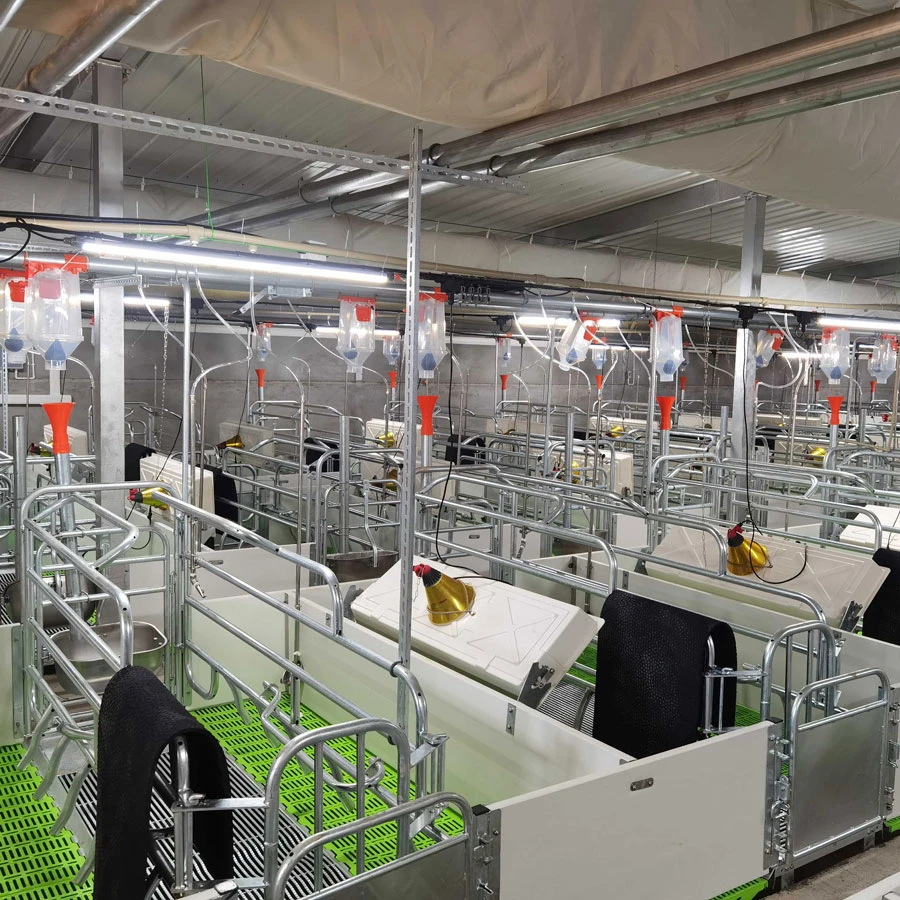
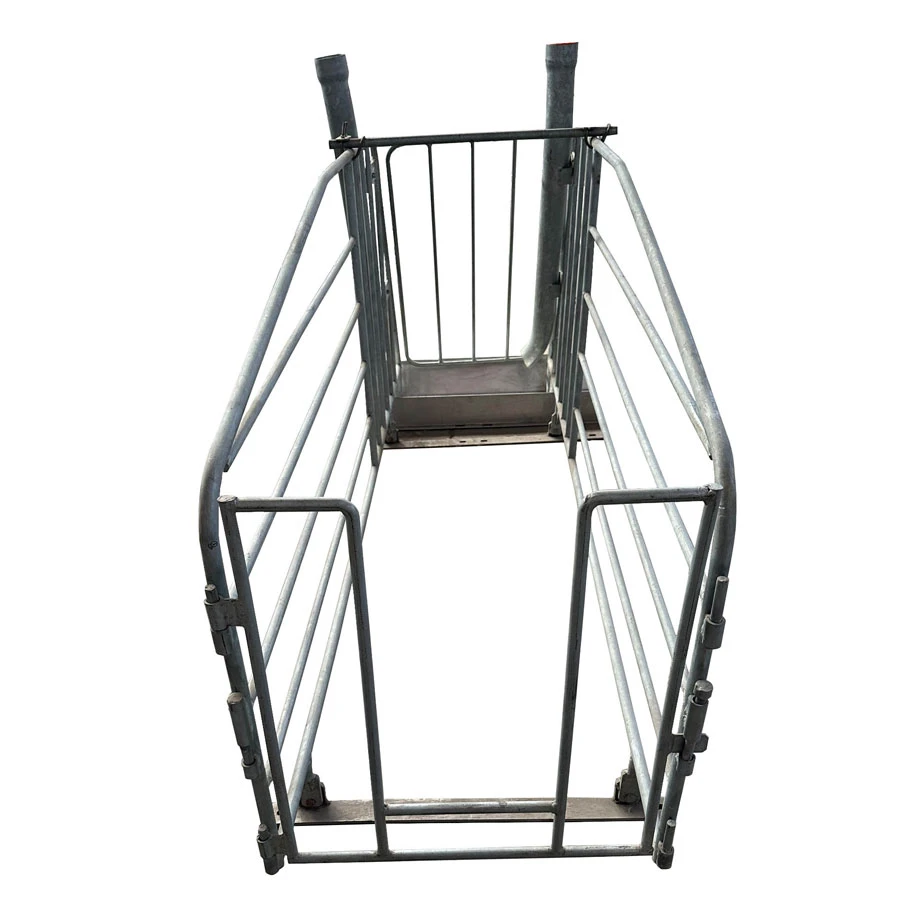
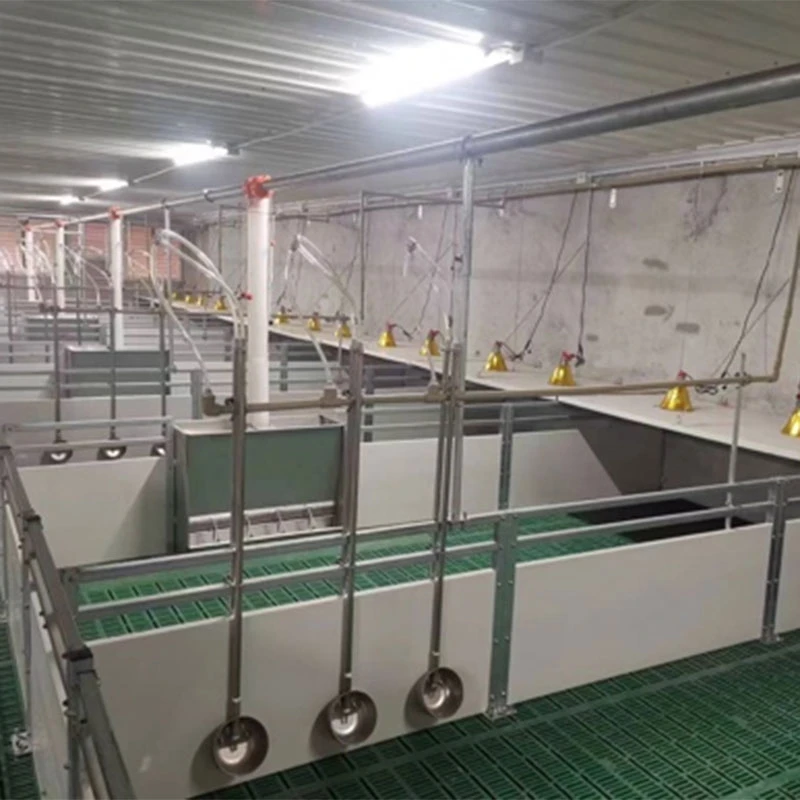
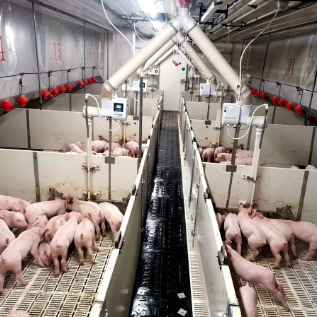
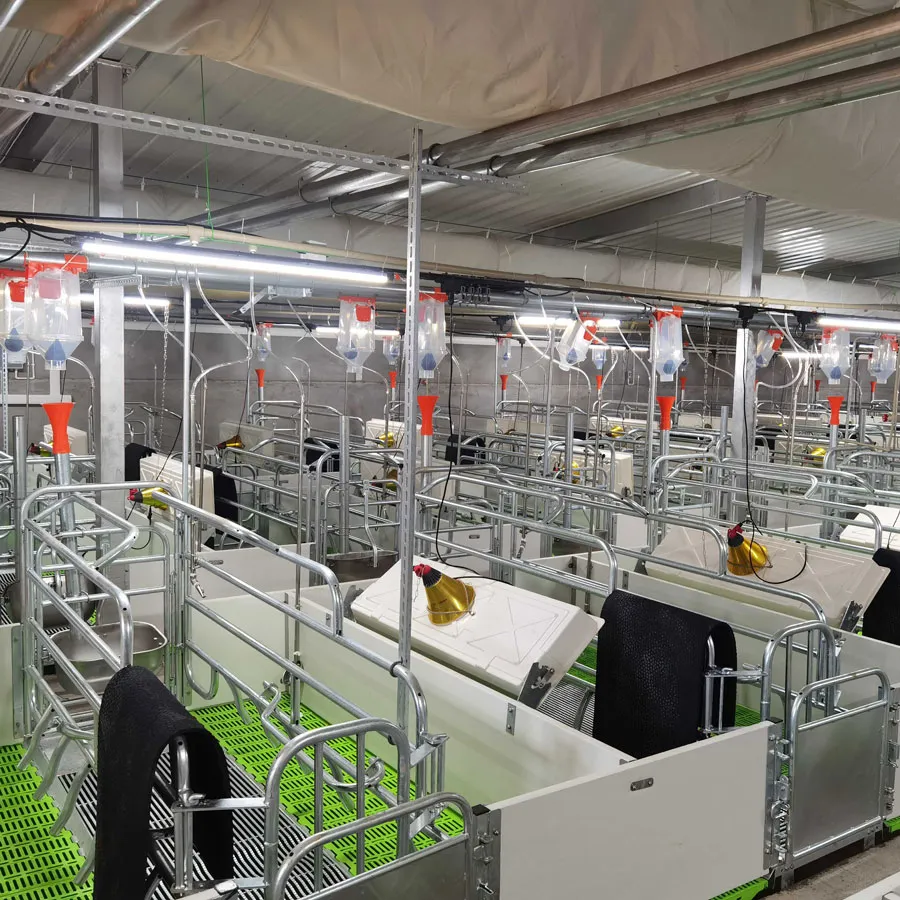
Put simply, farrowing crate flooring is the base surface inside farrowing crates where sows and their piglets spend crucial early life stages. It’s not just a plain slab—it’s engineered with materials and configurations that must provide comfort for the sow, allow waste to be drained or cleaned efficiently, and ensure piglets don’t get trapped or injured.
These floors vary widely: from perforated plastic slats that drain waste to concrete with rubber overlays designed for grip and comfort. The ultimate goal is balancing durability, cleanliness, and thermal comfort — all critical to the health of both mother and piglets.
Mini Takeaway:
- “Farrowing crate flooring” embodies a specialized component with direct impacts on animal welfare and operational success.
Key Aspects That Make Farrowing Crate Flooring Effective
1. Durability & Material Choice
The floor must withstand constant use, aggressive cleaning chemicals, and animal movement. Concrete persists as a common choice for its longevity, but innovations include high-density plastics and composite materials. Each brings trade-offs — concrete is tough but cold and hard; plastics are warmer but can wear faster.
2. Hygiene & Waste Management
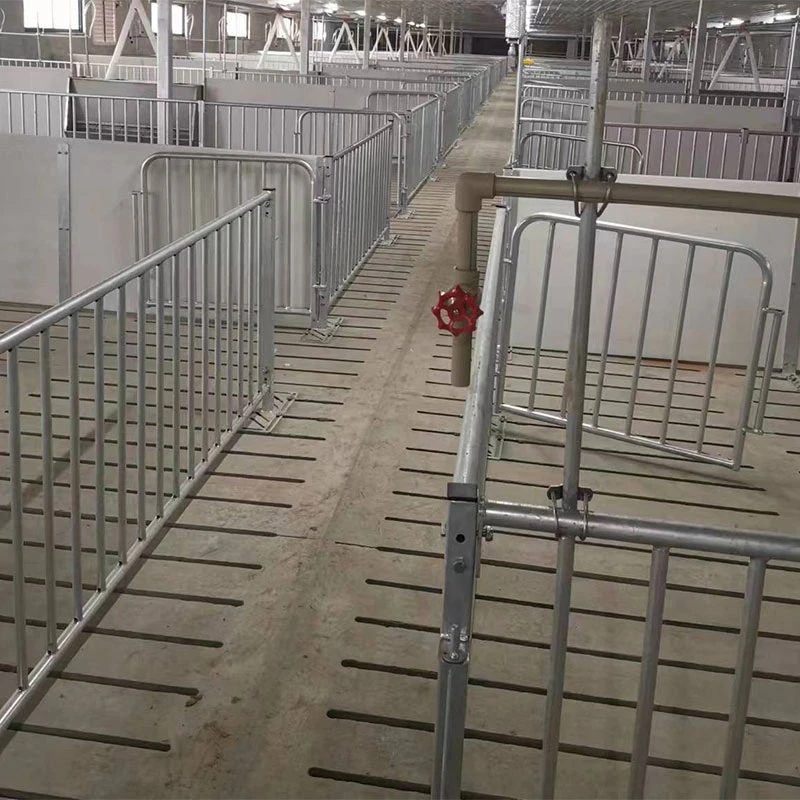
Proper drainage or perforation designs reduce the risk of infections by removing urine and fecal matter quickly. For example, slatted floors allow piglets’ waste to slip through, making daily cleanings easier and reducing bacterial buildup.
3. Thermal Comfort
Piglets are notably sensitive to cold. Floors with embedded heating or insulated overlays drastically improve survival rates, as piglets avoid hypothermia and sows can lie more comfortably.
4. Safety and Piglet Protection
Well-designed textures and gaps prevent piglets from getting stuck or injured by the sow accidentally crushing them — a surprisingly common cause of loss in farm operations.
5. Cost Efficiency & Installation
The ideal floor balance balances initial investment with longevity and maintenance costs. Furthermore, ease of installation and replacement shape the farm’s adaptability and day-to-day workflow.
Mini Takeaway:
- Strong, hygienic, comfortable, and cost-conscious are the four pillars you want from any farrowing crate floor.
Global Applications and Real-World Use Cases
As pig farming scales up, regions like China and the EU lead in adopting advanced farrowing crate flooring. For instance, large-scale commercial farms in Denmark deploy rubber-coated slatted floors equipped with underfloor heating, vastly reducing piglet mortality. Meanwhile, smaller-scale operations in Brazil have been experimenting with modular plastic flooring to swiftly upgrade outdated concrete systems.
In humanitarian settings or post-disaster agriculture recovery, farrowing crate flooring — though rarely spotlighted — plays a subtle yet vital role in rebuilding local livestock productivity. In regions recovering from floods or droughts, safe, hygienic flooring helps prevent disease outbreaks, securing livelihoods.
Some tech-forward farms now combine smart sensors under floor panels to monitor temperature and humidity in real time, optimizing conditions without manual checks — a small glimpse into the ongoing digital transformation.
Advantages and Long-Term Benefits of Quality Farrowing Crate Flooring
- Cost Savings: Reduced piglet mortality means higher productivity and better return on investment.
- Animal Welfare: Comfortable, safe flooring supports behavioral needs and welfare certifications.
- Environmental Impact: Better waste management floors reduce runoff pollution and improve farm sanitation.
- Operational Efficiency: Easier cleaning routines save labor and reduce disease pressures.
- Trust: Consumers increasingly demand ethically raised pork, and flooring plays a subtle yet critical role.
It feels like such a small piece in the vast food production chain, yet neglected flooring can cascade into big losses — financial, ethical, and environmental.
Future Trends: What’s Next for Farrowing Crate Flooring?
Looking ahead, industry insiders highlight three exciting shifts:
- Smart Flooring Systems: Embedded sensors and IoT technology to monitor temperature, moisture, and contamination levels automatically.
- Sustainable Materials: Recycled plastics and bio-composites to reduce environmental footprints and improve insulation.
- Modularity and Flexibility: Quick-install systems to retrofit existing crates or expand capacity rapidly without costly downtime.
Moreover, as welfare legislation evolves, we may see floors that incorporate gentle incline patterns to aid sows in movement or sub-floor drainage that uses natural wetlands to filter waste — marrying tech with nature.
Challenges and Solutions in Farrowing Crate Flooring Today
Despite advances, challenges remain. One common issue: the tradeoff between comfort and durability. Softer surfaces often wear out sooner; harder surfaces stress animals more. Cleaning protocols can be laborious if floors are not designed for easy drainage.
To overcome these, many farms now use hybrid flooring — combinations of rubber mats on slatted bases — that blend comfort with practical longevity. Training and maintenance schedules also go a long way toward preserving flooring and reducing problems.
Product Specification Table: Typical Farrowing Crate Flooring Options
| Feature | Concrete Slatted | Rubber Mat Overlay | Plastic Modular Panels |
|---|---|---|---|
| Material | Precast concrete | Natural rubber | High-density polyethylene |
| Drainage | Slatted design | Used with slatted base | Perforated, quick drainage |
| Thermal Comfort | Low (cold surface) | High (soft, insulating) | Medium |
| Durability | Very high | Moderate | High |
| Installation Complexity | High (permanent) | Moderate (overlay) | Low (modular) |
Vendor Comparison: Popular Farrowing Crate Flooring Solutions
| Vendor | Product Range | Customization | Price Range | Global Reach |
|---|---|---|---|---|
| SwineFlo Systems | Concrete & rubber hybrids | High | $$$ | Europe, Asia |
| AgriTech Plastics | Modular plastic panels | Medium | $$ | North America, Latin America |
| EcoFarm Flooring | Recycled & sustainable materials | High | $$$ | Global |
Frequently Asked Questions About Farrowing Crate Flooring
Q1: What type of flooring reduces piglet mortality the most?
A1: Floors that provide thermal comfort—usually rubber mats combined with a slatted base—help maintain piglet body temperature and reduce crushing incidents. Proper drainage also cuts disease risks, which indirectly lowers mortality.
Q2: How often should farrowing crate floors be cleaned?
A2: Ideally, floors are cleaned daily or between litters to prevent bacterial buildup. Slatted or perforated designs make this easier. Proper sanitation aligns with industry welfare standards and improves overall herd health.
Q3: Are modular plastic floors compatible with existing crates?
A3: Yes, many modular panels are designed for retrofit, offering farms a low-disruption upgrade path. Their lightweight design also simplifies installation and repair compared to permanent concrete flooring.
Q4: Can farrowing crate floors impact sow comfort?
A4: Absolutely. Comfortable flooring encourages natural behaviors and reduces stress, leading to better feeding and nursing. Material choice matters: rubber overlays have a noticeable positive effect compared to bare concrete.
Q5: What innovations are emerging in farrowing crate flooring?
A5: Look out for smart embedded sensors for monitoring environment conditions, sustainable material blends, and modular systems that adapt to various farm sizes without heavy machinery for installation.
Conclusion: Flooring Your Way to Smarter, Kinder Farming
It’s curious how the surface beneath the sow can ripple out into far-reaching benefits—from enhanced animal welfare to improved farm efficiency and profitability. Farrowing crate flooring is not just a technical detail; it’s a keystone in sustainable, modern pig farming.
If you’re involved in livestock production or agriculture planning, I highly recommend exploring the latest flooring solutions. For reliable products and resources, visit our site to find tools that balance care, cost, and innovation in one textured surface.
Key Takeaway:
Investment in the right farrowing crate flooring delivers healthier animals, better operational outcomes, and supports a more ethical approach to food production — a true win-win for all involved.
References
Post time: Dec . 02, 2025