Understanding Farrowing Equipment: Why It Matters Globally
If you’ve ever wondered how piglets safely come into the world on farms across the globe, farrowing equipment is the quiet hero behind the scenes. In simple terms, this equipment provides the infrastructure needed for sows to give birth and nurture their young in a way that promotes piglet survival, health, and overall farm productivity.
Why should we care on a global scale? Well, pork is one of the most consumed meats worldwide, with millions of smallholders and large-scale farms depending on efficient farrowing to meet demands. The efficiency and safety delivered by modern farrowing equipment directly impact global food security, animal welfare, and farmers’ economic sustainability. Understanding the nuts and bolts of this equipment uncovers how innovation keeps pace with a fast-changing world.
The Global Context: A Worthy Challenge
Pork production accounts for nearly 36% of global meat consumption according to the Food and Agriculture Organization. Yet, piglet mortality remains a stubborn problem, sometimes reaching 20-30% in certain regions. Here’s where farrowing equipment — from crates to heated creep areas — steps in to buffer losses and improve survival rates.
The global agricultural landscape, shaped by urbanization and climate pressures, amplifies challenges for pig farming. Countries ranging from China and Brazil to emerging markets in Africa adopt smarter farrowing solutions to balance tougher environmental regulations, biosecurity needs, and growing consumer expectations for humane treatment. Frankly, the stakes are high — lives, livelihoods, and food supply chains hang in the balance.
What Exactly is Farrowing Equipment?
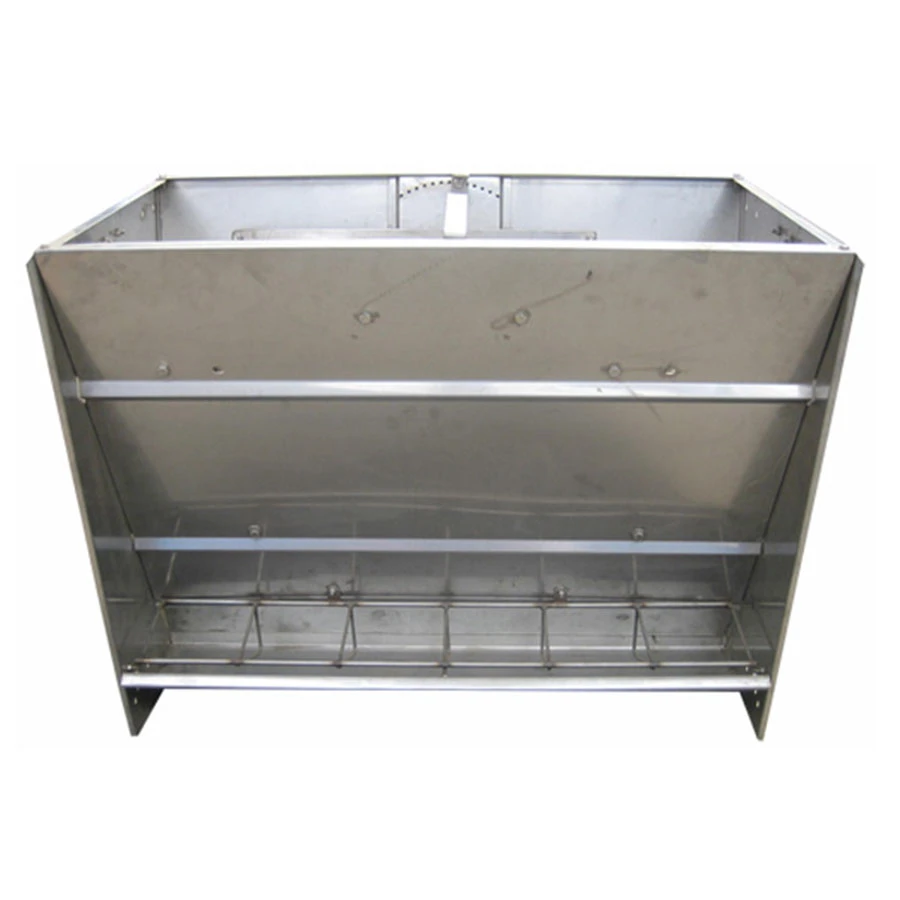
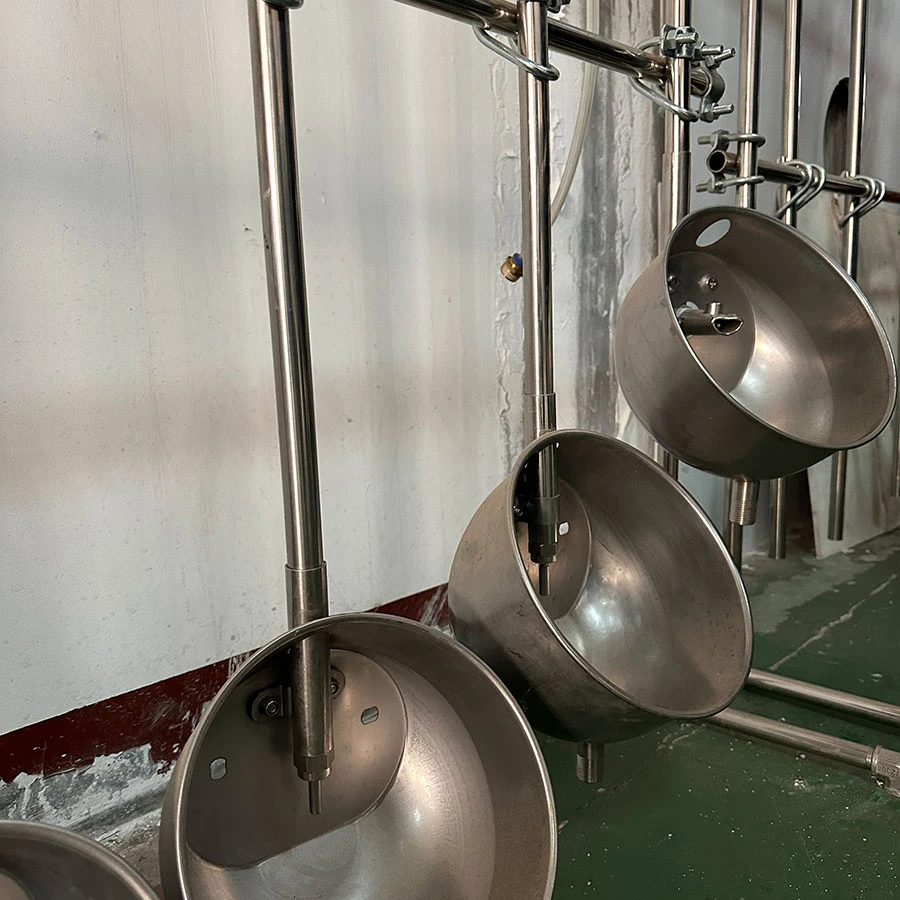
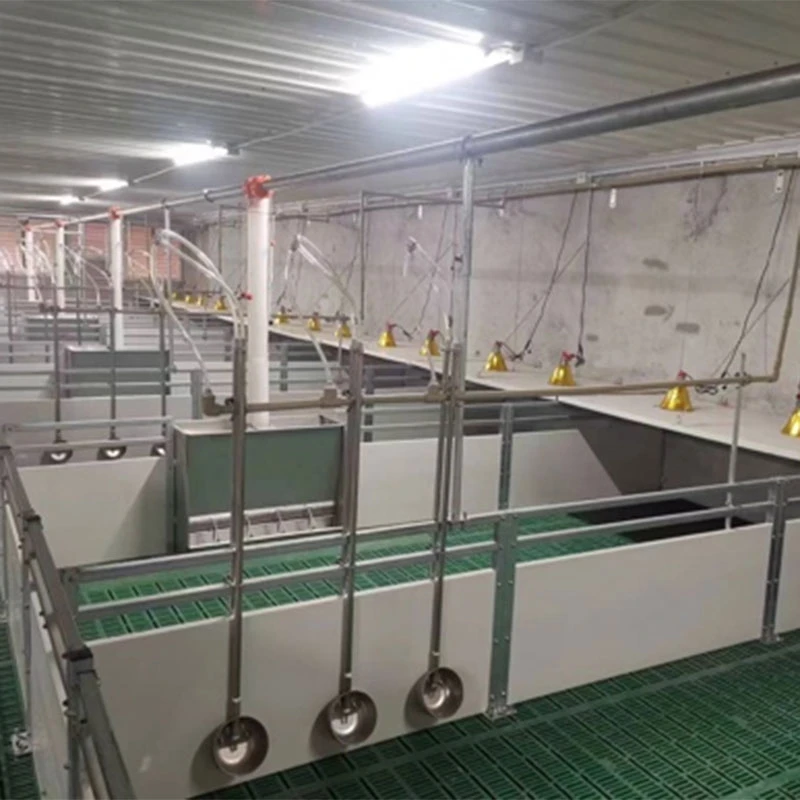
At its core, farrowing equipment is the system of physical structures and devices designed around the birthing process of pigs. This includes farrowing crates, pens, heating lamps, flooring, feeders, waterers, and sometimes even waste management systems optimized for sows and their newborns.
Its role is multifaceted: protecting piglets from being crushed, keeping the environment warm enough for fragile newborns, and facilitating easy access to feed and water for the mother. Around the world, these systems have evolved beyond simple wooden frames to high-tech, modular, and adjustable units integrated into industrial farming setups.
Mini takeaway:
Farrowing equipment is not just a box—it’s an engineered solution that bridges animal welfare with production efficiency worldwide.
Core Features That Make Farrowing Equipment Work
1. Durability and Hygiene
Durability means the equipment withstands constant exposure to waste, moisture, and physical stress from animals. Many manufacturers now use coated steel or heavy-duty plastics, which also ease cleaning. I noticed that farms with better hygiene protocols tend to have lower disease outbreaks—farrowing equipment plays a big part here.
2. Temperature Control
Newborn piglets can get chilled quickly, which is dangerous. Hence, many designs incorporate heated creep areas with adjustable temperature zones. The key is balancing sow comfort with piglet warmth.
3. Safety Design
Farrowing crates reduce the risk of sow crushing piglets—a leading cause of mortality. These crates are crafted to limit sow movement without causing stress—though some animal welfare groups contest this, advocating for enriched environments.
4. Scalability and Modularity
Whether it’s a family-run farm or a commercial operation, scalability matters. Modular farrowing systems allow easy expansion or reconfiguration without a costly overhaul, which many clients have praised as “future-proof.”
5. Cost Efficiency
Obviously, budgets differ massively across geographies. Equipment that offers the best ROI—less downtime, easier repairs, longer life—is always in demand.
6. Waste Management Compatibility
Especially in large-scale facilities, integration with manure handling systems is critical. Efficient drainage and waste flow can make all the difference in compliance with environmental standards.
Mini takeaway:
Each feature matters not in isolation but in how well they balance sow comfort, piglet safety, and farm operator needs.
Farrowing Equipment in Action: Global Use Cases
In East Asia, cutting-edge farrowing crates featuring heated mats and automated feeders are prevalent in mega-farms, helping streamline pork exports. Meanwhile, smallholder farmers in sub-Saharan Africa often favor simpler, locally fabricated pens that still enhance survival rates significantly.
Post-disaster regions, too, have unique needs. Think humanitarian organizations deploying portable farrowing setups in rural reconstruction projects — these prioritize quick installation and biosecurity.
Also notable are organic and free-range farmers in Europe who adopt farrowing pens that promote natural behaviors while still limiting mortality risks.
Advantages and Why They Really Matter
First up: better piglet survival rates translate directly into increased farm profits. This is no small thing, given fluctuating feed costs and market prices. As farms grow, farrowing equipment that’s easy to maintain and adaptable becomes an unquestioned asset.
On the social side, improving sow welfare while minimizing piglet injuries taps into growing consumer demands for ethical meat. There’s a clear emotional value for farmers, too: many tell me they sleep better knowing their animals are safer thanks to reliable housing.
Sustainability also enters the frame. Equipment that reduces waste contamination and optimizes heating energy use supports greener farming practices—key as regulations tighten.
Here's a quick specification overview for a typical farrowing crate system:
| Feature | Details |
|---|---|
| Material | Powder-coated steel frame with plastic floor inserts |
| Dimensions | 2.1m length x 0.7m width x 1.1m height |
| Heating System | Adjustable electric heated creep area, thermostat controlled |
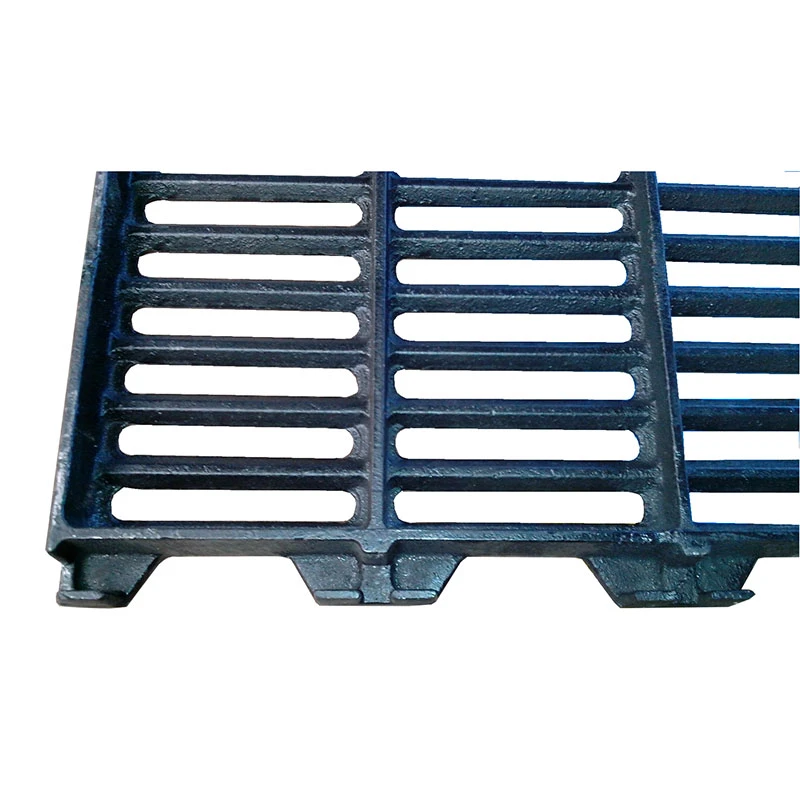
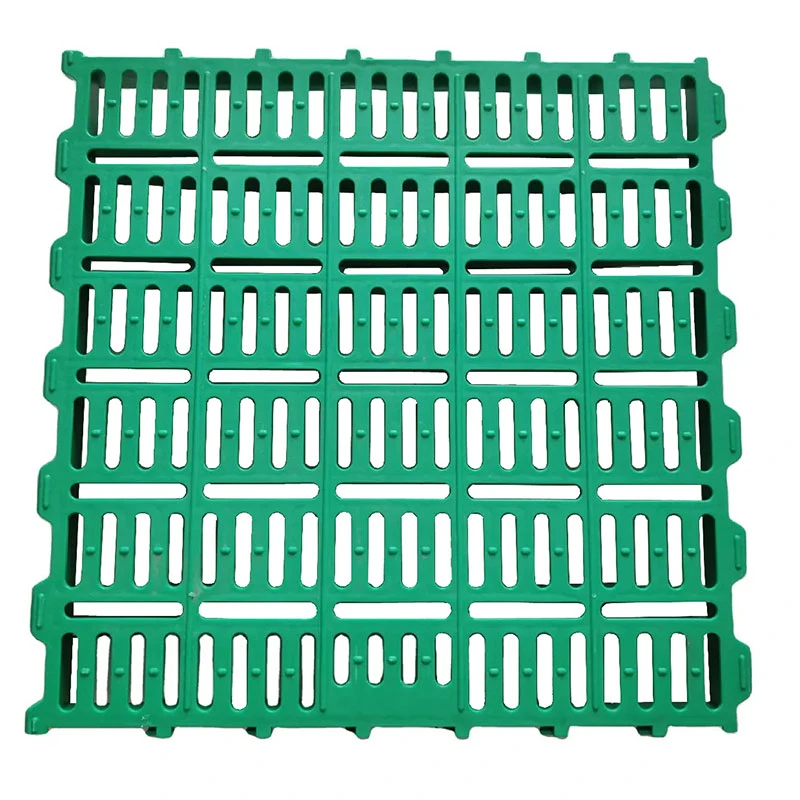
| Waste Management | Slip-resistant slatted flooring with drainage channels |
| Optional Accessories | Automated feeders, water nipples, removable barriers |
| Expected Lifespan | 10+ years under regular maintenance |
Comparing Top Farrowing Equipment Vendors
| Vendor | Product Range | Price Range | Innovation Highlights | Global Reach |
|---|---|---|---|---|
| AgriTech Solutions | Crates, pens, heated mats | $$$ | IoT-integrated temperature sensors | North America, Europe, Asia |
| GreenFarm Equip | Eco-friendly crates, solar-heated pens | $$ | Solar-powered heating systems | Europe, Africa, South America |
| AgroPlus Systems | Modular farrowing units, feeders, sanitation kits | $$$ | Rapid deployment modular kits | Asia, Middle East, Americas |
Looking Ahead: Innovation in Farrowing Equipment
Moving forward, expect farrowing equipment to become more digital and green. Automated monitoring systems leveraging AI will track sow behavior and piglet health in real-time, alerting farmers to potential issues way faster than human eyes. Thermal imaging and IoT sensors are already testing well on select farms.
Eco-conscious materials and renewable energy-powered heating will also ramp up, reducing operational footprints. Oddly enough, sustainability has become as much a design driver as durability or safety.
Modular and transportable systems will expand to serve emergency and smallholder contexts, easing rapid deployment. Someday soon, you might see farrowing setups integrated with smart farm management platforms—streamlining data, feeding, and health all in one spot.
Challenges & Smart Solutions
Despite advances, challenges remain. For example, balancing sow freedom with piglet safety continues sparking debate. In some setups, farrowing crates may cause sow distress, leading experts to explore more welfare-friendly pen designs.
Cost is another hurdle for small farms wishing to upgrade. Luckily, the rise of modular and locally sourced farrowing equipment helps bring prices down.
Installation in remote or disaster-affected zones can be complicated—prompting engineers to develop pop-up or foldable crates that reduce volume and assembly time.
Frequently Asked Questions About Farrowing Equipment
Q: What makes modern farrowing crates better than traditional pens?
A: Modern farrowing crates are designed to optimize piglet safety by reducing the risk of crushing while allowing adequate sow movement. Advanced versions include heated areas for piglets and materials that are easier to clean, improving hygiene and reducing disease risks.
Q: How long does typical farrowing equipment last?
A: With proper maintenance and cleaning, farrowing crates and accessories usually last 10 years or more. Materials like powder-coated steel help resist corrosion and wear, especially in humid or high-waste environments.
Q: Are there eco-friendly options for farrowing equipment?
A: Yes, many manufacturers now offer systems using recycled or sustainably sourced materials, solar-powered heating, and designs that enhance waste management to reduce environmental impact.
Q: Can smallholder farmers afford and use farrowing equipment effectively?
A: Absolutely. Scalable, modular products and options for local fabrication have made farrowing equipment more accessible. Proper training and support also ensure these farmers maximize benefits like piglet survival and sow welfare.
Q: How can I explore farrowing equipment options suitable for my farm?
A: Visiting specialized suppliers or trade platforms can provide tailored advice. For example, you can check out farrowing equipment providers online, compare offerings, and read user reviews to make informed choices.
Conclusion: The Long-Term Value of Farrowing Equipment
In the world of pig farming, farrowing equipment represents a vital bridge between animal welfare and farm productivity. Investing thoughtfully in these systems yields dividends—not just in financial terms but in trust, sustainability, and food security. It feels almost poetic how engineering and nature can harmonize in these farrowing pens.
Whether you’re a large-scale operator or a new farmer, upgrading or exploring options in farrowing equipment can make all the difference. Curious? Visit our website: https://www.cxlivestock.com to dive deeper.
References
Post time: Dec . 02, 2025