Farrowing Pen Design and Measurement: Making a Global Difference in Livestock Care
When you first hear "farrowing pen design and measurement," it might sound like something only relevant to pig farmers tucked away in rural corners of the world. But, frankly, this is a topic of serious global importance. Properly designed farrowing pens ensure the health and safety of sows and piglets, influencing animal welfare, farm productivity, and food security worldwide. Understanding these principles isn't just about animals; it's about sustainability, economics, and addressing the challenges of feeding an ever-growing population.
The right pen design minimizes piglet mortality, streamlines farm management, and often reflects broader trends in animal husbandry that align with environmental and social standards. It's the quiet, behind-the-scenes factor that keeps pork production efficient and humane—critical on every continent where pigs are raised.
Introduction: Why Farrowing Pen Design Matters Globally
Across the globe, pork is one of the most widely consumed meats, accounting for roughly 38% of global meat consumption [1]. The United Nations Food and Agriculture Organization highlights that pig farming is vital for millions of smallholder farmers in Asia, Africa, and Latin America, driving rural economies and supporting households.
However, high piglet mortality remains a stubborn challenge, with estimates ranging from 10% to 20% losses per litter in some regions [2]. That’s where innovations in farrowing pen design and measurement come to the rescue, reducing crushing incidents, disease spread, and stress for animals.
Challenges such as space constraints, poor ventilation, and inadequate materials compound the problem, especially where infrastructure is limited. Plus, regulations and welfare standards continue evolving worldwide, meaning producers must stay ahead with effective pen designs that meet both local and international requirements.
What Exactly Is Farrowing Pen Design and Measurement?
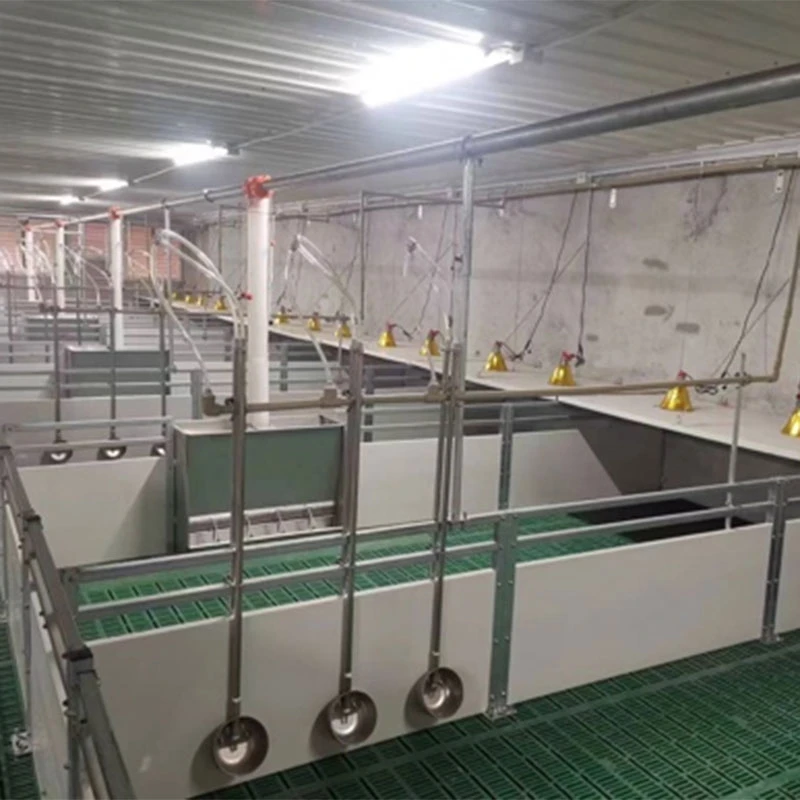
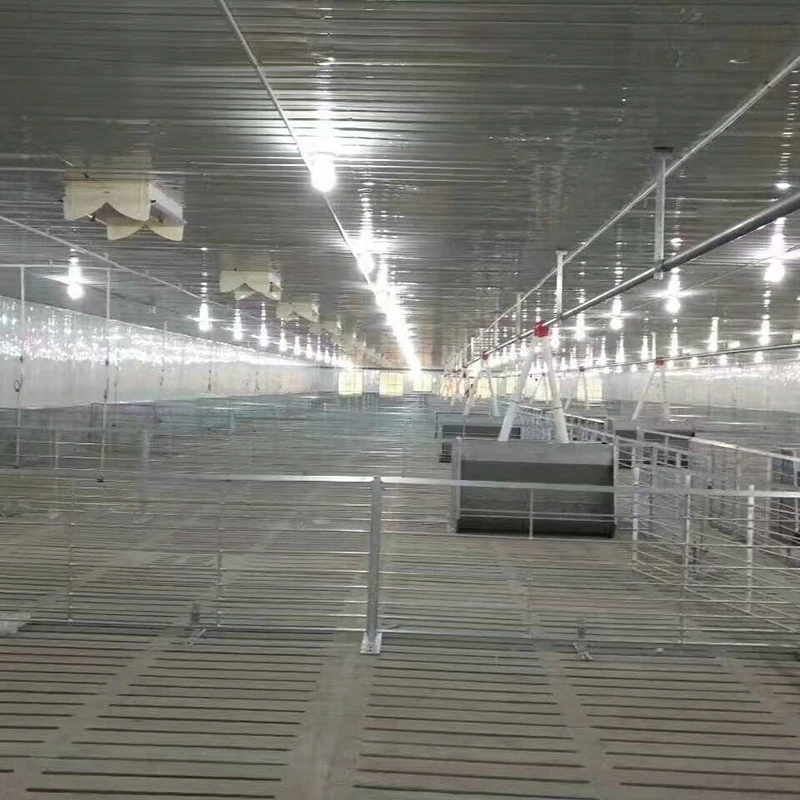
At its core, farrowing pen design and measurement refers to the planning, sizing, and construction of specialized enclosures for sows when giving birth and nursing piglets (known as farrowing). These pens carefully balance the sow’s comfort and the piglets’ vulnerability—offering protected space to reduce the risk of crushing and allow easy access to feed and water.
Think of it as a tailored “nursery” that addresses the unique biological and behavioral needs of pigs around parturition, promoting healthier births and robust newborns. From farm scale operations to emergency or remote setups, these pens are a fundamental part of modern livestock keeping.
Key Components of Effective Farrowing Pen Design
1. Correct Dimensions and Measurements
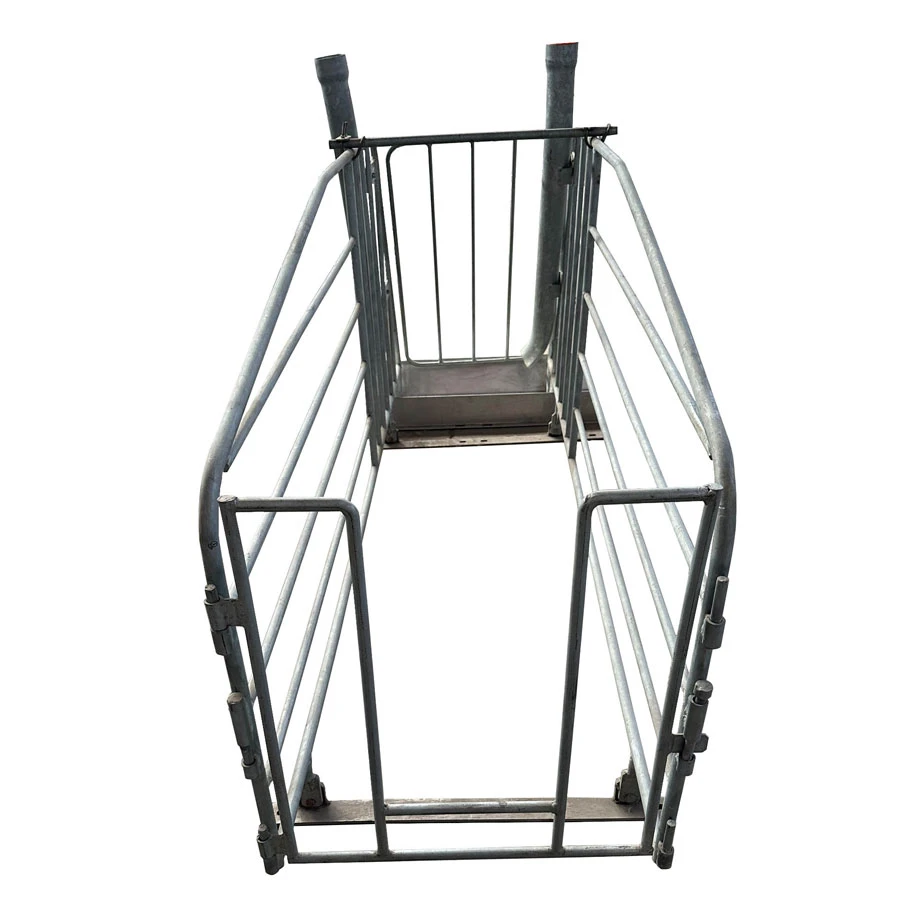
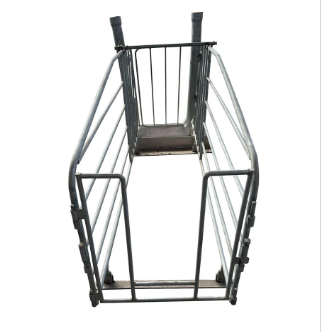
Space is king here. Pens need to be wide and long enough to allow unrestricted movement of the sow without endangering piglets. Generally, a pen should be about 2.1m x 1.5m but this can vary by breed and local standards. Precise measurements prevent overcrowding and promote natural behaviors.
2. Safety Features for Piglets
Many designs incorporate features like piglet creeps—small heated areas separate from the sow—to encourage piglets to rest safely away from their vulnerable mother. Barriers and anti-crush rails help minimize accidental trampling. These components alone can cut piglet mortality by several percentage points.
3. Materials and Durability
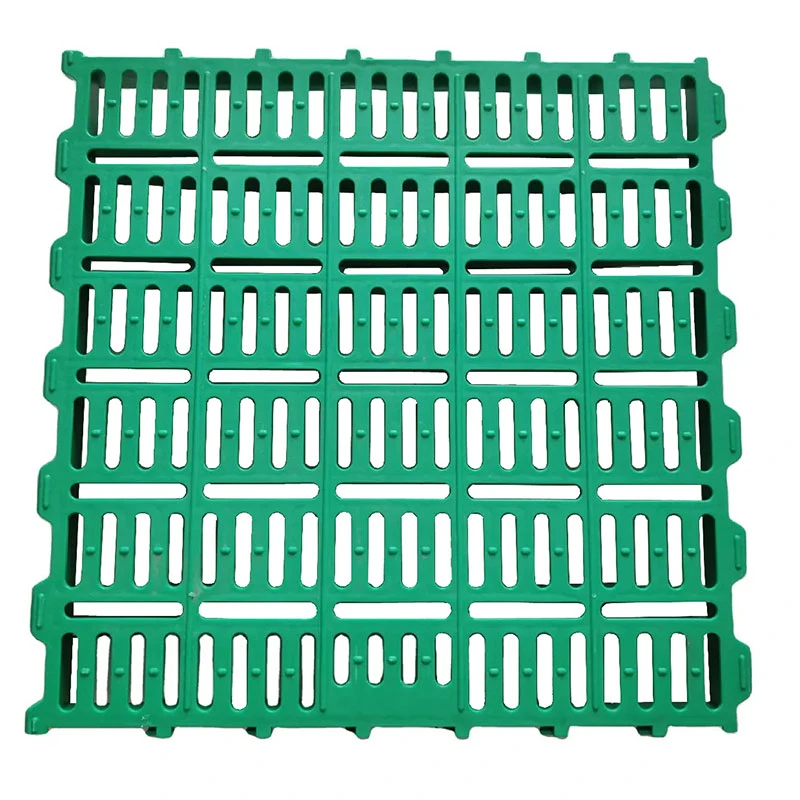
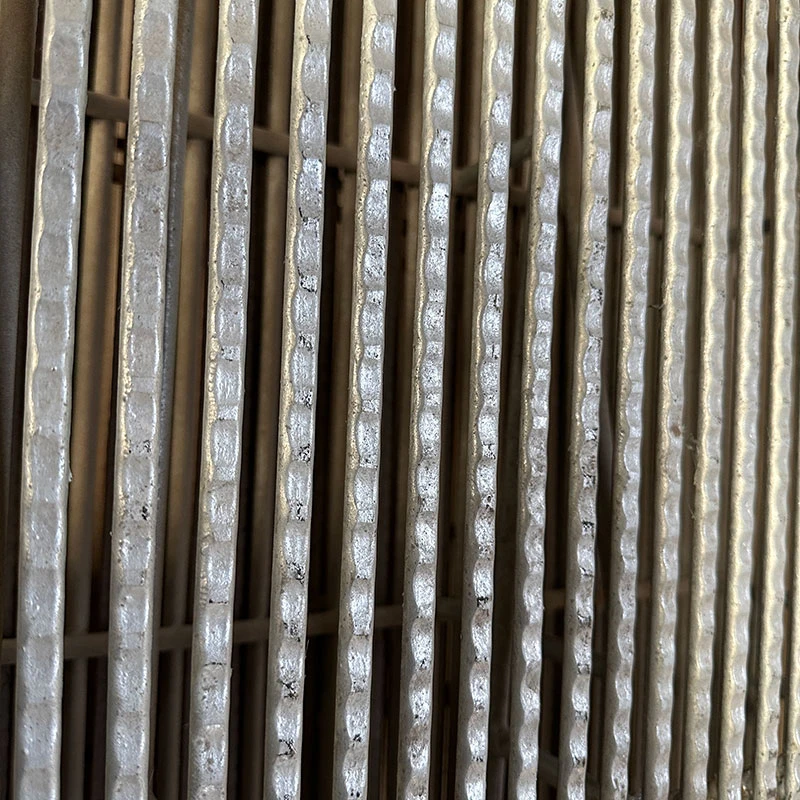
The choice of materials affects hygiene, maintenance costs, and lifespan. Stainless steel or coated metal bars with easy-to-clean flooring (like slatted concrete) have become industry standards. Durability matters not just for economics but also livestock health, since damaged pens can cause injury or increase disease risk.
4. Ease of Access and Management
Farm workers need to access sows for inspection, care, and cleaning without disrupting the animals. Configurations like swing gates or removable panels optimize workflow. The better the pen design, the easier daily husbandry becomes — which translates into better monitoring and earlier problem detection.
5. Environmental Controls
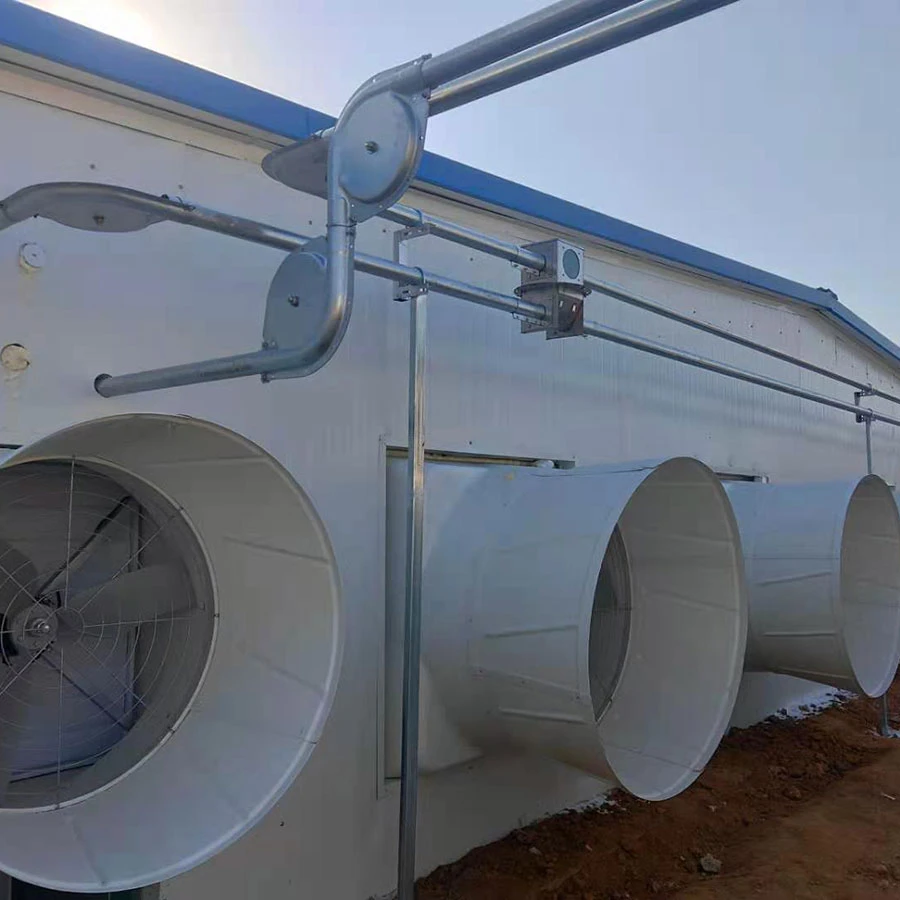
Ventilation and temperature control reduce stress on sows and piglets. Modern farrowing pens often incorporate adjustable ventilation or heating systems (like heat mats) for piglet creeps to maintain ideal microclimates. These factors are particularly crucial in extreme climates.
Mini Takeaway:
The perfect farrowing pen balances space, safety, material durability, usability, and environmental factors. Getting each component right leads to healthier piglets and less stressful days for sows and farmers alike.
How Farrowing Pen Design Is Shaping Livestock Worldwide
In North America and Europe, farms leverage farrowing pen designs to comply with increasingly strict animal welfare laws—like the EU’s welfare directives—which mandate sufficient space and anti-crushing measures [3]. Technologies such as sensor monitoring integrated into pens are also emerging, offering real-time insights.
Meanwhile, smallholder pig farms in Southeast Asia or sub-Saharan Africa adopt simpler, but well-measured and durable pen designs that help reduce piglet mortality rates and improve productivity. In post-disaster relief scenarios, modular, rapidly deployable farrowing pens become critical to rebuilding local food sources efficiently.
Major livestock organizations, including IFAD and FAO, promote best practices in farrowing pen design as part of broader rural development projects, illustrating global cooperation in this niche but vital field.
Advantages That Keep Farrowing Pen Innovation at the Forefront
- Cost-Effectiveness: Reduced mortality and improved sow welfare lower long-term expenses.
- Sustainability: Better designs lead to less waste and reduced disease spread, promoting more sustainable livestock management.
- Animal Welfare: Enhanced safety and comfort build trust with consumers increasingly concerned about ethical meat sources.
- Operational Efficiency: Easier management means farmers can focus on growth rather than crisis management.
It’s the combination of these factors that makes farrowing pen design and measurement a smart investment—both economically and socially.
Product Specification Table: Sample Standard Farrowing Pen
| Feature | Specification |
|---|---|
| Pen Dimensions | 2.1 m (L) × 1.5 m (W) |
| Material | Galvanized steel frame, slatted concrete floor |
| Anti-Crush Rails | Integrated on all sides, adjustable height |
| Heating System | Electric heat mats in piglet creep area |
| Accessibility | Swing gate with removable panels |
Vendor Comparison: Leading Farrowing Pen Providers
| Vendor | Materials | Customization Options | Price Range (USD) | Warranty |
|---|---|---|---|---|
| PigSafe Industries | Powder-coated steel | Modular, heating systems | $300 - $450 | 5 years |
| AgriPen Solutions | Galvanized steel, concrete floors | Custom sizing, anti-crush bars | $280 - $400 | 3 years |
| FarmSafe Equipment | Stainless steel with plastic-coated accessories | Standard models, add-on accessories | $350 - $500 | 4 years |
Future Trends and Innovations to Watch
There’s plenty of buzz around integrating digital tech into farrowing pen design. Think sensors monitoring sow movement, temperature, and even vocalizations to detect distress early. Automated feeders and climate control units are becoming more affordable and scalable.
On the materials front, sustainable and biodegradable composites are slowly entering the scene, aiming to reduce the environmental impact of pen production and disposal. Solar-powered heating systems might soon replace traditional electric mats, especially in off-grid or rural settings.
And globally, conformity with tighter welfare standards (think ISO and OIE guidelines) is pushing designers toward more animal-centered, innovative solutions. It feels like the sector is on the cusp of marrying tech and tradition in smart, humane ways.
Common Challenges and Clever Solutions
Despite advances, obstacles remain. One is balancing cost and quality, especially for smallholders. Another is adapting pen designs to diverse climates—from tropics to cold zones—without exploding budgets.
Experts recommend modular designs that can be easily customized or scaled. Training farmers and veterinarians on best use and upkeep also plays a big role in maximizing benefits. Plus, collaborative efforts like shared research platforms (see farrowing pen design and measurement) help spread innovations faster.
FAQ: Practical Questions About Farrowing Pen Design and Measurement
- What are the essential measurements to consider when designing a farrowing pen?
- The pen should allow at least 2.1 meters length by 1.5 meters width for the sow, with additional space for piglet creeps. Proper spacing prevents piglet crushing and allows free movement. Remember, breed and sow size affect exact measurements.
- How do farrowing pen features improve piglet survival rates?
- Features like anti-crush bars, heated creeps, and proper ventilation reduce injury, hypothermia, and disease risk. Together, they create an environment that supports piglet health during critical early days.
- Are there cost-effective pen designs suitable for smallholder farms?
- Yes. Simple modular pens made of locally available materials combined with well-planned dimensions can be both affordable and effective. NGOs often support such designs in developing regions.
- Can technology improve farrowing pen monitoring?
- Absolutely. Sensors to detect sow activity and environmental controls are increasingly used to catch health issues early and optimize conditions, although initial investment might be higher.
- Where can I find detailed standards or guidelines on farrowing pen design?
- Organizations like the Food and Agriculture Organization (FAO) and the International Organization for Standardization (ISO) publish guidelines. Also, industry associations provide regional best practices.
Wrapping It Up: Why Farrowing Pen Design Deserves Your Attention
It’s clear that farrowing pen design and measurement is more than barnyard basics. It’s a cornerstone of modern, humane, and economically sustainable pig farming. Getting it right means fewer piglet fatalities, healthier sows, and more efficient operations that can scale from small family farms in Vietnam to industrial megafarms in Europe.
If you want to dive deeper and explore detailed plans, emerging trends, or industry-grade equipment, I invite you to visit our extensive resource page on farrowing pen design and measurement. It’s where the future of livestock care starts.
References
Post time: Dec . 02, 2025