What is Farrowing Pen Design and Why It Matters Globally
When you think of farrowing pen design, you’re really looking at one of those quietly pivotal elements in modern livestock farming. At its core, this design focuses on creating a safe, comfortable environment for sows and their newborn piglets during the most vulnerable phase of their lives. Why does it matter? Well, globally, efficient farrowing facilities are critical for boosting piglet survival rates, improving animal welfare, and ultimately increasing farm productivity.
In practical terms, a well-thought-out farrowing pen reduces piglet mortality — which sometimes hovers around a painful 15-20% without proper care — and helps farms optimize space and manage hygiene better. The ripple effect: better yields, less waste, and a more sustainable pig farming industry worldwide. This is something both industrial producers and smaller farmers deeply care about, especially considering food security challenges and evolving animal welfare standards requiring ongoing improvements.
Introduction: The Global Importance of Farrowing Pen Design
Pig farming isn’t just big business in North America and Europe; it touches as many as 1.3 billion people worldwide, according to the Food and Agriculture Organization of the United Nations (FAO). With an estimated 1 billion pigs raised annually, the quality of the Farrowing pen design directly impacts global pork supply chains. Yet many regions still grapple with outdated or poorly adapted pen layouts that hamper animal health and profitability. The challenge is how to design pens that are simultaneously efficient, humane, and adaptable to a variety of climates and socioeconomic realities — a tricky balance when you consider everything from icy northern farms to tropical zones with high humidity.
The ISO standards on animal welfare push producers toward better housing conditions, and farrowing pens are a focal point here. Adopting well-engineered farrowing systems thus presents an opportunity to raise industry benchmarks internationally.
Defining Farrowing Pen Design in Simple Terms
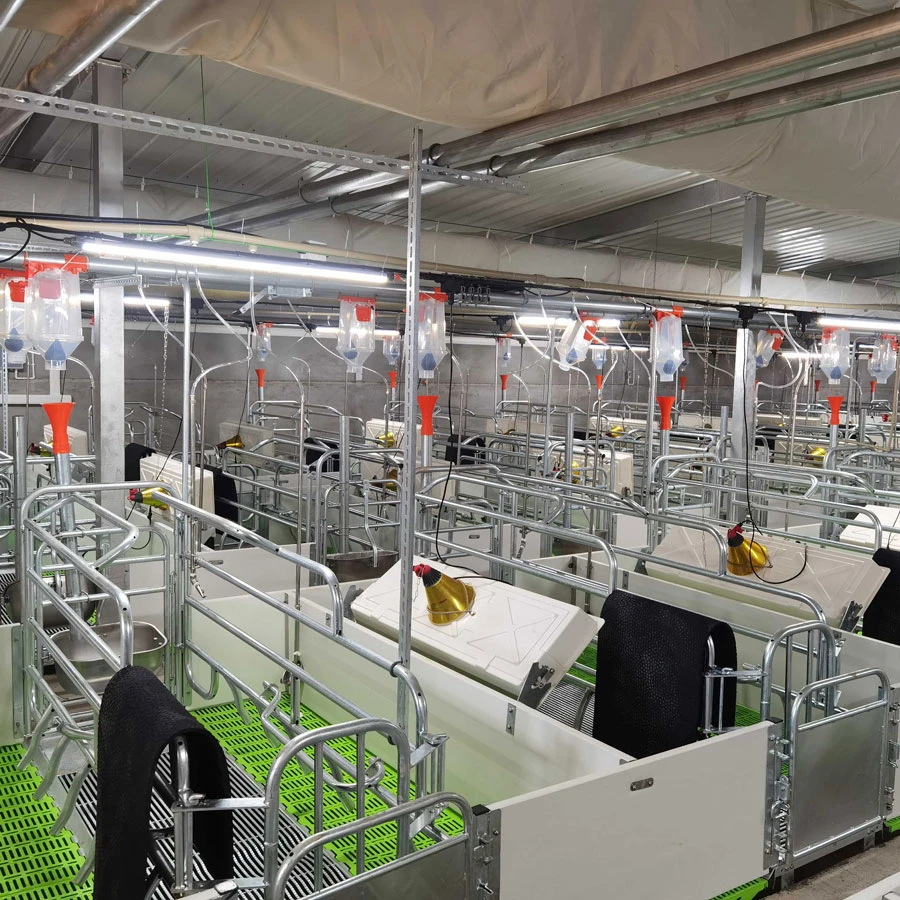
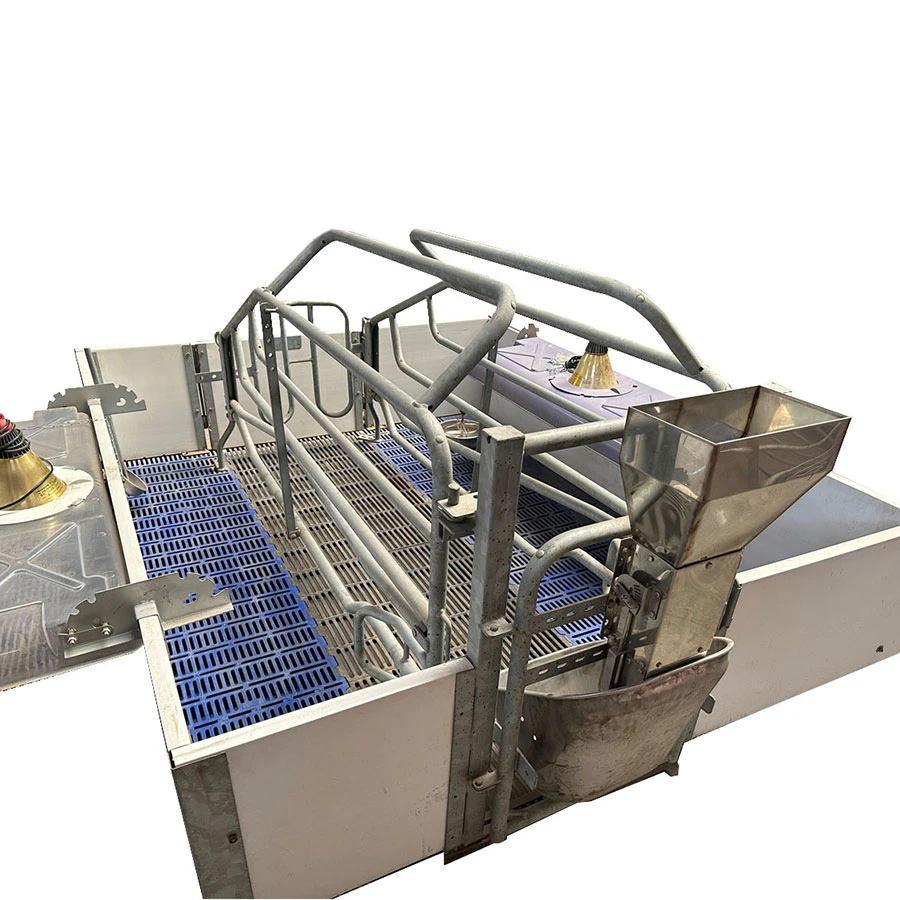
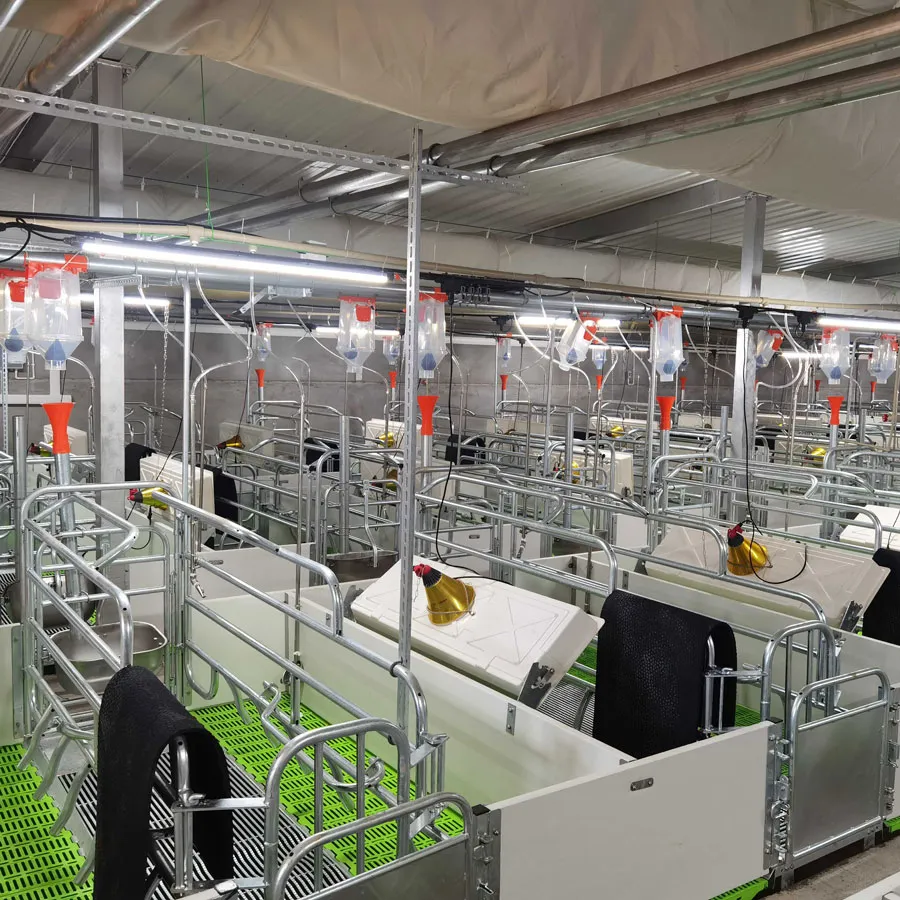
At its most straightforward, farrowing pen design refers to the architectural and functional arrangement of the space where a sow gives birth and nurses her piglets. It usually involves certain built-in features for safety, hygiene, and comfort, like a creep area for piglets, slatted floors for waste management, and barriers to prevent crushing. But beyond just the physical form, good design carefully considers airflow, lighting, thermal comfort, and materials as well.
In today’s livestock industry, farrowing pens aren’t just “boxes” — they’re technological hubs incorporating innovations in animal behavior understanding, environmental control, and sometimes automation. On a humanitarian level, these improvements contribute to sustainable food production and rural livelihoods worldwide.
Core Components that Make or Break a Farrowing Pen
1. Durability and Material Quality
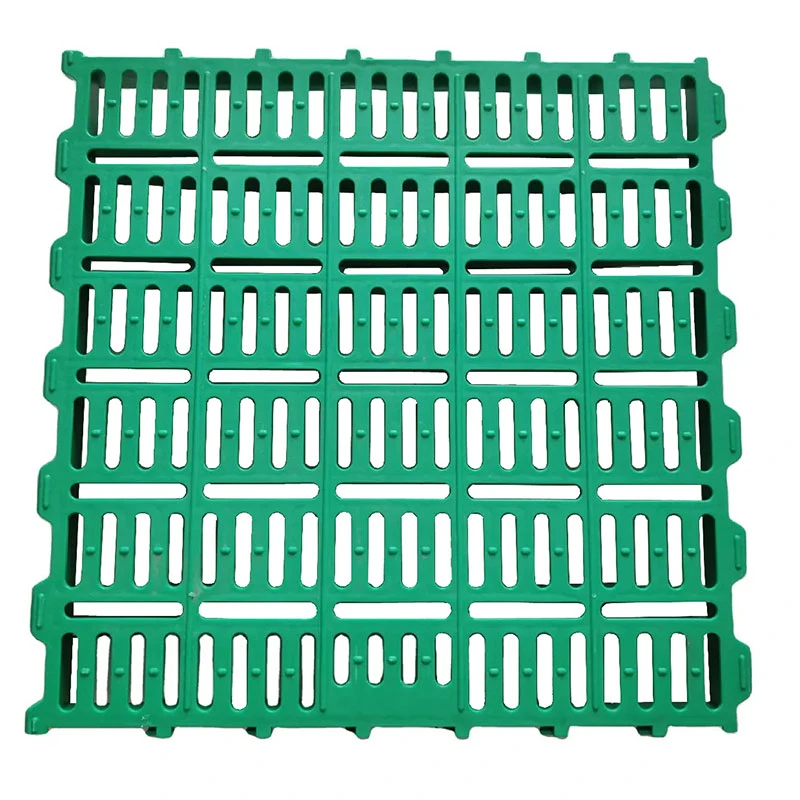
Pens take quite a beating—constant moisture, waste, and animal activity can degrade cheap materials quickly. Selecting corrosion-resistant metals or treated wood ensures longer service life and fewer repairs. Many designers now lean toward galvanized steel frames with polypropylene flooring grills for longevity and ease of cleaning.
2. Thermal and Ventilation Control
Sow comfort means good airflow and ambient temperature control—heat lamps or underfloor heating zones keep piglets warm without overheating the mother. Natural ventilation systems can balance air quality with energy conservation, especially in large commercial setups.
3. Piglet Safety Features
One key farrowing pen design goal is to reduce piglet crushing, a tragic but common cause of early death. Features like anti-crush bars or sow protection rails provide a small buffer zone so piglets can easily escape if the sow shifts position, greatly improving survival.
4. Ease of Cleaning and Hygiene
Pens optimized for waste drainage and cleaning routines help prevent disease buildup. Smooth, sloped floors and removable parts make daily sanitation quicker and more effective, which is critical given the disease susceptibility of newborn piglets.
5. Space and Scalability
The pens should provide enough room for sow movement without excess that wastes valuable floor space. Modular pen designs allow producers to scale setups up or down easily as herd sizes change, adapting to market demands or operational shifts.
Comparing Popular Farrowing Pen Designs: Product Specifications at a Glance
| Feature | Modular Pen A | Steel Frame Pen B | Eco-Friendly Pen C |
|---|---|---|---|
| Dimensions (LxW) | 2.4m x 2.0m | 2.5m x 2.1m | 2.3m x 2.0m |
| Material | Galvanized steel + plastic panels | Steel frame + concrete floor | Bamboo composite + recycled plastics |
| Anti-crush Bars | Yes | Yes | Yes |
| Heating System | Electric heat mats (optional) | Infrared lamp installed | Solar-powered heat pads |
| Cleaning Ease | Removable panels | Sloped floor with drainage | Natural water channels |
| Approx. Cost (USD) | $400 | $550 | $350 |
Global Applications & Farrowing Pen Use Cases
It’s fascinating how farrowing pen designs adapt to local realities. In Europe and North America, the focus is on integrating sophisticated ventilation and automation — think temperature sensors and automatic waste removal — to maximize efficiency and comfort. Meanwhile, in Southeast Asia and parts of Africa, solutions often emphasize low cost, durable materials, and ease of manual cleaning due to limited mechanization.
Take, for example, a recent deployment of modular farrowing pens in post-disaster zones in the Philippines. The rapid assembly feature allowed farmers to restore pig-rearing operations quickly, helping stabilize local food supplies after typhoons. Similarly, large producers in Brazil leverage hybrid designs combining steel and biodegradable panels to reduce carbon footprints while maintaining high piglet survival rates.
If you’re curious about more technical details or local adaptation examples, our farrowing pen design resource hub offers a range of case studies tailored by region.
The Many Advantages of Thoughtful Farrowing Pen Designs
Beyond the obvious economic returns from higher piglet survival, there’s an emotional dimension farmers rarely talk about — peace of mind. A sow safe from injury, a piglet warm and thriving: small things, yet meaningful. Improved hygiene reduces antibiotic use, which contributes to less antibiotic resistance — a rising concern globally. Environmentally, designs aiming for sustainability lessen water and energy consumption, ticking the boxes for greener farming.
Plus, better pens build trust between producers and consumers who are becoming more ethically conscious about animal welfare, adding market value.
Looking Ahead: Future Trends in Farrowing Pen Design
Automation and green tech are making headway — smart farrowing pens with real-time monitoring, automated feeders, and climate control systems combine comfort with operational savvy. Emerging materials like recycled composites and biodegradable plastics are reducing environmental impact. Even solar-powered heating pads have found their way into more remote operations.
A few visionary farms are trialing AI to detect early signs of sow distress or piglet issues, potentially revolutionizing how caretakers intervene and manage herd health. It almost feels like the livestock version of smart homes… but for pigs.
Common Challenges and Practical Solutions
Despite advances, several challenges linger. Cost remains a major barrier for smallholders, slowing adoption of modern farrowing pens. Space constraints in urban or peri-urban farms often limit ideal layouts, and improper ventilation can cause health issues if overlooked.
Tackling these challenges means fostering collaborations between designers, NGOs, and end users. For example, modular kits that can be scaled affordably have shown promise in many developing regions. Training programs focused on maintenance and animal behavior also boost the effectiveness of pen usage.
Vendor Comparison: Which Provider Fits Your Needs?
| Vendor | Price Range | Customization | Global Shipping | After-Sales Support |
|---|---|---|---|---|
| AgriPen Solutions | $350–$600 | Moderate; modular options | Yes, with extra fees | Phone & email support |
| EcoBarn Industries | $300–$550 | High; materials & sizes | Limited; regional partners | On-site & remote available |
| ModuFarrow Solutions | $400–$700 | Fully customizable | Worldwide express | 24/7 support, training |
Frequently Asked Questions About Farrowing Pen Design
- What key features improve piglet survival in farrowing pens?
- Anti-crush bars to prevent accidental sow injuries, thermal comfort systems to keep piglets warm, and proper ventilation to reduce disease risk are crucial. Additionally, a separate creep area gives piglets a safe space to gather and rest.
- How can farrowing pens adapt to different climate zones?
- Designs vary by region—with tropical climates focusing on ventilation and cooling, while colder areas incorporate heat lamps and insulated flooring. Materials are chosen accordingly; for example, moisture-resistant panels for humid zones versus insulated metals for cold zones.
- Are modular farrowing pen systems cost-effective for small farms?
- Yes, modular systems offer scalability, allowing small farms to purchase only what they need initially and expand later. Their ease of assembly reduces labor costs and downtime, making them an efficient investment.
- Can farrowing pen design improve farm biosecurity?
- Absolutely. Designs that facilitate thorough cleaning, reduce animal cross-contact, and support waste management limit pathogen spread. Incorporating footbaths and designated entry zones further enhance biosecurity.
- Where can I learn more about adapting pens for my specific region?
- Industry resources and local agricultural extension services offer valuable guidance. For international resources, visit our farrowing pen design page for detailed articles and case studies tailored by geography.
Conclusion: Why Investing in Farrowing Pen Design Pays Off
It’s clear that investing thoughtful effort into farrowing pen design yields dividends beyond just economic gains — it fosters animal welfare improvements, environmental sustainability, and more resilient farming systems. Whether you’re a commercial producer or a smallholder fumbling with pen layouts, adopting well-engineered designs is a smart move for longevity and productivity.
Interested in exploring the latest designs or sourcing custom solutions? Visit https://www.cxlivestock.com and jumpstart your transition to safer, more efficient farrowing environments today.
1. Food and Agriculture Organization of the United Nations (FAO), https://www.fao.org/livestock-systems
2. International Organization for Standardization (ISO) Animal Welfare Standards, https://www.iso.org/standard/xxxx
3. Wikipedia, Farrowing pen, https://en.wikipedia.org/wiki/Farrowing_pen
Post time: Dec . 02, 2025