Understanding Farrowing Pens: Why They Matter Globally
At first glance, farrowing pens might sound like a niche concept, relevant only to certain agricultural corners of the world. But, as it turns out, the story behind these specialized enclosures is more compelling than most imagine. Across the globe, with rising demand for pork, sustainable farming practices, and improved animal welfare, farrowing pens have become a crucial element in modern livestock management.
Essentially, these pens provide a safe and controlled environment for sows (female pigs) to give birth and nurse their young piglets. But the stakes are higher than just animal comfort — better-designed farrowing pens lead to improved survival rates, enhanced hygiene, and less stress on the animals, which in turn affects food security and farm economics worldwide. Getting to grips with how farrowing pens function, and why their design matters, helps us appreciate a small but vital cog in a global agricultural machine.
Global Context: The Rising Importance of Farrowing Pens
According to the Food and Agriculture Organization of the United Nations (FAO), pork represents the most widely consumed meat globally — more than 36% of total meat production in 2021. With global demand expected to steadily rise, particularly in Asia and parts of Europe, defined farrowing systems have become more than just tradition; they’re a necessity.
Yet challenges persist: poor farrowing conditions can lead to piglet mortality rates as high as 20-25% in some regions, causing losses for farmers and disrupting local protein supply chains. Moreover, the need for sustainable farming that both protects animal welfare and respects environmental impact is increasingly pressing. Manufacturers and farmers alike are turning toward better farrowing pen designs to tackle these problems head-on.
Why Invest in Farrowing Pens?
- Reduce piglet mortality and improve sow health
- Comply with evolving welfare regulations globally
- Increase operational efficiency through better hygiene and management
That’s why it feels quite timely — isn’t it? These enclosures may be simple by concept but complex in their implications.
What Exactly Are Farrowing Pens?
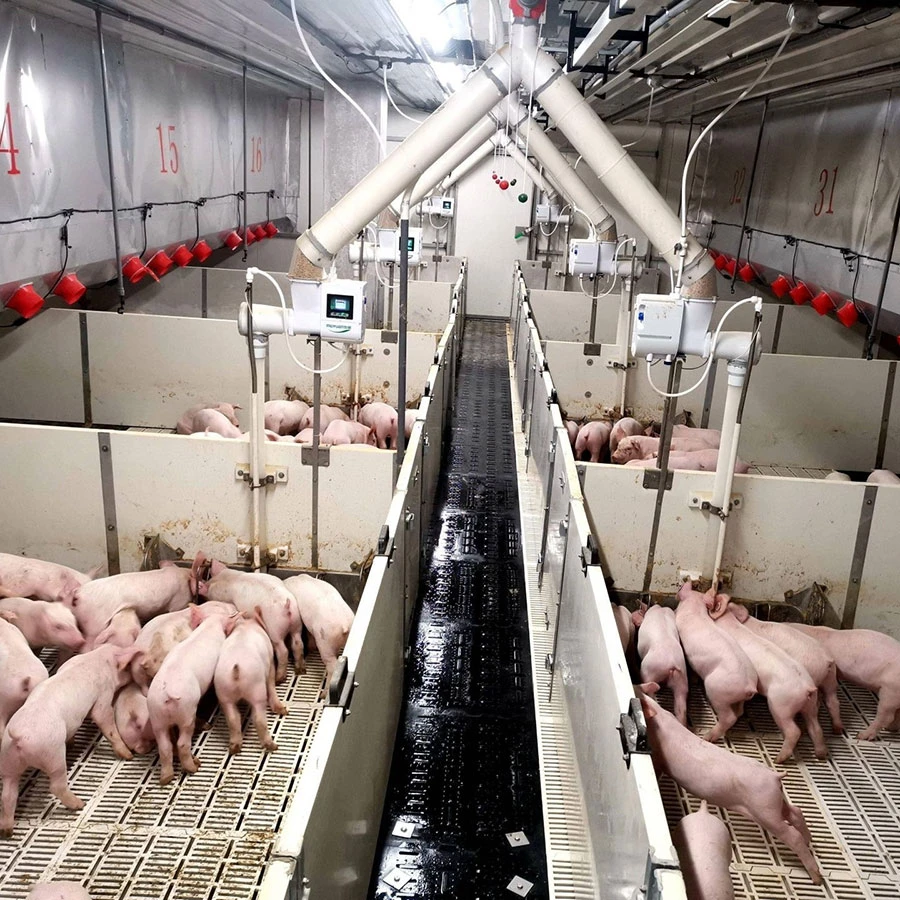
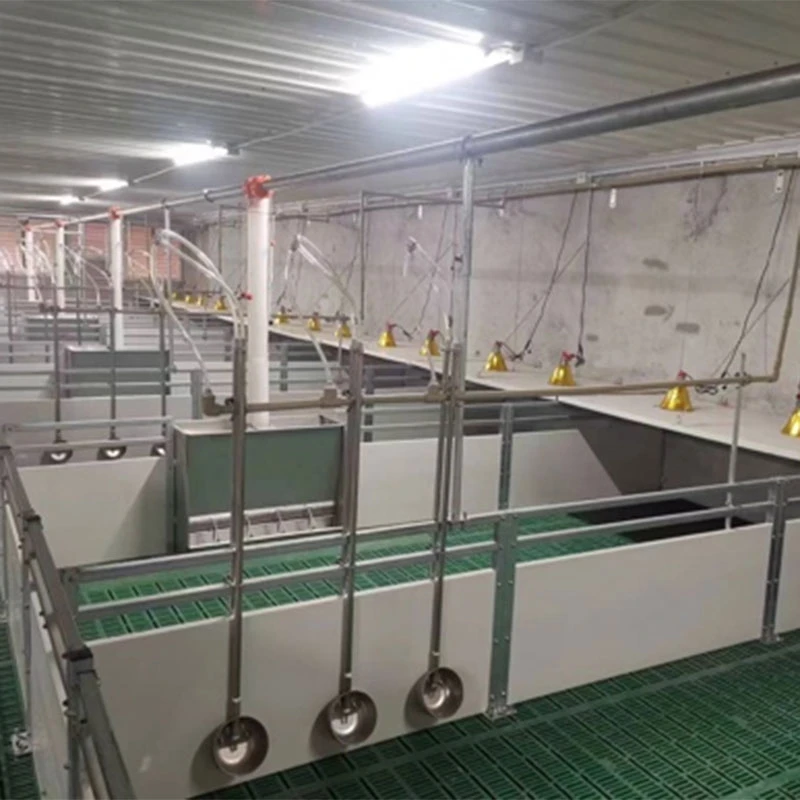
Put simply: a farrowing pen is a specially designed enclosure that houses sows and their newborn piglets during farrowing — the process of giving birth. These pens typically offer individual space for each sow, combining easy access for care with safety features that prevent piglets from being accidentally crushed (a sadly common problem in less controlled environments).
More than a basic stall, farrowing pens balance the sow’s freedom of movement with enclosure elements like heat lamps, creep areas for piglets to stay warm, and non-slip floors. The design shows synergy between animal biology, engineering, and practical husbandry.
Core Components of Effective Farrowing Pens
1. Durability and Hygiene
Materials chosen for farrowing pens must resist corrosion, be easy to clean, and last through rigorous disinfecting routines. Stainless steel, galvanized steel, and food-grade plastics are common choices. This is critical—poorly maintained pens become breeding grounds for disease.
2. Piglet Safety
Features like anti-crush bars and designated piglet creep areas prevent accidental injury by the sow — something farmers often stress over. These zones encourage piglets to rest safely away from the sow’s weight.
3. Temperature Control
Newborn piglets are sensitive to cold. So, an ideal pen offers heat lamps or pads, allowing piglets to stay cozy without overheating the sow. This temperature gradient is a little feature with big impacts on survival.
4. Scalability and Cost Efficiency
For commercial farms, pens must scale smoothly—to house dozens or hundreds of sows—without quickly ballooning costs. Modular systems and standardized sizes help achieve this balance.
5. Ease of Access for Caregivers
Pen design can either facilitate or frustrate daily care tasks, from feeding to health checks. Good designs keep farmers’ hands happy and animals calm.
Quick Takeaway:
At its core, a farrowing pen is a thoughtful micro-habitat built with care, melding safety, hygiene, and comfort — all vital for modern pig farming success.
Global Applications & Real-World Examples
Different regions apply farrowing pens with variations that suit climate, culture, and scale.
- Europe: Many farms in the EU abide by strict animal welfare laws that require enriched farrowing pens with plenty of space and natural light.
- Southeast Asia: Developing countries lean on affordable, locally sourced pen models to rapidly boost piglet survival rates and food security.
- Disaster Relief Settings: Organizations aiming to rehabilitate rural livelihoods post-disaster sometimes supply portable, modular farrowing pens that enable quick re-establishment of farming activities.
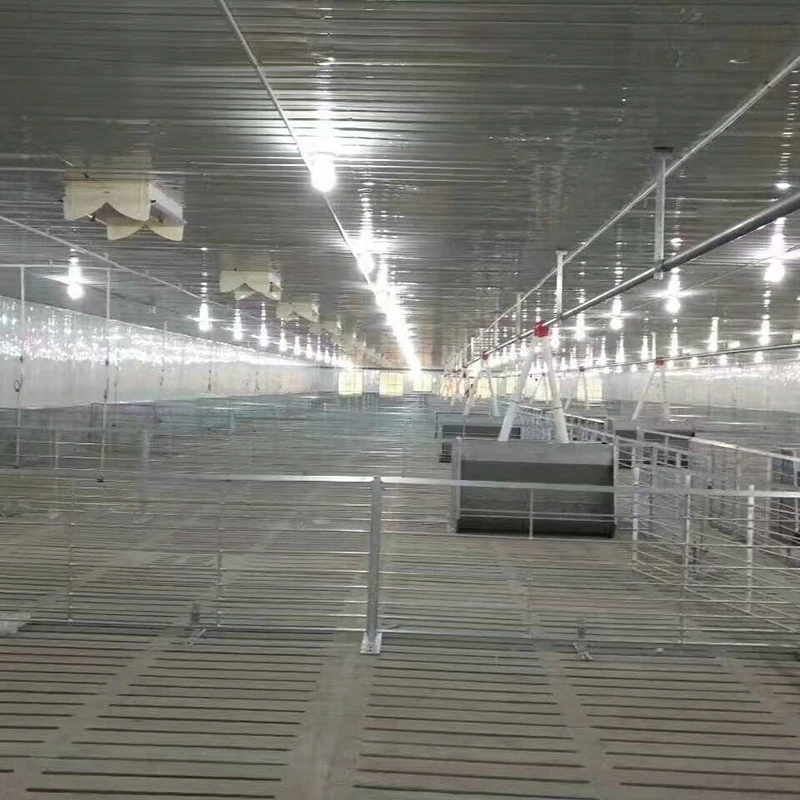
- Industrial Farming Zones: Automated temperature and waste management features increasingly appear in larger, tech-driven farms in the U.S. and China.
Oddly enough, farrowing pens pop up in places you wouldn’t expect — from small family farms to multinational production units.
Advantages and Long-Term Value of Farrowing Pens
Benefits of using well-designed farrowing pens are both immediate and far-reaching:
- Cost Savings: Reduced piglet mortality means better returns on investment.
- Animal Welfare: Less stress improves sow productivity over time.
- Operational Efficiency: Streamlined cleaning and inspections cut labor hours.
- Reputation and Compliance: Farms that uphold welfare standards often have better market access.
And on a more human note, farmers tell me how these pens bring a sense of trust in their work — like they’re giving the next generation a real shot at life.
Product Specification Table: Typical Farrowing Pen Features
| Feature | Detail |
|---|---|
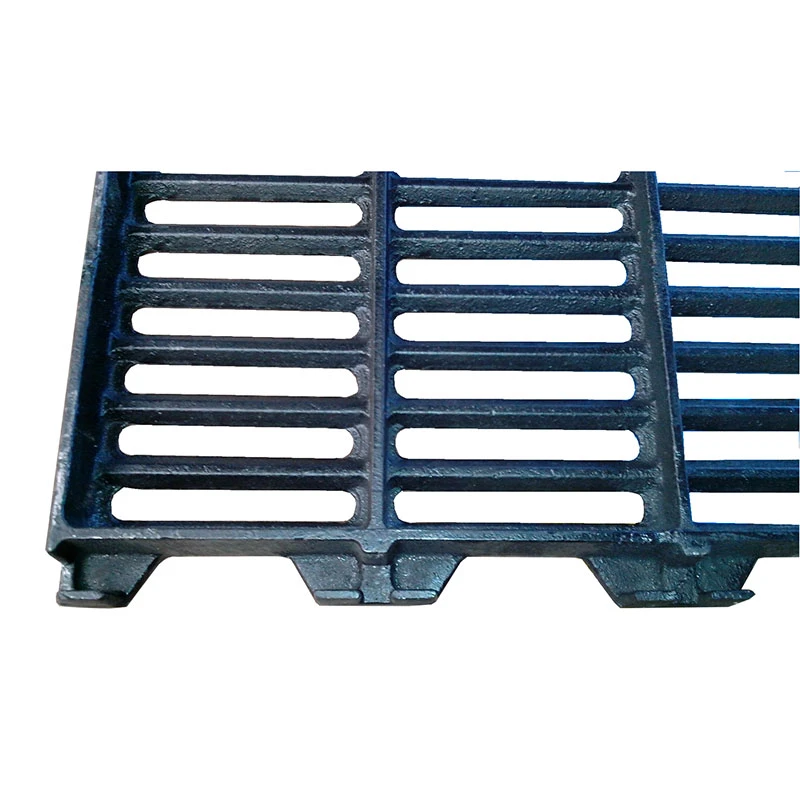
| Material | Galvanized steel frame, food-grade plastic flooring |
| Dimensions | 2.4m length × 1.8m width × 1.1m height (roughly) |
| Temperature Control | Integrated heat lamp & adjustable creep area |
| Safety Features | Anti-crush bars, rounded edges, non-slip surface |
| Cleanability | Smooth surfaces, removable trays for waste |
Comparing Leading Farrowing Pen Vendors
| Vendor | Design Innovation | Pricing | Global Reach | Sustainability Focus |
|---|---|---|---|---|
| AgriSafe Pens | Ergonomic & modular, custom sizes | $$$ | Europe, Asia | Recycled materials used in production |
| SafeHog Systems | Automated temp controls & waste management | $$$$ | North America, China | Energy-efficient systems included |
| EcoPig Inc. | Biodegradable plastic components | $$ | Global (focus on small farms) | Strong emphasis on green manufacturing |
Future Trends: What’s Next for Farrowing Pens?
The future looks promising. As digital farming tools creep in — sensors, IoT monitors, AI health checks — farrowing pens might transform from static huts into dynamic health hubs. Imagine pens that monitor temperature, humidity, even sow stress levels automatically, sending alerts to farmers’ smartphones.
Material science is also evolving. We may soon see pens built with lightweight, recyclable composites optimized for disinfection and thermal regulation. Not to mention, greener energy sources powering supplemental heating reduce carbon footprints — a growing concern for every agricultural practitioner.
There’s talk about modular, stackable pens for ultra-dense farming spaces and AI-driven design simulations that optimize pen layouts for different breeds or climates. The tech imagination buzzes.
Challenges and How to Navigate Them
It’s not all roses though. Cost remains a big barrier in developing markets, as do knowledge gaps around optimal pen use and maintenance. Also, some legacy farms resist shifts from traditional farrowing setups.
Experts recommend tailored training programs and pilot implementations to demonstrate tangible benefits. Grants and subsidies can help lower upfront costs. Moreover, collaboration between manufacturers, governments, and NGOs increasingly pushes farrowing innovation into new geographies.
Lastly, cultural adaptation matters — farrowing pens must fit local customs and farming styles to be truly effective.
FAQ: Your Farrowing Pen Questions Answered
What makes modern farrowing pens better than traditional ones?
Modern pens emphasize sow comfort, piglet safety, and hygiene with features like anti-crush bars and temperature-controlled creep areas. They also enable easier cleaning and meet welfare standards that older designs often lack.
How long do farrowing pens typically last?
With proper maintenance, farrowing pens made from quality materials like galvanized steel and plastic flooring can last 10+ years, balancing durability with cost-efficiency.
Are farrowing pens cost-effective for small-scale farmers?
Yes, particularly modular and locally sourced designs can significantly reduce piglet mortality, improving income. Plus, the operational advantages often outweigh upfront costs in the medium term.
Can farrowing pens be adapted for different climates?
Absolutely. Designs often include adjustable heating for cold zones and ventilation options for warmer climates, ensuring comfort across diverse environments.
How do organizations typically introduce farrowing pens in developing regions?
NGOs and agencies work alongside local communities providing training, subsidies, and sometimes portable pens that quickly set up post-disaster or in emerging farming areas.
Final Thoughts: Why Farrowing Pens Are Worth the Investment
See, farrowing pens are much more than just animal stalls. They symbolize a crossroads of compassion, science, and practicality. Investing in well-designed pens means better survival rates, happier animals, more efficient farms, and increasingly, a step toward sustainable agriculture worldwide.
If you want to explore customized solutions or learn more, consider visiting our website at farrowing pens. It’s a gateway not just to products, but to insights and support for the future of livestock farming.
References:
Post time: Dec . 02, 2025