The Quiet Revolution: Farrowing Pigs Without a Crate
When you hear the phrase farrowing pigs without a crate, it might conjure up images of farmyards with sows roaming freely during birthing. But beyond that idyllic picture lies a significant global conversation about animal welfare, sustainability, and the future of pig farming. This method challenges traditional pig breeding by prioritizing not just production efficiency, but also the well-being of sows and piglets. Understanding this topic matters—not just for farmers or animal lovers, but for anyone interested in responsible food production, global agricultural trends, and humane livestock practices.
Why Does Farrowing Pigs Without a Crate Matter Globally?
Globally, pork is one of the most consumed meats, making pig farming big business in places like China, the EU, and the Americas. According to the Food and Agriculture Organization (FAO), over 110 million tonnes of pork were produced worldwide in 2022 alone. But with size comes scrutiny: more consumers — especially in developed countries — demand higher welfare standards, urging farmers to rethink conventional farrowing crates.
Farrowing crates have traditionally confined sows in narrow stalls during piglet delivery to prevent crushing deaths. Yet, reports from the International Organization for Standardization (ISO) and numerous animal welfare groups highlight the drawbacks — stress, reduced freedom of movement, and overall sow discomfort. This tension between productivity and welfare is pushing a shift towards farrowing pigs without a crate as an alternative solution.
One might ask: if farrowing crates have been the norm for decades, why change now? The answer involves evolving societal values, regulatory pressure, and emerging evidence that alternative systems can work effectively — sometimes better — if designed thoughtfully.
Mini takeaway: The rising global demand for humane farming places farrowing without crates squarely in the spotlight — representing both a challenge and opportunity for modern pig producers.
What Does “Farrowing Pigs Without a Crate” Really Mean?
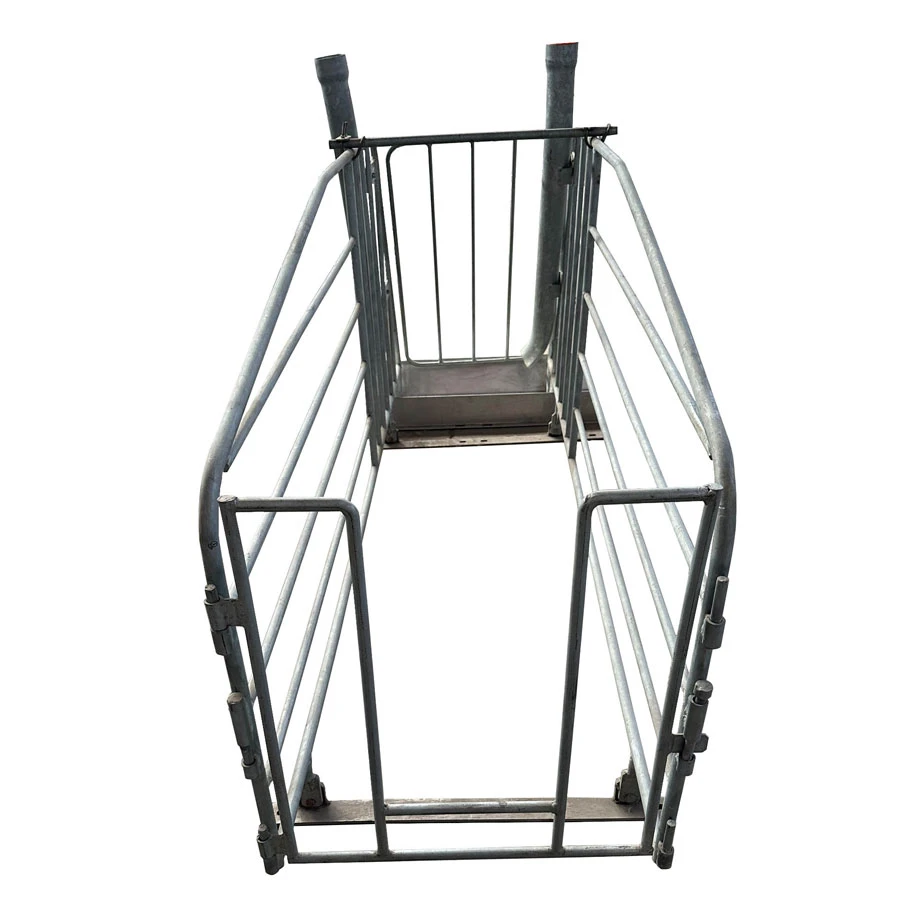
Put simply, farrowing pigs without a crate means allowing mother pigs (sows) freedom to move in larger pens during the birthing phase instead of being confined in restrictive metal enclosures. It’s sometimes called “free farrowing” and contrasts with the narrow crates that restrict sow movement to improve piglet survival from crushing hazards — at least traditionally.
This method seeks a middle ground: giving sows space for natural behaviors like nesting and turning, which are crucial for their well-being, while protecting piglets through pen design innovations rather than physical restraint. It also aligns with more modern standards emphasizing animal dignity and freedom, mood-improving conditions, and reduced stress — all of which can translate into better overall productivity.
Key Factors When Considering Farrowing without Crates
1. Sow Welfare and Behavior
The freedom to nest and express natural behaviors without confinement improves sow health, reduces stress hormones, and promotes maternal instincts. It’s been observed that sows farrowing in free pens are generally calmer and can manage their offspring more effectively.
2. Piglet Safety
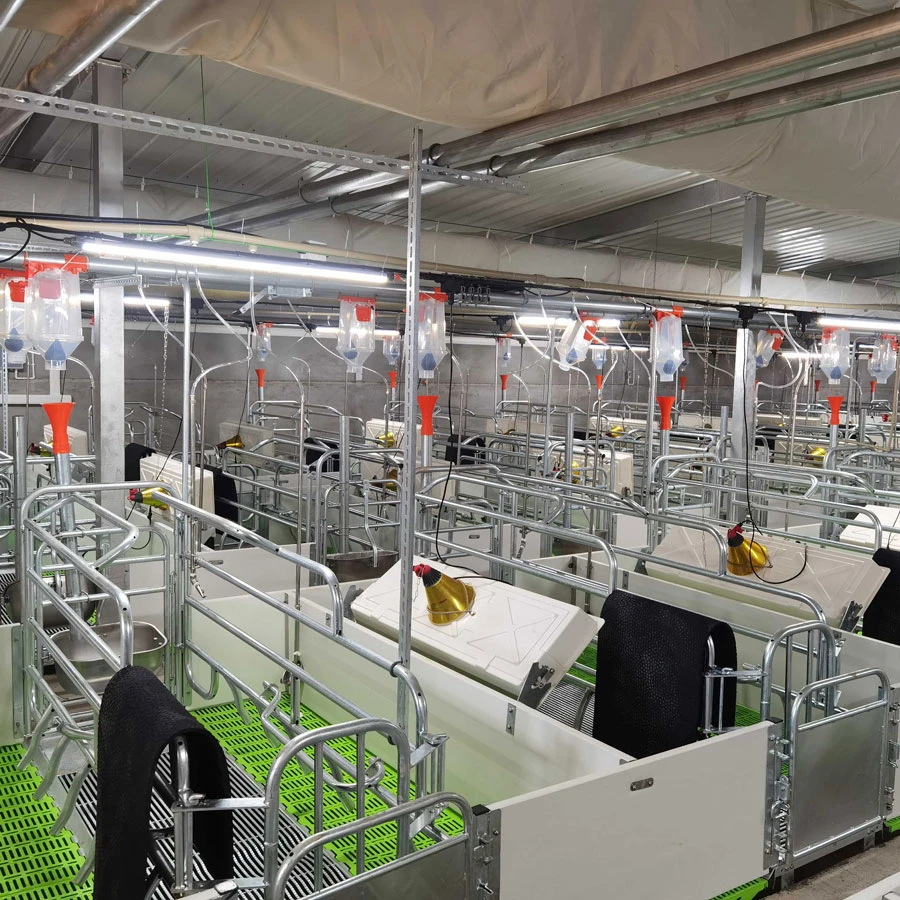
Of course, removing the crate raises concerns about piglet crushing — one of the leading causes of early mortality. To counter this, innovative pen designs incorporate protective rails, nested areas, and responsive flooring to minimize crushing risks, supported by careful monitoring.
3. Pen Design and Space
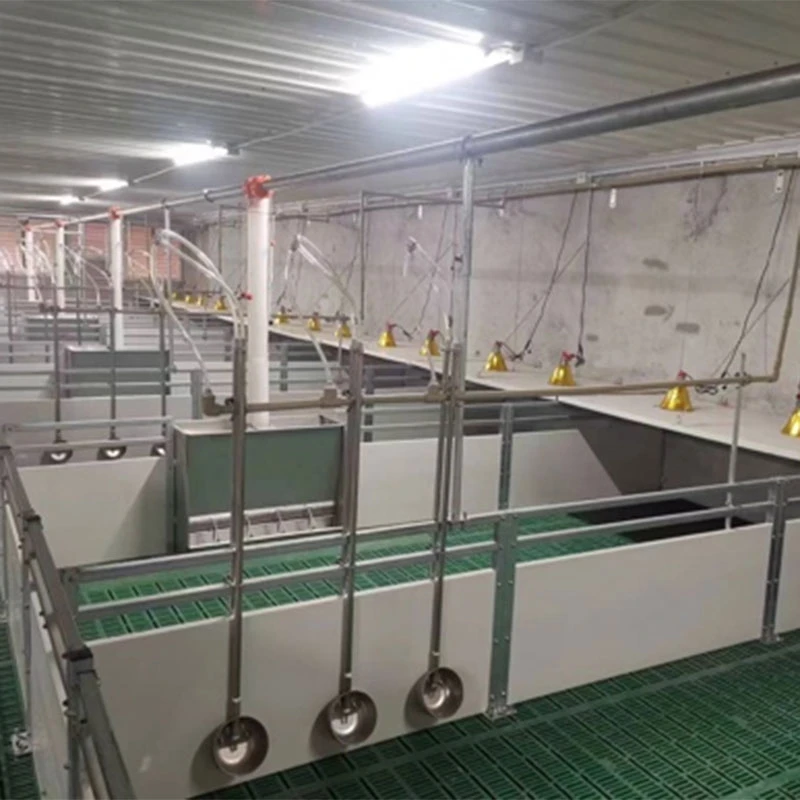
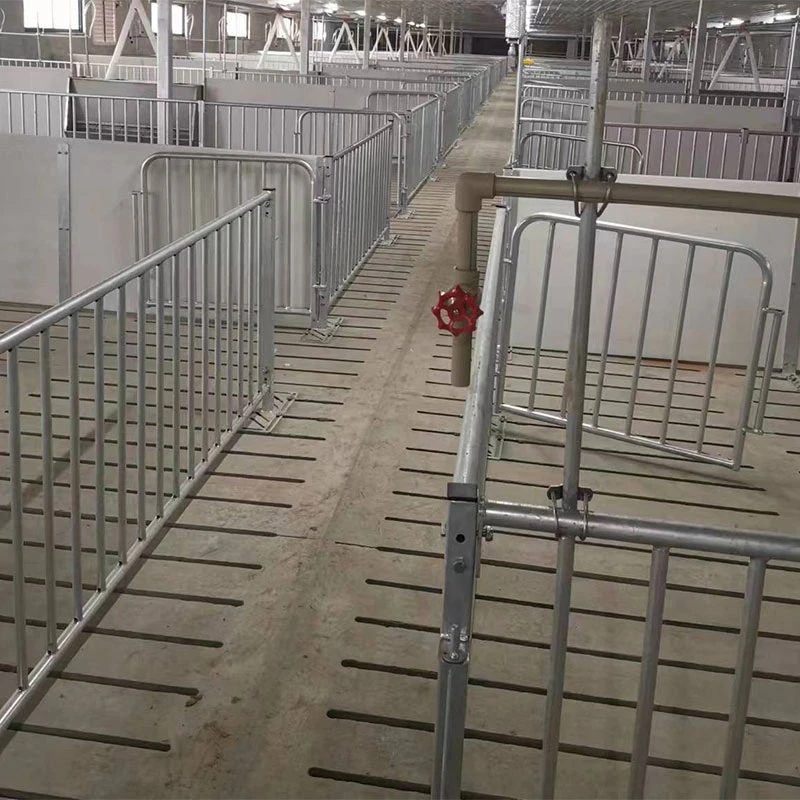
Space is king here. Providing enough room (roughly double that of a crate) is critical. Some farmers use adjustable pens that can expand or contract depending on stage of farrowing, improving flexibility while ensuring safety.
4. Cost and Economic Viability
Setting up free farrowing systems usually means higher initial investment, larger space requirements, and more labor-intensive management. But many report savings downstream through healthier sows and potentially less medication or veterinary intervention.
5. Management Skills and Training
Working with manure, monitoring sows, recognizing distress signs, and ensuring piglet welfare demands increased skill and attentiveness. These subtle but vital nuances require better-trained farmhands or automation support.
6. Regulatory and Market Drivers
Some countries are already banning or limiting farrowing crates, pushing farmers to adopt crate-free alternatives. Market premiums for welfare-friendly products also incentivize transitioning.
Mini takeaway: Although it’s more complex than just “letting pigs loose,” free farrowing balances sow freedom with piglet protection through ingenious design and invested care.
Real-World Applications Around the Globe
This concept isn’t just theory. Farms in Europe — notably Denmark, Sweden, and the UK — have led the charge toward crate-free farrowing due to progressive welfare laws. In the US, several innovative producers and cooperatives are testing free farrowing pens paired with smart monitoring tech. Meanwhile, in parts of China and Brazil, pilot projects are examining scalability and integration into high-volume operations.
More interestingly, animal welfare organizations collaborate with farms offering training and research. One can find examples in farrowing pigs without a crate projects funded or supported by NGOs aiming for sustainable, ethical pork production. These initiatives blend traditional husbandry with modern innovation—helping shift the mindset from “just producing” toward “caring while producing.”
Mini takeaway: Free farrowing is moving from niche to mainstream, adapting globally with local flair and increasingly sophisticated innovations.
Advantages and Long-Term Value of Farrowing Pigs Without a Crate
- Animal Welfare Gains: Healthier sows, reduced stress, and better maternal behavior lead to improved animal ethics.
- Market Differentiation: Ability to label products as “crate-free” or welfare-certified attracts conscientious consumers willing to pay premiums.
- Environmental Sustainability: Often incorporates better manure management, reduced medicines, and aligns with eco-conscious farming practices.
- Reduced Mortality When Managed Well: Piglet losses can decrease with thoughtful pen layouts, contradicting old beliefs.
- Social and Regulatory Compliance: Prepares farms for anticipated welfare regulations and markets focused on humane sourcing.
Product Specifications Table: Popular Free Farrowing Pen Features
| Feature | Typical Value/Spec | Benefit |
|---|---|---|
| Pen Size | 5–7 m² per sow | Allows natural movement & nesting |
| Protective Rails | 4–6 rails around nest area | Prevents crushing piglets |
| Flooring | Non-slip, washable concrete or slatted | Hygiene and safety |
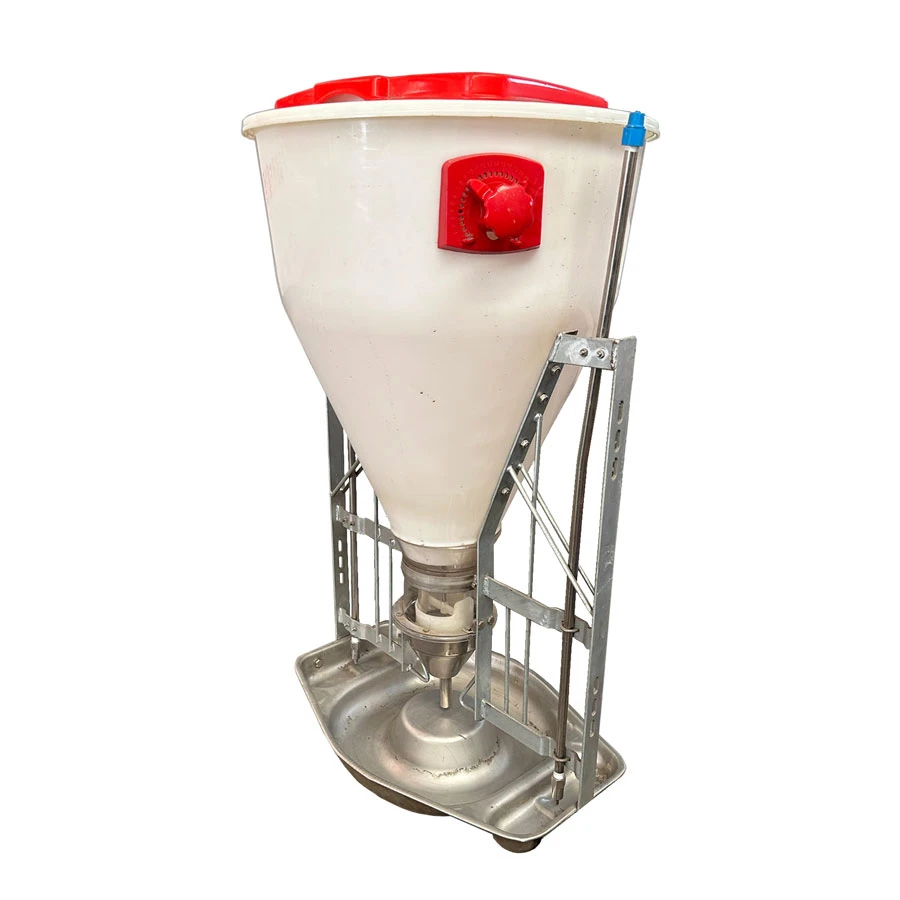
| Feeding System | Automated feeders preferred | Reduces labor, ensures nutrition |
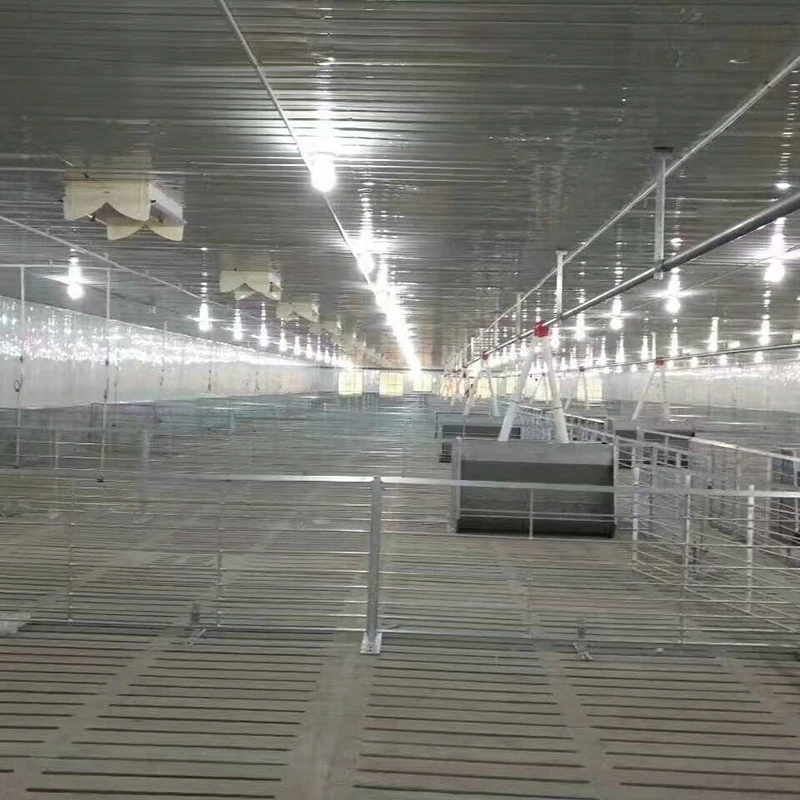
| Environmental Control | Ventilation & heating systems | Optimal farrowing temperatures |
Vendor Comparison: Free Farrowing Pen Providers
| Vendor | Price Range (per pen) |
Customization Options | Market Focus | Warranty & Support |
|---|---|---|---|---|
| AgriFree Farms | $1200–1500 | Modular pens, adjustable rails | EU, North America | 3 years + on-site service |
| Happy Sow Solutions | $1000–1300 | Custom sizes, eco-materials | Asia, Australia | 2 years, remote support |
| GreenBarn Tech | $1400–1800 | Smart sensors, automated feeding | North America, Europe | 5 years, full tech support |
Emerging Trends and Innovations in Free Farrowing
Smart technology is seeping into this traditionally analog industry. Many farms now use sensors to monitor sow behavior for distress or illness, remotely adjusting environmental conditions to make farrowing pens more comfortable. Materials engineers are experimenting with eco-friendly composites to reduce environmental footprints, and modular pen designs combine flexibility with efficiency.
With the climate crisis nudging farming practices to be more sustainable, farrowing pigs without a crate fits snugly into ‘green’ livestock production narratives. Moreover, some countries are considering legislation that phases out farrowing crates entirely — a major driver for innovation.
The Challenges Still at Play and How to Overcome Them
Despite progress, free farrowing is not without hurdles. The biggest concern remains piglet mortality caused by crushing. Even the best pen designs don’t completely eliminate this risk — so ongoing monitoring is essential.
Cost barriers hold some farmers back, since retrofitting or upgrading large barns involves capital that isn’t always easy to source. Plus, the learning curve for managing sows in freer environments means training is crucial.
Innovative solutions include combining automation with human care — like alert systems that warn caretakers of sow/piglet emergencies — and developing farmer education programs. Support from NGOs and governments via subsidies and certification schemes also helps ease transitions.
FAQ: Answering Your Practical Questions About Farrowing Pigs Without a Crate
Q1: Is farrowing without crates safe for piglets?
A: When pens are designed with protective rails and ample space, piglet mortality due to crushing decreases significantly compared to crude attempts at free farrowing. However, it requires attentive management and sometimes technological monitoring to be truly safe.
Q2: Does switching to free farrowing increase farming costs?
A: Initially, yes—investment in larger, more complex pens and training can raise costs. But many farmers find long-term savings through healthier sows, better productivity, and access to premium markets that reward animal welfare.
Q3: Can free farrowing systems be retrofitted into existing barns?
A: Depending on the barn size and layout, many systems are modular and adaptable. Retrofitting might require structural changes but is feasible with planning and vendor support.
Q4: Are there certification programs for crate-free pork?
A: Yes, various animal welfare groups and farm certification bodies offer labels that guarantee humane rearing practices, including free farrowing. These can help farmers market their products more effectively.
Q5: How can farmers stay updated on best practices?
A: Engaging with agricultural extension services, joining producer cooperatives, and consulting research from universities and organizations like FAO or ISO can keep producers informed.
Wrapping It Up: The Promise of Farrowing Pigs Without a Crate
Let’s be honest: moving away from the year-old standard of farrowing crates feels like a giant step for pig farming, fraught with practical challenges and emotional debates. Yet, from healthier sows to consumer trust and global sustainability commitments, the benefits are hard to ignore. Free farrowing represents a humane, innovative shift ready to reshape the industry — for the better.
If you’re a farmer, policymaker, or just curious, exploring this progressive method could unlock new opportunities both ethically and financially. For detailed insights and solutions, visit our website, where we champion farrowing pigs without a crate and sustainable livestock futures.
So, whether you’re in a small-scale farm in Denmark or an emerging agribusiness in Brazil, the crate-free farrowing movement is quietly gaining ground — and it’s worth paying attention to.
References:
Post time: Dec . 02, 2025