Field notes from the barn: choosing a fattening system that actually holds up
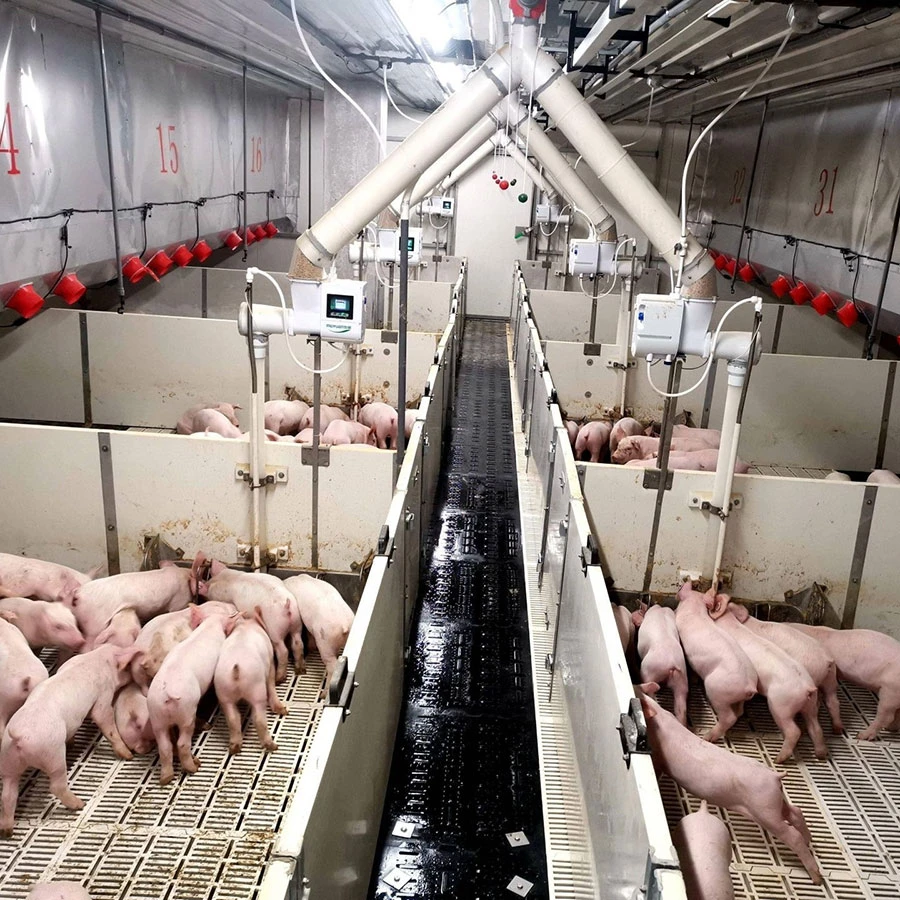
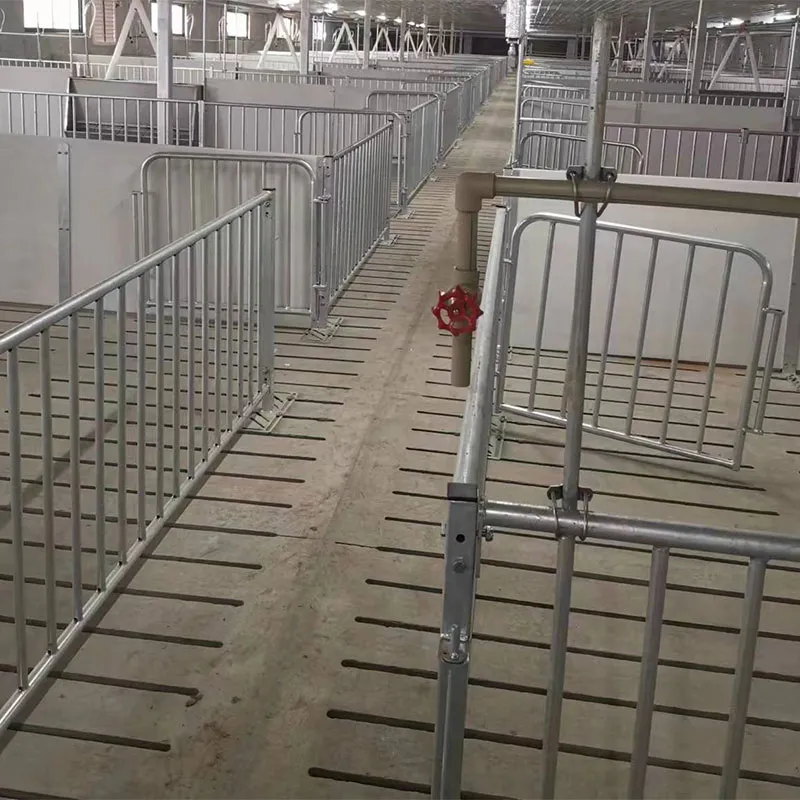
Last quarter I toured a handful of mid-sized pig units in Hebei and Shandong. The common refrain? “Fewer hassles, better gains.” That’s exactly why I paid extra attention to the humble fattening pen—specifically the Fatten Finishing Penning from CXLivestock, produced in Dongtai Road, Economic and Technological Development Zone, Huanghua City, Hebei, China. Designed for pigs ≈10 weeks old, 20–35 kg, it’s meant to carry them comfortably through to market weight. Sounds simple, but the devil is in the rails, welds, and coating.
What’s changing in finishing barns
Industry trend lines are pretty clear: denser barns, tighter biosecurity, and hardware that resists corrosive washdowns. Contractors I spoke with want modular kits that install fast and won’t snag pigs (or boots). Also, pen fronts that hold feeders and nipple lines neatly—less fuss during the last 60–90 days. Honestly, that’s where a sturdy fattening pen pays for itself.
Core specs (real-world, not brochure gloss)
| Parameter | Typical Value (≈, field use may vary) |
|---|---|
| Animal weight range | 20–35 kg start; up to market weight |
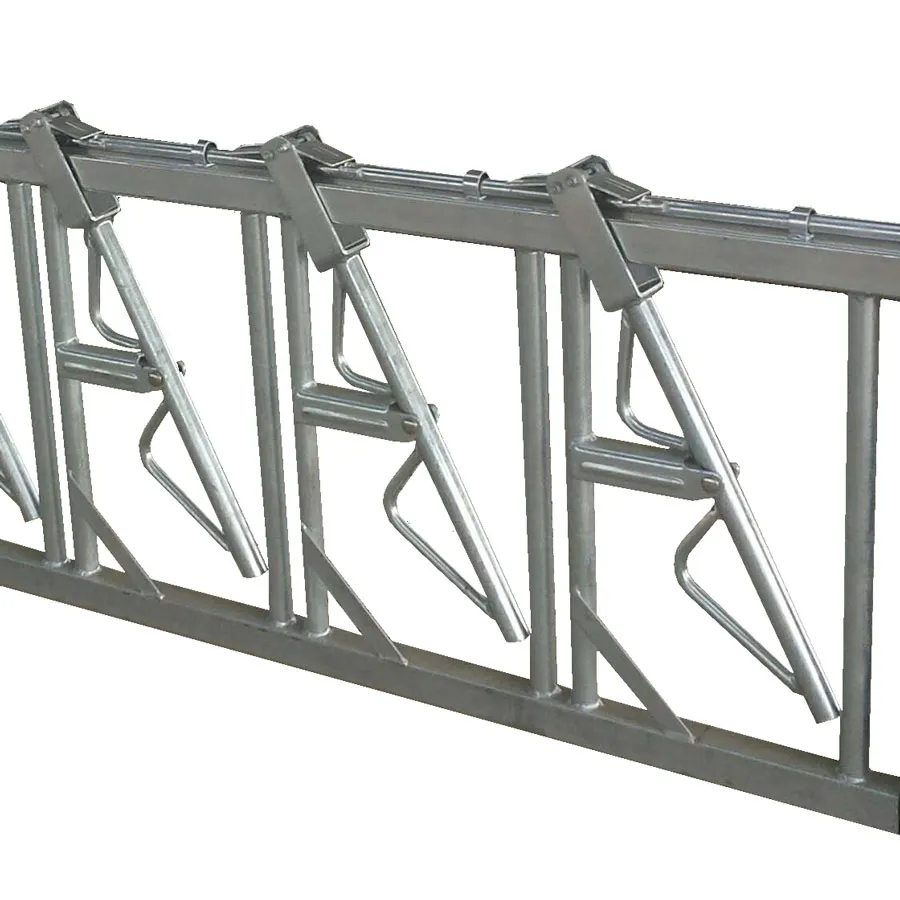
| Rail/Frame material | Q235/Q345 carbon steel, hot-dip galvanized (HDG) |
| Coating spec | ISO 1461 HDG, zinc ≈70–100 μm; pass ASTM B117 480 h no red rust |
| Bar spacing | ≈80–110 mm (configurable to welfare rules) |
| Panel height / bay length | 900–1100 mm / 2.0–3.0 m modules |
| Service life | 10–15 years with weekly washdowns |
| Certifications | ISO 9001 factory QA; CE declaration available; welfare per EU 2008/120/EC |
Process flow and testing
- Materials: pickled low-alloy steel tubing/plates; feeder brackets in thicker gauge for impact.
- Fabrication: CNC cut, jig-welded; weld QA per ISO 3834 principles (WPS, visual + dye-penetrant spot checks).
- Surface: blast-clean (Sa 2.5), hot-dip galvanize (ISO 1461), optional powder topcoat.
- Testing: salt spray (ASTM B117, 480 h target), gate latch cycle test ≈10,000 opens, load test 1.5× design load.
- Traceability: heat numbers logged; batch QC sheets archived 5 years.
Where it fits and why it works
Use it in finishing rooms, all-in/all-out barns, and integration projects where AI-driven feeding needs tidy pipe routing. Advantages observed: pigs don’t abrade shoulders on smooth HDG rails, cleaning is quicker, and staff like the “no rattle” latch. One manager told me, “Since switching pens, ear-tag losses dropped noticeably”—anecdotal, yes, but echoed elsewhere. In short, a quiet fattening pen is a calmer pen.
Customization menu
- Panel height, bay length, creep gates, anti-fight partitions.
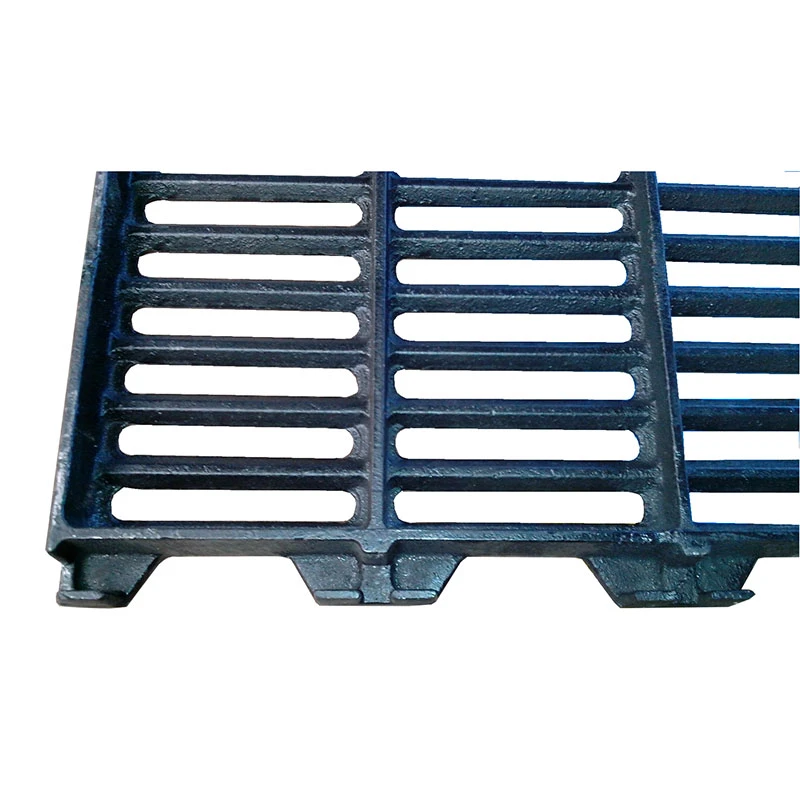
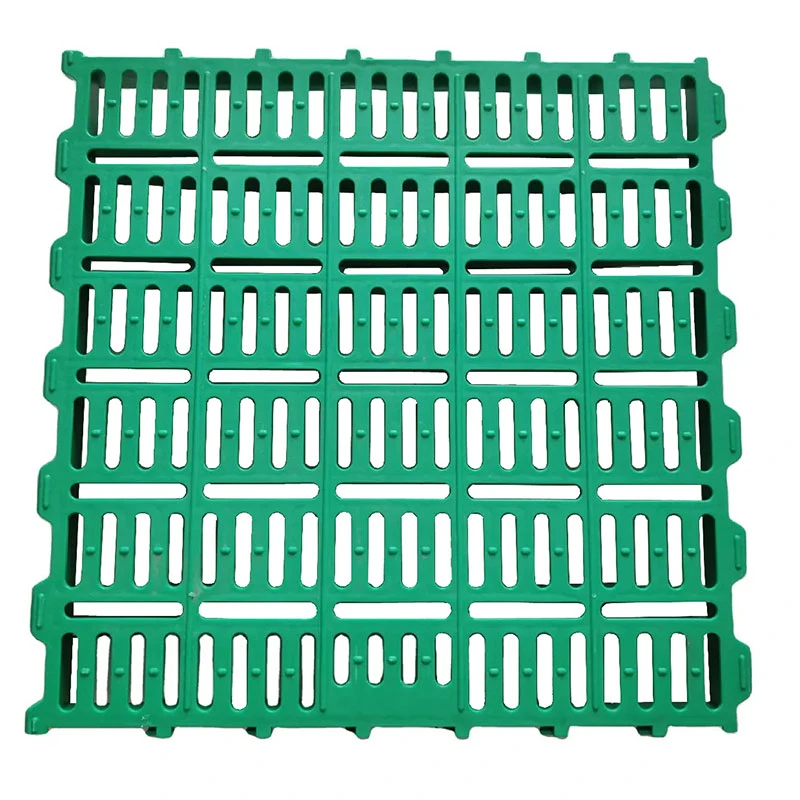
- Floor interface kits for slatted PP or cast-iron grates.
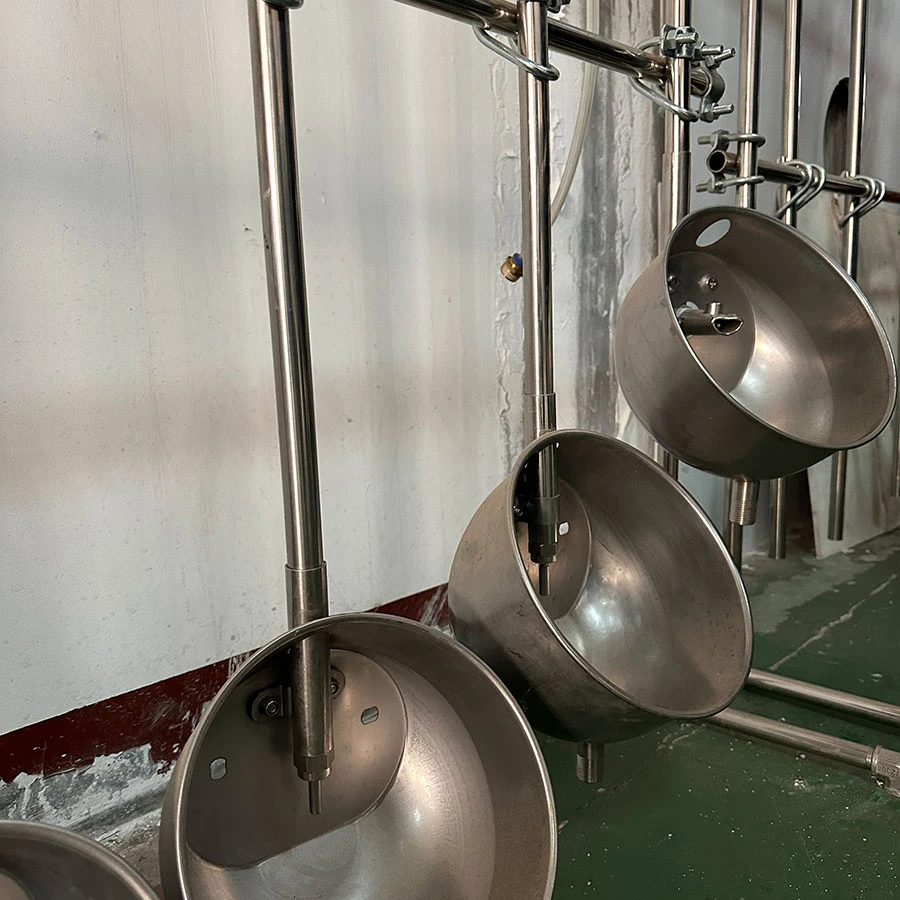
- Nipple drinker lines, feeder brackets, anti-bite caps.
- Color-coded powder topcoat for zone management.
Vendor snapshot (what buyers usually compare)
| Vendor | Material grade | Galvanization | Warranty | Lead time | Certs |
|---|---|---|---|---|---|
| CXLivestock | Q235/Q345 | ISO 1461 HDG, ≈70–100 μm | 5 years structure | 15–30 days | ISO 9001, CE |
| Vendor B | Q235 | Electro-galv. ≈15–25 μm | 2 years | 25–40 days | ISO 9001 |
| Vendor C | SS 201 mix | None (polished) | 3 years | 20–35 days | — |
Mini case study
A 2,400-head finisher in Hebei retrofitted 40 rooms with these panels. After 6 months: washdown time down ≈18%, mortality flat, average daily gain up ≈2.1% versus prior cohort (many factors, granted). Staff feedback was blunt: “No sharp edges. Gates don’t bounce.” That’s the sort of boring reliability you want from a fattening pen.
Compliance and welfare
Bar spacing and floor compatibility are configurable to meet EU 2008/120/EC space and fixture guidance. Corrosion control aligns with ISO 1461, and durability checks follow ASTM B117 protocols. For integrators and agri EPCs, that paper trail matters.
Industries served: commercial pig farms, integrators, research units, contract growers, and livestock engineering contractors. If you’re sizing up your next fattening pen rollout, spec the coating first—you can tweak layout later, but rust never negotiates.
- Council Directive 2008/120/EC of 18 December 2008 laying down minimum standards for the protection of pigs.
- ISO 1461: Hot dip galvanized coatings on fabricated iron and steel articles — Specifications and test methods.
- ASTM B117: Standard Practice for Operating Salt Spray (Fog) Apparatus.
- ISO 3834: Quality requirements for fusion welding of metallic materials.
Post time: Oct . 02, 2025