Understanding Feed Mill Silos: The Backbone of Efficient Livestock Nutrition
If you’ve ever wondered how large-scale animal feed operations keep their raw materials fresh, safe, and ready-to-use—then the role of the feed mill silo is a cornerstone you need to know about. Globally, these towering storage units are more than just “big containers.” They solve some pretty critical challenges in the agricultural supply chain, ensuring animals get nutritious feed without spoilage or wastage. As the demand for livestock products soars—fueled by population growth and rising incomes—efficient feed storage is no longer a luxury; it’s a necessity.
By understanding the benefits and tech behind feed mill silos, businesses and farmers can better optimize operations, lower costs, and boost sustainability in this vital industry. So, if you’re curious how these giant, often overlooked structures power modern farming, stick around.
Why Feed Mill Silos Matter on a Global Scale
Worldwide, around 33% of grains produced are used as animal feed — that’s roughly a billion tons a year according to the FAO. This vast volume needs reliable storage solutions to prevent spoilage and contamination. Feed mill silos serve that role by:
- Protecting grains and feed ingredients from pests and moisture
- Allowing precise inventory management through bulk storage
- Enabling consistent feed delivery by maintaining ingredient quality
- Reducing waste and operational inefficiencies
Yet, many feed producers globally face challenges like inadequate silo designs, poor climate adaptation, and uneven capacity, especially in developing regions. The World Bank notes that inefficiencies in agricultural supply chains cost billions in lost productivity — pointing to silo storage as an area ripe for innovation and investment.
Mini takeaway: Feed mill silos aren’t just storing feed—they’re safeguarding food security, farmer incomes, and animal welfare on a global scale.
What Exactly Is a Feed Mill Silo?
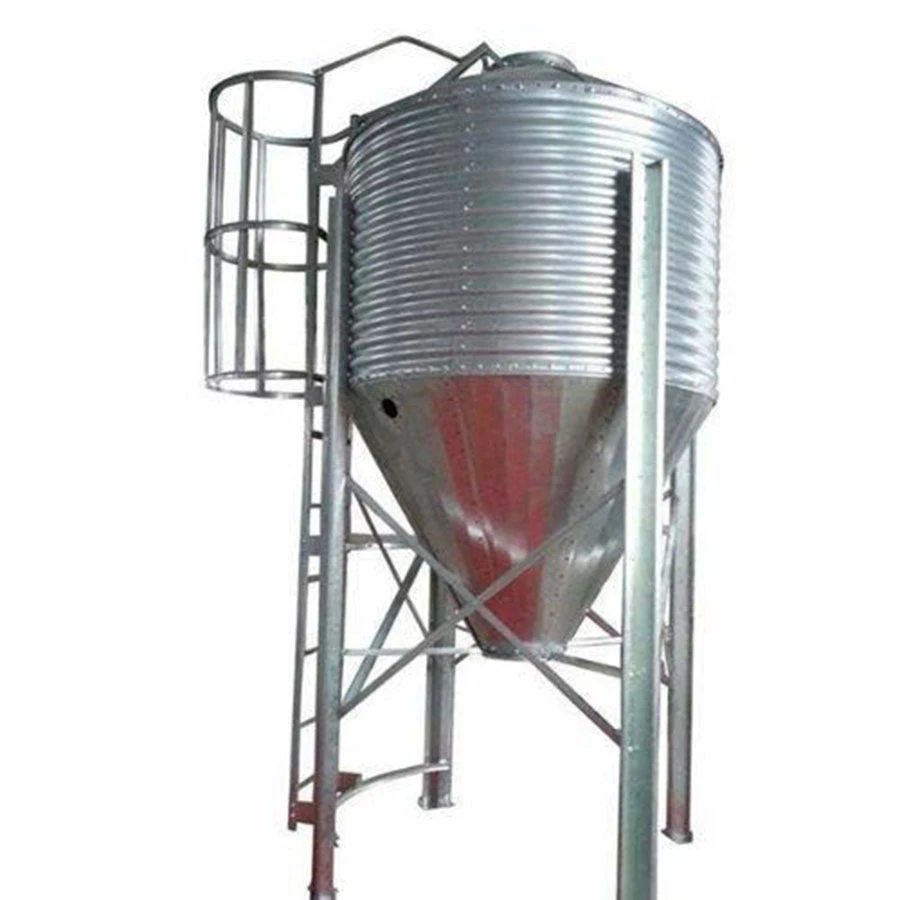
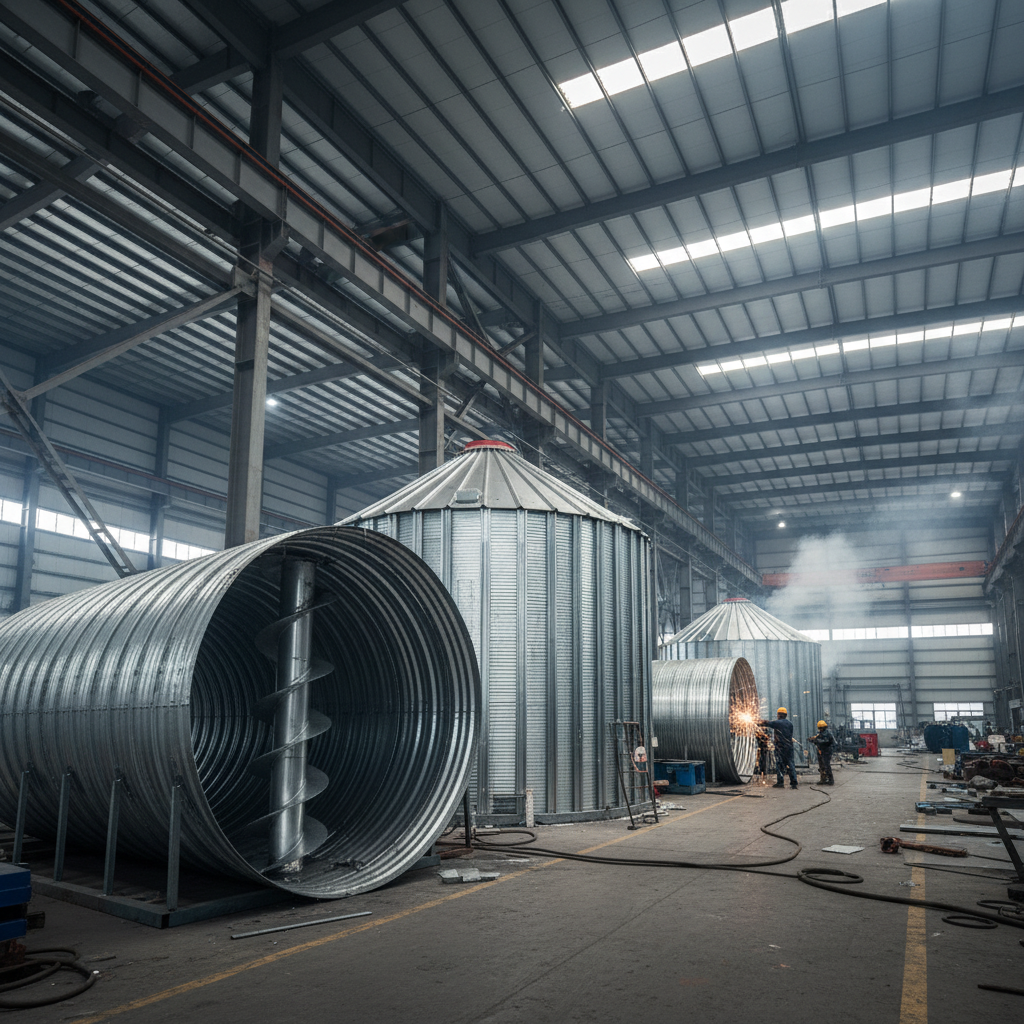
Put simply, a feed mill silo is a large storage tank designed specifically for holding bulk feed ingredients such as corn, soybean meal, wheat, and other grains before processing. They vary greatly in size but share common features:
- Sealed structures minimizing exposure to air and humidity
- Robust construction materials like galvanized steel or reinforced concrete
- Systems for loading (filling) and unloading (discharging) the feed
- At times integrated with temperature and moisture control sensors
In modern feed mills, these silos are interconnected via conveyors or pneumatic systems to streamline feed mixing and batching processes. In humanitarian or remote agricultural settings, they provide durable storage that can withstand harsh weather while preserving feed quality—a small but critical piece in the livestock puzzle.
Core Components and Key Features of Quality Feed Mill Silos
Durability and Material Integrity
Many engineers swear by galvanized steel silos for their resistance to corrosion and pests, while others prefer concrete for thermal insulation properties. The choice depends on climate, feed type, and budget—but durability is non-negotiable. A silo is an investment expected to last decades with minimal maintenance.
Capacity and Scalability
A single feed mill silo can hold anywhere from a few tons to thousands of tons. Scalability matters since growing operations need modular systems that can expand without major overhauls. Oddly enough, the right silo size often balances space constraints and feed throughput demands.
Cost Efficiency and Operational Savings
Quality silos reduce feed spoilage that can run up costs dramatically. Plus, easy automated discharge systems lower labor expenses and speed feed delivery. Over time, these savings pay back initial silo expenses several times over — a fact many operators find reassuring.
Technological Integration
The smart feed mill silo trend includes digital monitoring for moisture, temperature, even pest activity, linked to farm management software. This transparency helps nip contamination issues in the bud and optimize feed rotation for freshness.
Real-World Uses and Global Case Examples
From the American Midwest to Southeast Asia, feed mill silos stand guard over livestock nutrition worldwide. For example:
- Post-Disaster Relief: In times of drought or natural disasters, countries in Africa have deployed temporary feed silos to stabilize livestock feed supplies and prevent famine-related livestock losses.
- Remote Mining Operations: In Australia’s Outback, silos store feed for cattle on vast ranches far from urban supply chains, reducing delivery hiccups.
- Large-Scale Feed Mills: European feed producers lead in automation, integrating smart silos with real-time inventory software to meet strict safety and quality regulations.
For anyone curious, you can check out feed mill silo solutions tailored for various industry demands.
Advantages and Lasting Value
Owning or investing in modern feed mill silos delivers many benefits:
- Cost Savings: Less feed wasted means more budget for growth.
- Sustainability: Proper storage reduces methane emissions from spoiled grain, contributing to better climate practices.
- Safety and Trust: Consistent feed quality safeguards animal health and builds trust with buyers and consumers.
- Innovation Signal: Farms with well-managed silo systems often attract better investment and partnerships.
It’s not just about economics—there’s a dignity in preserving food for animals that support people’s livelihoods and nutrition.
Looking Ahead: Trends and Innovations
The future of feed mill silos is exciting. Experts highlight:
- Green Energy Usage: Solar-powered aeration systems to maintain feed dryness while cutting electrical costs.
- Automation & IoT: Sensors and remote monitoring software let operators manage multiple silos effortlessly.
- Advanced Materials: Lightweight composites that resist corrosion better than steel.
- Modular Designs: Faster installation and transport in developing regions.
These innovations not only boost efficiency but also align with global sustainability goals outlined by the ISO.
Common Challenges and How to Overcome Them
Feed mill silos aren't perfect. Some common issues include:
- Condensation Problems: Leading to mold, tackled by better ventilation and dehumidifying tech.
- Pest Intrusion: Requires sealed doors, treated coatings, and regular inspections.
- Installation Costs: Addressed with modular kits and leasing options to ease upfront expenses.
- Technological Barriers: Especially in rural areas, bridged by user-friendly digital interfaces and training programs.
Many feed mill operators say a proactive maintenance schedule paired with data-driven feed management is the best way forward.
Product Specification Table: Typical Feed Mill Silo Models
| Model | Capacity (tons) | Material | Height (m) | Automation Level | Price Range (USD) |
|---|---|---|---|---|---|
| AgriStore 5000 | 5,000 | Galvanized Steel | 18 | Basic Sensors | 120,000 - 140,000 |
| MegaFeed Pro | 10,000 | Reinforced Concrete | 22 | Advanced IoT Integration | 210,000 - 250,000 |
| EcoStore Compact | 1,200 | Composite Materials | 10 | Manual | 45,000 - 60,000 |
Vendor Comparison: Feed Mill Silo Providers
| Vendor | Specialty | Geographic Reach | Tech Innovation | After-Sales Support |
|---|---|---|---|---|
| GrainSafe Corp | Large Capacity Steel Silos | Worldwide | IoT Monitoring | 24/7 Global Support |
| SafeFeed Technologies | Silos for Small & Mid Farms | North America & Europe | Automated Aeration Systems | Onsite Training & Maintenance |
| EcoFarm Solutions | Environmentally Friendly Silos | Asia-Pacific Focused | Solar-Powered Ventilation | Remote Diagnostics |
Common Questions About Feed Mill Silos
What size feed mill silo do I need for a mid-sized poultry farm?
Typically, a mid-sized poultry farm benefits from silos holding between 1,000 to 3,000 tons, depending on production scale and feed turnover rate. It’s crucial to consider space, climate, and feed type. Consulting with suppliers can clarify exact models suited to your farm.
How often should feed mill silos be inspected for pests and contamination?
Experts recommend quarterly inspections to detect early signs of pest intrusion or moisture buildup. Rapid action avoids large-scale feed loss. Automation with sensors can reduce manual checks but don’t fully replace physical inspections.
Are feed mill silos environmentally friendly?
Modern silos with proper sealing and aeration reduce spoilage-related emissions. Furthermore, solar-powered ventilation systems and eco-friendly materials are increasingly common. So, yes—they can be part of a greener supply chain when designed thoughtfully.
Can feed mill silos be easily expanded as my farm grows?
Many manufacturers offer modular silo designs specifically for scalability. This means you can add units or increase height over time without tearing down existing infrastructure, an important feature for evolving operations.
What maintenance is typically required for a feed mill silo?
Routine checks every 6 to 12 months are advised, including cleaning, seal inspection, and mechanical system servicing. Proper upkeep extends silo life and prevents feed quality problems.
Wrapping Up: Why Investing in Feed Mill Silos Pays Off
Long-term, feed mill silos represent more than just storage tanks — they are vital enablers of efficient, sustainable livestock production. By investing in quality silos, farms and feed producers can minimize waste, optimize costs, and ensure animal nutrition consistency, all while embracing forward-looking tech and sustainable practices.
Want to explore the best feed mill silo options customized for your needs? Visit our website and start transforming your feed storage strategy today.
References & Further Reading
Post time: Dec . 02, 2025