Why Flooring Slats Matter: A Brief Overview
In the world of construction, agriculture, and even humanitarian aid, flooring slats play a surprisingly vital role. They’re more than just simple wooden or plastic strips laid down as flooring; they solve real-world challenges — from ensuring hygiene in livestock pens to providing efficient, quick-install floors in emergency shelters. Why does this matter globally? Well, as the population grows and industries demand scalable, sustainable solutions, flooring slats offer the kind of functional versatility that’s both practical and environmentally sound.
Understanding the types, materials, and applications of flooring slats means better decisions in everything from industrial farming to disaster relief infrastructure. And as it turns out, those decisions can have ripple effects — improving safety, reducing waste, and even lowering costs long term.
Global Context: Flooring Slats in a Changing World
Globally, the demand for smart construction components continues to rise. According to a World Bank report, construction growth in emerging markets is expected to increase by 3.5% annually through 2030. But traditional flooring materials often don’t meet the specific needs in varied environments.
Flooring slats address several critical issues, notably in agriculture and post-disaster housing. For example, the FAO reports that over 70% of the world’s farmers still rely on inadequate flooring for livestock, which leads to animal health problems. In humanitarian contexts, flooring slats enable quicker deployment of shelters with better hygiene and safety, something few know is essential for dignity and recovery.
But there’s a catch: making these slats durable, cost-efficient, and adaptable to many climates is no small feat. The global flooring slats market confronts challenges like fluctuating raw material prices and environmental standards worldwide (ISO 14001 being a key benchmark).
What Exactly Are Flooring Slats?
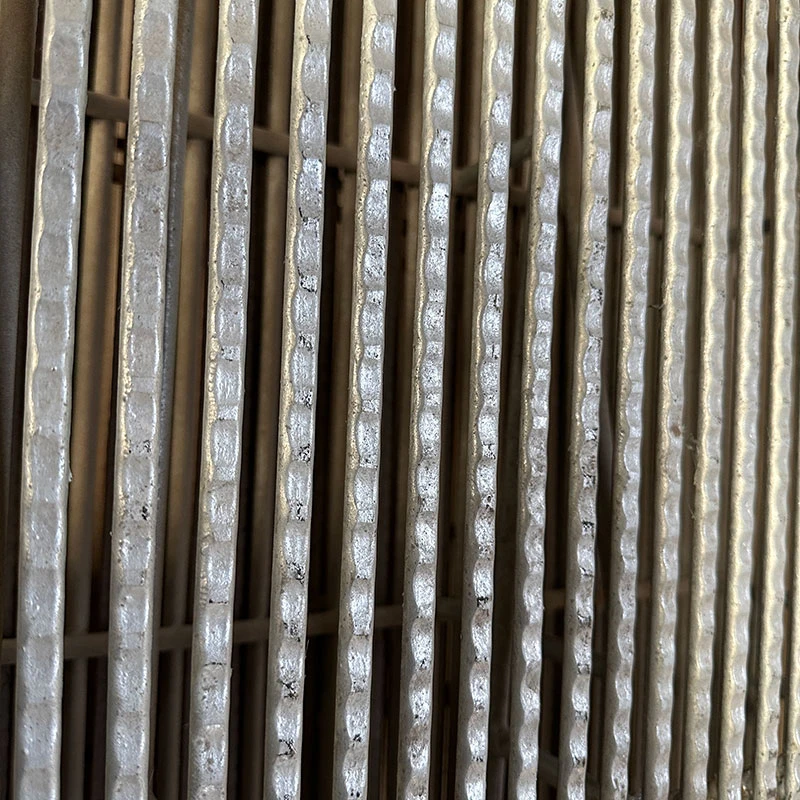
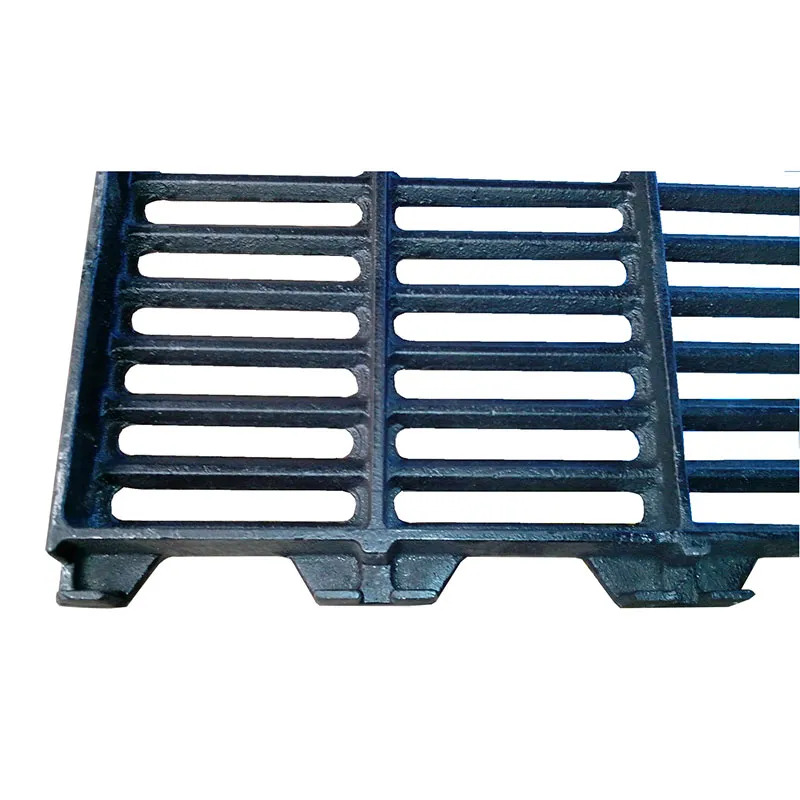
In essence, flooring slats are long, narrow strips of wood, plastic, or metal designed to be laid side-by-side as a floor surface. They come perforated or smooth, with spacing tailored to drain liquids or allow ventilation—depending on the intended use.
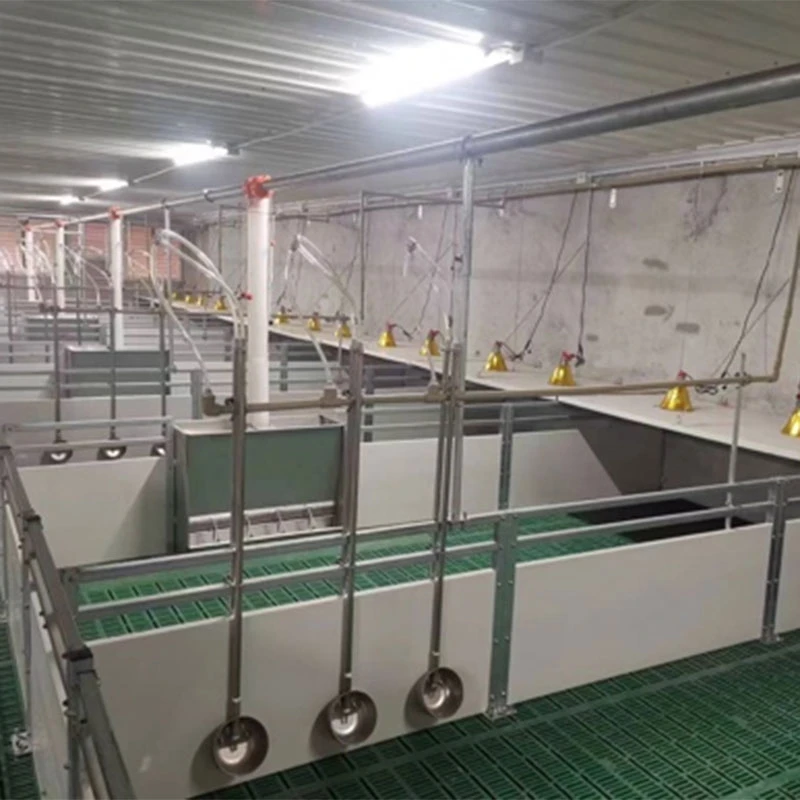
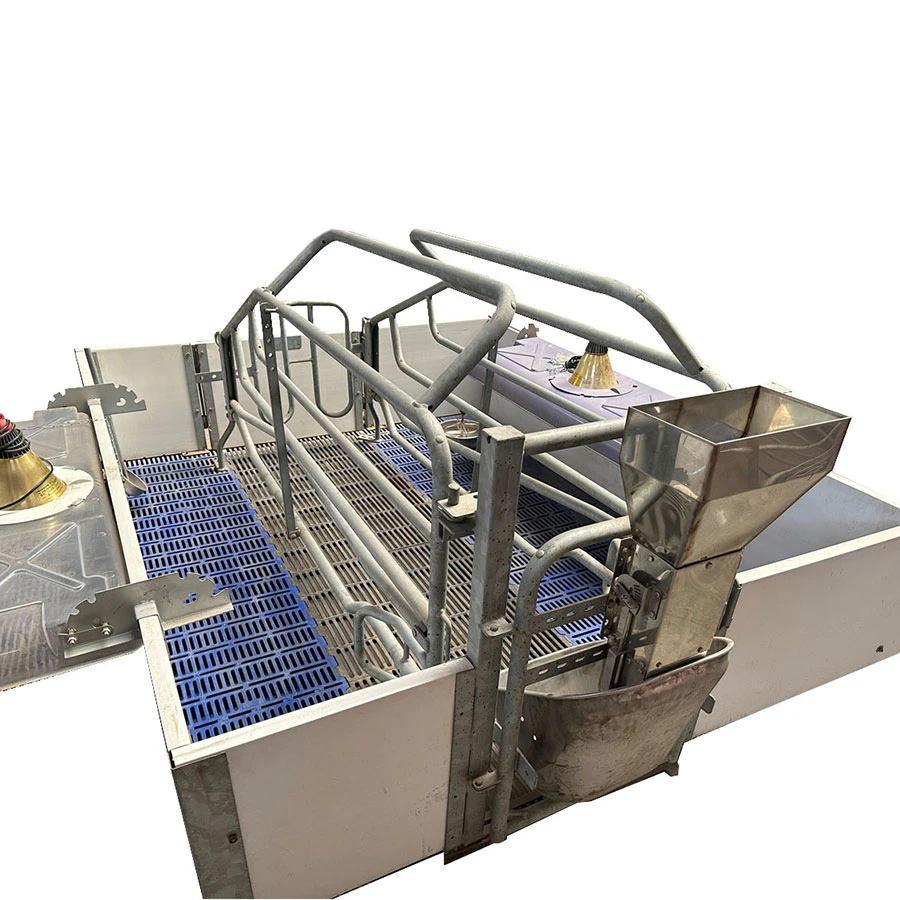
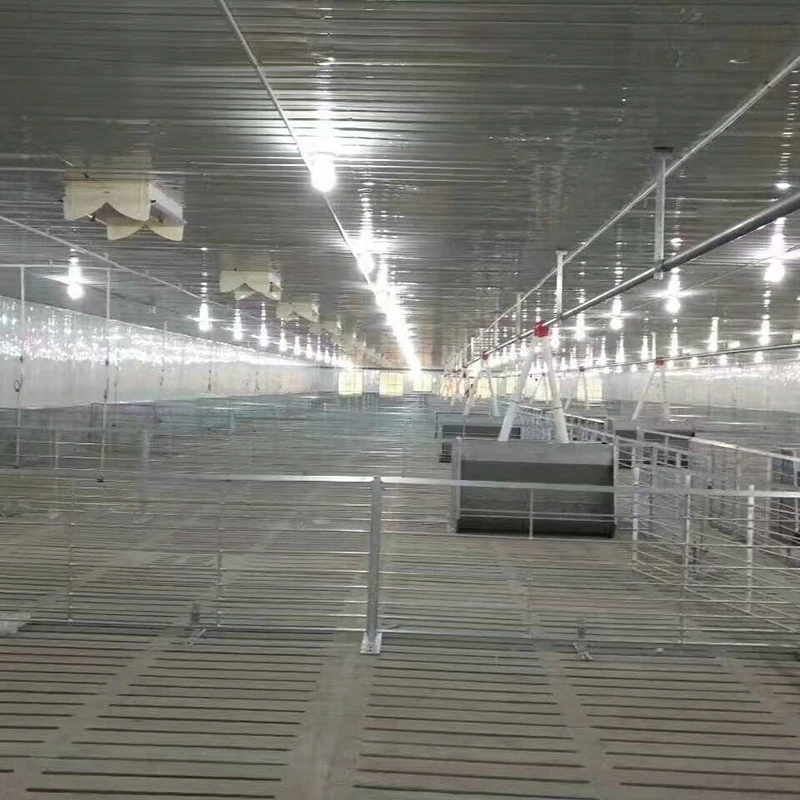
For example, in modern livestock farming, flooring slats facilitate waste removal and improve animal welfare by keeping hooves dry. In modular construction, they form the basic building blocks of floors that can be rapidly assembled and disassembled.
Think of them as the humble workhorses behind many big operations: small and straightforward, but essential. Their connection to modern industry is strong because they hit a balance between structural integrity, light weight, and adaptability.
Core Components of Flooring Slats
1. Durability
Durability isn’t just about lasting a few years; it’s about resisting wear and the corrosive effects of water, chemicals, or heavy footfall. Whether made from reinforced plastic composites or treated wood, flooring slats must stand up to specific environments.
2. Scalability
Since many applications range from a small barn up to massive factory floors, slats have to be scalable in quantity and size. Modular designs help here. The idea is quick installation without sacrificial complexity.
3. Cost Efficiency
The cost doesn’t just include initial purchase, but maintenance, replacements, and waste disposal. Plastic composites, for example, might cost more upfront but often pay off over time in durability and low upkeep.
4. Hygiene & Ventilation
Especially in farming or health-sensitive settings, slats often have gaps for drainage and airflow. This simple feature can drastically reduce diseases or infections both for animals and humans.
5. Environmental Impact
More manufacturers now consider the carbon footprint. Are the slats recyclable? Made from renewable materials? This helps align with ISO and UN Sustainable Development Goals.
Flooring Slats Around the World: Practical Use Cases
From cold climates in northern Europe to tropical zones in Africa, flooring slats find homes in diverse settings:
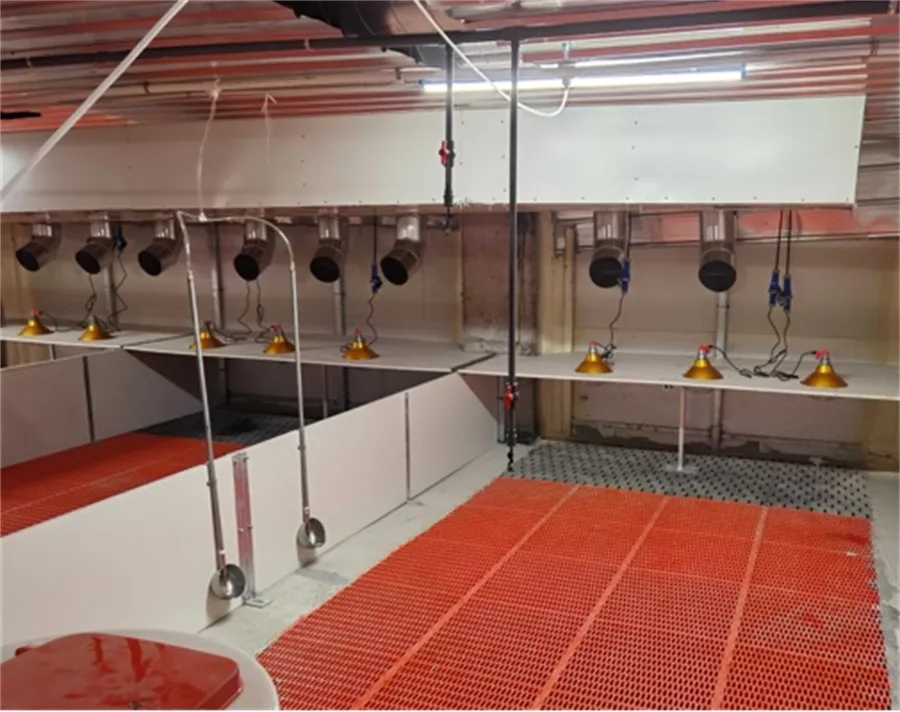
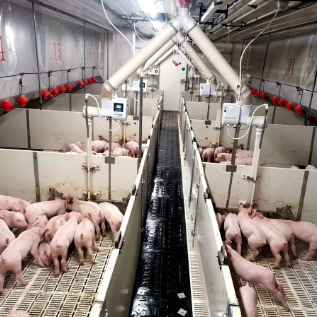
- Agriculture: In Denmark and the Netherlands, slatted floors in piggery barns optimize animal health and nutrient flow.
- Humanitarian Housing: Post-disaster relief agencies in Southeast Asia use prefabricated slats for rapidly deployable flooring that dries fast and improves shelter sanitation.
- Industrial Facilities: Factories in South America often use heavy-duty metal slats that handle chemical spills and high foot traffic without warping.
- Remote Mining Sites: In Australia, plastic and composite slats reduce transport weight and installation time in tough environments.
One NGO worker once shared how installing modular slat floors in refugee camps drastically cut waterborne illnesses—highlighting an often-overlooked benefit: dignity through cleanliness.
Advantages & Long-Term Value of Flooring Slats
Simply put, well-designed flooring slats offer:
- Cost savings due to durability and easy maintenance
- Sustainability via renewable or recyclable options
- Improved safety by preventing slips and controlling moisture
- Health benefits from better hygiene
- Flexibility for different industries and geographies
Emotionally, it’s comforting to know that such simple components can provide so much — safety for animals, stability for homes, and comfort for workers. Trust is built from the ground up, sometimes literally.
Product Specification Table: Flooring Slats
| Feature | Wooden Slats | Plastic Composite Slats | Metal Slats |
|---|---|---|---|
| Typical Size | 1200 x 150 x 25 mm | 1200 x 160 x 30 mm | 1200 x 150 x 5 mm |
| Weight | ~2.3 kg/slat | ~1.8 kg/slat | ~3.5 kg/slat |
| Durability | Moderate (treated wood) | High (UV & chemical resistant) | Very High (rust-resistant coating) |
| Typical Use | Livestock barns, small construction | Outdoor farming, modular floors | Industrial, chemical plants |
| Environmental Impact | Renewable; biodegradable | Recyclable; possibly recycled content | Low (high energy use in production) |
Vendor Comparison: Flooring Slat Manufacturers
| Vendor | Material Focus | Delivery Speed | Customization Options | Certifications |
|---|---|---|---|---|
| CX Livestock | Wood, Plastic Composite | 3-5 business days | Size, perforation patterns | ISO 9001, FSC |
| Global Slat Co. | Metal, Plastic | 7-10 days | Thickness, surface finish | ISO 14001 |
| EcoSlats Ltd. | Recycled Plastic | 5-7 days | Colors, recycled content | Cradle to Cradle certified |
Future Trends & Innovations in Flooring Slats
Oddly enough, as much as flooring slats feel like a simple concept, there’s a quiet revolution underway. More companies are exploring advanced composite materials infused with nanotechnology for added strength and self-cleaning properties. Carbon-neutral sourcing efforts are accelerating, especially with green building certifications becoming more mainstream.
On the digital front, “smart flooring” with embedded sensors to monitor weight loads or foot traffic is no longer science fiction. Imagine flooring slats that communicate wear levels or send alerts when replacement is due. In humanitarian settings, that kind of data could drastically improve maintenance schedules.
Challenges & How We’re Solving Them
Of course, no solution is perfect. Flooring slats often struggle with:
- Environmental degradation from UV or moisture exposure over time
- Initial costs that deter small-scale farmers or NGOs
- Logistical hurdles in remote or disaster-stricken areas
Innovative coatings, bulk manufacturing discounts, and modular transport solutions are emerging to tackle these. Plus, collaborations between manufacturers and field agencies lead to more tailored designs that actually fit real conditions. The key? Not assuming one size fits all.
FAQ: Common Questions About Flooring Slats
- Q: How durable are plastic composite flooring slats compared to wood?
- A: Plastic composites generally last longer under wet or harsh conditions because they resist rot and chemical damage better than most treated woods. They may cost more initially but reduce replacement frequency.
- Q: Can flooring slats be customized for specific livestock needs?
- A: Absolutely. Many providers offer perforation patterns, slat widths, and thickness options tailored to different animals — from pigs and cattle to poultry — optimizing comfort and waste management.
- Q: Are flooring slats environmentally friendly?
- A: Yes, especially those made from sustainably harvested wood or recycled plastics. Look for FSC certifications or cradle-to-cradle ratings for assurance.
- Q: How quickly can flooring slats be delivered and installed in emergency scenarios?
- A: Depending on supplier proximity and stock, delivery can be as fast as 3-5 days, and many slat systems offer tool-free, snap-together installation, making setup faster and less labor-intensive.
Wrapping It Up: Why Flooring Slats Deserve Your Attention
Looking at the big picture, flooring slats might seem like a small piece of a massive puzzle, but their influence touches health, sustainability, and efficiency in meaningful ways. Whether you operate a farm, manage an industrial site, or coordinate disaster response, choosing the right flooring slats can pay dividends in cost savings, safety, and environmental impact.
Why not explore the options and innovations out there? Visit our website at https://www.cxlivestock.com to see a wide selection tailored to your needs. Trust me, it’s often the “little things” like proper flooring that make a world of difference.
References
Post time: Dec . 02, 2025