Understanding Gestating Pen Size and Design: Why It Matters More Than You Think
At first glance, “gestating pen size and design” might seem like a niche topic restricted to swine farmers or agricultural engineers. But in reality, the way we design and size pens for gestating sows echoes far beyond a single farm or industry. It touches on global food security, animal welfare, sustainability efforts, and even cultural standards of humane treatment. As demand for pork continues to climb worldwide, understanding the science and practice behind gestating pen size and design offers key benefits—from improving productivity and animal well-being, to reducing environmental impacts and fostering ethical husbandry.
Global Context: Why Gestating Pen Design Is a Worldwide Challenge
Globally, pork accounts for roughly 38% of all meat consumed, according to the Food and Agriculture Organization (FAO). With increasing populations, especially in Asia and parts of Africa, the industry faces pressure to produce more meat efficiently — but not at any cost. Poorly designed gestating pens can cause stress, injury, and reduced reproductive performance in sows, impacting productivity. At the same time, animal welfare guidelines, such as those ratified by the ISO and other international bodies, increasingly emphasize space, freedom of movement, and environmental enrichment.
The balancing act is real: how to keep pens compact enough to optimize land use and cost, while improving sow comfort and health. Many farmers and agribusinesses wrestle with outdated pen sizes or misguided designs that fail to meet growing welfare standards or sustainability goals. The keyword — gestating pen size and design — can unlock solutions that are as much about ethical farming as they are about economic survival.
What Exactly Is Gestating Pen Size and Design?
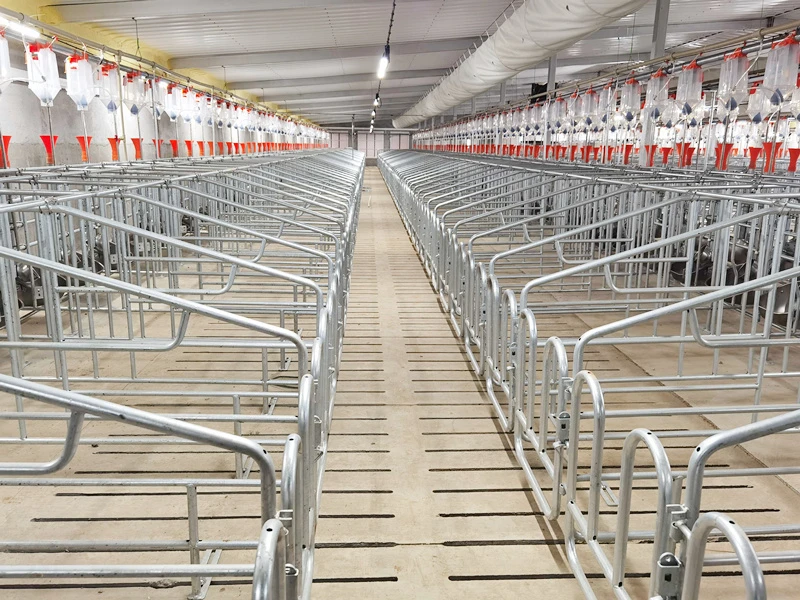
Simply put, the term refers to the dimensions, layout, and structural elements of enclosures used to house pregnant sows during the gestation period (typically 114 days). These pens vary in size depending on factors like the number of animals, breed specifics, climate considerations, and management style (individual stalls versus group housing).
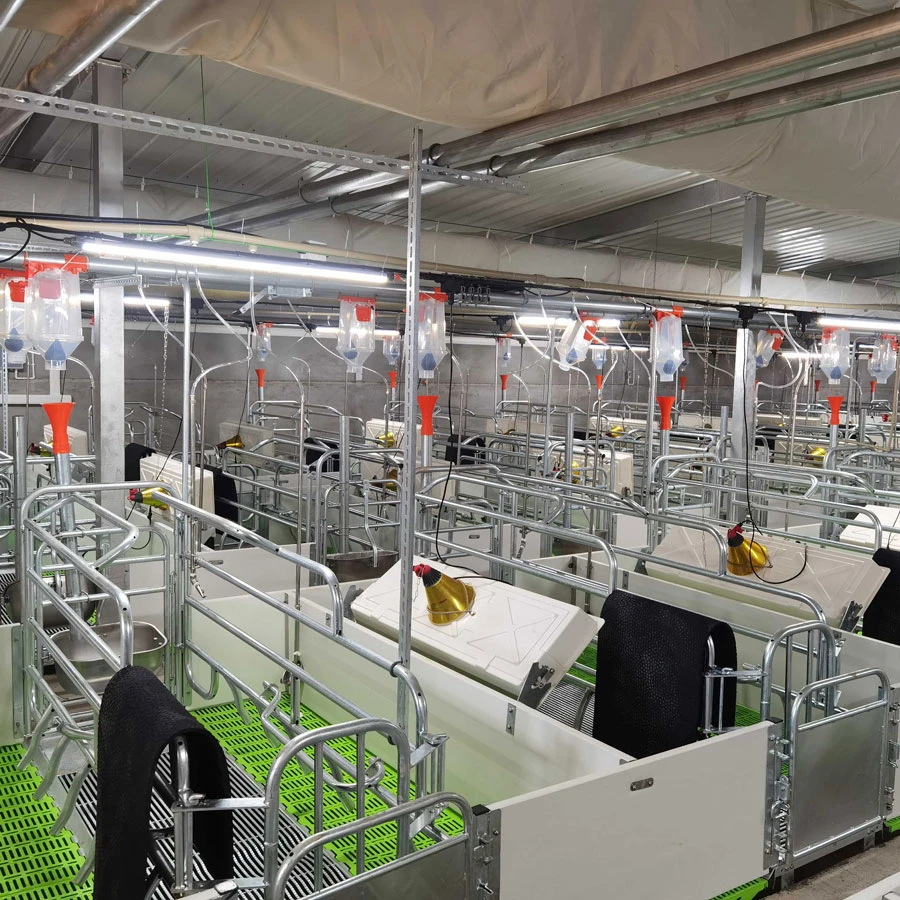
Beyond mere measurement, design includes consideration of flooring (for comfort and hygiene), feeder placement, access to water, ventilation, lighting, and even social interactions between sows. The “how” and “how much” space they get directly influences their welfare, reproductive success, and the farm’s operational efficiency.
Mini Takeaway:
Gestating pen size and design is not just about boxes with piggies inside, but a complex interplay of space, welfare, and management that has broad consequences globally.
Core Components of Effective Gestating Pen Size and Design
1. Space Allocation and Animal Comfort
One of the most scrutinized factors is the actual square footage or square meters available per sow. Too little space leads to aggression, injury, and stress; too much, and farmers may face inefficiencies. Research suggests group pens should allocate at least 2.0 to 2.5 square meters per animal in group housing systems, while individual stalls provide about 0.65 to 0.7 square meters per sow — but this varies by jurisdiction and breed.
2. Flooring and Drainage
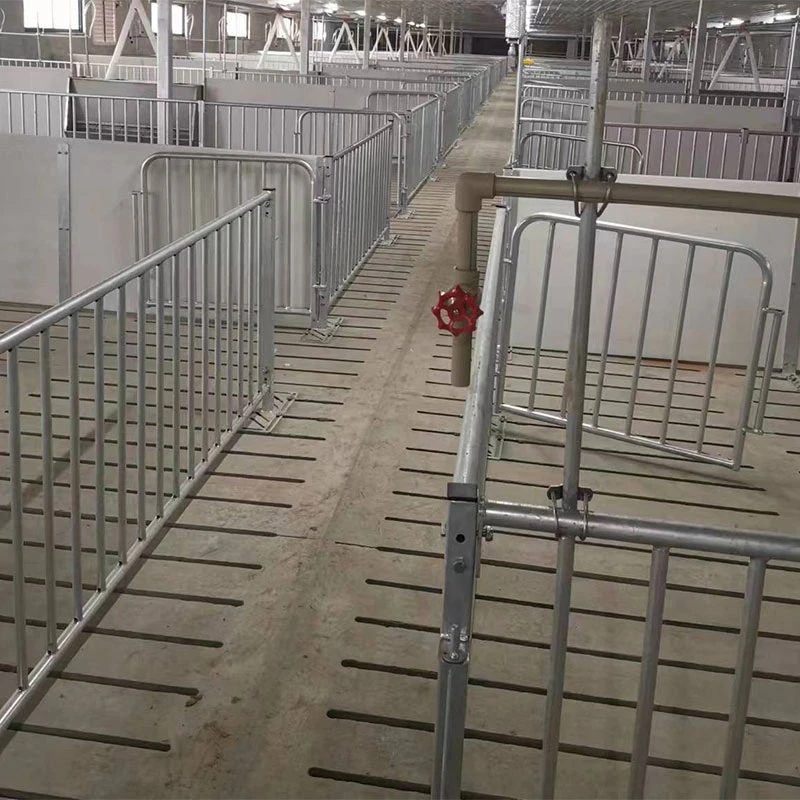
A good floor isn’t merely a hard slab; it accounts for sow comfort, hygiene, and biosecurity. Concrete slatted floors are common but must be designed with proper gaps to allow waste drainage without causing hoof injuries. Alternatives include rubber mats that reduce lameness and improve thermal comfort.
3. Feeding Systems and Accessibility
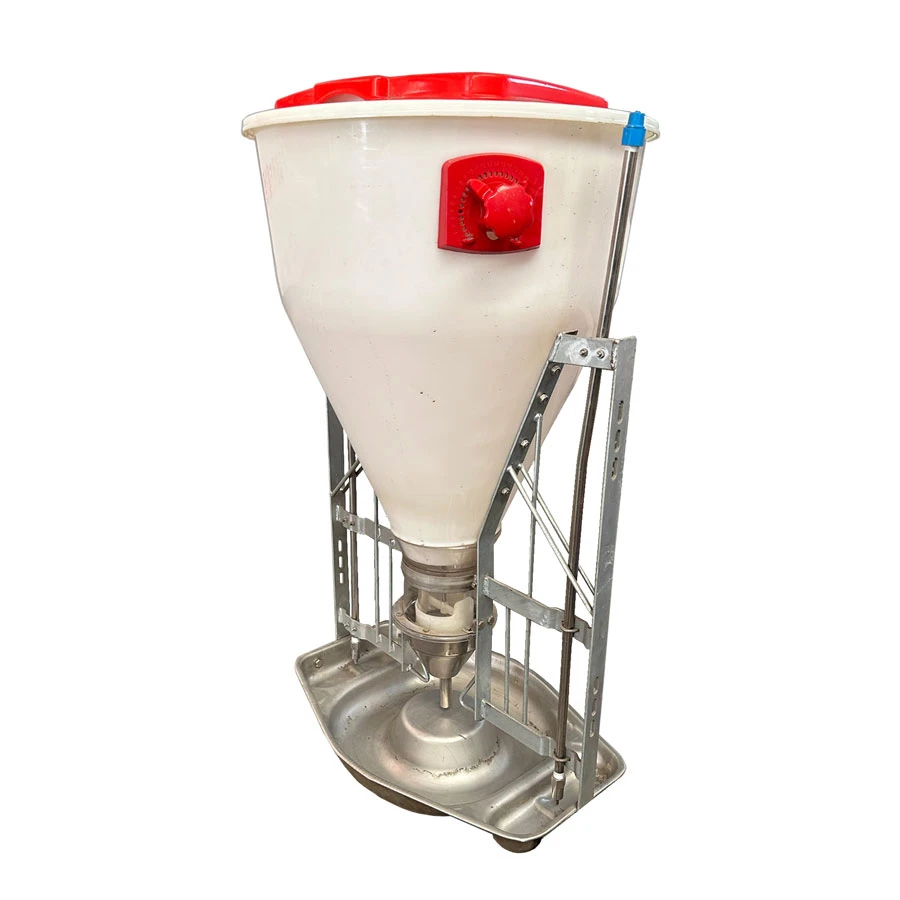
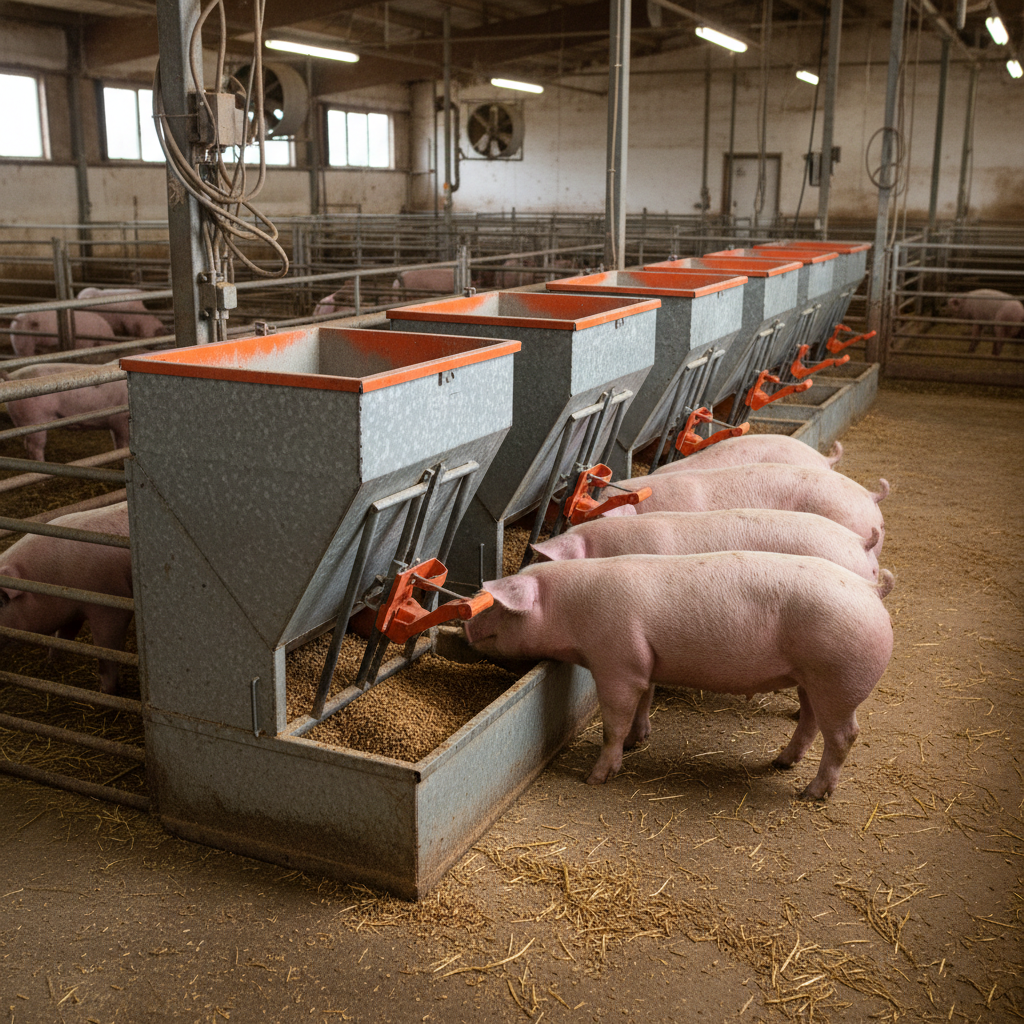
Feeders must be easy to access for all animals to prevent dominance conflicts yet discourage waste. Designs that allow individual feeding in group pens via electronic sow feeding (ESF) are becoming industry standards in many regions.
4. Ventilation and Lighting
Good air circulation reduces respiratory issues, ammonia buildup, and temperature stress. Lighting regulates circadian rhythms affecting sow health and behavior. Optimal pen design integrates natural and artificial lighting and passive or active ventilation.
5. Durability and Maintenance
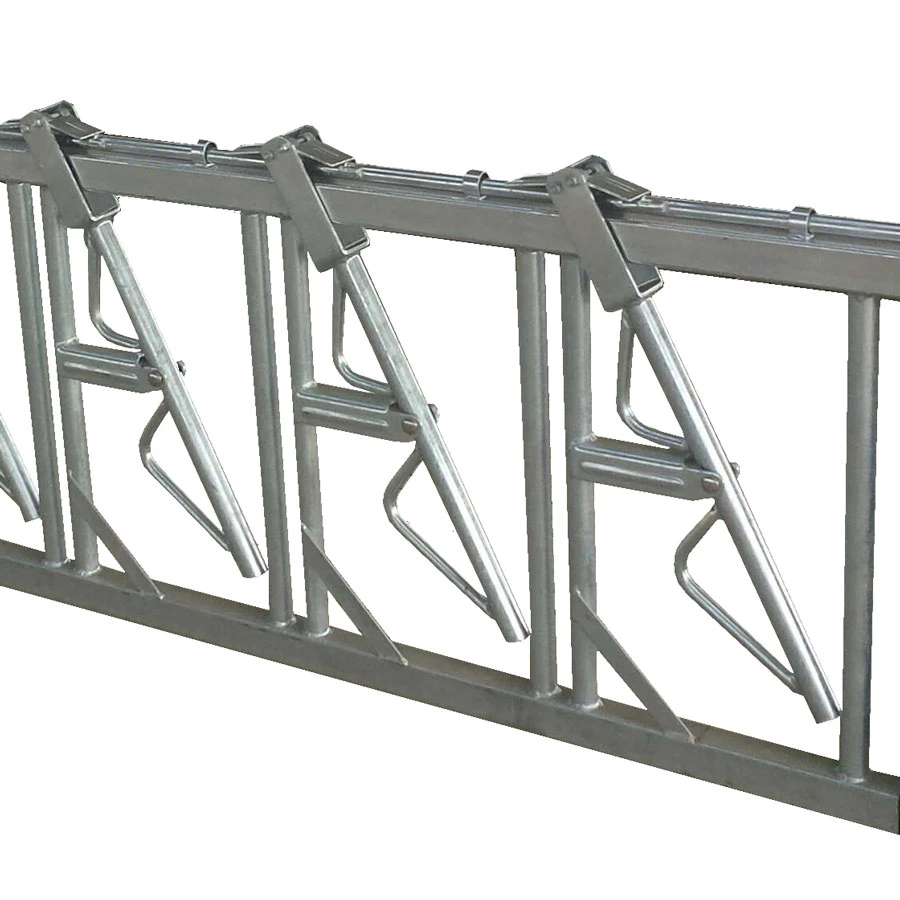
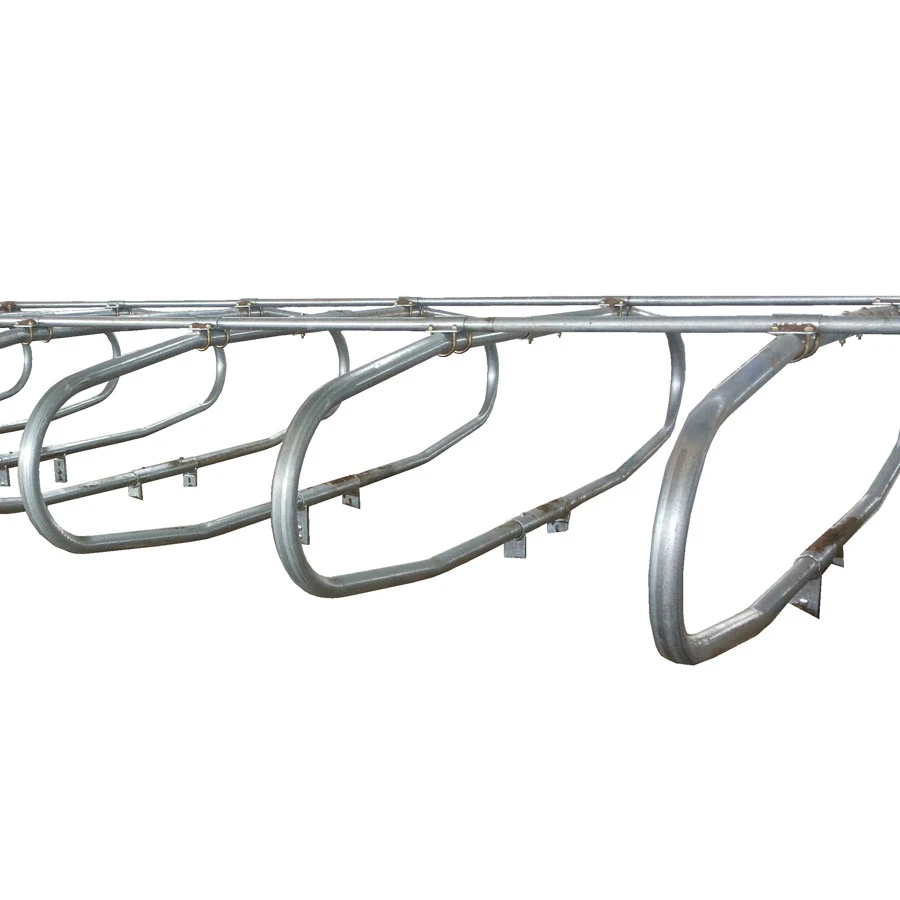
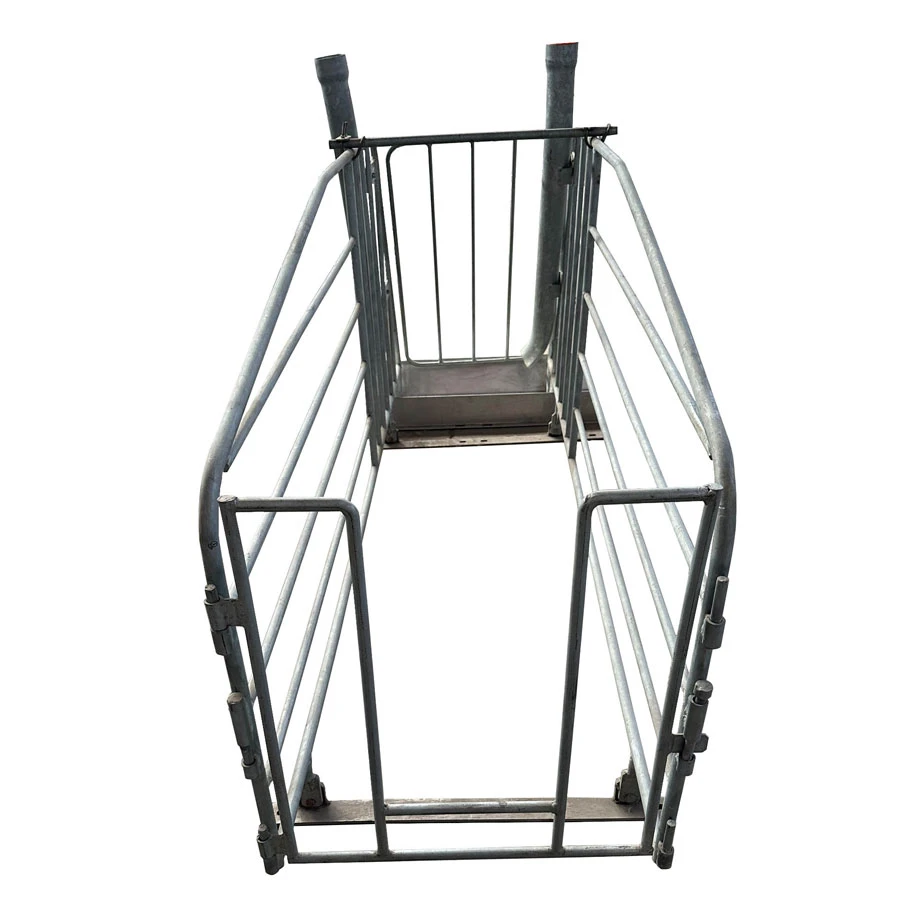
Materials must withstand harsh conditions, cleaning chemicals, and the sows themselves—while allowing easy maintenance. Stainless steel and galvanized metals often dominate, but newer composites are gaining ground for longevity and sustainability.
6. Scalability and Cost Efficiency
Farm managers often need pens that can adapt to expanding herd sizes or different breeds. Modular, scalable pen designs reduce upfront costs and allow for phased investments.
Mini Takeaway:
Gestating pen design involves harmonizing space, comfort, environmental factors, and economics to meet demanding any farm or industry standards.
Global Applications and Real-World Use Cases
Across Europe, regulations push for group housing pens with minimum space allowances per sow, resulting in innovative pen designs that many US and Asian farms are beginning to emulate. In China, for instance, where the pork industry is the globe’s largest, producers invest heavily in improved gestating pen size and design to meet evolving national standards and export market demands.
Meanwhile, in regions like Brazil’s intensive farming zones, managing heat stress has led to pen designs with enhanced shading and ventilation. NGOs working in rural development projects support smallholder farmers with technical assistance on pen size and welfare adjustments that improve both yields and animal welfare.
Post-disaster relief efforts that include livestock restocking campaigns often incorporate guidance on proper pen sizing to ensure faster adaptation and healthy pregnancies for sows, crucial for rebuilding local food supplies.
Mini Takeaway:
Good gestating pen design is a global concern—no matter the income or development level—ranging from commercial farms to humanitarian aid.
Advantages and Long-Term Benefits of Thoughtful Pen Design
- Improved Sow Health and Productivity: Better space and comfort reduce stress and injury, leading to higher conception rates and healthier litters.
- Economic Efficiency: Optimized pen size minimizes wasted floor space while maximizing output, leading to lower overhead per animal.
- Sustainability: Designs that facilitate better waste management and energy use reduce environmental footprints.
- Enhanced Animal Welfare: Humane treatment boosts consumer trust and market access, especially with rising global scrutiny on livestock ethics.
- Reduced Veterinary Costs: Healthier sows require less medication and intervention.
Mini Takeaway:
The benefits of good pen design ripple through economics, ethics, and even market positioning—kind of a win-win scenario.
Future Trends & Innovations in Gestating Pen Size and Design
The push towards sustainability and automation is reshaping pen design. Materials incorporating recycled plastics or carbon-negative composites are on the rise. Smart farming technologies are transforming feeding and health monitoring—imagine pens where sensors monitor sow behaviors, temperature, and weight in real time, optimizing individual pen space and intervention.
One promising development is digital modeling of pen layouts to maximize air flow and comfort before construction, saving both time and money. Additionally, automated cleaning and waste handling systems reduce labor and improve hygiene.
Challenges and Practical Solutions
Despite the progress, many farms still operate with legacy pens that fall short of modern standards due to cost or knowledge gaps. Space constraints, especially in urban or developing regions, limit adoption of spacious designs. And supplier differences can add to confusion about best practices.
From my conversations with industry vets, the best answer is customized, phased upgrades combined with training, aligned with local conditions. Partnerships between farmers, engineers, and animal welfare experts often yield the most practical and sustainable outcomes.
Product Specification Table: Typical Gestating Pen Features
| Feature | Standard Range | Notes |
|---|---|---|
| Space per Sow (Group Housing) | 2.0 - 2.5 m² | Varies with region & welfare standards |
| Individual Stall Area | 0.65 - 0.7 m² | Common in restrictive systems |
| Flooring Type | Concrete slatted / Rubber mats | Rubber for improved comfort |
| Ventilation | Natural + Mechanical | To reduce ammonia & heat stress |
| Feeding System | Individual + Group feeders & ESF | Electronic Sow Feeding gaining ground |
| Material Durability | Galvanized steel / Composite | Corrosion resistant preferred |
Vendor Comparison Table: Leading Gestating Pen Solutions
| Vendor | Design Focus | Materials | Price Range | Special Features |
|---|---|---|---|---|
| AgriPen Solutions | Ergonomic group pens | Galvanized steel, concrete | $$$ | Modular scalable designs |
| SowComfort Inc. | Individual stall focus | Recycled plastic composite | $$$$ | Integrated tech for health monitoring |
| EcoFarm Designs | Sustainable & green story | Bamboo composites & rubber mats | $$ | Eco-friendly materials |
| Global Pig Housing | Heavy-duty durability | High-grade steel | $$$ | Long-term warranties & service |
Frequently Asked Questions About Gestating Pen Size and Design
Q1: How much space should each sow have in a group gestating pen?
A: Industry standards recommend anywhere between 2.0 to 2.5 square meters per sow in group housing to allow movement and reduce stress. However, exact space depends on breed and regional welfare laws.
Q2: What are the benefits of group housing versus individual stalls?
A: Group housing encourages natural behaviors, reduces repetitive stress injuries, and often improves social interactions. It can increase welfare but may require careful management to reduce aggression.
Q3: Can improved pen design reduce veterinary costs?
A: Absolutely. Pens promoting comfort, hygiene, and reduced stress lead to healthier sows with fewer infections or injuries, subsequently lowering medical treatments.
Q4: Are there eco-friendly materials suitable for gestating pens?
A: Yes. Sustainable options like recycled plastics, bamboo composites, and rubber mats are increasingly used to reduce the environmental footprint while maintaining durability.
Q5: How can farms transition from traditional pens to modern gestating pen designs?
A: Incremental upgrades focusing on critical pain points—space, flooring, ventilation—combined with expert consultation work best. Many farms phase improvements over seasons to minimize disruption.
Conclusion: Why Investing in Gestating Pen Size and Design Pays Off
In sum, thoughtfully designed gestating pens are not a mere operational detail but a cornerstone of modern, sustainable, and humane pork production. They directly impact sow health, farm economics, and environmental footprints. As global standards evolve and consumers demand transparency and welfare, the farms and businesses that prioritize gestating pen size and design position themselves for long-term success — both ethically and financially.
For more insights and practical solutions, visit our website: https://www.cxlivestock.com
Final Thought:
It's funny how something as simple as pen size can say so much about where agriculture is headed: towards more respect, more science, and oddly enough, more common sense.
References
Post time: Dec . 02, 2025