Understanding the Shift to Gestation Crate Free Farming: What It Means and Why It Matters
Farm animal welfare isn't just a buzzword anymore — it’s transforming how farmers, consumers, and regulators think about raising livestock. The move toward gestation crate free systems is about more than ethics; it touches global trade, sustainability, and innovation in agriculture. In simple terms, “gestation crate free” means housing pregnant sows without restrictive individual stalls, allowing them more freedom of movement. It sounds straightforward, but its implications ripple across supply chains, regulatory landscapes, and consumer trust worldwide.
So, why care? For one, the global pork industry faces increasing pressure to improve animal welfare standards while maintaining efficiency and profitability. Understanding gestation crate free approaches helps illuminate farming’s future, especially in regions seeking sustainable and humane food production. Let’s dive deeper — because if you’re involved in livestock, food retail, or sustainable farming, this topic will likely land on your desk soon, if it hasn’t already.
The Global Context: Why Gestation Crate Free Farming Is Gaining Momentum
Across continents, from Europe to North America and Asia, the way sows are housed is evolving rapidly. According to the Food and Agriculture Organization (FAO), nearly 40% of the world's pork production is now under some form of welfare regulation that limits or bans gestation crates.
Regulatory frameworks like those enforced by the European Union under their animal welfare directives, or the voluntary but growing gestation crate free pledges by major retailers in the United States, illustrate a shift driven by consumer awareness and science alike. The problem arises when outdated farming methods lead to animal stress, lower meat quality, and reputational risks.
In real terms, these crated environments restrict sows’ ability to move, causing physical and psychological harm. The global challenge is how to balance animal welfare improvements with farm economics and operational feasibility — a puzzle that gestation crate free methods aim to solve.
What Does “Gestation Crate Free” Actually Mean?
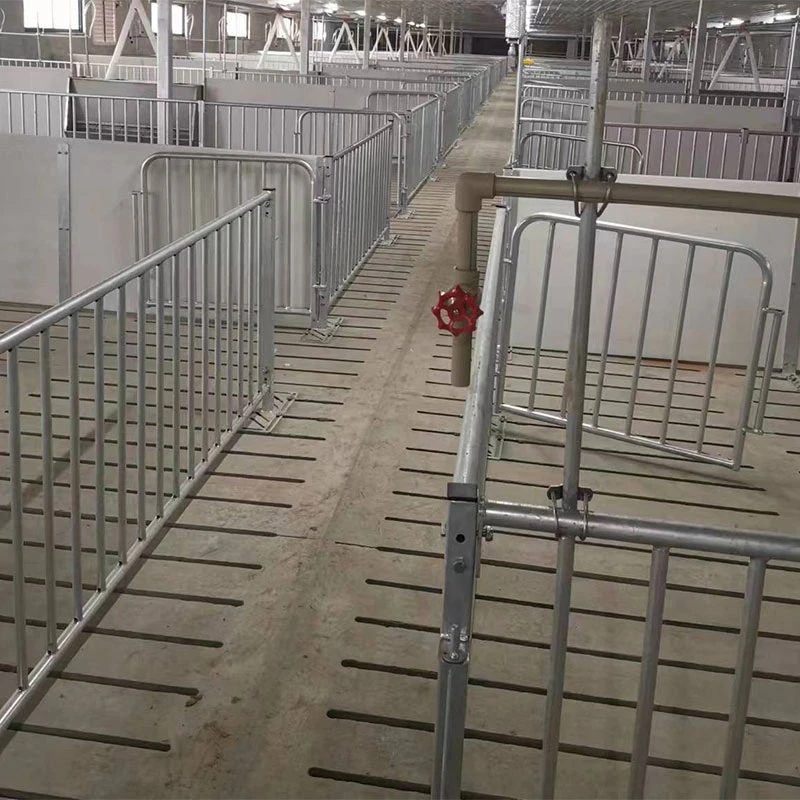
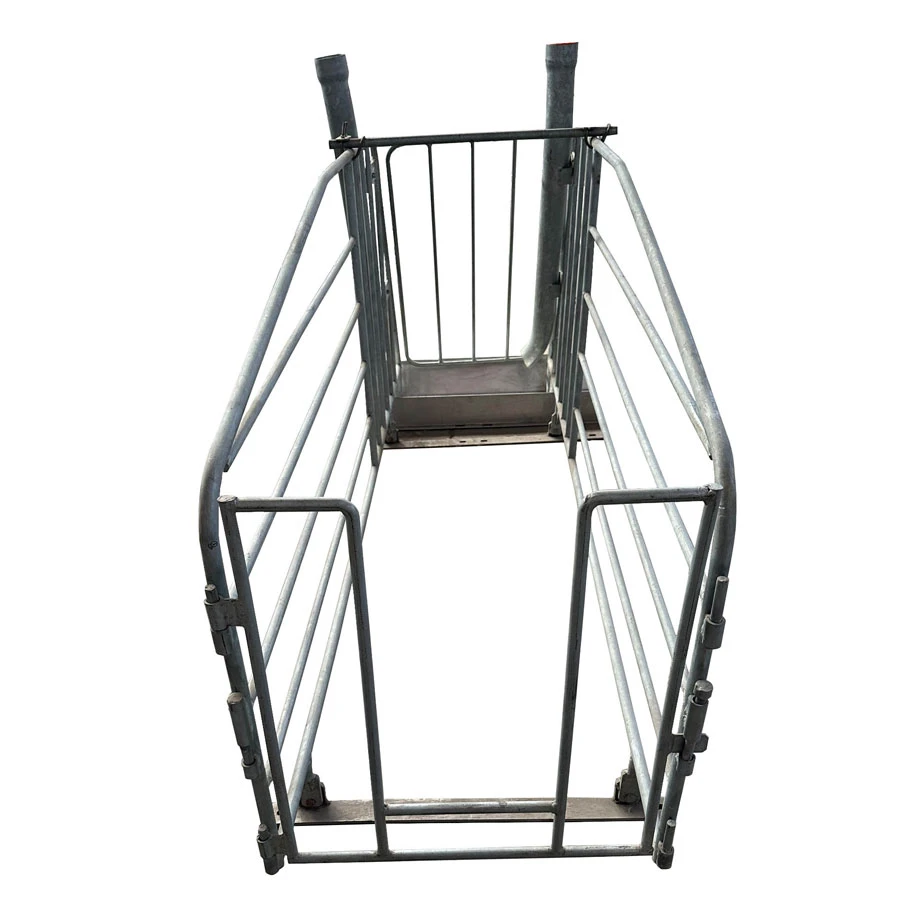
Put simply, gestation crate free means keeping pregnant pigs in group housing or more spacious environments instead of narrow metal crates that barely allow movement.
Historically, these crates were introduced to control aggression and ease management, but growing evidence shows that such confinement compromises animal well-being. Alternatives typically offer:
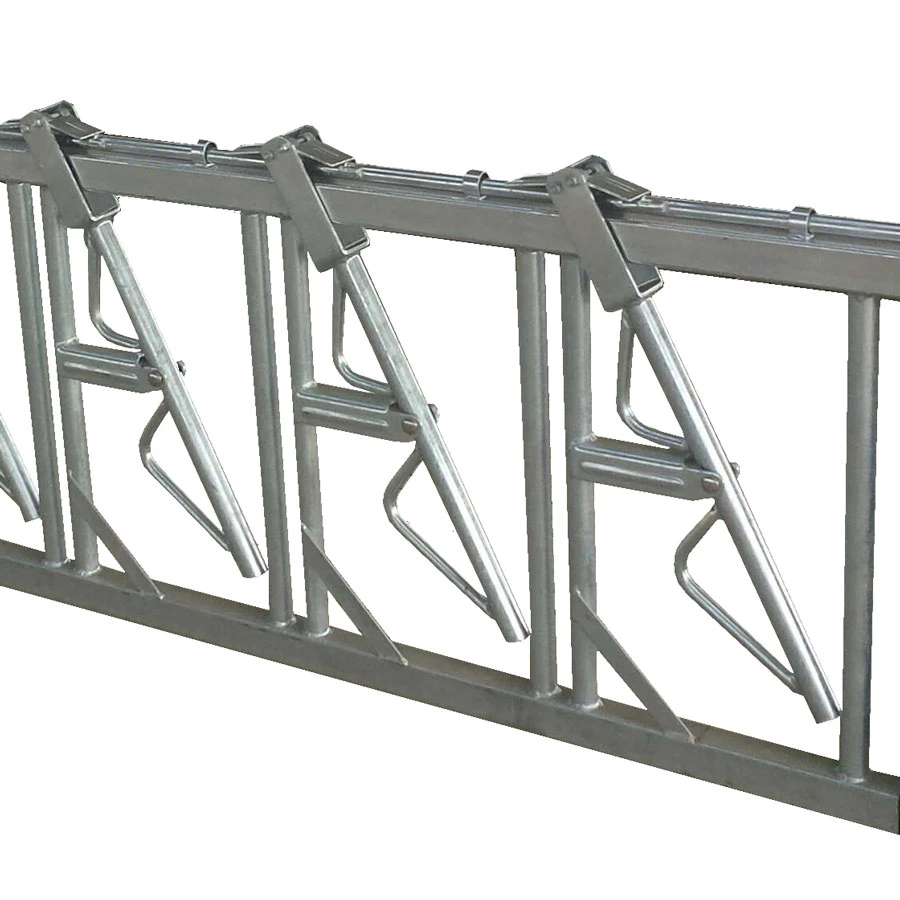
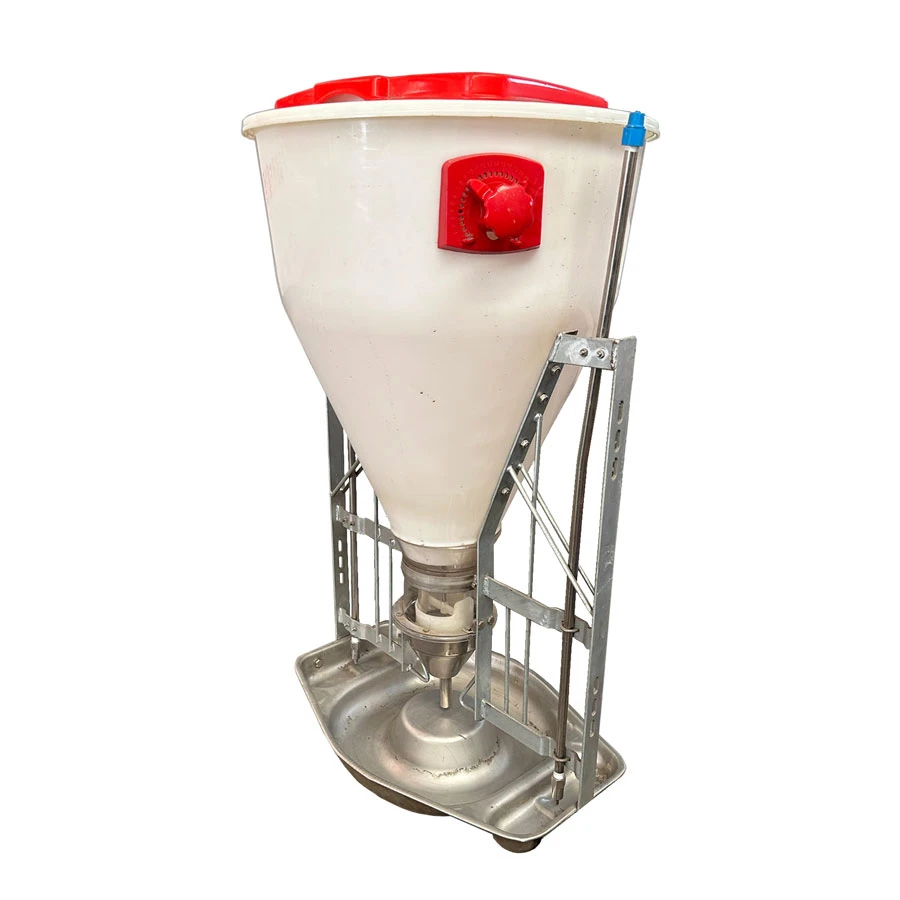
- Group housing with individual feeding stations
- Bedding materials that allow natural behavior
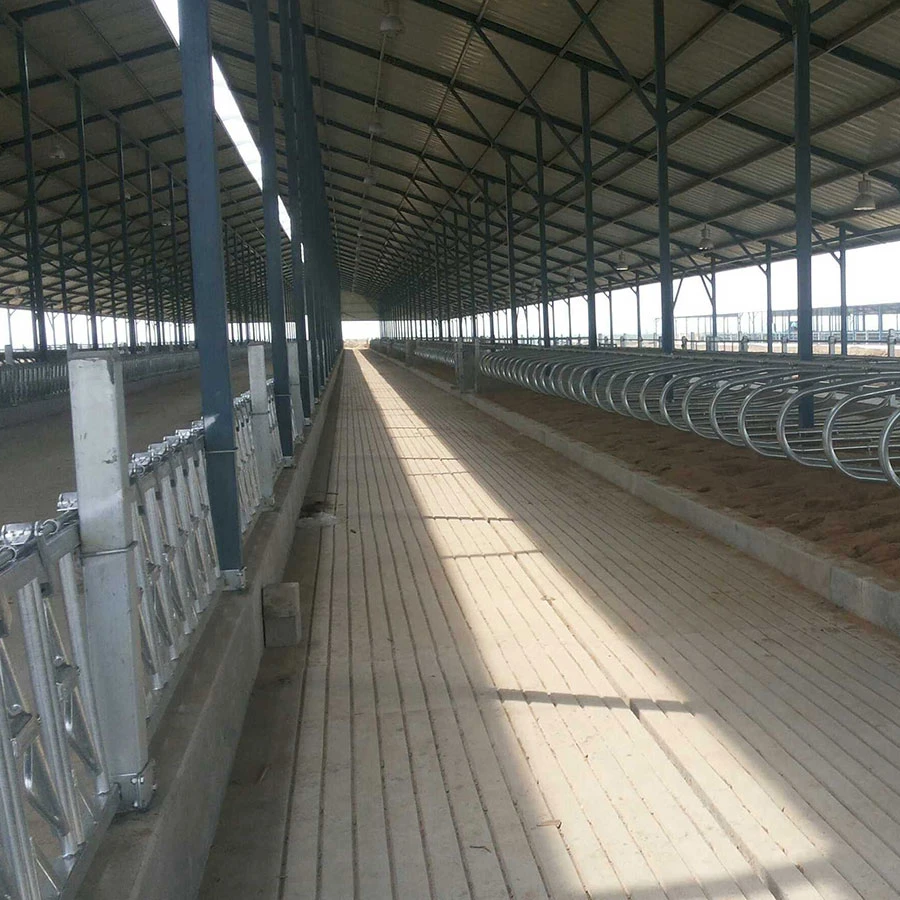
- More space for movement and social interaction
This humane approach not only aligns with modern animal ethics but also resonates with consumers demanding transparency and responsibility from farm to fork.
Core Components of Gestation Crate Free Systems
1. Space and Mobility
The obvious change is physical space. These systems provide enough room for sows to turn, lie down comfortably, and interact socially. Many engineers say spacing is the cornerstone of better welfare.
2. Durability and Hygiene
Materials used must withstand frequent cleaning, resist corrosion, and offer comfort — think sturdy flooring with good drainage. This directly influences health outcomes, reducing lameness and infection risks.
3. Feeding Efficiency
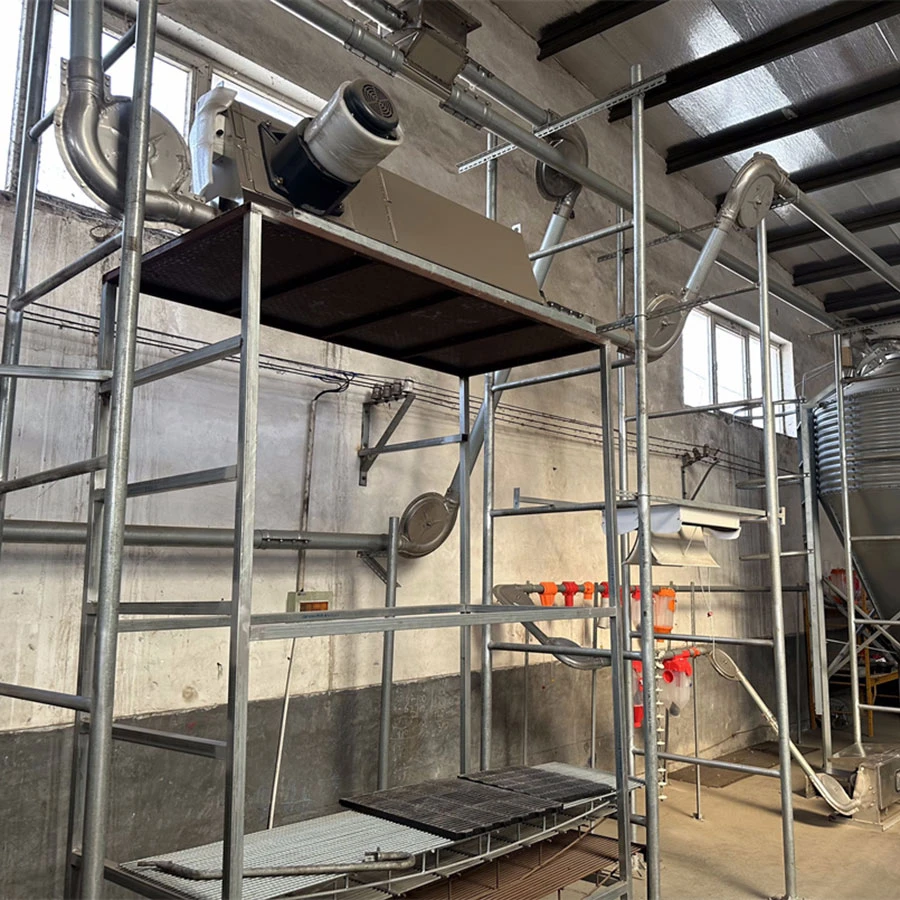
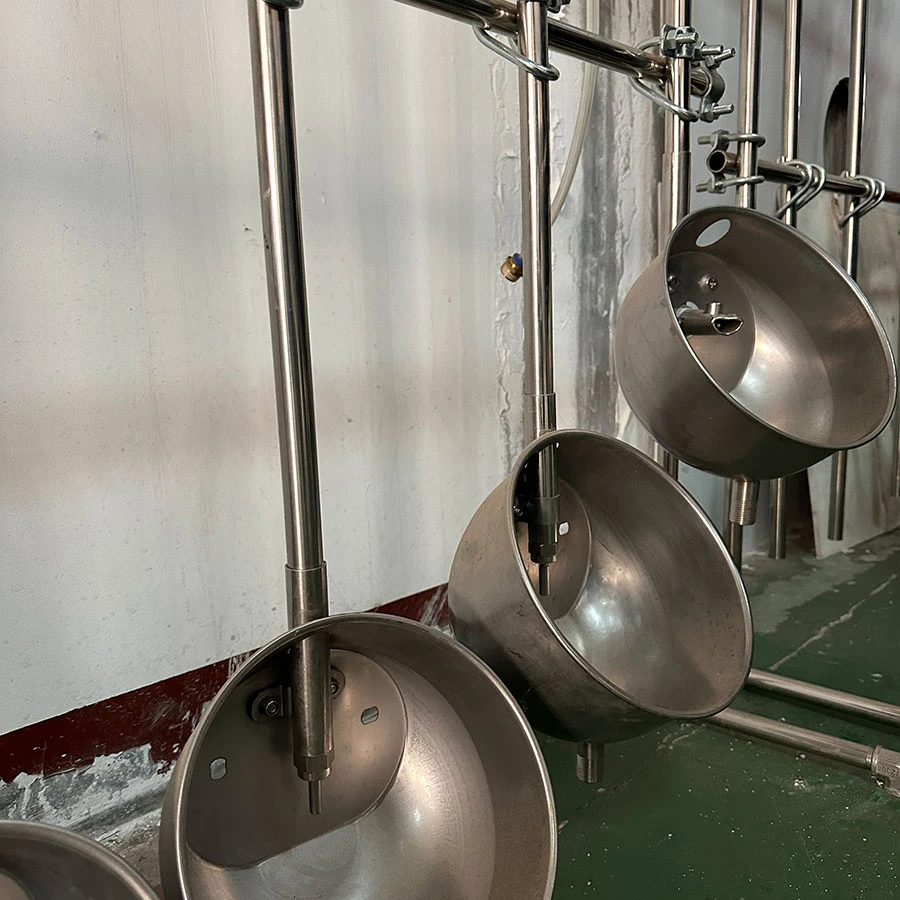
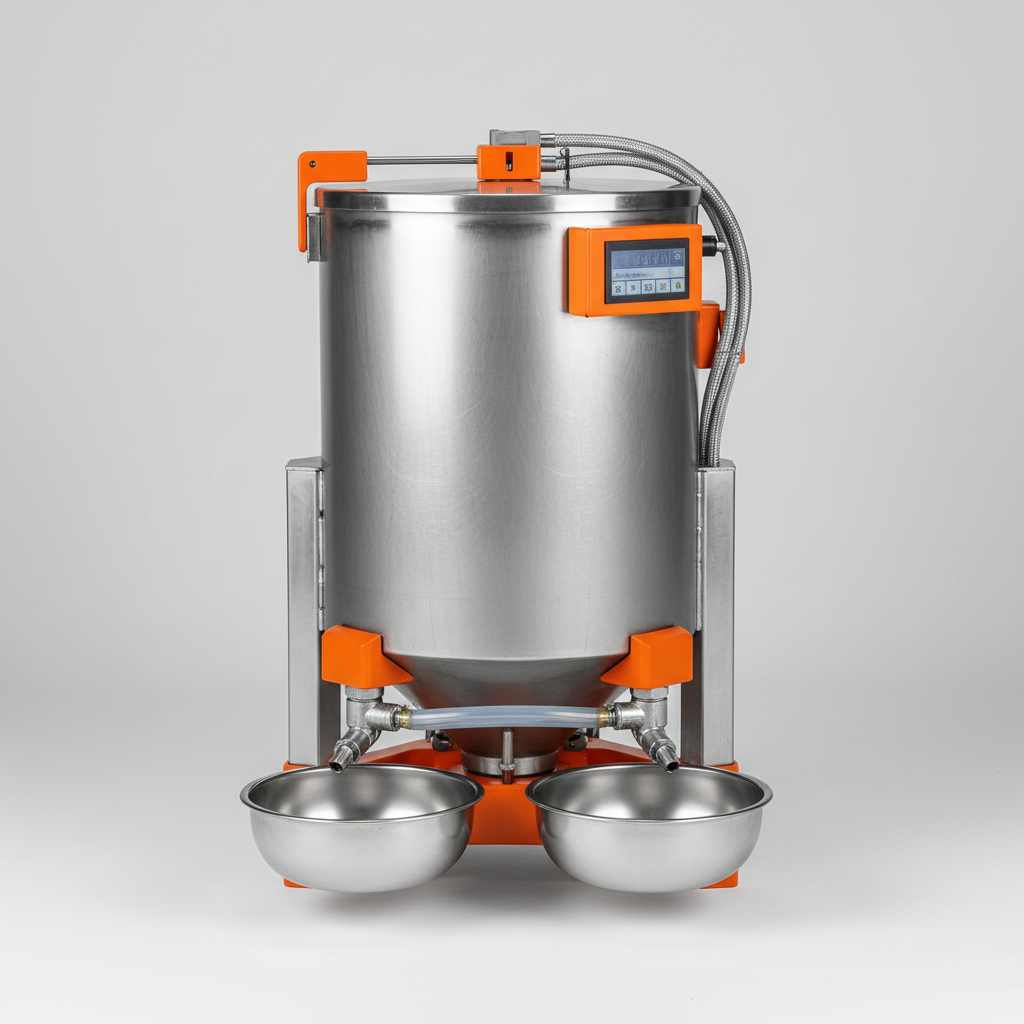
Managing group feeding can be tricky. Modern farms often use individual feeding stalls or smart feeders that dispense precise rations, avoiding competition and stress.
4. Behavioral Observation
Open environments make monitoring easier, enabling caretakers to spot health or social issues early. Integration with digital tracking tools is another leap — but we'll touch on that later.
5. Cost and Economic Viability
Switching to gestation crate free isn’t just about ethics; it has a price tag. Initial upgrades can be costly, though over time many farms report savings through better sow health and improved productivity.
Real-World Applications: Regions and Industries Embracing Change
Europe leads with strict bans, like the UK, Sweden, and Norway having phased out crates completely. In North America, some US states like California and initiatives by major pork buyers push for gestation crate free standards.
Asia is catching up fast, spurred by export demands and rising middle-class consumer ethics, with countries like Japan and South Korea adopting more humane frameworks.
Veterinary groups and NGOs often launch education programs, especially in emerging markets, highlighting the welfare and productivity upside. For example, gestation crate free programs in Canadian farms showed lower piglet mortality and higher feed efficiency after transitioning.
Advantages of Going Gestation Crate Free: More Than Just Ethics
- Animal Welfare: It’s obvious but vital — healthier animals that express natural behaviors.
- Product Quality: Less stress means better meat texture and flavor, boosting market value.
- Sustainability: Improved health reduces antibiotic usage, aligning with environmental goals.
- Consumer Trust: Transparency inspires loyalty and opens access to premium markets.
- Innovation Catalyst: Drives adoption of smart farming tech and better farm management.
Frankly, it’s the kind of shift that feels like farming catching up with modern values, not simply following regulations.
Upcoming Trends: How the Future of Gestation Crate Free Looks
We’re seeing promising innovations such as:
- Smart Sensors: Devices monitoring pig behavior in real time, detecting health anomalies.
- Advanced Materials: Flooring and bedding that improve comfort and reduce injuries.
- Automation: Automated feeders and environmental controls that optimize welfare effortlessly.
- Green Energy Integration: Farms embracing solar or biogas to minimize carbon footprints.
- Policy Evolution: More countries updating welfare standards with enforceable timelines.
Challenges: What Stands in the Way and How to Overcome Them
Not everything’s perfect. I’ve noticed some farmers worry that group housing leads to aggression, lower individual feed intake, or higher initial investment costs. Some also find management more complex without the familiar crates.
Experts suggest ongoing training, phased upgrades, and technology adoption — like smart feeders — as viable solutions. Some advocate for government incentives, which could ease capital barriers and speed adoption.
Quick FAQ: What You Need to Know About Gestation Crate Free
- What exactly does 'gestation crate free' mean for pig welfare?
- It means sows are kept in environments where they can move freely during pregnancy, enabling natural behaviors and reducing stress compared to traditional crates.
- Are gestation crate free systems more expensive?
- Initial setup can be pricier, but many farms notice long-term savings through healthier animals and improved productivity.
- How do farmers manage feeding in group housing?
- Many use individual feeding stations or automated feeders to ensure each sow receives proper nutrition without competition.
- Is gestation crate free farming compatible with large-scale production?
- Yes. With technology and good management, larger farms can successfully transition without sacrificing efficiency.
- Where can I learn more about gestation crate free standards?
- You can check organizations like the FAO or visit industry leaders’ sites including our website for detailed resources.
Gestation Crate Free: A Comprehensive Product Specification Table
| Feature | Standard Gestation Crate | Gestation Crate Free Housing | Benefits |
|---|---|---|---|
| Space per Sow | ~0.6 m² | 2.5 - 3 m² | Improved mobility and comfort |
| Social Interaction | None (isolated) | Allowed/contact encouraged | Better mental health and natural behavior |
| Feeding Management | Individual feed via crates | Group feeding stations or automated feeders | Balanced nutrition, reduced aggression |
| Health Monitoring | Visual only | Combined with sensor technologies | Early issue detection, better outcomes |
| Cost | Lower initial cost | Higher initial investment | Long-term health & productivity gains |
Vendor Comparison: Gestation Crate Free Solutions Providers
| Provider | Product Range | Tech Features | Support & Training | Price Range |
|---|---|---|---|---|
| AgriSafe Systems | Group pens, feeders, sensors | IoT-enabled monitoring | On-site and remote training | $$$ |
| SwineTech Solutions | Modular pens, automated feeders | AI feeding algorithms | Extensive farmer workshops | $$$$ |
| EcoPig Housing | Eco-friendly material pens | Solar-powered environmental controls | Webinars and 24/7 support | $$ |
Wrapping It Up: Why Gestation Crate Free Is More Than a Trend
In a world increasingly focused on ethical, transparent, and sustainable food systems, embracing gestation crate free farming isn’t just responsible — it’s smart business. It’s about honoring the animals, appeasing consumers, and innovating with practical tools that raise the bar for everyone involved.
For farmers and companies serious about longevity, this means investing to gain trust, reduce risks, and improve product quality. And for consumers, it’s a reassurance that better welfare practices can coexist with affordability and availability.
If you want to learn more, check out our website where we delve deeper into products, case studies, and industry insights. Because frankly, this topic will only grow in importance — and being informed is a big piece of the puzzle.
References
Post time: Dec . 02, 2025