Understanding Gestation Crates for Pigs: Why It Matters Worldwide
Gestation crates for pigs have long been a contentious yet crucial element in modern pig farming. These metal enclosures, designed to hold pregnant sows during their gestation period, seem simple at first glance but carry layers of significance that ripple across agriculture, animal welfare, and global food production. Why does understanding these crates matter? Well, with pork being one of the most consumed meats worldwide, how we raise pigs directly links to sustainability, ethical farming, and even international trade. Plus, as consumer awareness and regulations evolve globally, the use and design of gestation crates aren't just industry jargon—they’re shaping the future of responsible livestock management. ---The Global Context: Why Gestation Crates for Pigs Are More Relevant Than Ever
The global pig farming industry supplies roughly 36% of all meat protein consumed worldwide, according to the Food and Agriculture Organization (FAO). Yet, the demand for increased efficiency clashes with growing pressure for humane treatment of animals. Countries like the US, EU member states, and parts of Asia are grappling with this balance amid tightening legislation on animal welfare. For example, the European Union has banned the use of traditional gestation crates starting in 2013, citing the physical and psychological effects on sows. Meanwhile, producers in the US still largely rely on these crates due to their cost effectiveness and control in managing breeding. This disparity exposes a crucial challenge: how to maintain productivity while improving sow welfare? The "gestation crates pigs" debate sits right at the intersection of agricultural efficiency, regulatory frameworks, and ethical farming practices worldwide—a perfect storm prompting innovation. ---What Exactly Are Gestation Crates for Pigs?
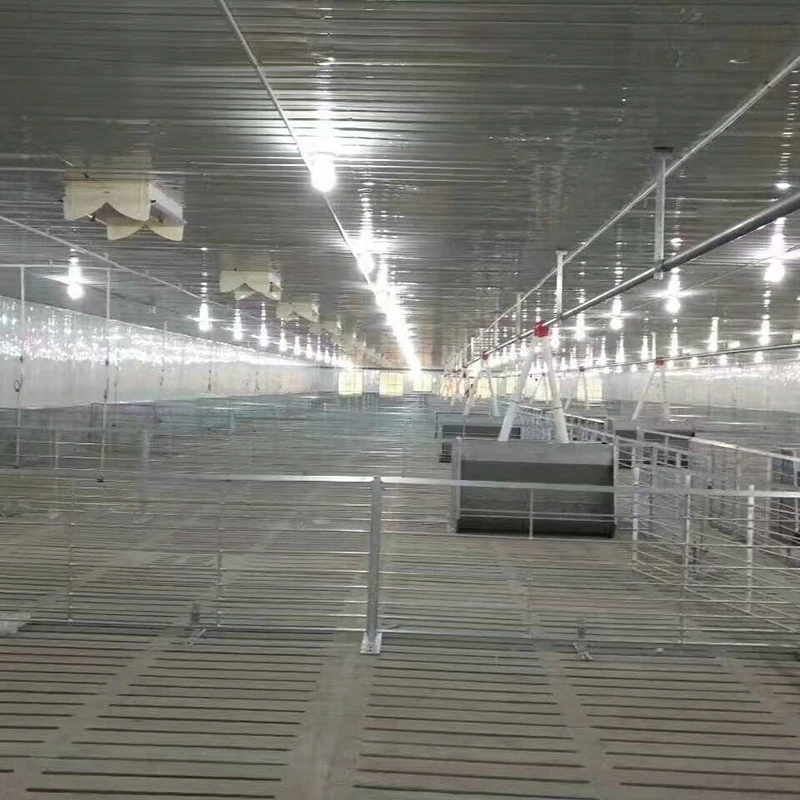
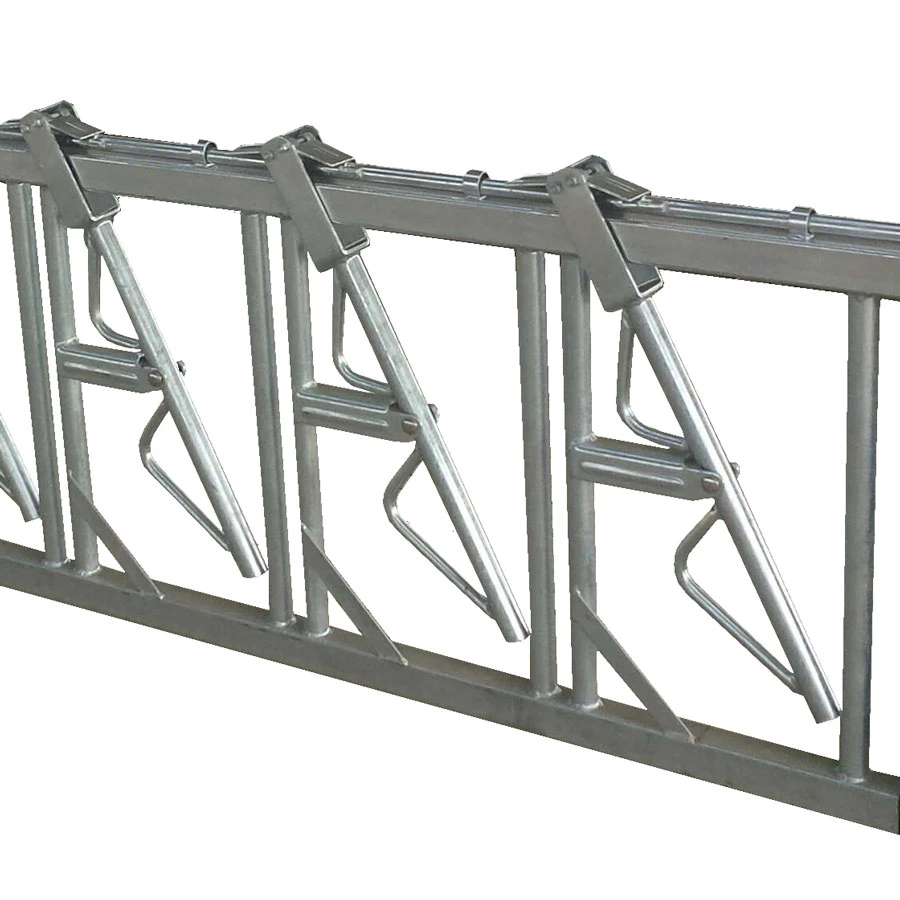
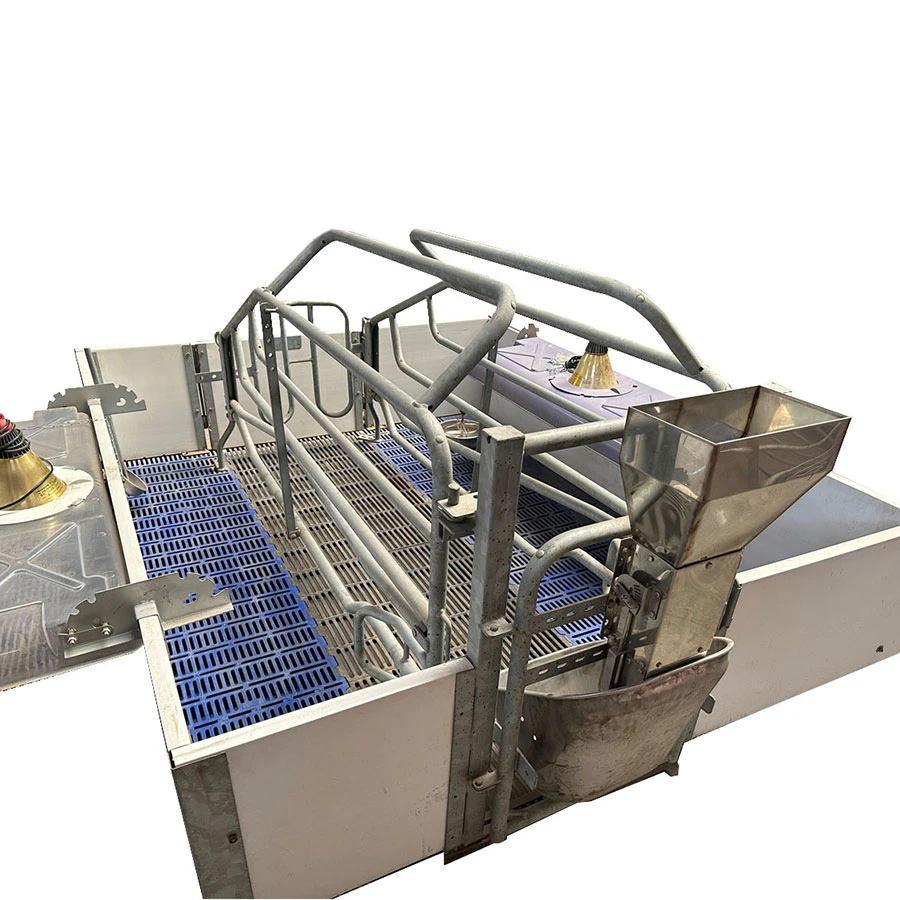
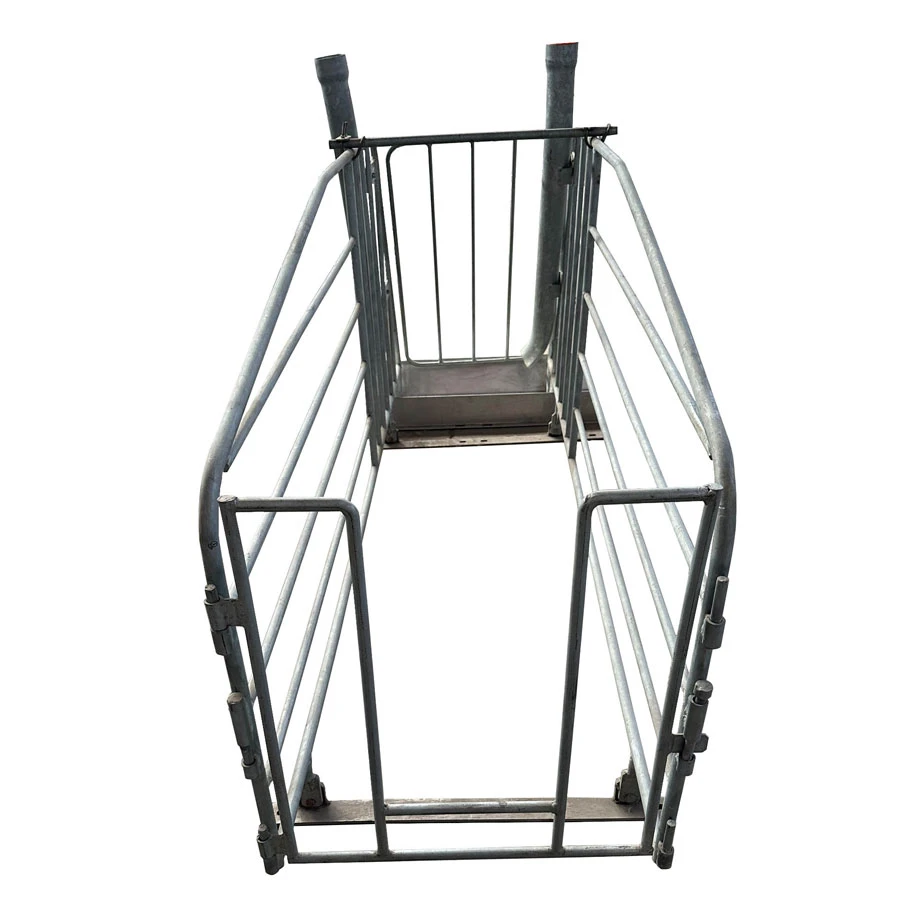
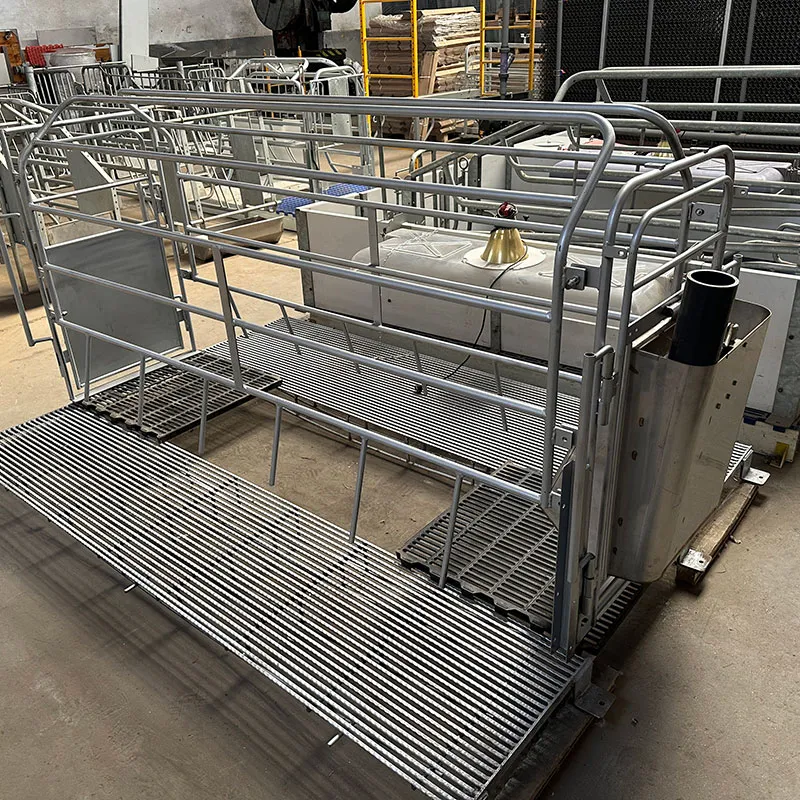
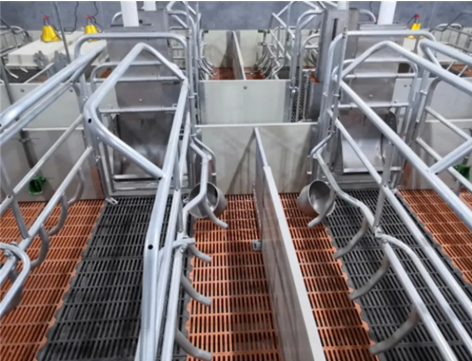
Put simply, gestation crates are individual metal enclosures designed to house pregnant female pigs (sows) for the duration of their roughly 114-day pregnancy. These crates are typically about 2m long, just wide enough to allow a sow to stand or lie down but not turn around. The rationale? To minimize fighting among sows, ensure each receives their proper feed, and monitor health closely. While practical from a management perspective, these crates have been criticized for restricting movement—leading to welfare concerns about stress, muscle weakness, and unnatural behaviors. Modern alternatives often explore group housing systems or adjustable crates, but the simplicity and cost-efficiency of gestation crates still dominate in many industrial pig farms. ---Key Components of Gestation Crate Systems
1. Durability and Materials
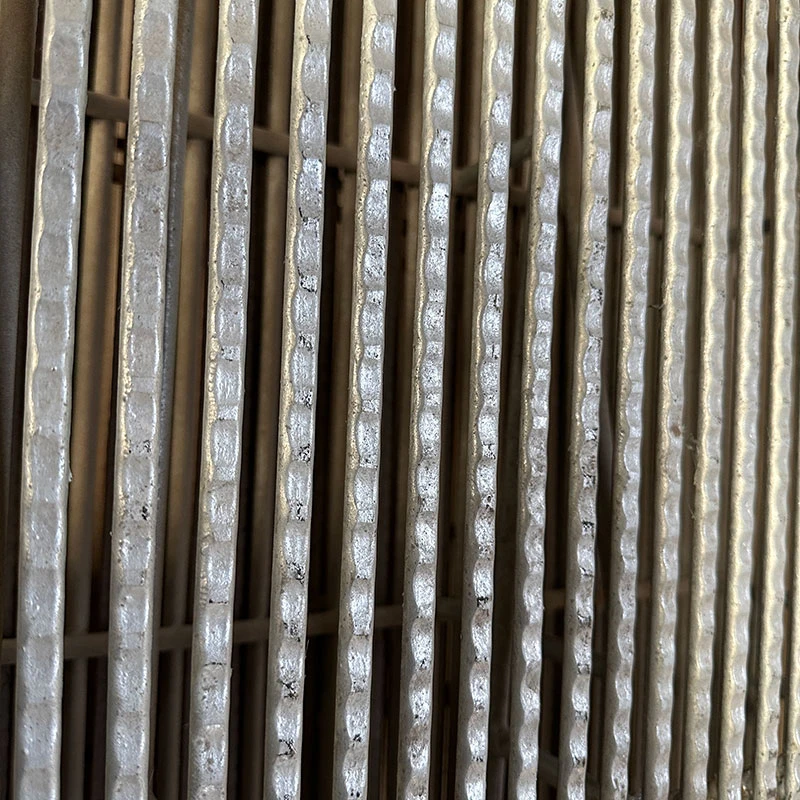
Most crates are made from galvanized steel, chosen for resistances against corrosion, wear, and harsh cleaning chemicals. Sturdy frames ensure longevity under constant use. Some newer systems incorporate coated metals or reinforced plastics to improve lifespan and animal comfort. Durability directly impacts overall operational costs — a crate failing midway in a breeding cycle isn’t just inconvenient; it’s expensive.2. Space Optimization
Space matters. Farms want to maximize sow density without compromising minimal welfare standards. Crates must balance tight spacing (to avoid fights and injuries) with enough room for basic sow movements. Oddly enough, tiny tweaks in measurements—like increasing crate width by 5cm—can greatly enhance sow comfort.3. Feeding and Waste Management
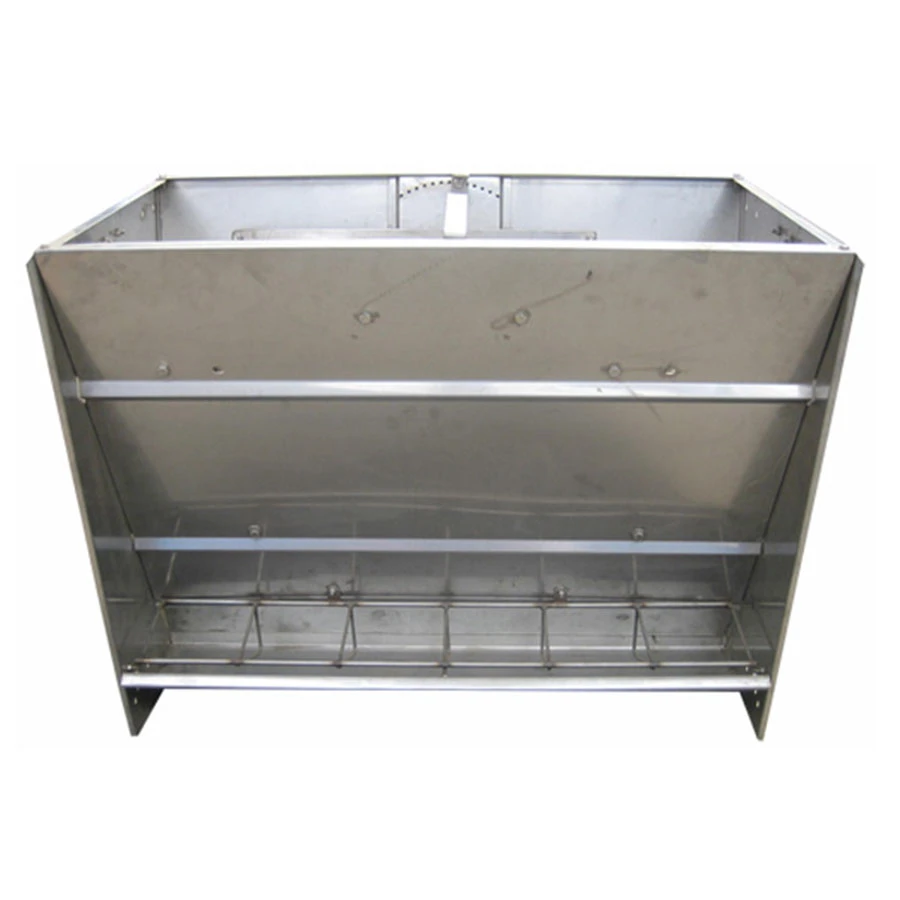
Integrated feeding troughs and slatted floors for waste handling are common. Efficient feed delivery reduces labor, while proper drainage minimizes disease risk. Some contemporary crate designs marry sensor tech to automate feed distribution, cutting down human error and improving sow health.4. Monitoring and Health Oversight
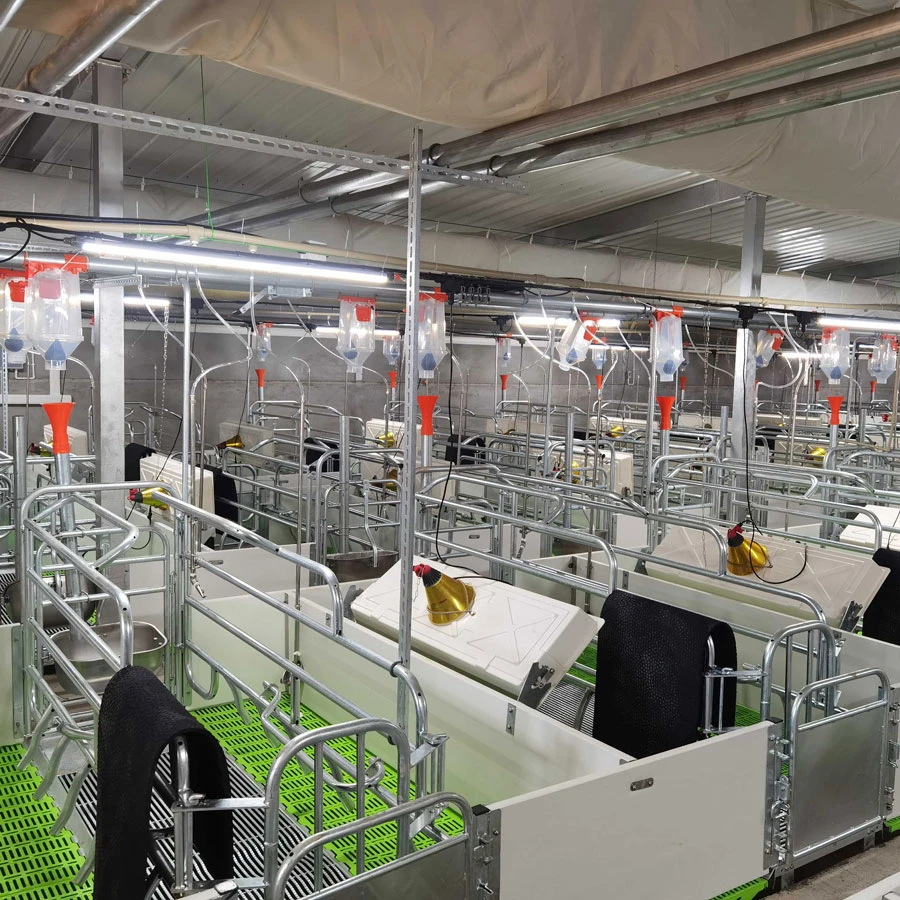
Because sows in crates are isolated, it's easier to catch health issues early—like farrowing complications or infections. This control is critical, especially on large-scale farms managing thousands of animals. Remote monitoring systems are emerging, combining cameras and biometric sensors, reflecting the digital transformation of pig husbandry. ---Real-World Applications: How and Where Are Gestation Crates Used?
Gestation crates are widespread in North America and parts of Asia, particularly China, the world’s largest pork producer and consumer. Here, rapid industrialization of pig farming adopted crates as a method to boost sow productivity and control disease. Meanwhile, in Europe, many farms have transitioned to group housing systems per EU mandates, though crates remain common in legacy operations. Some developing nations are receiving international aid to modernize pig farming, often introducing more humane housing solutions while educating farmers on crate use. This mirrors efforts seen in agricultural zones of South America, where hybrid systems sometimes blend crates during early pregnancy with group pens later. gestation crates pigs come with complex socio-economic balances: in some regions, the default choice because of infrastructure limits; in others, a prompt for reform initiatives prioritizing animal welfare. ---Benefits and Long-Term Value of Gestation Crates
In practical terms, gestation crates offer: - Operational consistency: Individual housing limits sow aggression and feed competition. - Improved sow health supervision: Easier to monitor gestation progress and intervene if complications arise. - Economic efficiency: Maximize space usage, reduce loss due to injury or miscarriage, and simplify feeding logistics. Emotionally, many farmers express a conflicted but pragmatic view—valuing reliability and economics while hoping for better alternatives. For consumers and regulators, the hope lies in transitioning toward systems that maintain these advantages and foster sow dignity. ---What’s Next? Trends and Innovations on the Horizon
Sustainability and welfare go hand in hand nowadays, driving innovations such as: - Automated monitoring using AI and sensor tech to track sow well-being in real-time. - Modular crate designs that convert to group pens post-breeding. - Eco-friendly materials replacing steel with composites that reduce carbon footprints. - Regenerative farming models integrating pigs into rotational land uses, reducing confinement needs entirely. Policymakers increasingly nudge the industry toward these innovations—though traditional gestation crates persist, innovation is afoot. ---Common Challenges and Emerging Solutions
Not all is rosy. Criticisms focus on: - Animal welfare concerns: Not just lack of movement, but monotonous environments risking stereotypic behaviors. - Regulatory patchworks: Varied laws complicate harmonized farming methods. - Economic barriers: Upgrading or replacing existing crate infrastructure can be costly. Solutions come from collaborations: NGOs work with farmers to pilot enriched environments; governments offer subsidies for transitioning systems; tech startups develop affordable sensor kits to improve management without expensive crate removal. ---Frequently Asked Questions About Gestation Crates for Pigs
Q: Why do some farms still use gestation crates despite welfare concerns?A: Many farms rely on gestation crates because they provide a controlled environment that reduces sow injuries and allows precise feeding management. Economically, they remain cheaper than remodeling for group housing, especially in large operations. Q: Are there alternatives to gestation crates that still protect sows?
A: Yes, group housing with electronically gated pens or convertible modular crates can provide social interaction while minimizing aggression, although these require careful management and investment. Q: How do regulations affect the use of gestation crates internationally?
A: Regulations vary widely; the EU enforces bans while countries like the US permit crate use but with growing pressure to improve animal welfare. Exporters must navigate these differences carefully. Q: What materials are best for durability and comfort in gestation crates?
A: Galvanized steel is standard for durability, but additions like plastic-coated rails or rubber flooring mats improve comfort and reduce injuries. Q: Can digital technology improve sow wellbeing in crates?
A: Absolutely. Sensors can monitor behavior and health metrics, alerting staff to early warning signs, making the crates smarter and the sows’ lives safer. ---
Gestation Crates for Pigs: Specification Overview
| Feature | Standard Dimension | Material | Key Benefit |
|---|---|---|---|
| Length | ~2 meters (6.5 feet) | Galvanized steel | Sufficient space to stand and lie down |
| Width | 40–50 cm (15.7–19.7 inches) | N/A | Restricts turning, reduces fighting |
| Flooring | Slatted concrete/steel grid | Concrete or steel | Efficient waste drainage |
| Feeding System | External trough or hopper | Plastic or metal | Individual feed control |
Comparison of Major Gestation Crate Vendors
| Vendor | Material Quality | Customization Options | Price Range | Additional Features |
|---|---|---|---|---|
| FarmPro Systems | Premium galvanized steel | Modular sizes, sensors integration | $$$ | Digital health monitoring |
| AgriCo Crates | Standard galvanized | Basic sizes, optional floor mats | $$ | Warranty & on-site installation |
| EcoPig Solutions | Recycled steel composite | Convertible crate-group pens | $$$ | Sustainability certified materials |
To wrap this up: Gestation crates pigs represent an agricultural balancing act — between productivity and animal welfare, tradition and innovation. As technologies improve and societies demand better livestock care, we’re watching a slow but sure shift towards smarter, more humane confinement systems. If you want to explore these crates deeper or see cutting-edge solutions in action, I’d recommend checking out gestation crates pigs for current offerings and research.
It’s one of those topics that’s easy to overlook from the grocery aisle, yet so fundamental to what ends up on our tables. Fascinating, right?
---References & Further Reading
---Post time: Dec . 02, 2025