Understanding Gestation Crates for Pigs: Why it Matters Globally
If you’ve ever wondered about how modern pig farming balances productivity with animal welfare, gestation crates for pigs are at the heart of that conversation. Simply put, these crates are specialized enclosures designed to house pregnant sows during their gestation period. But they’re much more than just “pens.” Globally, they represent not only an industrial solution to managing large pig populations but also a controversial practice that touches issues like ethical farming, sustainability, and food security.
The relevance? The global pork industry produces over 110 million tonnes annually (FAO, 2023), and efficient sow management is crucial for yield stability. Gestation crates were introduced primarily to reduce sow aggression, improve feeding control, and enhance reproductive management. Understanding these crates means stepping into a bigger dialogue: how do we grow food responsibly on a planet increasingly conscious of animal welfare and environmental footprint?
Taking a moment, it’s clear that whether you’re a livestock manager, policymaker, or consumer, knowing about gestation crates reveals a lot about the global food chain’s unseen mechanics. Plus, recognizing their design and application helps in pushing the industry toward more humane innovations.
Global Context: The Growing Debate and Role of Gestation Crates for Pigs
Worldwide, pig farming is a heavyweight industry — providing nearly 40% of global meat consumption (World Bank, 2022). Regions like China, the US, and the EU lead production and set trends. But here's the rub: gestation crates have drawn rising criticism over the past two decades, due in part to their restrictive design that limits sow movement.
International bodies have weighed in: European nations have mostly banned or heavily regulated these crates due to animal welfare concerns. The ISO 24169 standard, introduced in 2020, also addresses sow housing, encouraging better health and wellbeing. Despite this, many developing economies still rely heavily on gestation crates for cost efficiency, scalability, and biosecurity.
So, the challenge is balancing economic viability and ethical farming while maintaining productivity. It’s an ongoing discussion, and gestation crates sit smack in the middle – functional, contentious, and pivotal.
What Are Gestation Crates for Pigs?
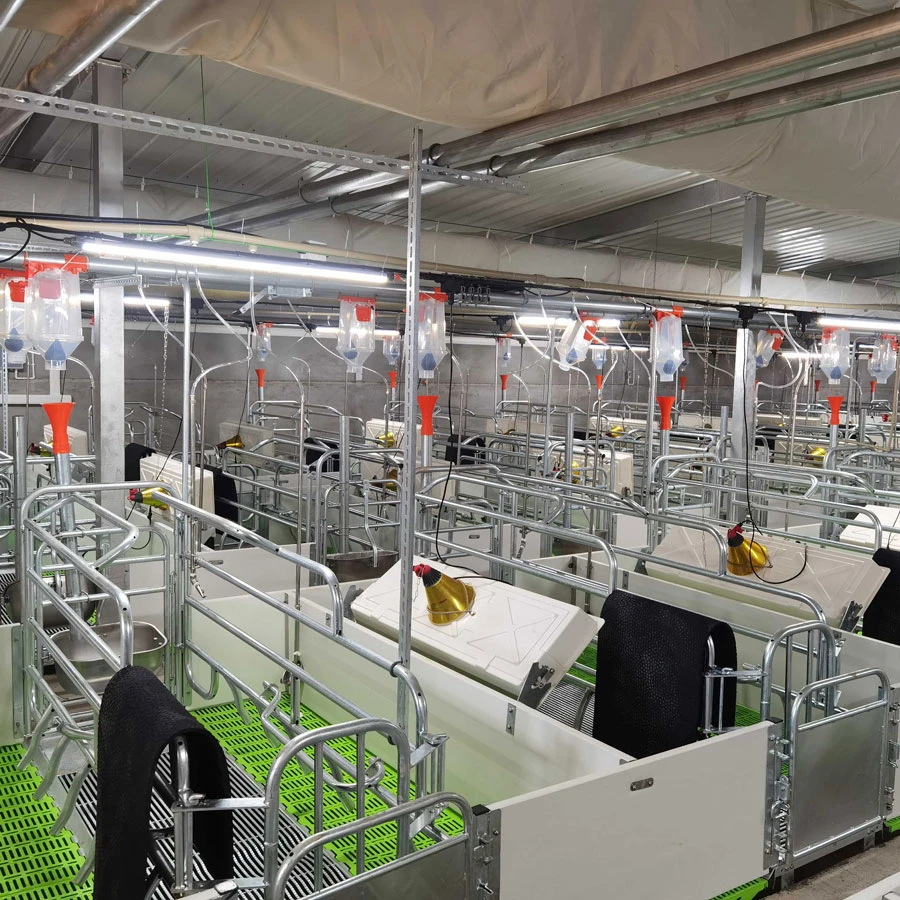
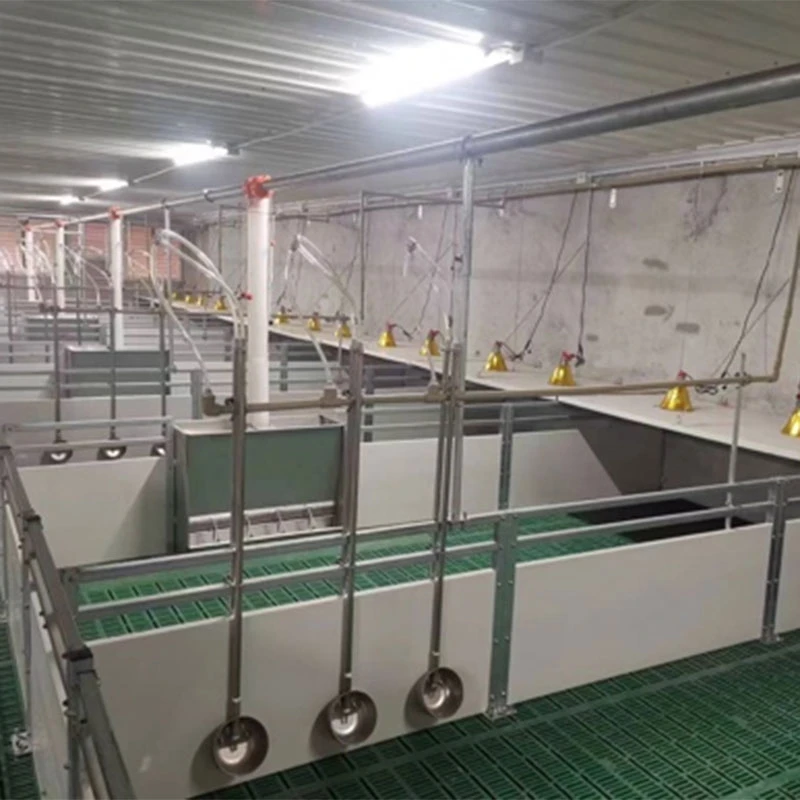
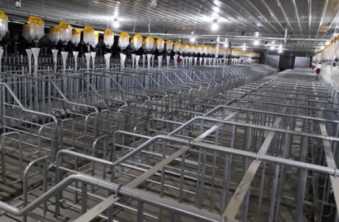
In simple terms, a gestation crate (also called sow stall) is a metal or sturdy plastic enclosure just large enough to confine a single pregnant pig. They’re used for the entire pregnancy—usually around 114 days. The goal is to restrict movement enough to prevent fighting, ensure each sow gets proper feed, and reduce injury risks. But, well… that tight confinement could cause physical and psychological stress for the animals.
These crates connect directly to modern, high-efficiency pig production. By reducing sow aggression and simplifying feeding routines, they increase reproductive success and farm management control. On the flip side, the practice raises ethical questions, influencing legislation and consumer preferences — like those driving demand for “crate-free” pork products.
Gestation crates for pigs might sound like a niche topic, but they fit into a wider context of how technology and tradition collide in farming.
Key Factors Behind Gestation Crates — What Really Counts?
1. Durability and Material Quality
These crates have to withstand all kinds of stresses—weight shifts, harsh cleaning chemicals, and time. Typically constructed from galvanized steel or reinforced plastics, they need to be corrosion-resistant. Many engineers say good quality crates can last 10+ years with proper maintenance, saving farms from costly replacements.
2. Space and Comfort
Traditional crates barely allow the sow to turn around, but many new designs incorporate more room, letting animals lie comfortably. The size and layout affect the sow’s wellbeing dramatically, especially for long-term housing. Oddly enough, a few extra centimeters can make the difference between a stressed animal and a calmer one.
3. Ease of Cleaning and Sanitation
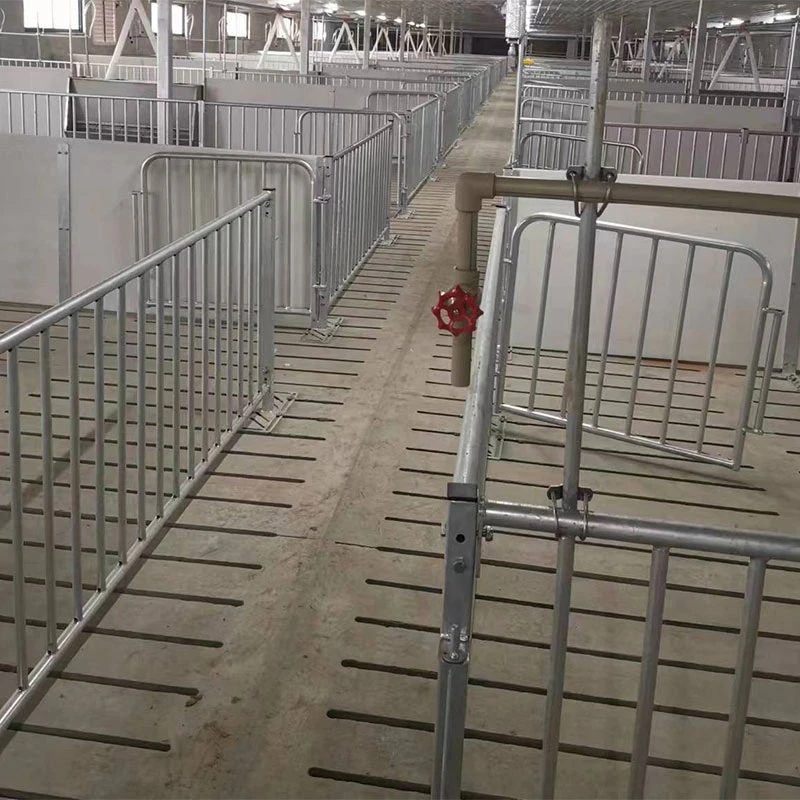
Biosecurity depends on fast, effective cleaning cycles. Crates with smooth surfaces, removable parts, or elevated flooring allow manure and fluids to drain, reducing pathogen build-up. It also lowers disease transmission risks—vital in large-scale operations.
4. Cost Efficiency and Scalability
Large pig farms often manage hundreds or thousands of sows, and gestation crates let them scale housing predictably and compactly. Cost efficiency here isn’t just about unit price but also labor savings and increased reproductive efficiency.
5. Compliance and Welfare Standards
Regulations vary widely. For instance, EU’s Directive 2008/120/EC limits crate usage to the first four weeks of pregnancy. Compliance means updating crates or switching to group housing alternatives. Farms that keep up with these tend to gain better market access and consumer trust.
Mini takeaway: Quality materials, ergonomic design, hygiene, cost, and legal compliance shape the success and future-proofing of gestation crates.
How Are Gestation Crates Used Around the World?
Across Asia, the Americas, and parts of Europe, gestation crates vary in scale and design:
- China: Still heavily reliant on traditional crates due to massive pork demand and rapid industrialization.
- European Union: Mostly phased out or replaced with group housing; however, some countries still use crates during early pregnancy.
- United States: Usage is mixed, with some states banning or restricting crates, while others continue widespread use.
- Latin America and Africa: Smaller farms often use simple, affordable crate systems where biosecurity is a growing focus.
For example, in post-disaster relief scenarios where livestock facilities are rapidly rebuilt, modular gestation crates offer quick installation and reduce sow stress during relocation—a niche but important use case.
gestation crates for pigs have become a kind of baseline technology. Wherever the pork industry is scaling, these crates—or their alternatives—show up.
Advantages & Long-Term Value of Gestation Crates
Despite the controversies, gestation crates offer clear benefits:
- Improved Sow Management: Easier feeding, health monitoring, and reduced injuries.
- Higher Productivity: Controlled environment improves litter size and piglet survival rates.
- Biosecurity: Limits disease spread by individual housing.
- Economic Savings: Lower labor costs, predictable facility footprint, and durable investment.
- Traceability and Welfare Compliance: Automated monitoring ties into digital farm management systems.
Emotionally, these crates can feel both like a safeguard—a way to protect sows in high-density farming—and a symbol of industrial farming’s coldness. It’s why many veterinarians and welfare advocates push for innovation, without discarding the reason these crates exist in the first place.
Product Specification Table
| Specification | Typical Range / Detail |
|---|---|
| Material | Galvanized steel or reinforced plastic |
| Dimensions (L x W x H) | 180 cm × 60 cm × 110 cm (varies by model) |
| Weight Capacity | Up to 350 kg (sow weight) |
| Floor Type | Slatted or solid with drainage |
| Sanitation | High-pressure wash compatible |
| Installation | Modular panels, screw-fastened |
Comparing Gestation Crate Vendors
| Vendor | Materials Used | Innovations | Price Range | Warranty |
|---|---|---|---|---|
| AgroCrate Solutions | Galvanized Steel, HDPE Coating | Anti-rust tech, modular design | $200 - $300 per crate | 5 years |
| FarmFlex Systems | Recycled Plastics, Stainless Steel | Eco-friendly materials, removable panels | $250 - $350 | 7 years |
| PigSafe Equipments | Powder-coated Steel | Compact design, quick setup | $180 - $280 | 3 years |
Future Trends & Innovations in Gestation Crates for Pigs
Looking ahead, the industry is wading through several transformative trends:
- Automation & Monitoring: Digital sensors monitor sow health and behavior inside crates, alerting managers to issues early.
- Sustainable Materials: Biodegradable plastics and recycled composites are gaining favor to reduce environmental impact.
- Group Housing Hybrids: Flexible designs let farms transition between individual crates and group pens based on sow needs and legal requirements.
- Energy Efficient Production: Integrating solar-powered ventilation and climate control systems enhances welfare and cuts costs.
In real terms, these innovations might help resolve some of the ethical dilemmas by improving welfare while maintaining practical benefits—yet, adoption varies widely by region and farm size.
Challenges & Practical Solutions
Let’s be honest: gestation crates face criticism for restricting natural behaviors, causing stress and injuries. They’re expensive to replace, and legal pressures are pushing toward alternatives that don’t always fit every farm's budget or layout.
Experts suggest solutions like:
- Partial Confinement Periods: Using crates only during early gestation and then moving sows to group pens.
- Ergonomic Improvements: Smoother edges, padded flooring, and more room to reduce injury and improve comfort.
- Digital Behavior Analytics: Real-time sow data to optimize welfare and reduce stress.
- Subsidies and Grants: Supporting farms transitioning to welfare-friendly systems.
So, while the crates aren’t perfect, the path forward is more about smart adaptation rather than wholesale dismissal.
FAQ: Your Questions About Gestation Crates Answered
- Q: Are gestation crates humane and legal everywhere?
- A: No, their legality varies widely. Many countries in the EU have banned prolonged crate use due to welfare concerns, whereas others still permit or encourage them, especially where alternatives aren’t feasible.
- Q: What alternatives exist to gestation crates?
- A: Group housing systems and free-access stalls are becoming popular, allowing more movement. However, managing aggression and feeding in groups poses new challenges for farmers.
- Q: How long does a typical gestation crate last?
- A: With good maintenance, high-quality crates last 10 years or more. Material choice and farm conditions can affect this lifespan significantly.
- Q: Are gestation crates cost-effective long term?
- A: Yes, they reduce labor, minimize injuries, and improve breeding outcomes. But upfront costs and shifting regulations might affect their overall economic viability.
- Q: Can digital tech improve the use of gestation crates?
- A: Absolutely. Sensors and automated monitoring help farmers track sow health, detect stress, and optimize feeding regimes within crates.
Conclusion: Why Gestation Crates Will Remain a Hot Topic
Gestation crates for pigs embody the crossroads of industrial agriculture, animal welfare, and modern food demands. They’re functional tools designed to boost productivity and control but come with trade-offs that the global community is still sorting out. With emerging trends in sustainability and tech integration, these crates are evolving, fitting into a complex story about how we raise animals at scale.
Want to dive deeper? Visit our website at https://www.cxlivestock.com for cutting-edge solutions and expert guidance on gestation crates and livestock housing.
At the end of the day, it’s about finding a balance that’s practical, ethical, and forward-looking — no easy feat, but that’s where progress begins.
References:
Post time: Dec . 02, 2025