Understanding Gestation Crates for Sale: Why It Matters Globally
Gestation crates for sale might sound like a niche topic, but they’re part of a much bigger conversation about modern livestock farming, animal welfare, and industrial agriculture’s global footprint. These crates—small, often metal enclosures designed to house pregnant sows—play a controversial yet critical role in pig farming systems worldwide.
Why does this matter? Well, roughly 1 billion pigs are reared globally each year (FAO, 2022 data), and gestation crates enable farmers to manage breeding stock efficiently while controlling group aggression. Yet, they're also a flashpoint for animal rights debates, regulations, and evolving farming practices. So if you work in agriculture, veterinary supply, or even sustainability sectors, understanding gestation crates for sale is vital. They reflect the industry’s balancing act: economic productivity meets ethical responsibility.
Mini takeaway: Gestation crates intersect with animal welfare, economic efficiency, and global food security—making their sale and design a topic worth knowing.
A Global Look at Gestation Crates for Sale
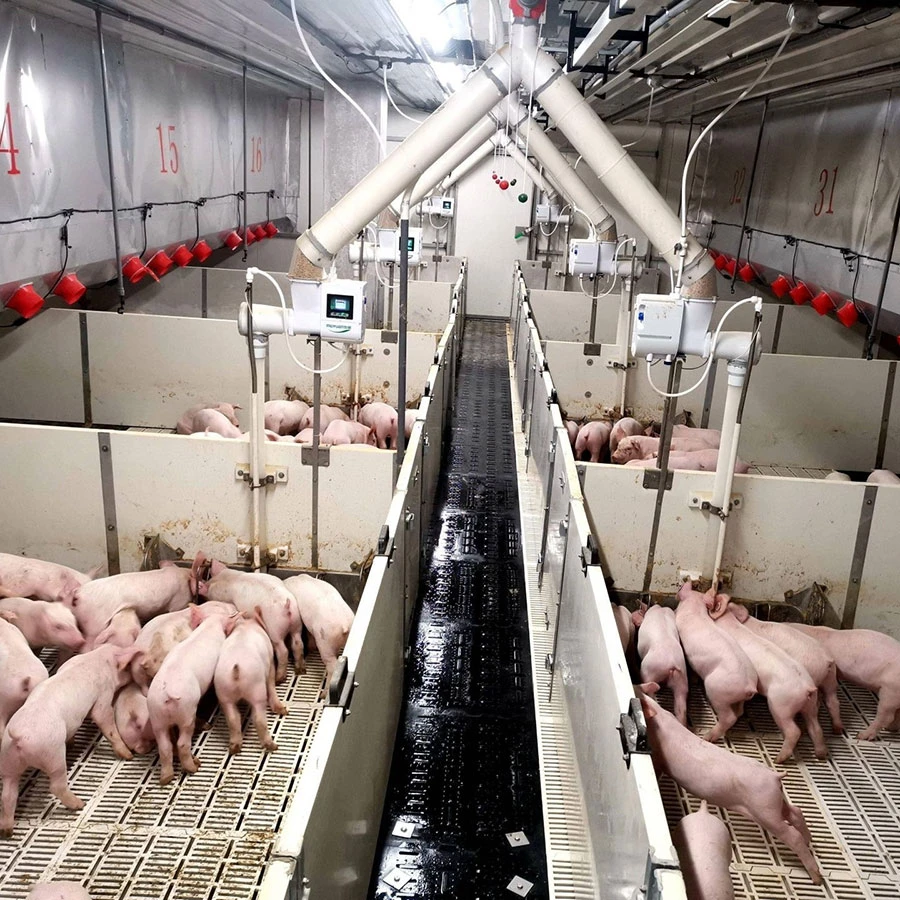
Worldwide, pig farming contributes significantly to food supply chains, representing almost 40% of the world’s meat consumption (World Bank, 2023). In North America, Europe, and parts of Asia, standardized gestation crates for sale support intensive farming operations. However, regulations vary. For example, the EU banned conventional crates in 2013 due to welfare concerns, yet they remain common in many developing countries.
The challenge? How to maintain high productivity while addressing growing consumer and regulatory pressure to improve sow living conditions. This tension drives innovations in crate design and global trade dynamics in livestock housing.
Mini takeaway: Gestation crates represent an industry adapting amid economic, legal, and ethical pressures worldwide.
Gestation Crates Defined
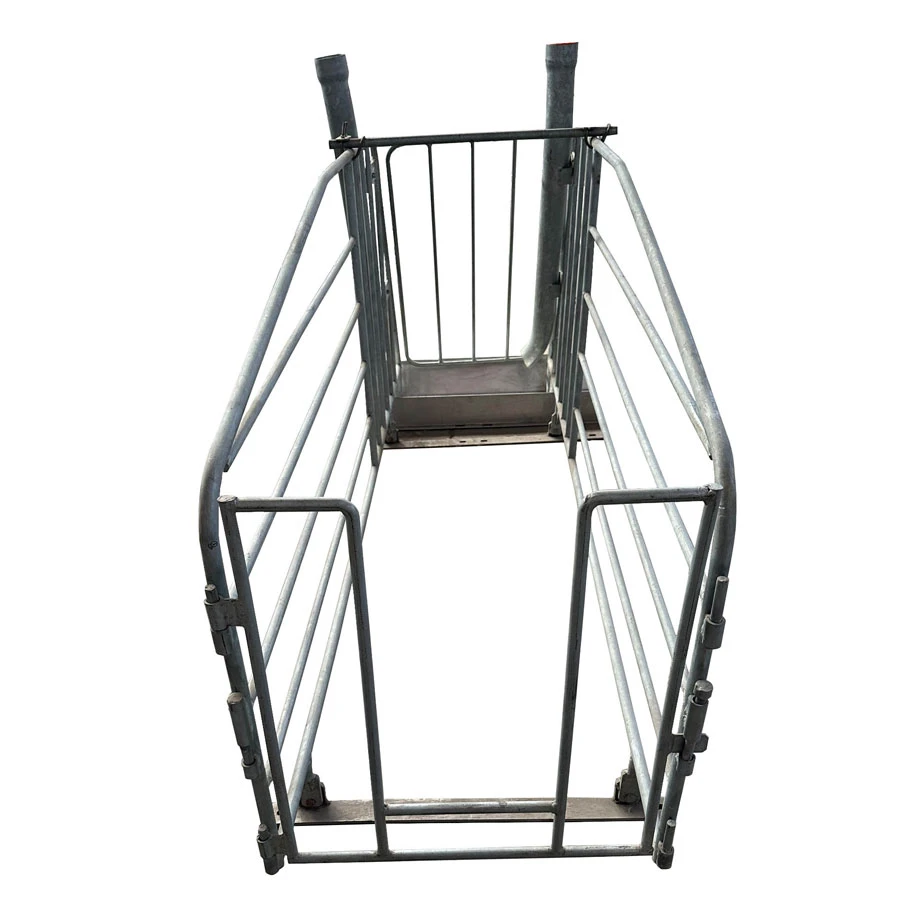
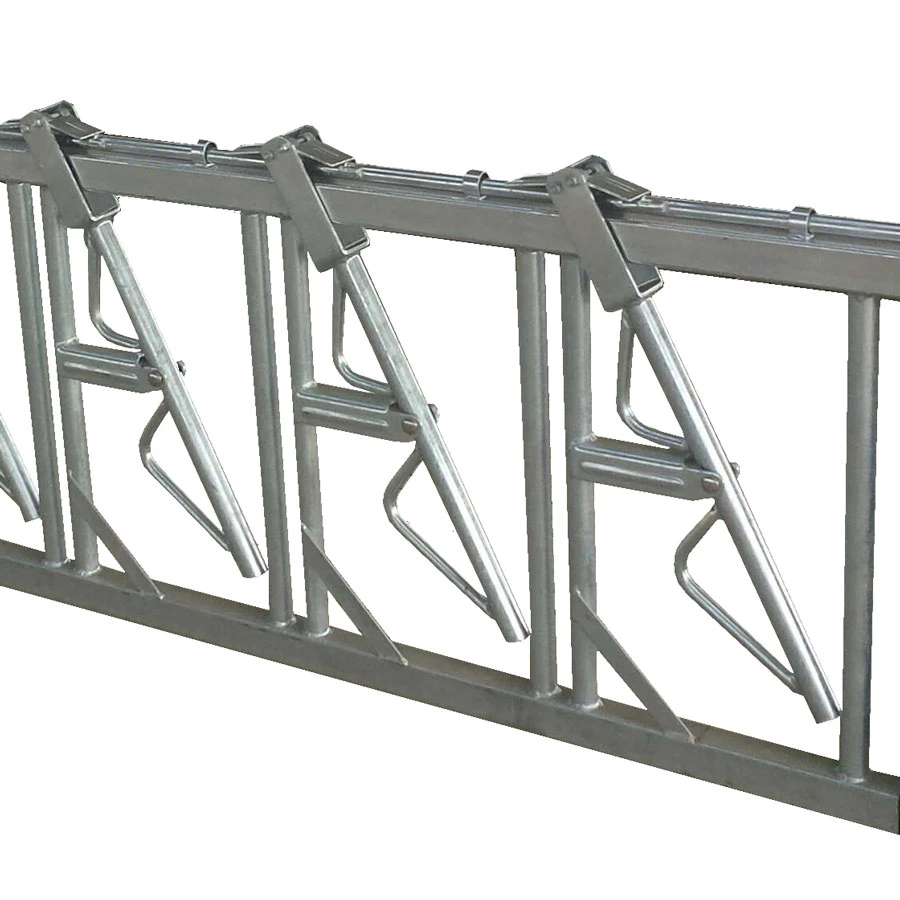
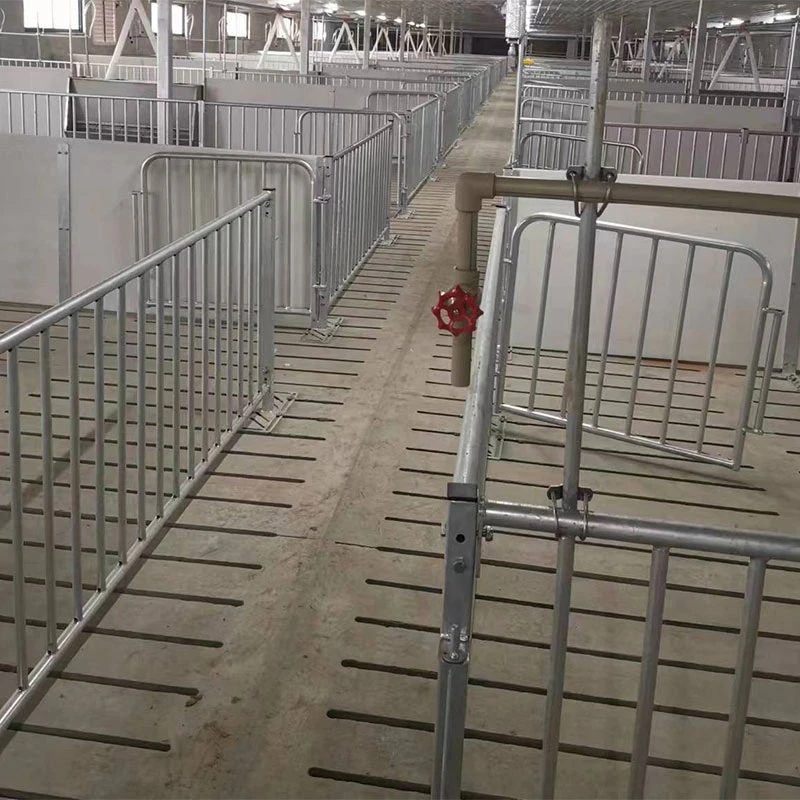
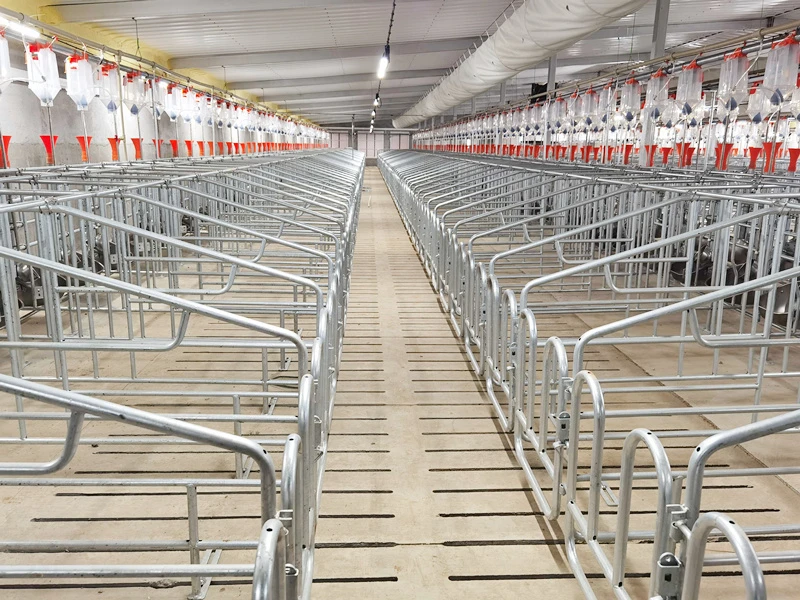
Simply put, a gestation crate is a purpose-built housing system for pregnant sows, designed to limit movement to prevent fighting and injury while facilitating monitoring and care. Usually, these crates measure around 2 meters long and 60 cm wide, just enough space for a sow to stand or lie down but not turn around comfortably.
While the idea might sound restrictive, the crates help improve individual feeding accuracy and prevent dominant animals from bullying others in group housing. In industrial farming, this means healthier piglets and fewer production losses.
Mini takeaway: Gestation crates are designed for sow protection and farm productivity but come with trade-offs in terms of animal freedom.
Key Factors When Choosing Gestation Crates for Sale
Durability
Durability is non-negotiable. Farms require crates that withstand repeated cleaning, high humidity, and sow pressure—a rusty, weak crate quickly becomes a safety hazard. Many vendors use galvanized steel or stainless steel for longevity. Oddly enough, even small weld defects can cut a product’s life short.
Ease of Cleaning
Hygiene is a constant challenge. Crates designed with smooth surfaces and fewer crevices make sanitation easier, reducing disease risks. This directly impacts pig health and farm biosecurity protocols.
Cost Efficiency
Though upfront prices matter, it’s often the total cost of ownership that counts. Cheaper crates sometimes translate to higher maintenance costs. Many farmers evaluate crates based on initial price, lifespan, and the cost of potential retrofits required by changing legislation.
Animal Welfare Compliance
With consumer awareness rising, crates with features meeting or exceeding welfare guidelines appeal to buyers who want future-proof investments. For instance, some crates allow more movement or incorporate sloped floors for comfort.
Scalability and Compatibility
Many farms grow incrementally; thus, crates that integrate easily with existing housing systems and allow modular expansion are preferred. Standardized sizing and fitting options help avoid costly remodeling.
Customization Options
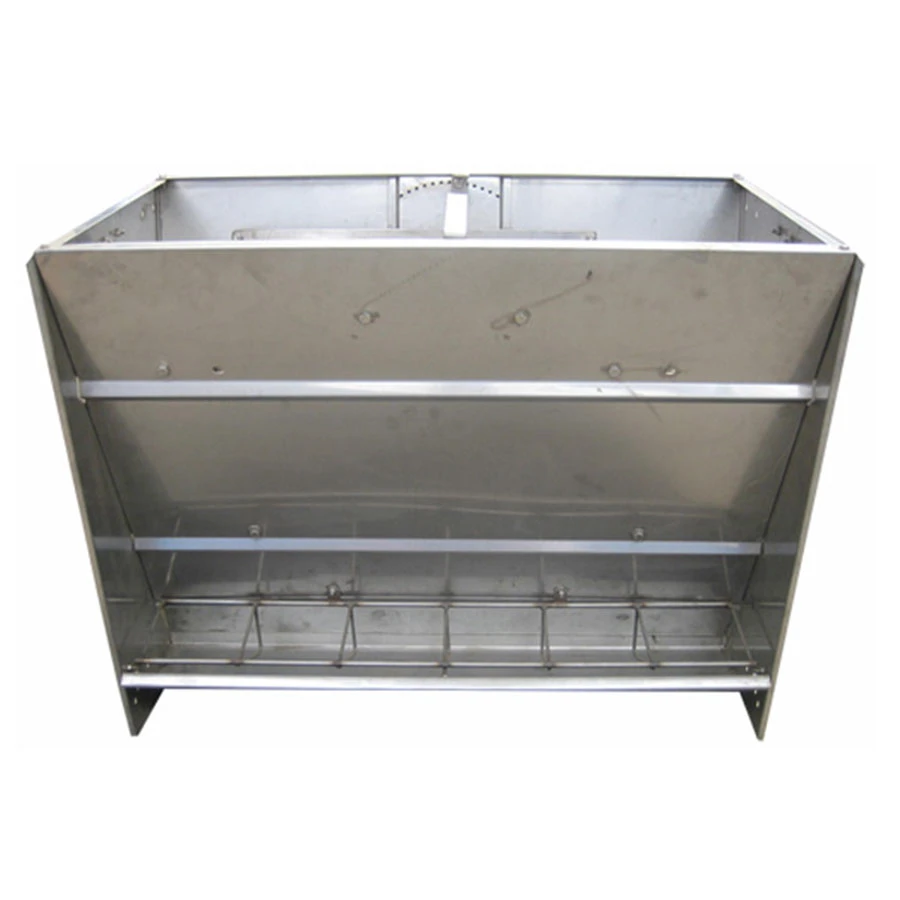
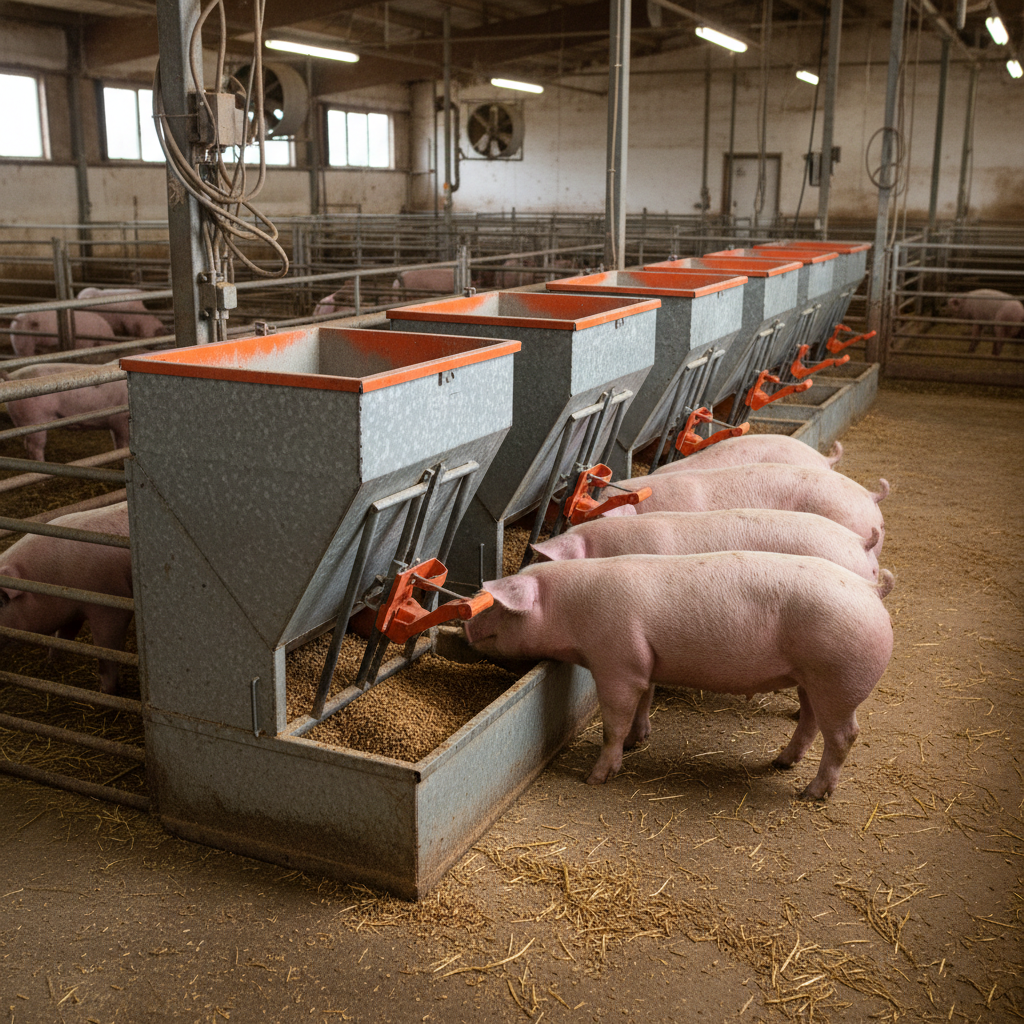
From adjustable partition panels to feeding troughs integrated with automated systems, the ability to tailor crates to operation-specific needs can improve adoption and ROI.
Mini takeaway: When shopping gestation crates for sale, look beyond price to durability, hygiene, animal welfare standards, and integration capabilities.
Practical Applications Around the World
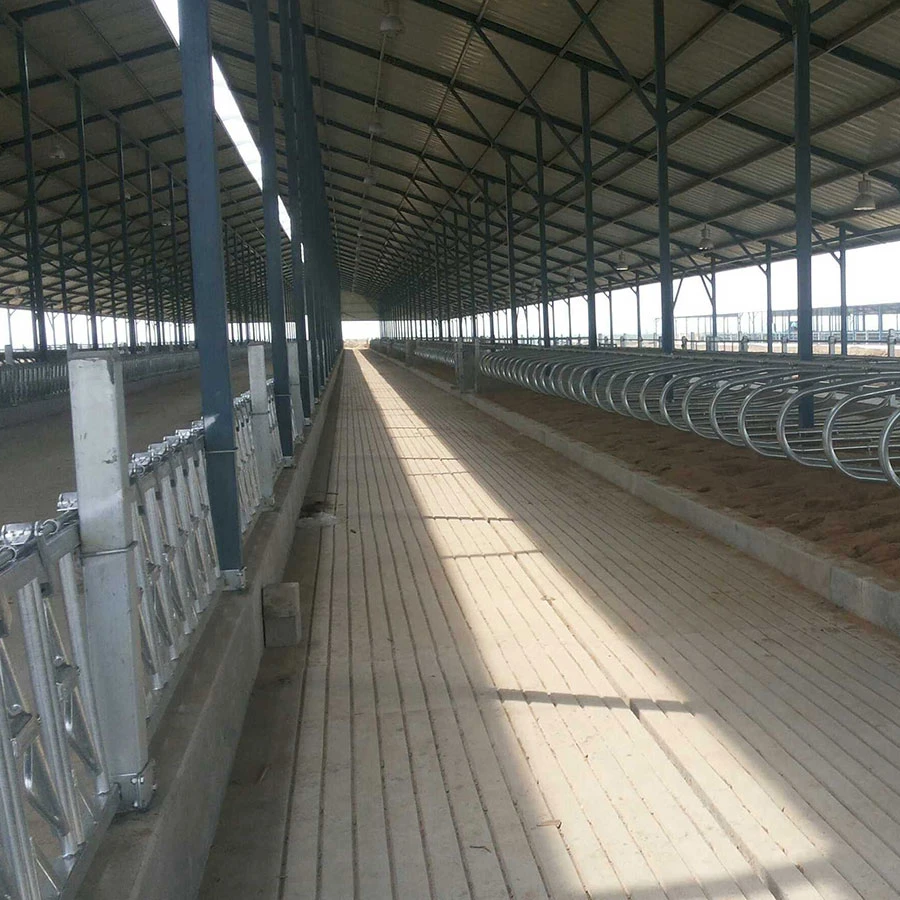
In Europe, many farms have transitioned to group housing systems but still use gestation crates during early pregnancy for sow safety. In the United States and parts of East Asia, crates remain standard due to their cost and management benefits.
Consider Asia’s rapidly expanding pork industry, especially China—the largest pork producer and consumer worldwide. There, gestation crates enable high throughput in intensive farming setups. Meanwhile, in South America, farms embrace crates that balance local climate challenges and limited labor.
Interesting case: In New Zealand, some farms innovate with crates featuring softer flooring and better ventilation, reflecting local animal welfare campaigns and export market demands.
Mini takeaway: Gestation crates adapt to regional livestock practices reflecting market demands, regulations, and cultural expectations.
Product Specifications: Typical Gestation Crates for Sale
| Feature | Standard Size | Material | Weight | Lifespan | Price Range (USD) |
|---|---|---|---|---|---|
| Length | 190-210 cm | Galvanized Steel | 35-45 kg | 10-15 years | 120-200 USD |
| Width | 55-65 cm | Stainless Steel (Optional) | N/A | Corrosion resistant | 250-350 USD |
| Flooring | Slotted Metal / Slatted Plastic | Customizable | N/A | Easier manure management | Included in crate price |
Vendor Comparisons: Who’s Leading the Market?
| Vendor | Price Range (USD) | Material Quality | Customization | Shipping / Delivery | Warranty |
|---|---|---|---|---|---|
| AgriSteel Ltd. | $130 - $210 | Hot-dip galvanized | Adjustable panels | Worldwide with fees | 5 years |
| Livi Hog Solutions | $200 - $300 | Stainless steel options | Integrated feeding stations | Regional hubs | 7 years |
| EcoLivestock Equip. | $120 - $180 | Recycled metal composites | Basic models, limited mods | Limited international | 3 years |
Advantages and Long-Term Value of Gestation Crates
- Cost Efficiency: Maximizes sow productivity and reduces injury risk, lowering veterinary expenses.
- Sustainability: Modern crates support better manure management, reducing environmental footprint.
- Animal Welfare: Though restrictive, crates reduce group stress and permit focused care.
- Reliability: Durable materials offer multi-year service, supporting long-term farming operations.
- Economic Trust: Investors and supply chain partners favor farms employing standardized, compliant systems.
Frankly, it’s a balancing act. Crates are criticized for limiting freedom but praised for protecting vulnerable animals during early pregnancy. That tension fuels innovation and sometimes heated debate.
Emerging Trends in Gestation Crates for Sale
Increasingly, vendors are exploring eco-friendly materials like recycled steel and incorporating non-slip, soft flooring to improve sow comfort. Automated feeding and health monitoring chips integrated into crate setups are becoming techno-norms, helping farmers optimize care remotely.
Plus, the drive for sustainability means greener production processes and lower carbon footprints are now selling points. Regulatory pressure nudges the market toward designs allowing greater movement, blending crate and pen features.
Challenges and Practical Solutions
One main challenge is aligning farm economics with evolving animal welfare laws. Crates can be costly to retrofit or replace when regulations change. Some farms feel trapped between productivity demands and ethical mandates.
Innovative solutions? Modular crates that convert to group pens, leasing models to spread capital costs, and local manufacturing to reduce expenses and delivery times. Education campaigns that highlight better care outcomes help soften resistance.
FAQ: Gestation Crates for Sale
What are the main benefits of using gestation crates over group housing?
Gestation crates minimize sow injuries caused by fighting, allow precise feeding, and make individual health monitoring easier. However, group housing tends to provide more movement and social interaction but can raise management complexities and risks.
How long do gestation crates typically last on commercial farms?
With proper maintenance, galvanized steel gestation crates can last 10 to 15 years. Stainless steel variants may last longer but cost more upfront. Regular inspections help extend service life and ensure animal safety.
Are gestation crates available with eco-friendly materials?
Yes, some manufacturers offer crates made from recycled metals or composites and use low-VOC coatings. Innovations in sustainable metal processing are also reducing environmental impact.
How can international buyers ensure compliance with local regulations?
Consulting with suppliers knowledgeable about regional animal welfare standards is crucial. Many vendors offer customization to meet specific legal frameworks. Additionally, organizations like ISO and OIE provide relevant guidelines to navigate compliance.
Is installation of gestation crates complicated on existing farms?
Installation complexity varies, but many modern crates are modular and designed for easy assembly. Compatibility checks with existing barn layouts and floor plans are essential before purchase to avoid costly adjustments.
Final Thoughts and Next Steps
In real terms, investing in quality gestation crates for sale means balancing animal welfare, productivity, and regulatory demands. The market is shifting steadily towards more sustainable, comfortable solutions, yet traditional designs still dominate where cost sensitivity prevails.
If you’re considering upgrading your facilities or entering the industry, weigh these factors carefully—and remember that the right crate is more than just metal; it’s about the future of your farm and the animals in your care.
For the latest options and expert advice, visit our website: https://www.cxlivestock.com.
References:
Post time: Dec . 02, 2025