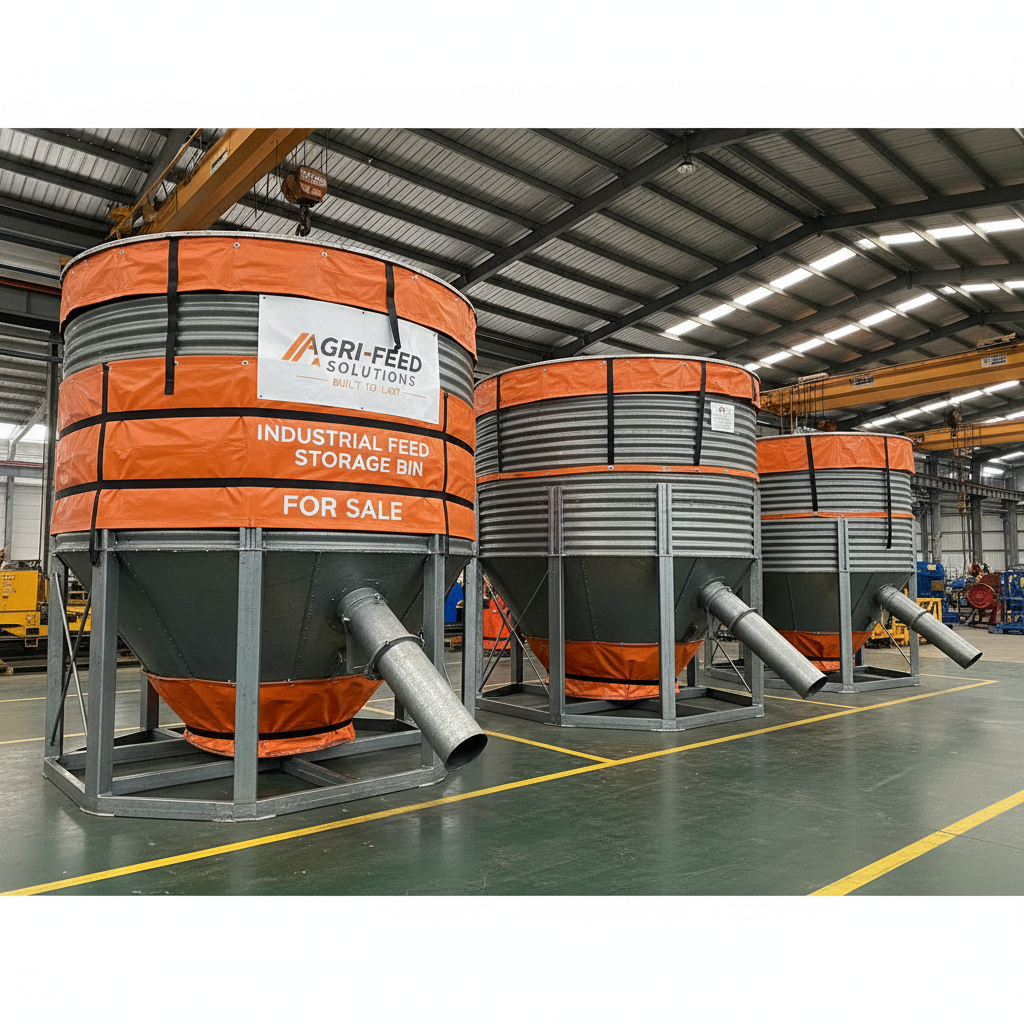
Why Gravity Hog Feeders Are a Quiet Game-Changer in Livestock Management
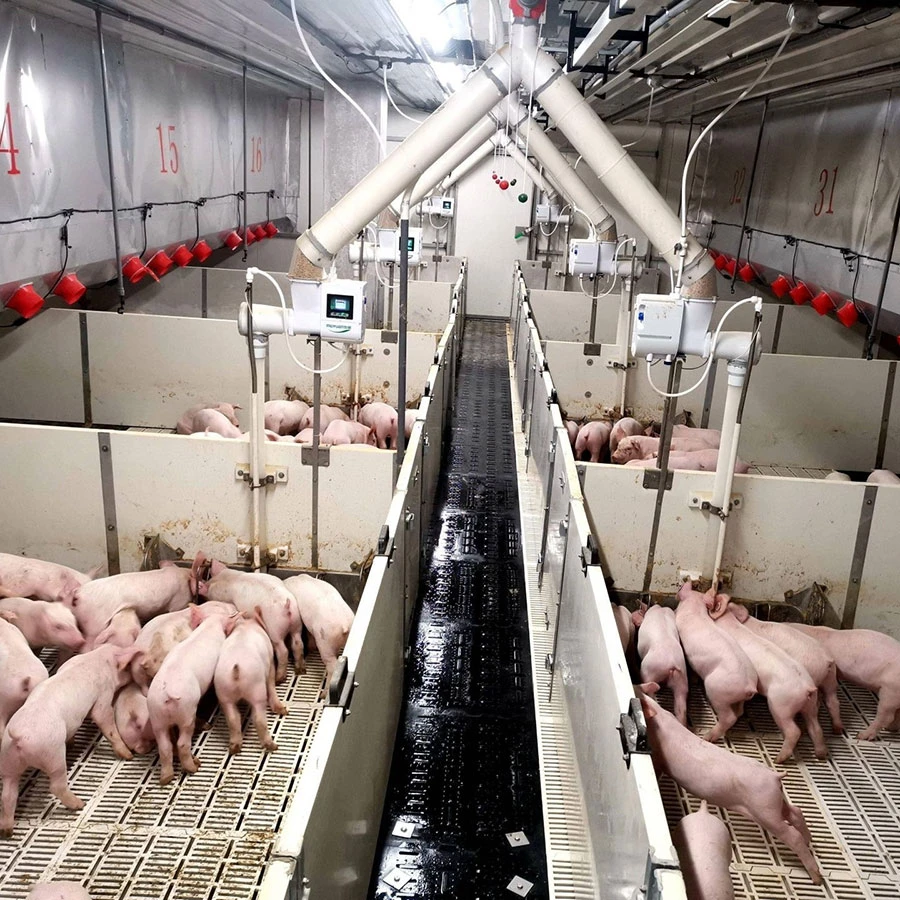
Globally, livestock farming supports the livelihoods of millions and feeds billions. With increasing demand for efficient, reliable, and low-maintenance feeding systems, the gravity hog feeder stands out as an essential tool. But why does it matter? Beyond just feeding pigs, it helps optimize costs, reduce waste, and enhance animal welfare — all vital threads in the larger fabric of sustainable agriculture worldwide.
The Global Context: Feeding Millions, Minimizing Waste
According to the Food and Agriculture Organization (FAO), global pork production has more than doubled in the last 30 years, hitting over 120 million tons annually. Yet, efficiency gaps remain – particularly in feed utilization, a factor that can make or break producer margins. Traditional manual feeding methods often cause overfeeding, spoilage, and pest attraction, wasting up to 30% of feed in some cases.
That’s where gravity hog feeders step in. By tapping into gravity (yes, plain old physics), they automate feed dispensing based on pig consumption, drastically curbing waste. This seemingly simple technology helps producers of all scales around the world—from small family farms in rural Asia to large commercial operations in the Americas—save costs and protect resources.
What Exactly Is a Gravity Hog Feeder?
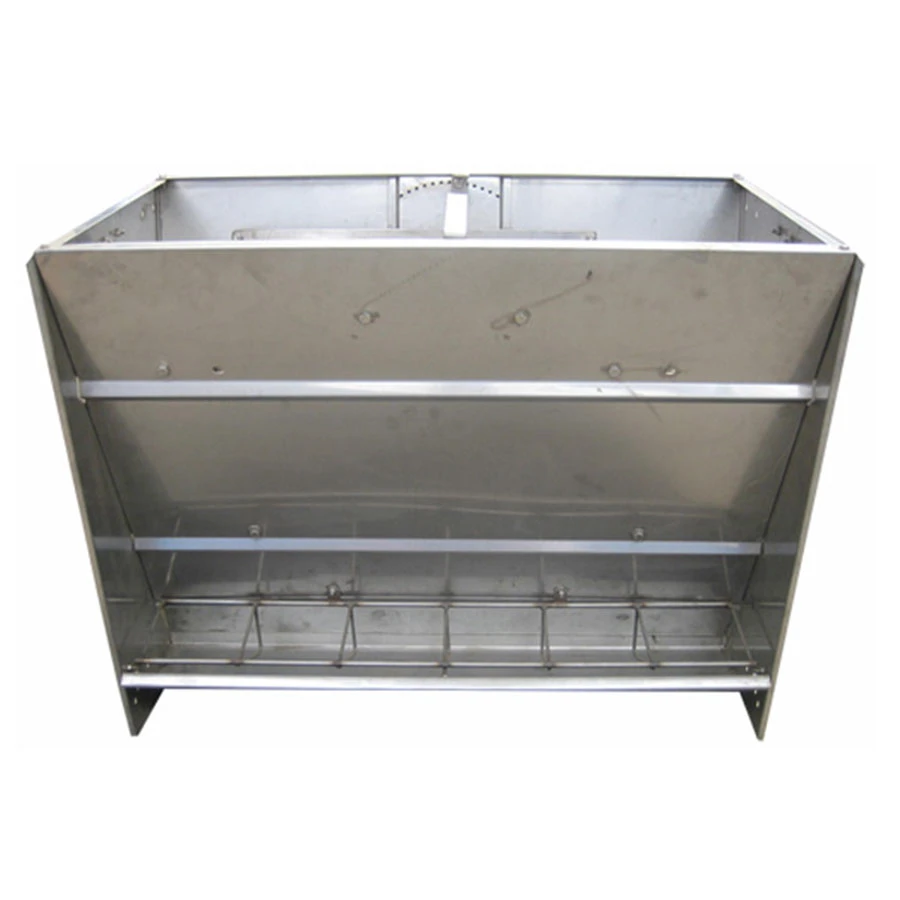
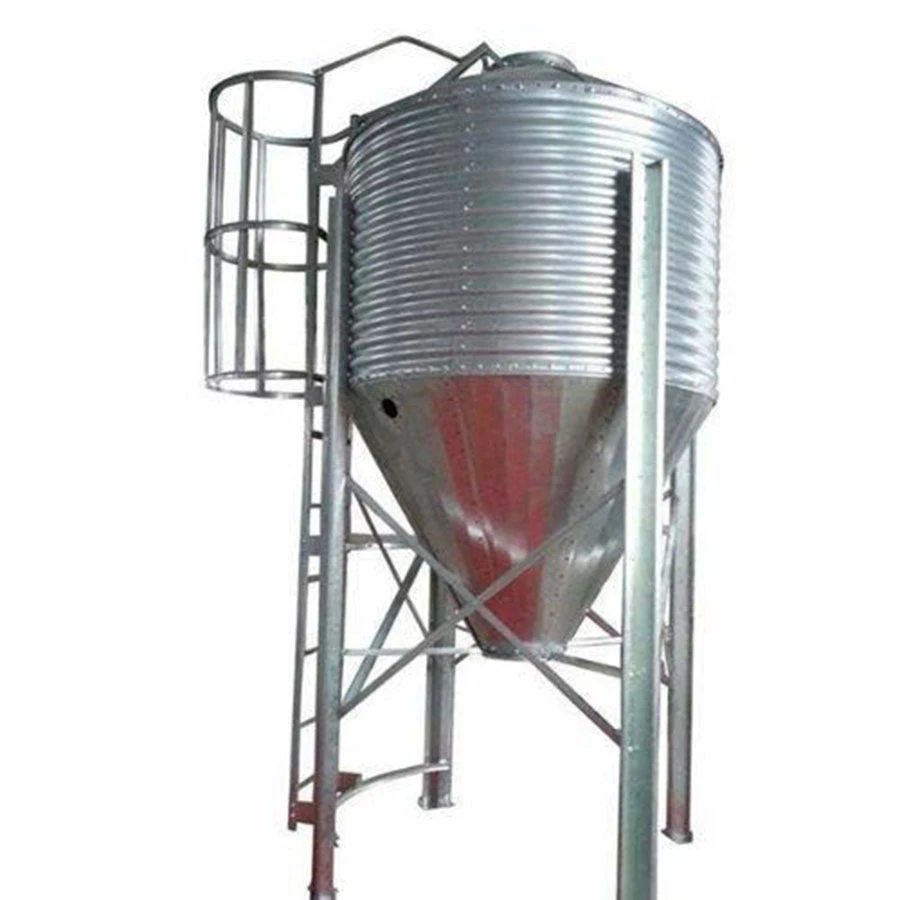
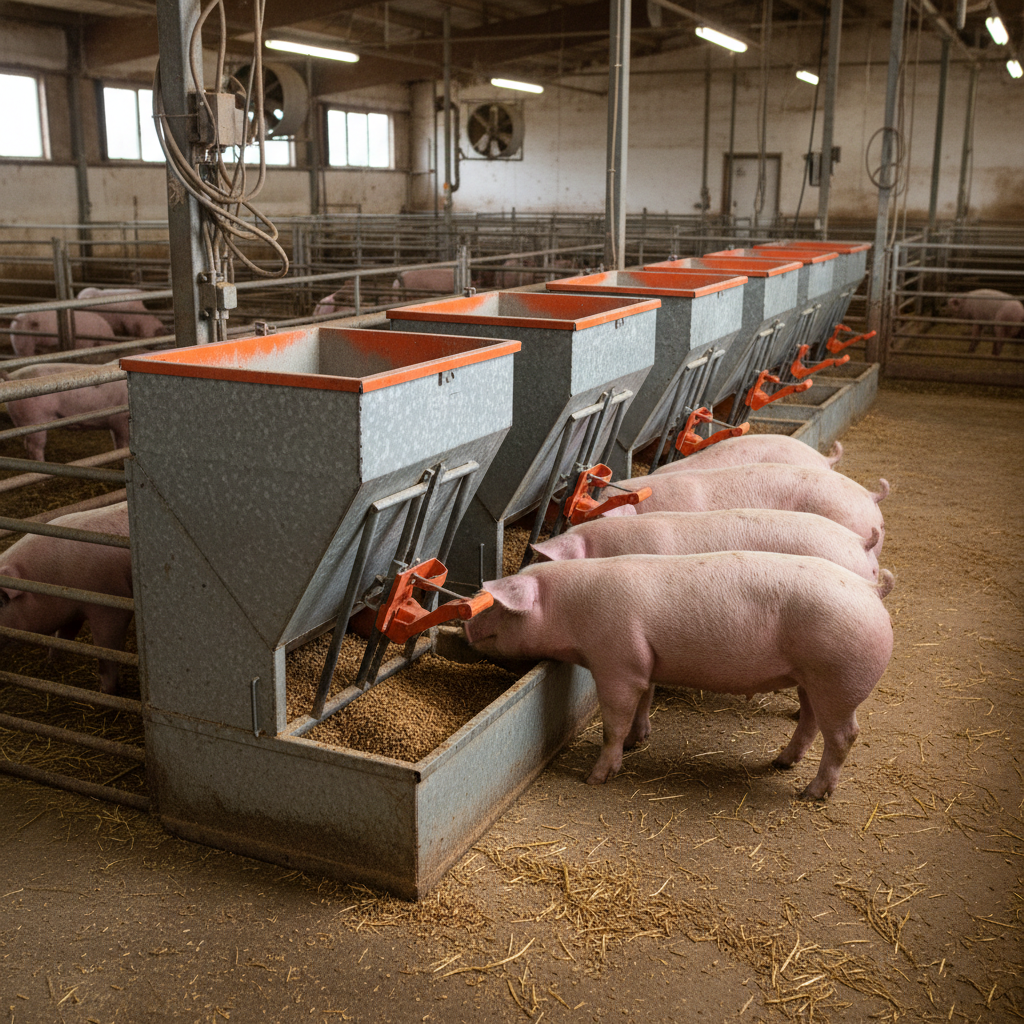
Put simply, a gravity hog feeder is a device designed to feed pigs by allowing feed to flow down into the feeding trough as the pigs consume it. The feeder is usually a large hopper elevated above a feed tray or trough; when pigs eat, gravity forces the feed to refill the tray without any manual intervention. This passive refill ensures a consistent feed level, encouraging pigs to eat in a natural rhythm without overfilling or spillage.
From a broader perspective, this technology ties neatly into modern agricultural automation trends and sustainable farming practices. It not only reduces labor needs but also helps meet humanitarian goals by supporting food security and fair labor practices worldwide.
Core Components and Essential Features of Gravity Hog Feeders
1. Durability and Materials
Most feeders are made from galvanized steel or heavy-duty plastic — materials chosen for robustness against weather, corrosion, and the curious snouts of hogs. Durability means fewer replacements, which is good for budget and less waste overall.
2. Feed Capacity and Scalability
Feeders range from compact designs for a few pigs to large multi-hopper systems for hundreds. Scalability is key; a feeder must match the herd size while maintaining consistent performance.
3. Efficient Feed Flow Design
The gravity mechanism depends on a well-engineered feed chute that prevents clogging. Many models include adjustable gates or baffles to regulate flow rate, ensuring that feed doesn't pour out too fast—saving money and reducing mess.
4. Weather and Pest Resistance
Feed quality can deteriorate if exposed to rain or rodents. Good feeders include covers or lids that thwart weather damage and pest intrusion.
5. Ease of Cleaning and Maintenance
Farmers appreciate designs that simplify cleaning, because hygiene directly affects pig health. Rounded edges, accessible hoppers, and removable parts make upkeep less of a chore.
6. Cost Efficiency
Ultimately, the choice boils down to initial investment versus long-term savings. Gravity feeders generally offer a low-cost, low-maintenance solution compared to automated or electronic feeders.
Mini takeaway: Good feeders don’t just feed pigs — they survive rough environments, conserve feed, and scale with your operation.
Global Applications & Real-World Use Cases
Gravity hog feeders find homes on every continent where pig farming occurs. Their simplicity makes them ideal for diverse contexts:
- Smallholder farms in Southeast Asia: Families managing a dozen pigs use gravity feeders to maximize limited labor and reduce feed waste, boosting profits.
- Large-scale commercial farms in the U.S. and Europe: Gravity feeders integrate into automated systems to streamline feeding while cutting costs.
- Post-disaster recovery zones: NGOs use them temporarily to supply feed to livestock displaced by natural disasters, helping restore local food systems quickly.
- Remote or off-grid farms: No electricity? No problem. Gravity feeders keep operating reliably with zero power needs.
One interesting case comes from a mid-western American farm that switched to gravity feeders and cut feed costs by 15% within six months while observing healthier pig growth rates — a testament to better portion control and less feed spoilage.
Advantages and Long-Term Value of Gravity Hog Feeders
- Cost savings: Less wasted feed means direct savings, often recouping feeder costs in months.
- Sustainability: Efficient feeding lessens environmental footprint, a crucial factor as agriculture faces climate challenges.
- Labor reduction: Automated refilling reduces manual feeding labor, freeing farmers for other tasks.
- Animal welfare: Constant access to feed supports natural feeding patterns and healthier livestock.
- Reliability: Their gravity-driven design means fewer mechanical failures and no reliance on electricity.
Emotionally, farmers often express relief and trust in these feeders—the idea that their animals are consistently cared for, even during busy or challenging times, builds confidence and pride in their work.
What’s on the Horizon? Future Trends in Gravity Hog Feeder Technology
Frankly, gravity feeders might seem low-tech, but there’s innovation afoot:
- Smart Sensors: Some models now wire in feed consumption data, helping farmers track diet patterns and anticipate feed orders — merging old-school mechanics with digital insights.
- Eco-friendly materials: New biodegradable composites aim to reduce plastic waste without sacrificing durability.
- Solar-powered sensing and small automation: Especially in off-grid areas, low-energy sensors could enhance functionality.
- Modular, customizable designs: Easily expandable feeders for growing herds.
These trends signal that even a device reliant on gravity can benefit from the digital transformation sweeping agriculture.
Common Challenges and Practical Solutions
Every tool has its quirks:
- Feed clogging: Wet or clumped feed can jam delivery. Solution? Use feed conditioners and refined hopper design.
- Rodent access: Pest-proof lids and secure mounting help prevent spoilage.
- Corrosion in humid climates: Galvanized or coated metals extend lifespan.
- Scaling mismatch: Choosing too small or excessively large feeders harms efficiency. Proper sizing and consulting vendors avoid this trap.
Product Specification Table
| Feature | Specification | Notes |
|---|---|---|
| Material | Galvanized Steel / HDPE Plastic | Weather and corrosion resistant |
| Capacity | 100–1000 lbs of feed | Varies by model size |
| Dimensions | 3 ft x 2.5 ft x 4 ft (h x w x d) | Compact footprint |
| Feed Flow Control | Adjustable gates / baffles | Prevents over-feeding |
| Power | None (pure gravity) | Works off-grid |
| Maintenance | Low, easy to clean | Removable hopper parts |
Vendor Comparison Table
| Vendor | Price Range | Capacity Options | Key Feature | Warranty |
|---|---|---|---|---|
| FarmEquip Pro | $150–$400 | 100–500 lbs | Heavy-duty galvanized steel | 2 years |
| AgriFeed Systems | $120–$350 | 150–750 lbs | Adjustable feed gates | 1 year |
| GreenBarn Inc. | $200–$500 | 200–1000 lbs | Eco-friendly plastic composite | 3 years |
FAQ: Your Gravity Hog Feeder Questions Answered
Q1: How do gravity hog feeders reduce feed waste?
A: By relying on gravity to dispense feed only as the animals consume it, these feeders prevent overfilling and spillage common in manual feeding. The feed tray refills naturally, ensuring pigs eat at their own pace with minimal leftover feed exposed to pests or weather.
Q2: Are gravity hog feeders suitable for all pig farming scales?
A: Yes, they come in various sizes and capacities to suit small family farms to large commercial operations. It's important, though, to select a feeder size that matches herd size to maintain efficiency.
Q3: Can these feeders withstand outdoor conditions?
A: Most are built with weather-resistant materials like galvanized steel or durable plastic and include protective lids to shield feed from rain and pests, making them well-suited for outdoor use.
Q4: Is there any maintenance required?
A: Minimal maintenance is needed—regular cleaning to prevent mold and rodent infestation along with inspection for any damage usually suffices.
Q5: Where can I buy reliable gravity hog feeders?
A: Numerous suppliers offer quality feeders, including specialized agricultural equipment vendors. For trusted options and useful resources, consider checking out providers like gravity hog feeder specialists.
Wrapping It Up: Why Gravity Hog Feeders Are Worth It
In the grand scheme, the gravity hog feeder isn’t flashy tech, but it sure packs a powerful punch for efficiency and dependable feeding. Saving feed, cutting down manual labor, and offering scalable solutions, it sits at a unique crossroads of tradition and innovation. Plus, its simple, robust design means less downtime in a world that demands more sustainable, resilient farming practices.
Whether you’re a tiny homestead or an industrial pig farm, a gravity feeder might just be your low-hassle, long-term partner in the daily grind. Curious to see what suits you best? Visit our website to explore options tailored to your needs.
References:
Post time: Dec . 02, 2025