Understanding the Hog Farrowing Pen: A Cornerstone of Sustainable Livestock Management
If you've ever wondered how small farms or even large-scale operations successfully bring piglets into the world safely and efficiently, the hog farrowing pen is a key part of the story. Not just a simple enclosure, farrowing pens are designed to protect both sow and newborns during the delicate birthing process. Understanding these specialized pens matters globally because pig farming contributes significantly to food security, rural livelihoods, and sustainable agriculture worldwide.
Why should we care about these humble pens? Because every innovation or improvement reduces mortality rates, improves animal welfare, and supports the meat supply chain—from rural farmers in Southeast Asia to industrial hog producers in the Midwest U.S.
Global Context: Why Hog Farrowing Pens Are More Relevant Than Ever
Globally, pork production is the largest segment of the world’s meat industry, accounting for roughly 37% of total meat consumption according to the FAO. With rising demand fueled by expanding middle classes — particularly in Asia — farmers face mounting pressure to maximize productivity while maintaining ethical husbandry standards.
But it’s not just about economics. Animal welfare guidelines established by organizations like the ISO and WHO outline minimum requirements to reduce stress and injury during farrowing.
Yet challenges remain. Conventional enclosures can lead to piglet crushing or infections. Climate change adds another layer, as extreme temperatures affect sow comfort and piglet survival. This makes the design and use of hog farrowing pens an urgent issue for producers worldwide.
What Is a Hog Farrowing Pen?
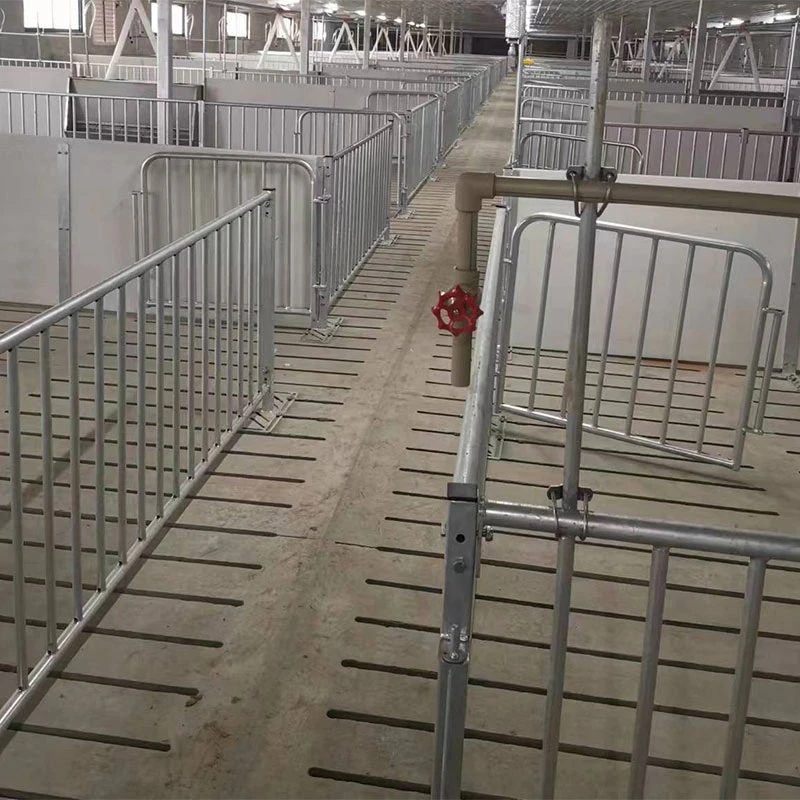
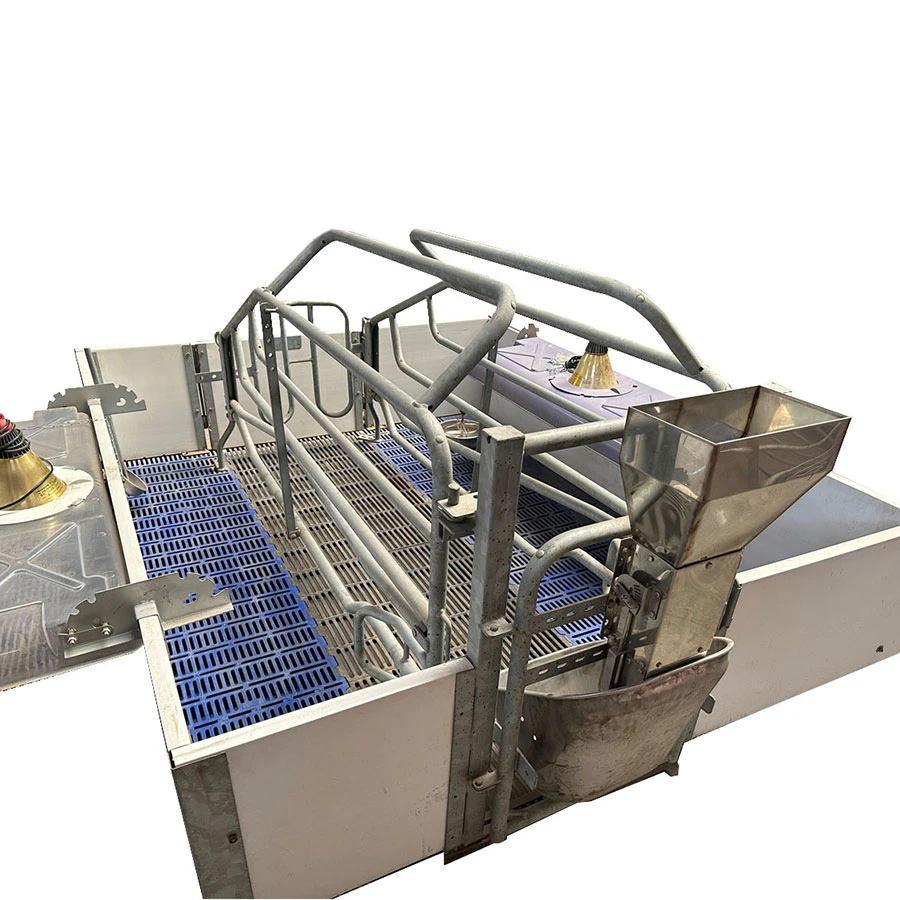
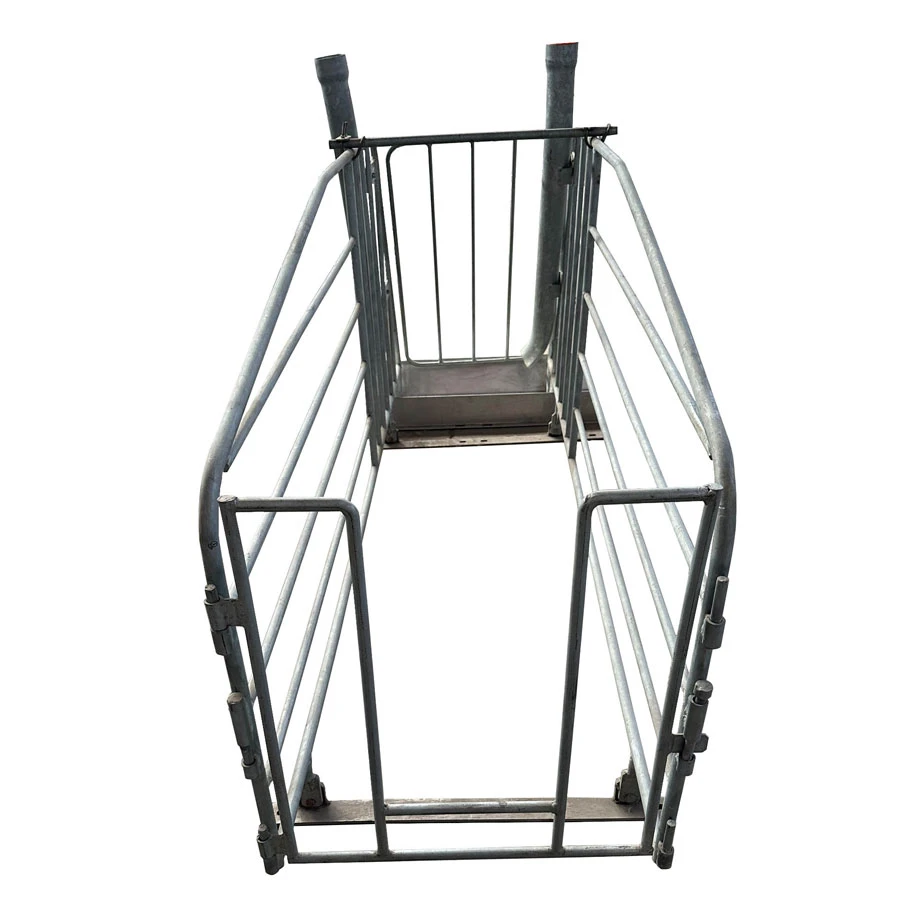
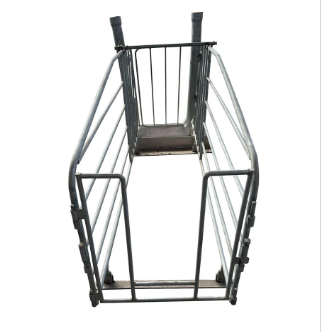
Quite simply, a hog farrowing pen is a specialized enclosure that provides a safe environment for a sow to give birth (farrow) and nurse her piglets. Unlike standard hog pens, farrowing pens incorporate features to minimize piglet mortality and sow stress. This includes precise spacing, materials that maintain hygiene, and sometimes built-in heating pads or flooring designed for comfort and sanitation.
In today’s industrial agriculture, the farrowing pen is more than just a fence — it’s a controlled habitat improving survival rates and encouraging better growth outcomes. Even in smallholder farms where resources may be limited, adapted versions of the farrowing pen are critical to livelihood and food security.
Key Components of a Hog Farrowing Pen
1. Durability and Material Quality
Most farrowing pens are constructed from heavy-duty steel or treated wood to withstand constant wear, moisture, and piglet activity. Good material choice prevents rust, splinters, and contamination — crucial for animal health.
2. Design for Safety of Piglets and Sow
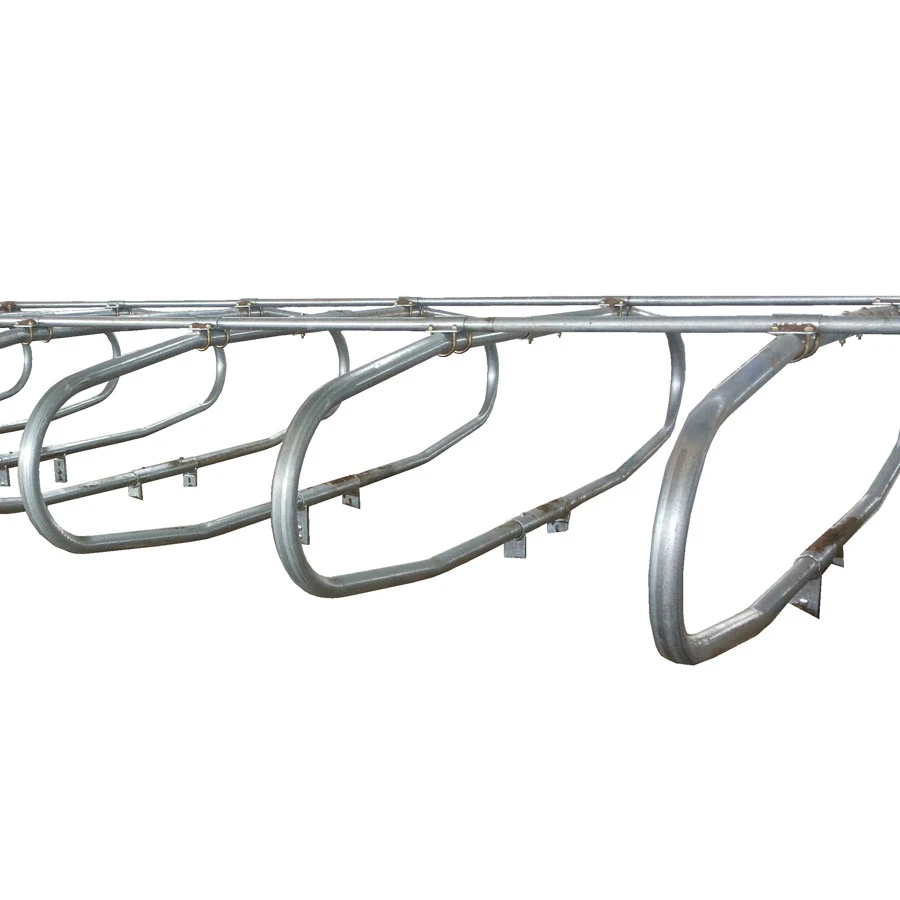
The layout is intentional. Sows need enough space to lie down without endangering the piglets, who must be protected from being crushed. Sloped edges and anti-crush bars are often integrated to reduce accidental injuries.
3. Ease of Cleaning and Sanitation
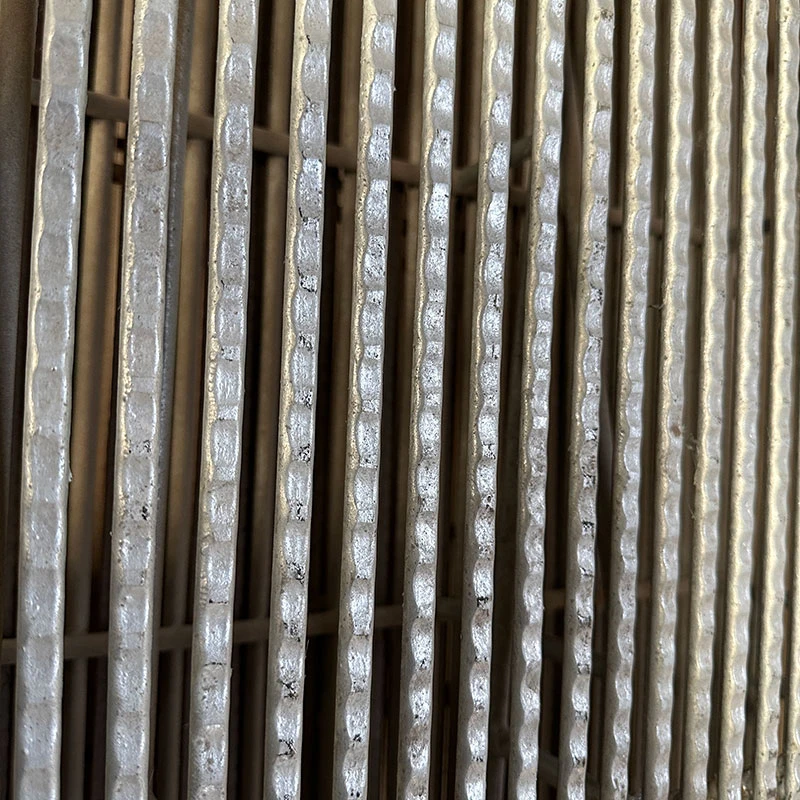
Hygienic design means surfaces that drain well and resist bacteria buildup. Many producers choose pens with removable components or slatted floors for efficient waste management.
4. Thermal Regulation Features
Newborn piglets need warmth to thrive. Farrowing pens often come with heat pads or options for radiant heating to maintain ideal temperatures, especially in colder climates.
5. Scalability and Cost Efficiency
Different producers need pens that either scale up for large farms or remain affordable for smallholders. Modular designs are becoming quite popular, letting farmers expand as needed without complete overhauls.
6. Accessibility and Monitoring
To assist caregivers, some advanced farrowing pens come with access doors or built-in sensors that monitor sow behavior and piglet health—cutting down the guesswork.
Mini takeaway: Selecting the right farrowing pen means balancing robust, animal-safe design with practical features like sanitation and scalability. The stakes? Healthier litters and better farm outcomes.
Real-World Applications & Impact Across The Globe
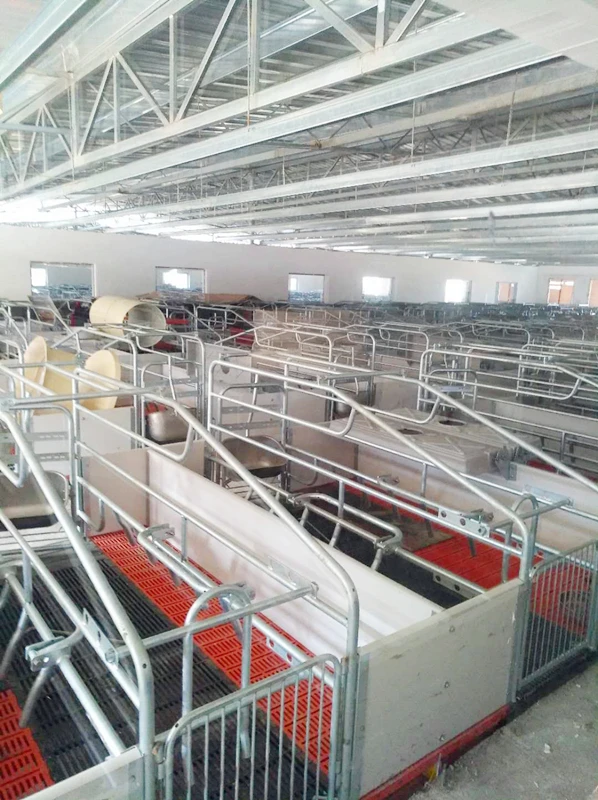
Hog farrowing pens are deployed everywhere from the high-tech, climate-controlled facilities in Europe to small-scale farms in rural sub-Saharan Africa. Each place adapts the concept to local conditions and needs.
- Asia: In countries such as China and Vietnam, large integrated farms use automated farrowing systems combined with strict biosecurity measures to meet fast-growing domestic demand.
- Europe: Regulations often mandate specific farrowing pen standards with a heavy focus on animal welfare and environmental impact.
- North America: Producers often use modular pens optimized for rapid cleaning and piglet safety to keep pace with industrial-scale production.
- Developing regions: NGOs promote farrowing pen construction among smallholders to reduce piglet mortality and enhance income stability — an example of livestock supporting livelihoods in post-disaster or low-resource settings.
Hog farrowing pen designs prove flexible and impactful across these varied contexts.
Product Specification Table: Typical Hog Farrowing Pen
| Feature | Specification |
|---|---|
| Dimensions | 2.4 x 1.2 meters (typical) |
| Material | Galvanized steel / treated hardwood |
| Flooring | Slatted plastic or concrete with drainage |
| Heating | Electric heat pads or infra-red lamps |
| Protective Features | Anti-crush bars and sow restraint bars |
| Cleaning | Removable trays and high-pressure wash compatible |
Vendor Comparison: Hog Farrowing Pen Providers
| Vendor | Material Quality | Customization | Price Range (USD) | Warranty | Notable Feature |
|---|---|---|---|---|---|
| PenCorp | Galvanized steel | Modular sizes | $450 - $700 | 3 years | Biosecurity seals |
| AgriSow Solutions | Treated hardwood with steel reinforcements | Custom dimensions | $380 - $650 | 2 years | Eco-friendly paint finish |
| FarmFlex | Aluminum frame & plastic panels | Fixed models | $280 - $400 | 1 year | Lightweight & portable |
Why Invest in Quality Farrowing Pens? Advantages and Long-Term Value
The right hog farrowing pen is more than a simple shelter; it’s an investment with a ripple effect—reducing costly piglet losses, enhancing herd health, and maintaining farm morale.
- Cost Savings: Fewer piglet deaths mean more market-ready hogs, directly improving profitability.
- Animal Welfare: Thoughtful design makes stressful farrowing more comfortable for the sow, which improves milk production and piglet vitality.
- Sustainability: Durable materials and easy cleaning reduce environmental footprint and chemical usage.
- Trust & Compliance: Meeting international animal welfare standards builds farmer credibility for export markets.
Plus, as many vets and farmers alike will tell you, knowing your animals have a safe birthing environment brings peace of mind — and that’s worth quite a bit.
Looking Forward: Future Trends in Hog Farrowing Pens
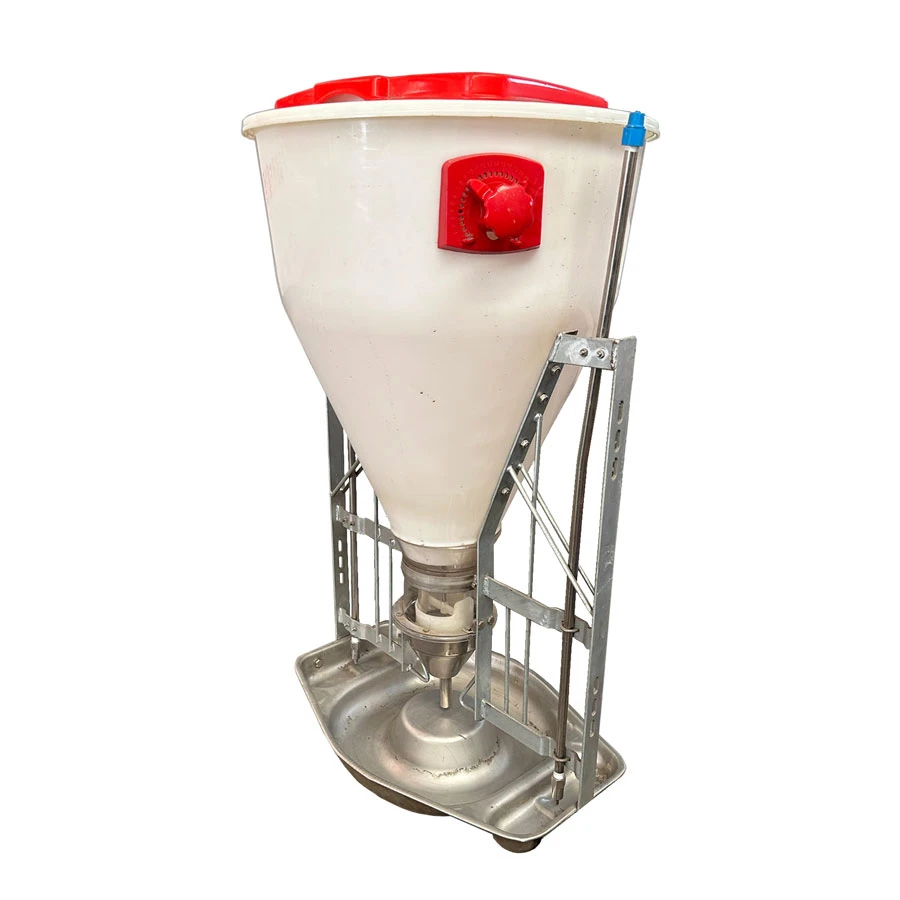
The industry is leaning toward digitization and green technology. Think sensors embedded in pens monitoring temperature, humidity, and sow activity in real time, linked to apps on a farmer’s phone. Automation may also help improve feeding schedules and alert staff to piglets in distress.
On the materials front, biodegradable plastics and recycled metals could replace traditional steel, cutting environmental impact. Moreover, there is rising interest in horizontal farrowing pens that optimize airflow and natural light to improve sow comfort with lower energy use.
Challenges and Solutions in Today's Farrowing Pen Usage
Despite advances, some challenges persist. Infection control can be tricky in humid climates, and upfront costs deter smallholders. Also, rigid designs sometimes don’t suit local pig breeds or environments.
To tackle this, experts recommend modular and adaptable designs paired with local material sourcing to keep costs manageable. Incorporating farmer feedback into design and training programs boosts adoption rates. NGOs often fill gaps through subsidies and education.
FAQ: Hog Farrowing Pens
Q: What makes a good farrowing pen different from a regular hog pen?
A farrowing pen incorporates features like anti-crush bars and thermal regulation specifically designed for the birthing and nursing period. Regular pens lack these safety and comfort adaptations, increasing piglet mortality risks.
Q: How long does a typical farrowing pen last on a commercial farm?
With proper maintenance, farrowing pens made from galvanized steel or treated wood can last between 5-10 years. Factors like climate and cleaning frequency affect lifetime.
Q: Can farrowing pens be customized for smaller-scale farms or unique climates?
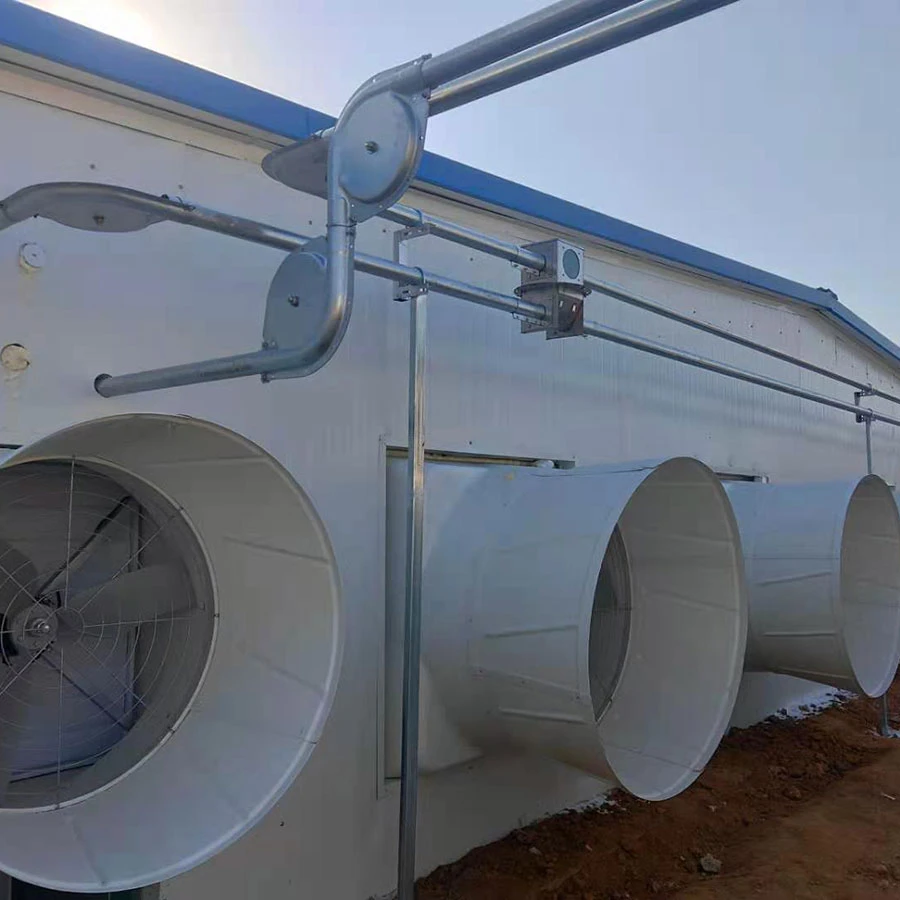
Yes! Most reputable manufacturers offer modular or tailor-made options to fit different farm sizes and environmental conditions. Custom insulation or ventilation can be added too.
Q: Is installing a farrowing pen complicated?
Many farrowing pens come with straightforward assembly instructions, often designed for DIY installation, but larger commercial setups might require professional help.
Q: Where can I find reputable suppliers for hog farrowing pens?
Look for suppliers with strong customer reviews and adherence to animal welfare standards. Our site https://www.cxlivestock.com lists trusted vendors and product guidance.
Wrapping It Up: Why the Right Hog Farrowing Pen Matters
To put it simply: a quality hog farrowing pen is a linchpin to successful pig farming. It protects the most vulnerable animals, improves operational efficiency, and aligns with humane, sustainable farming goals worldwide.
If you’re scaling up or just curious about ways to improve your livestock management, exploring the latest farrowing pen technologies and options could be the game-changer you didn’t know you needed. Curious to learn more or ready to invest? Drop by our website for detailed insights and product offerings.
Mini takeaway — Thoughtful design combined with real-world adaptability is what sets the best farrowing pens apart, with long-term benefits for animals, farmers, and the planet alike.
References
Post time: Dec . 02, 2025