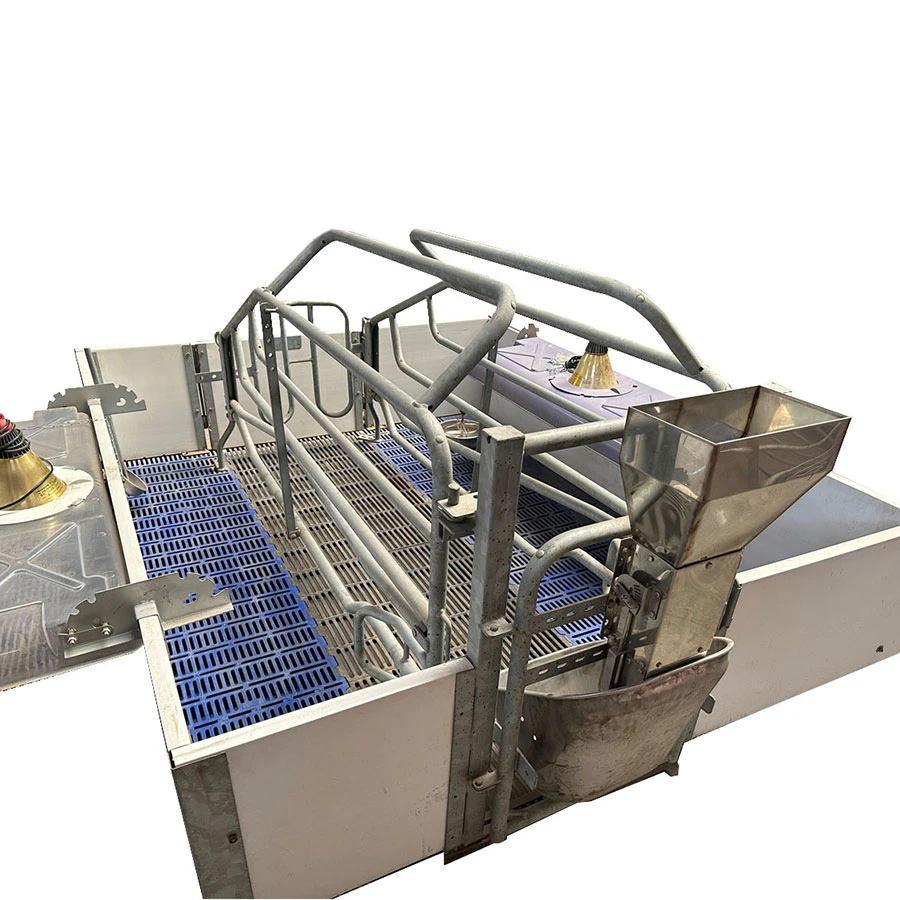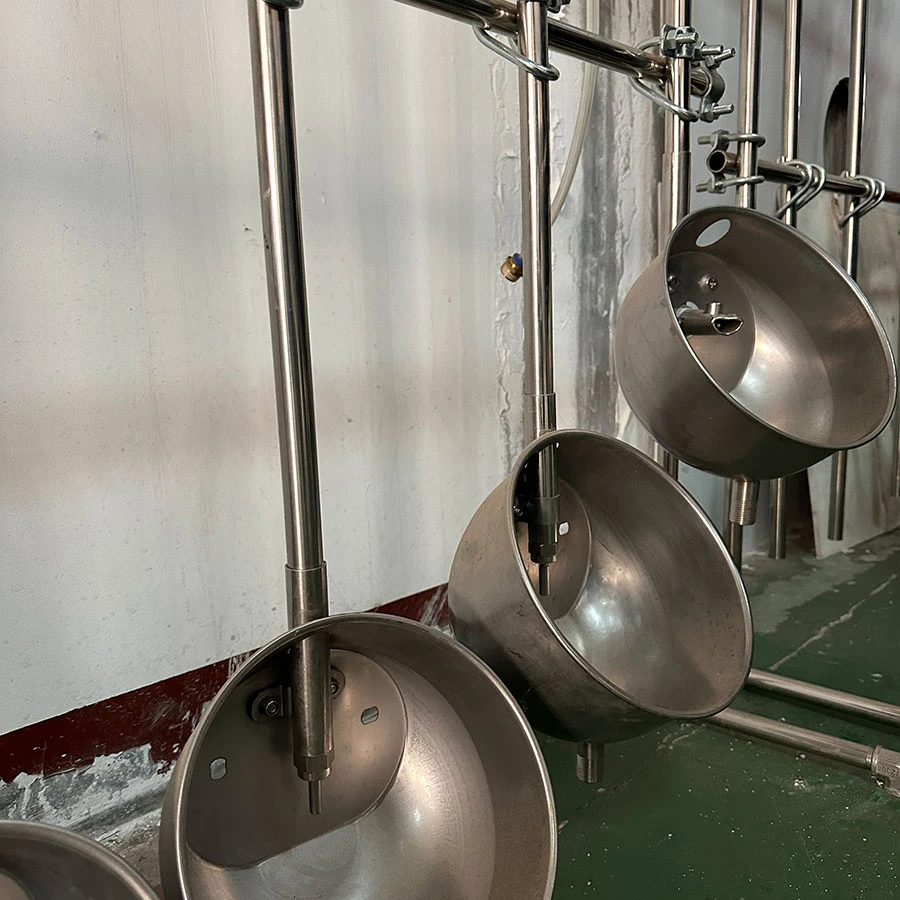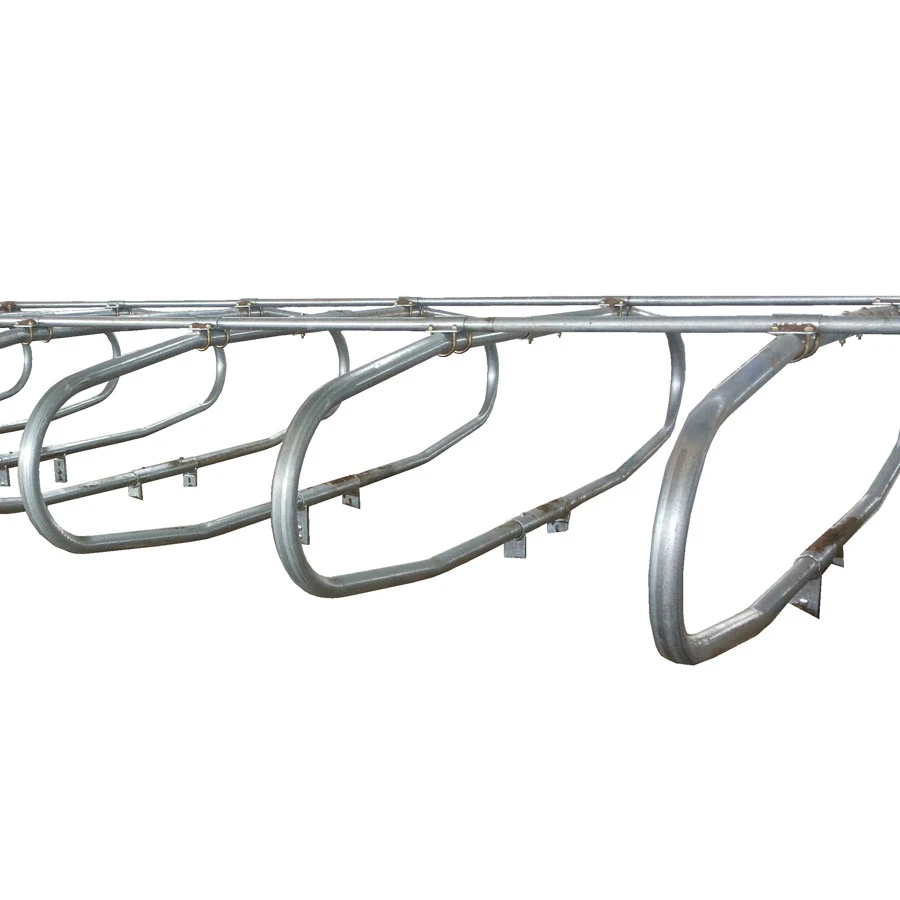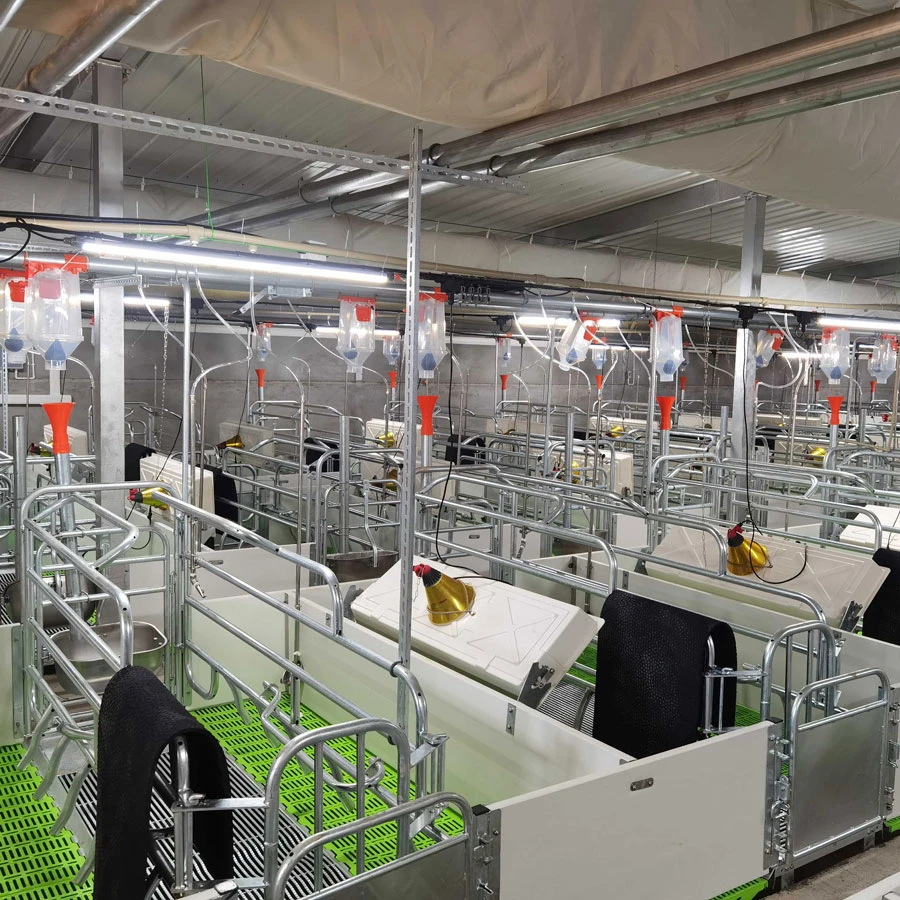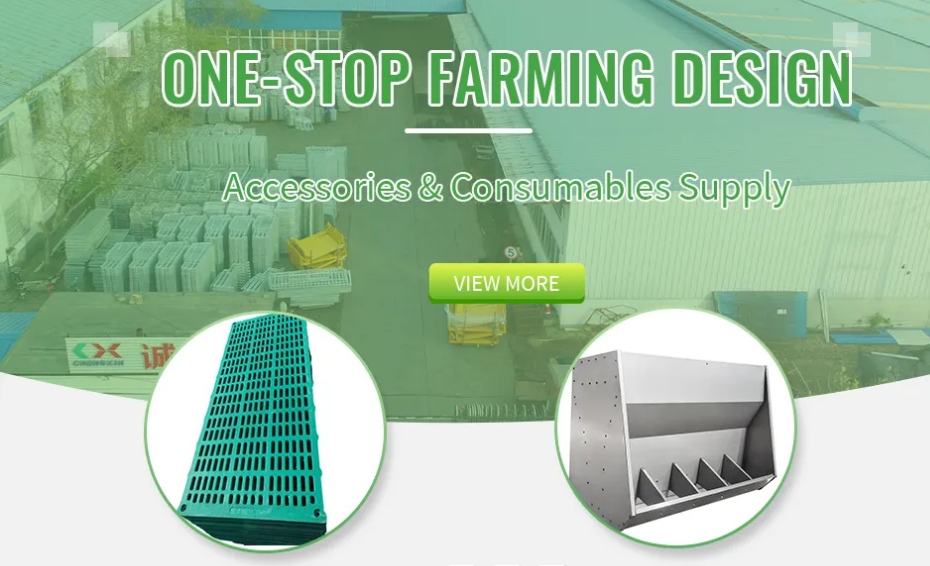
Hog barns, real talk: feeding is nothing without stable climate
Whether you're pricing a new Hog Feeder or rethinking ventilation on your existing line, here’s the blunt truth I keep hearing from farm managers: feed efficiency collapses when temps swing. That’s why I’ve been following the rise of integrated cooler-and-heater systems paired with the humble (and absolutely mission-critical) Hog Feeder. The best barns treat climate and feeding as one system, not two budget lines fighting each other.
Why climate control pays for itself
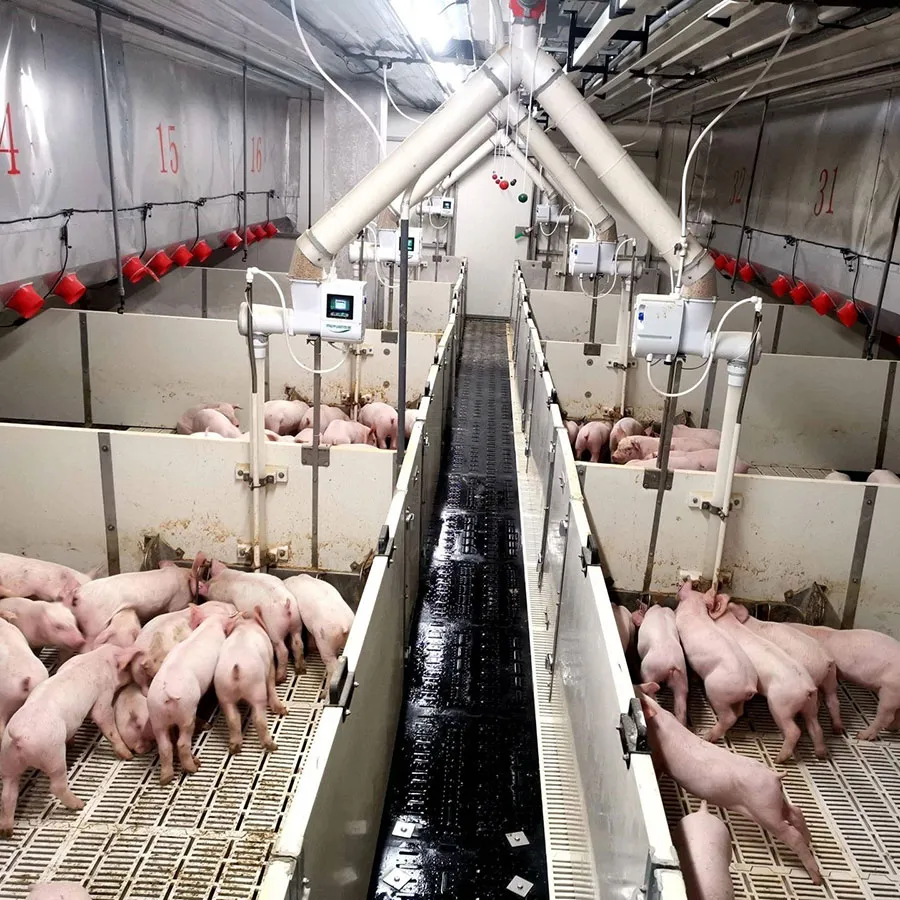
Feed intake is incredibly sensitive to thermal stress. In hot houses, hogs eat less; in cold houses, they eat just to stay warm. The Cooler And Heater In Pig Farming Equipment from Huanghua City, Hebei (Dongtai Road, Economic and Technological Development Zone, for the sourcing nerds among us) tackles the problem head-on: steady airflow, tight temperature range, and drier floors. Pair that with a stable Hog Feeder flow and you’ll see calmer pigs and, usually, better FCR.
Industry trends I’m seeing
- IoT sensors driving variable-speed fans and heaters—no more “all-or-nothing” blasts.
- Evaporative cooling pads sized by real static pressure data (not guesswork).
- Wash-down ready gear (IP54≈IP55 motors) to keep hygiene up without constant failures.
- Lower-ammonia designs: better airflow paths around feeders and dunging areas.
Product snapshot: Cooler and Heater equipment
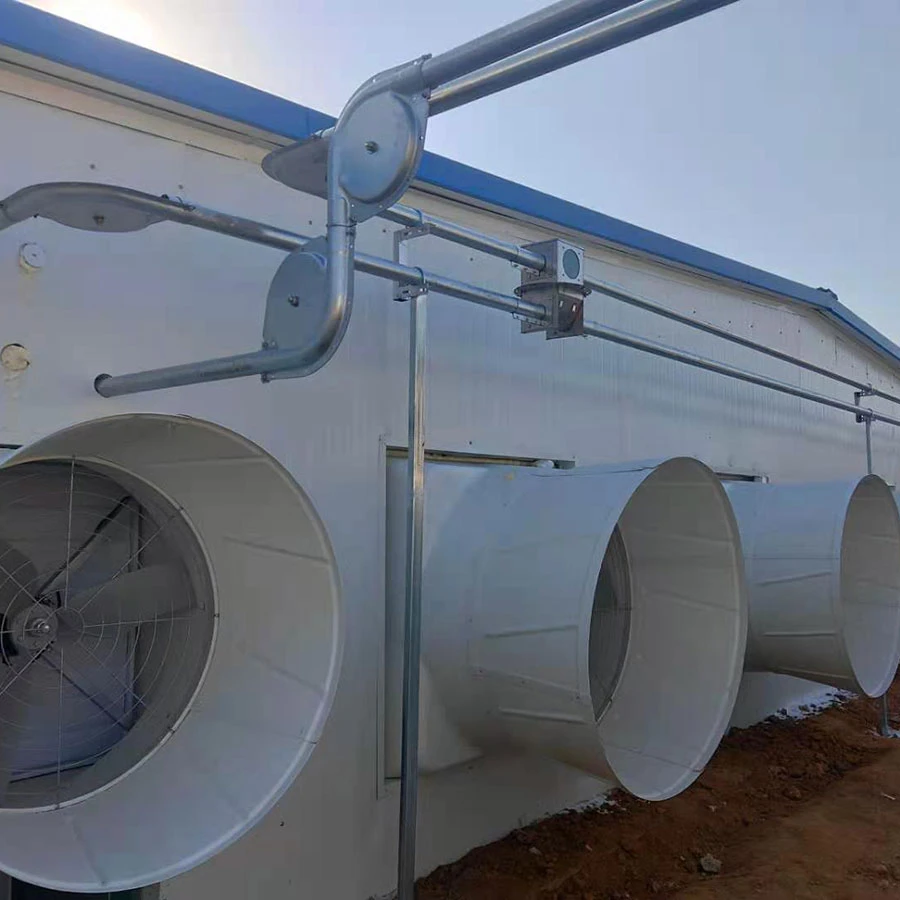
Actually deployed from tropical to frigid zones, this unit is designed to keep a clean, comfortable environment for pigs—especially when integrated with automatic Hog Feeder lines.
| Parameter | Typical value | Notes |
|---|---|---|
| Airflow (fan module) | ≈ 18,000–36,000 m³/h | ISO 5801 test setups; real-world use may vary |
| Cooling method | Evaporative pad + high-efficiency fans | Water-saving distribution, anti-algae design |
| Heating | Indirect gas or electric PTC options | Thermostat 0.5–1.0°C hysteresis |
| Materials | Galvanized steel, PP/PE pads, 304SS fasteners | Corrosion-resistant for wash-down |
| Controls | VFD fans, PID controller, sensor suite | Temp, RH, and optional ammonia |
| Service life | ≈ 8–12 years | With quarterly maintenance |
| Certifications | ISO 9001, CE (EMC/LVD) | Motor ingress ≈ IP54 |
Process, testing, and QA
Materials cut and formed, anti-corrosion coating, fan balance test, controller calibration, and a 24–48h burn-in. Airflow verified to ISO 5801; electrical safety checked to IEC 60204-1; environmental cycling to IEC 60068. I’ve sat through one of these factory FATs—surprisingly methodical.
Real barns, real results
A 1,200-head finisher site in a humid subtropical zone paired new climate modules with their existing Hog Feeder lines. Over 60 days, feed conversion improved from ≈2.75 to ≈2.61 and average daily gain rose around 3.2% (farm logs; weather was typical). Staff noted lower panting and fewer feed interruptions at peak heat.
Vendor comparison (shortlist)
| Vendor | Strengths | Certs | Lead time | Customization |
|---|---|---|---|---|
| CX Livestock (Hebei, China) | Balanced cooling/heating portfolio, farm-level sizing | ISO 9001, CE | ≈ 20–35 days | High—pad size, controls, power options |
| Vendor A (EU) | Premium components, deep controller ecosystem | CE, RoHS | ≈ 30–45 days | Medium—fixed form factors |
| Vendor B (US) | Strong service network, rapid spares | UL/cUL, CE | ≈ 15–30 days | Medium–High with surcharge |
Customization and integration notes
- Match airflow paths to feeder locations to reduce feed spillage and damp spots.
- Consider ammonia sensors near dunging zones for smarter fan ramps.
- Pad water quality: a tiny pre-filter pays off in maintenance saved.
- Power: confirm phase/voltage early; VFDs hate dirty power more than you think.
Final thought: if your budget forces a choice, stabilize climate first, then upgrade the Hog Feeder. But if you can do both together—do it. The systems amplify each other.
Authoritative citations
- ASHRAE Handbook—HVAC Applications, Chapter on Animal Facilities.
- ISO 5801: Fans—Performance testing using standardized airways.
- IEC 60204-1: Safety of machinery—Electrical equipment of machines.
- FAO. Good practices for biosecurity in the pig sector.
- ISO 9001:2015 Quality management systems—Requirements.
Post time: Nov . 06, 2025