Understanding Hog Gestation Crates: More Than Just Metal Bars
If you’ve ever delved into modern swine farming, “hog gestation crates” aren't just a niche topic—they're fundamental to how millions of pigs are reared globally. These crates, essentially narrow metal enclosures where pregnant sows are housed during their gestation period, might seem simple, but they’re at the heart of intensive pig farming worldwide.
Why does this matter? For starters, the global pork industry relies heavily on these crates to improve reproductive efficiency and animal management. At the same time, their use stirs ongoing debates about animal welfare and sustainability. Understanding hog gestation crates bridges crucial gaps—between feeding billions, maintaining farm economics, and engaging with evolving ethical standards.
---
The Global Context: Why Hog Gestation Crates Matter Today
Globally, pork is one of the most consumed meats—accounting for roughly 36% of meat production (source: FAO, 2023)—and its demand keeps rising. Countries like China, the United States, and parts of Europe have embraced intensive farming methods to meet this appetite. Hog gestation crates play a significant role here, enabling farmers to monitor each pregnant sow closely, prevent fighting, and optimize feed efficiency.
However, this widespread adoption faces serious challenges. For example, the World Animal Protection notes that millions of sows worldwide still spend over 90% of their pregnancy confined in these crates, which has fueled animal welfare campaigns worldwide. These crates, while pragmatic, raise questions: can the industry meet both productivity and humane treatment benchmarks? The UN's sustainable development goals urge responsible consumption and animal welfare reforms, making this an evolving global concern.
---
What Exactly Are Hog Gestation Crates?
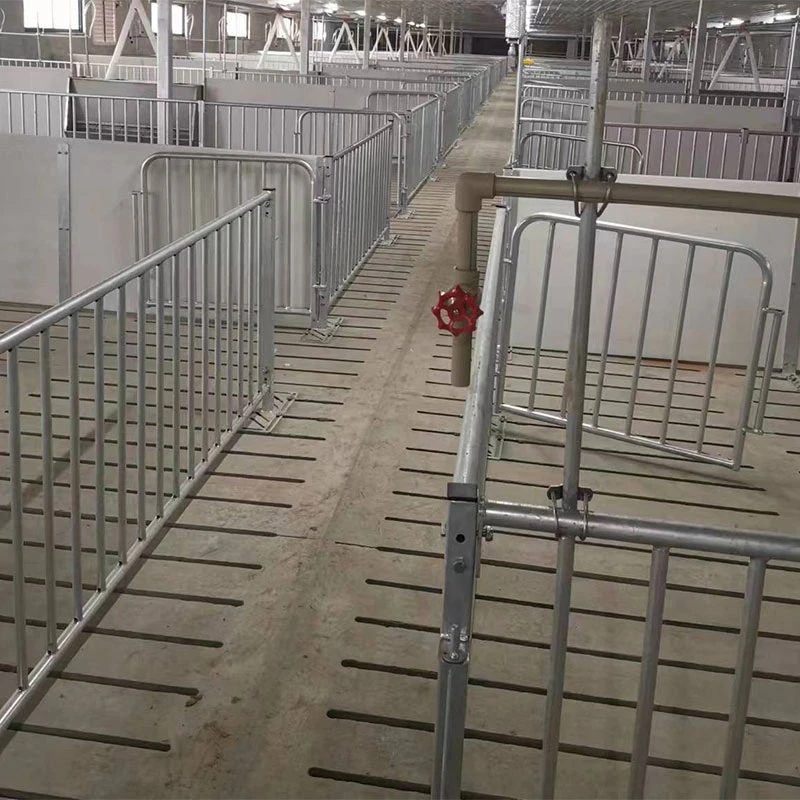
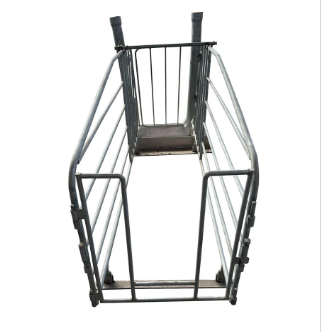
In simple terms, a hog gestation crate is a metal stall designed to house a single pregnant sow for most of her pregnancy, usually about 114 days. The crate restricts movement, just enough to stop the sow from turning around. This setup allows farmers to:
- Control each sow’s feed intake,
- Monitor health daily,
- Protect sows from each other’s aggressive behaviors.
These crates are tied deeply to modern industrial farming’s need to balance space, labor, and animal management—though, as you might imagine, they’re not without controversy.
---
Key Features of Hog Gestation Crates
- Durability: Typically made from galvanized steel, these crates are built to withstand harsh barn conditions and continuous cleaning cycles.
- Size & Design: Sows range in size, and crates are usually 2 meters long and 60 cm wide—enough for the sow to stand or lie down but not to turn around.
- Cost Efficiency: Compared to group housing, these crates can be more economical per sow, reducing injury and feed waste.
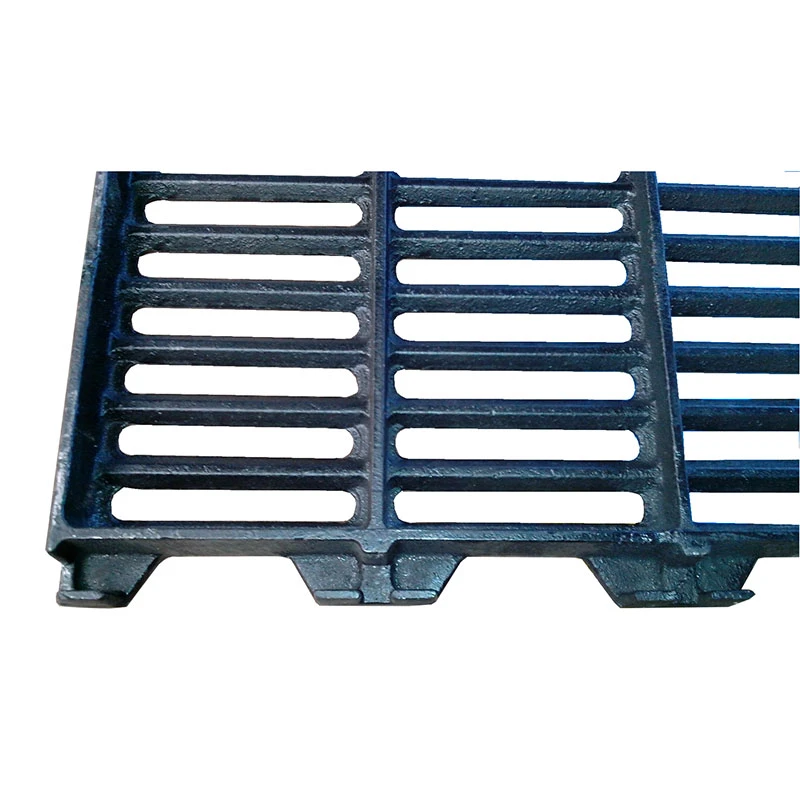
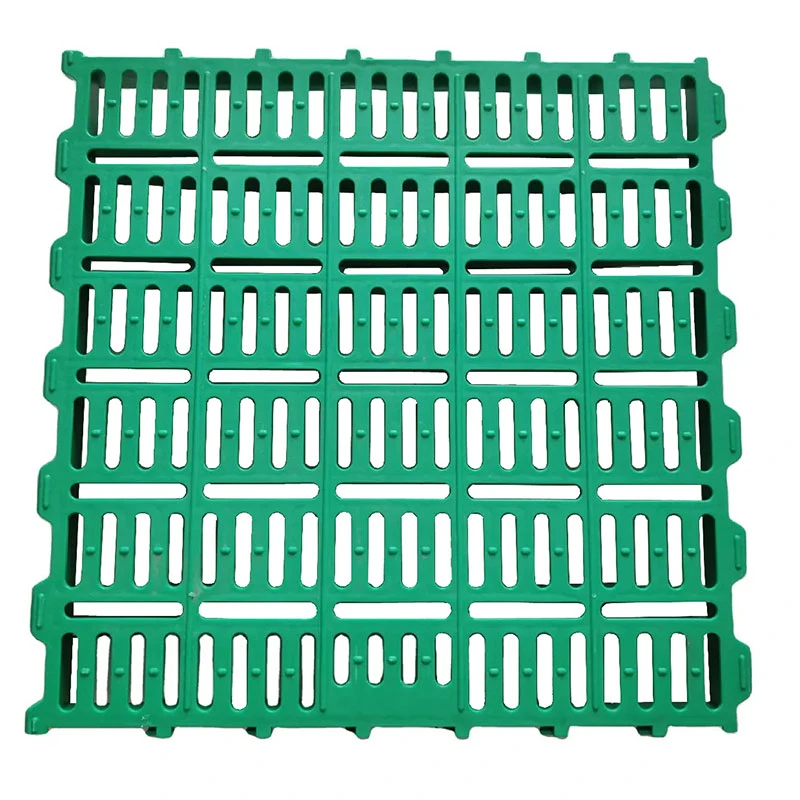
- Ventilation & Hygiene: Most designs allow manure to fall below, facilitating easier cleanliness and reducing disease spread.
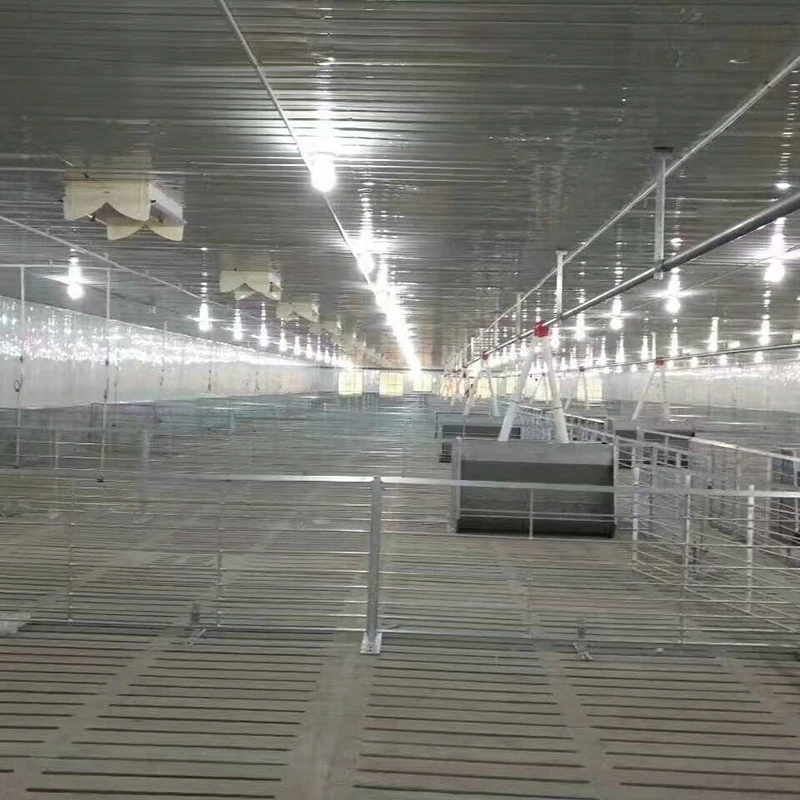
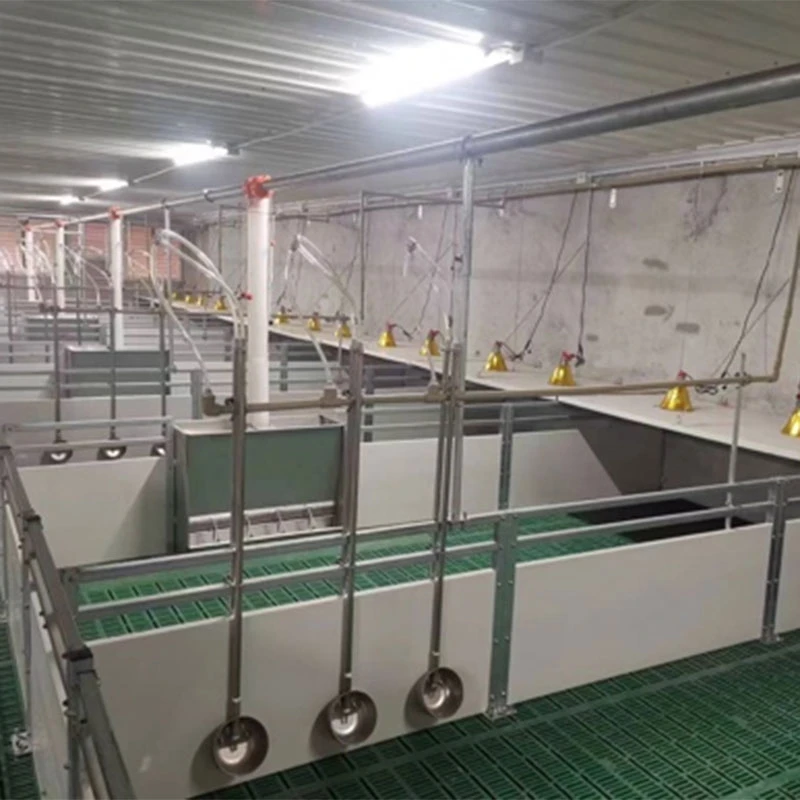
- Scalability: Farms can line up hundreds of crates side by side, making it easier to manage large sow inventories.
- Welfare Considerations: Increasingly, crates have added features like partial bars for some limited movement or bedding space.
Mini takeaway: Understanding these components helps clarify why hog gestation crates remain a popular solution despite rising welfare concerns.
---
Real-World Usage of Hog Gestation Crates: From Midwest America to East Asia
You’ll find hog gestation crates almost everywhere pigs are intensively farmed.
- In the U.S., over half of the breeding sows are kept in crates, mainly due to USDA guidelines and economic factors.
- In Europe, while some countries like Sweden have banned gestation crates completely, many still use them temporarily or during specific pregnancy phases.
- China’s massive pork industry leverages gestation crates heavily to meet expeditious growth, often adapting designs to local farm conditions.
Interestingly, some NGOs and innovation labs are testing alternatives in developing countries to balance animal welfare and farm productivity. Even in remote areas with limited veterinary resources, crates help farmers protect sows from injury. Check out
hog gestation crates to explore adaptable designs that suit various climates and farm sizes.
---
Advantages & Long-Term Benefits That Matter
Why do these crates endure globally, then? For one, they:
-
Enhance Reproductive Success: By controlling the sow’s environment, farmers see improved birth rates.
-
Reduce Injuries and Stress: Without grouping aggression, sows avoid bruises and stress, which can otherwise hurt piglet survival rates.
-
Cut Operational Costs: Feed can be rationed precisely, and veterinary monitoring is simpler.
-
Support Biosecurity: Easier cleaning reduces cross-infection risks.
-
Provide Predictability: For large-scale markets, predictable outputs matter immensely.
Emotionally, though, practitioners often note the tension—balancing efficiency with the drive to care for animals’ dignity. It’s an evolving conversation, really.
---
Emerging Trends & Future Directions in Hog Gestation Technology
The industry is not standing still:
-
Sustainable Materials: Some manufacturers are experimenting with recycled metals or composite plastics to lower environmental impact.
-
Smart Monitoring: IoT sensors now can track sow activity and health indicators in real-time, shifting some husbandry from manual labor to automated alerts.
-
Alternative Housing Models: Group housing and electronic sow feeders aim to improve welfare but still face scale-up challenges.
-
Policy & Certification: ISO animal welfare standards and country-specific bans are pushing innovation faster than ever.
Additionally, electric manure scrapers and solar-powered ventilation systems are becoming more common, helping farms reduce carbon footprints.
---
Common Challenges—and How Experts Are Tackling Them
Let’s be frank: hog gestation crates aren’t perfect. Criticism centers on restricted sow mobility and potential welfare concerns. Some problems in practice are:
-
Sow boredom and stress, leading to stereotypic behavior.
-
Public backlash, pressuring farms to adopt alternatives.
-
Regulatory hurdles, especially in Europe and parts of the US.
Solutions? A mix of design tweaks—like adding “turning spaces” or softer flooring—and integrating welfare audits with productivity metrics. Some farms are trialing “free-farrowing” pens that still protect piglets but allow more movement during gestation.
---
FAQ: Quick Answers to Your Hog Gestation Crate Questions
- Are hog gestation crates the only way to manage pregnant sows?
- Not at all. Alternatives like group housing with electronic feeders exist, but crates remain preferred for disease control and space efficiency on many farms.
- How long does a sow typically stay in a gestation crate?
- Usually the entire pregnancy (~114 days), though in some regions sows are only housed in crates for the first 4-6 weeks after breeding.
- Can hog gestation crates be adapted for better animal welfare?
- Yes. Features like wider stalls, enriched flooring, and partially open bars allow limited movement and reduce stress.
- Are crates regulated or banned anywhere?
- Yes. Sweden, Switzerland, and some US states like California prohibit prolonged use, encouraging industry shifts towards alternatives.
- How do I find certified manufacturers of hog gestation crates?
- Look for suppliers who comply with ISO 9001 and animal welfare certifications, plus those offering customization. Visiting hog gestation crates provides vetted manufacturers.
---
Product Specification Table
| Specification |
Typical Value |
Notes |
| Material |
Galvanized Steel |
Corrosion resistant |
| Dimensions (L x W x H) |
2.0m x 0.6m x 1.1m |
Standard for adult sows |
| Weight Capacity |
Up to 350 kg |
Supports fully grown sows |
| Cleaning Type |
Pressure wash compatible |
Ease of sanitation |
| Additional Features |
Optional bedding supports; sensor mounting points |
Customization available |
Vendor Comparison: Leading Hog Gestation Crate Manufacturers
| Manufacturer |
Product Range |
Customization Options |
Certifications |
Average Lead Time |
| AgriSteel Solutions |
Standard & Welfare-Enhanced Crates |
Width, bedding inserts, sensor packages |
ISO 9001, Animal Welfare Approved |
4-6 weeks |
| Livestock Equip Co. |
Modular Crates, Adjustable Size |
Height, modular add-ons |
ISO 13485 |
6-8 weeks |
| FarmTech Innovators |
Eco-friendly Crates & Sensor Integration |
Custom coatings, IoT-ready |
Animal Welfare Certified, ISO 14001 |
5 weeks |
---
Wrapping Up: Why Hog Gestation Crates Still Matter—and What’s Next
While hog gestation crates might not be everyone’s cup of tea, they’re undeniably a cornerstone of modern pig farming. Their practicality in improving sow management, reducing injuries, and optimizing feed costs keeps them relevant—especially as global demand for pork shows no signs of slowing.
But it’s equally true that consumer expectations, welfare science, and environmental concerns are nudging the industry towards better solutions. From IoT-enabled smart stalls to eco-conscious materials, the future blends tradition with innovation. If you’re curious about the latest in practical, welfare-conscious hog gestation crates, don’t hesitate to explore options at
hog gestation crates.
In real terms, the picture is nuanced and dynamic—kind of like farming itself, where the rain never quite falls as predicted.
---
References
- Food and Agriculture Organization of the United Nations (FAO)
- World Animal Protection
- International Organization for Standardization (ISO)
---