Understanding Hog Pen Flooring: Why It Matters More Than You Think
When we talk about hog pen flooring, it’s easy to shrug it off as just another piece of farm infrastructure. But, in reality, this subtle component plays a critical role globally—not only in animal welfare but also in sustainable farming practices, biosecurity, and even economic stability for farmers worldwide. Understanding the ins and outs of hog pen flooring means grasping how we can optimize livestock management, reduce environmental impact, and improve animal health.
In this overview, we’ll unpack what hog pen flooring really entails, why it matters from a global perspective, and outline key benefits that any livestock producer or industry stakeholder would find valuable.
The Global Context: Why Hog Pen Flooring Is Crucial
Livestock farming is no minor endeavor — according to the UN’s Food and Agriculture Organization (FAO), approximately 1.3 billion people depend on livestock for their livelihoods. With the pork industry holding a sizable slice of this pie, ensuring efficient and hygienic hog pen flooring impacts feeding millions. A World Bank report notes that improving farm infrastructure, including animal housing and flooring, can boost productivity by up to 15% in developing nations.
The problem? Many small and medium farms still rely on poor-quality or traditional dirt floors, inviting disease, waste buildup, and unsafe footing for animals and workers alike. In some regions, flooding and poor drainage make matters worse, deteriorating flooring rapidly and escalating maintenance costs.
So, here’s the challenge these communities face: how to balance cost, durability, and hygienic conditions while boosting productivity sustainably? Hog pen flooring, in its modern or innovative forms, is increasingly part of the solution.
What Exactly Is Hog Pen Flooring?
At its core, hog pen flooring is the surface on which pigs live, eat, move, and rest. Traditionally, this might have been simple dirt or concrete slabs. But modern hog pen flooring often involves engineered materials designed to improve durability and animal welfare.
This flooring connects closely with livestock science, biosecurity protocols, and environmental concerns. For instance, proper slatted floors facilitate waste removal, which reduces ammonia build-up and disease transmission. In humanitarian contexts or post-disaster relief setups, modular or rapidly deployable hog pen floors enable quick, sanitary pig housing to rebuild livelihoods.
Key Components That Make Hog Pen Flooring Work
1. Durability and Material Quality
Hog pen flooring endures constant wear from pigs’ sharp hooves and heavy movement. Materials like reinforced concrete, plastic composites, or treated metal alloys are popular because they withstand abrasion and resist moisture damage. In some regions, farmers experiment with recycled plastic slats for both longevity and eco-friendliness.
2. Hygiene and Waste Management
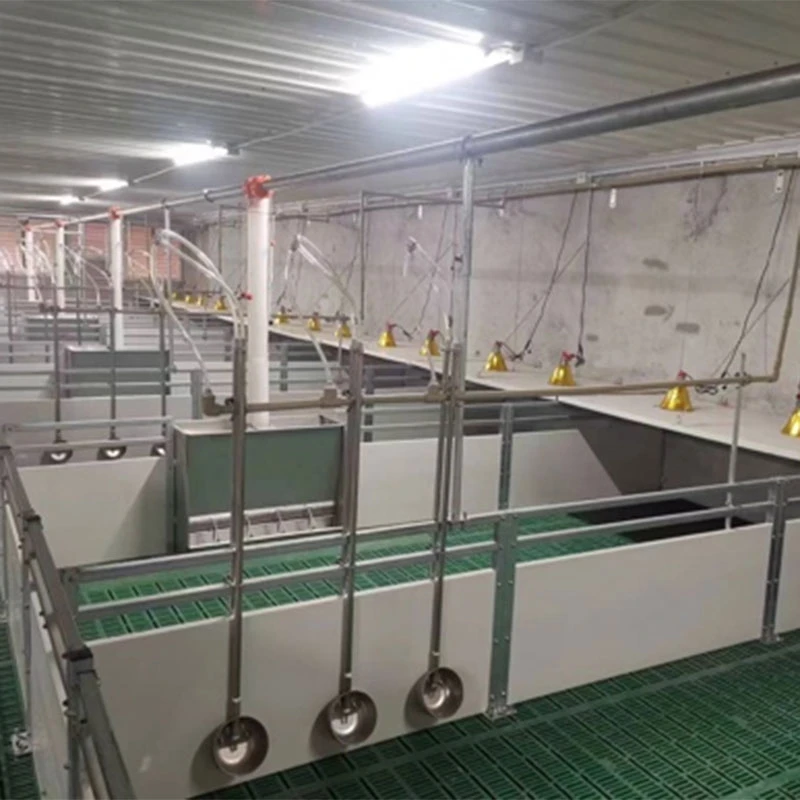
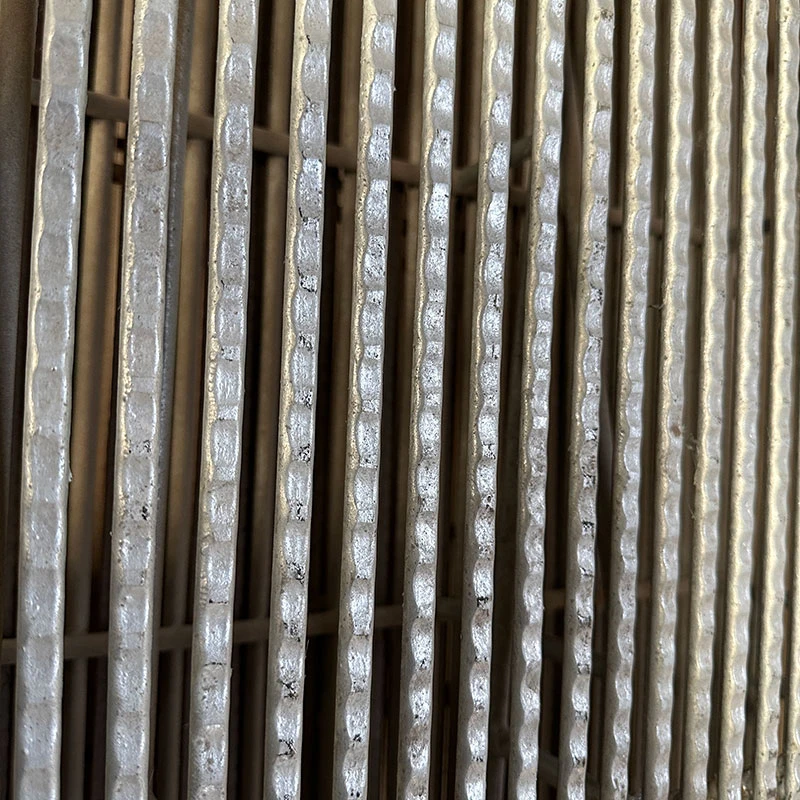
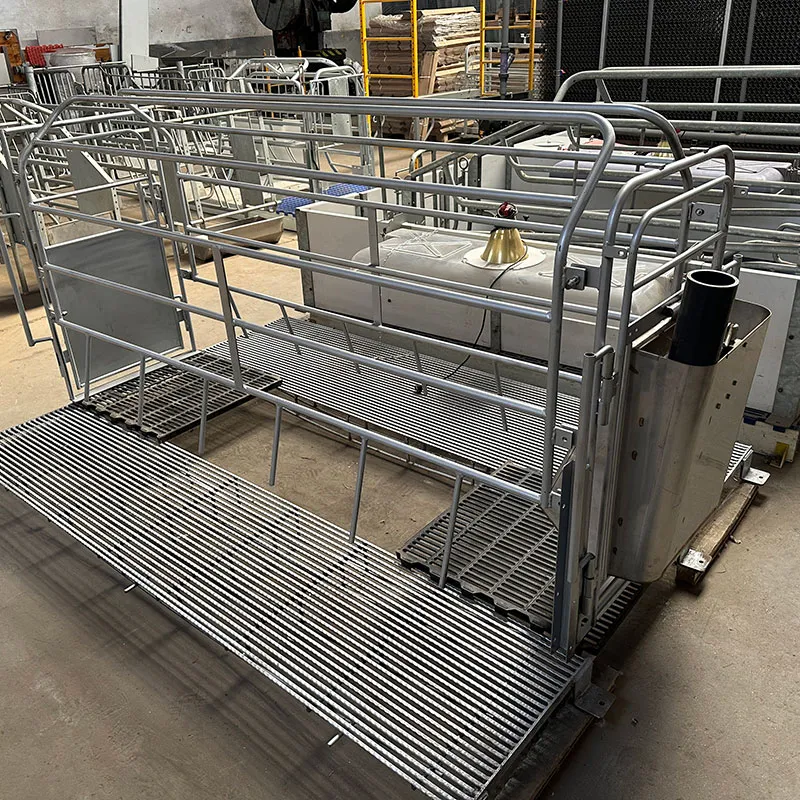
One of the biggest advantages of well-designed flooring is improved waste drainage and cleaning. Slatted floors with proper gaps allow manure to fall through to holding pits, limiting direct contact and odor. This reduces disease risk, making the entire animal environment safer.
3. Cost Efficiency
Initial investment and ongoing maintenance costs can be a headache. Ideally, hog pen flooring balances affordability with long-term reliability. Many producers lean toward modular systems that are cheaper to replace or upgrade.
4. Animal Comfort and Welfare
Floors with rough enough textures prevent slips but soften impact on sensitive hooves. Some farmers add rubber mats or specialized coatings to reduce foot injuries, which improves growth rates and animal behavior.
5. Scalability and Adaptability
Commercial farms grow and change constantly, so flooring needs to be adaptable. Modular flooring panels that snap together offer scalability, while easy disassembly helps in cleaning, relocation, or seasonal modifications.
Mini takeaway: The blend of durability, hygiene, cost efficiency, animal comfort, and scalability shapes effective hog pen flooring. Ignore any one, and problems creep in faster than you expect.
Real-World Applications of Hog Pen Flooring Across the Globe
In North America and parts of Europe, industrial pig farms lean heavily on slatted concrete or plastic modular floors for optimized production. These setups integrate with automated manure cleaning systems, dramatically reducing labor.
In Southeast Asia and parts of Africa, NGOs deploy prefabricated hog pen flooring kits during post-disaster relief to help smallholders restart pig farming fast — like after floods or typhoons. These kits often feature lightweight, rot-resistant plastic floors that assemble quickly without specialized tools.
Even in remote industrial mining zones that utilize hogs for organic waste management or local feeding, portable and resilient flooring like composite panels is in demand.
The versatility is impressive: from high-capacity commercial barns to small backyard operations, each adapts flooring solutions to match local climate, materials access, and animal density.
Advantages and Long-Term Value of Investing in Quality Hog Pen Flooring
- Cost Savings Over Time: Less frequent repairs, reduced disease outbreaks, and efficient manure handling lower operational costs.
- Environmental Sustainability: Improved waste management means less runoff pollution affecting surrounding soil and water.
- Enhanced Animal Welfare: Healthy, comfortable pigs grow better, improving both yield and ethical standards.
- Worker Safety and Productivity: Non-slip, clean surfaces reduce injuries and facilitate smoother daily tasks.
More than just economics, good flooring builds trust — in customers, certifying bodies, and local communities. It’s surprisingly emotional, even: knowing animals have a better life feels rewarding for those involved.
Product Specification Table
| Specification | Typical Value | Notes |
|---|---|---|
| Material | Reinforced Concrete / HDPE Plastic | Plastic preferred for portability |
| Floor Type | Slatted / Solid | Slatted floors aid drainage |
| Slat Gap Width | 18-22 mm | Optimal to avoid hoof injuries |
| Load Capacity | 200-500 kg/m² | Varies by design |
| Maintenance Frequency | Annual inspection & cleaning | More often in humid areas |
Vendor Comparison: Popular Hog Pen Flooring Providers
| Vendor | Material | Price Range (per m²) | Lead Time | Special Features |
|---|---|---|---|---|
| AgriFloors Inc. | Reinforced Concrete | $20 - $30 | 4-6 weeks | Heavy-duty, customizable patterns |
| PolySlat Solutions | HDPE Plastic | $18 - $28 | 2-3 weeks | Lightweight, quick assembly, eco-friendly |
| FarmGrid Systems | Composite Material | $22 - $32 | 3-4 weeks | Anti-slip surface, modular panels |
Future Trends & Innovations in Hog Pen Flooring
Looking ahead, the hog pen flooring scene is slowly but surely embracing smart and green technologies. Some companies are experimenting with IoT-enabled floors that track pig movement and health metrics, merging animal welfare with digital farming. Biodegradable composite materials might reduce plastic waste while maintaining durability.
On the policy side, stricter environmental standards (think ISO 14001-like certifications) are pushing farms to invest in flooring that better handles waste minimization and reduces water contamination risk. There’s also talk about integrating renewable energy systems — for example, methane capture from manure pits beneath slatted floors — to power farm operations.
Recognizing Challenges and Exploring Practical Solutions
Despite all the progress, some common obstacles remain. Installation costs can hinder smallholders, and certain flooring materials don’t adapt well to extreme climates — especially regions with flooding or severe cold. Maintenance access is sometimes tricky, requiring better design integration.
Engineers often recommend modular systems for quick repair and upgrades. Meanwhile, NGOs working in disaster zones favor lightweight plastic slats for rapid deployment. Innovative coatings that resist bacterial buildup promise to improve hygiene.
FAQ: Common Questions About Hog Pen Flooring
Q1: What are the best flooring options for small-scale farms on a budget?
A1: For smaller operations, HDPE plastic slatted floors offer an affordable, lightweight, and hygienic option. They require less initial investment than reinforced concrete and can be installed without heavy machinery. The modular nature helps with phased upgrades too.
Q2: How often should hog pen flooring be inspected and maintained?
A2: Routine inspection at least once a year is recommended, focusing on cracks, slat integrity, and drainage efficiency. Areas with high humidity or dense animal populations may require cleaning and maintenance more frequently to prevent disease risks.
Q3: Can hog pen flooring reduce disease spread among pigs?
A3: Absolutely. Floors designed with proper slatting help separate animals from their waste, lowering pathogen contact. Combined with good ventilation and cleaning, this significantly reduces the chance of diseases like swine dysentery.
Q4: Are modular flooring systems easy to transport for temporary setups?
A4: Yes, modular flooring systems, especially plastic ones, are ideal for temporary or seasonal use due to their light weight and ease of assembly/disassembly. They’re commonly used in relief or research operations.
Wrapping It Up: Why Investing in Quality Hog Pen Flooring Pays Off
Hog pen flooring might not be the flashiest topic in livestock management—but its influence ripples outwards, affecting animal health, farm productivity, environmental impact, and even cultural practices in food production worldwide. Choosing the right flooring system is a smart, future-proof decision that blends science with practical farming realities.
If you’re seeking reliable and efficient hog pen flooring solutions, check out our latest offerings here. After all, a solid foundation starts from the ground up—sometimes literally.
References:
Post time: Dec . 02, 2025