Understanding Cow Stall Size: Why It Matters Globally and Practically
When you first hear “cow stall size,” it probably sounds like some niche agricultural detail—right? But in reality, this concept has far-reaching implications for animal welfare, dairy productivity, and even global food security. Understanding the right cow stall size isn’t just about comfort for the animals — it impacts manure management, farm efficiency, and sustainability worldwide.
With more than 270 million dairy cows on the planet (FAO, 2023), optimizing stall dimensions is a surprisingly impactful lever to improving health outcomes and milk yields. Plus, in developing countries or regions hit by climate change, proper stall design plays a role in resilience and resource conservation.
Mini takeaway: Cow stall size is a deceptively simple measure that affects animal welfare, productivity, and sustainability worldwide.
Global Context: Why Cow Stall Size Is Gaining Attention
Here’s a little industry snapshot: The global dairy market is expanding, projected to hit a staggering USD 645 billion by 2027 (Statista, 2024). With growth comes pressure to maintain animal welfare standards across diverse environments, from North America’s mega-dairies to small-scale farms in Sub-Saharan Africa.
Badly sized stalls can cause injury, stress, and even reduced milk quality. According to the International Organization for Standardization (ISO 3456), recommended stall dimensions vary depending on cow size and breed but generally range between 1.2 to 1.5 meters in width and 1.4 to 2.4 meters in length.
The real challenge for producers is balancing maximized herd density with animal well-being, a tension felt acutely in regions struggling with land and resource shortages.
Mini takeaway: Cow stall size is a key issue at the intersection of dairy industry growth and animal welfare regulations worldwide.
What Exactly Is Cow Stall Size?
Simply put, cow stall size refers to the physical dimensions of the space provided for a cow to lie down comfortably in a barn or housing system. This includes width, length, and sometimes height clearance specific to the animal’s size.
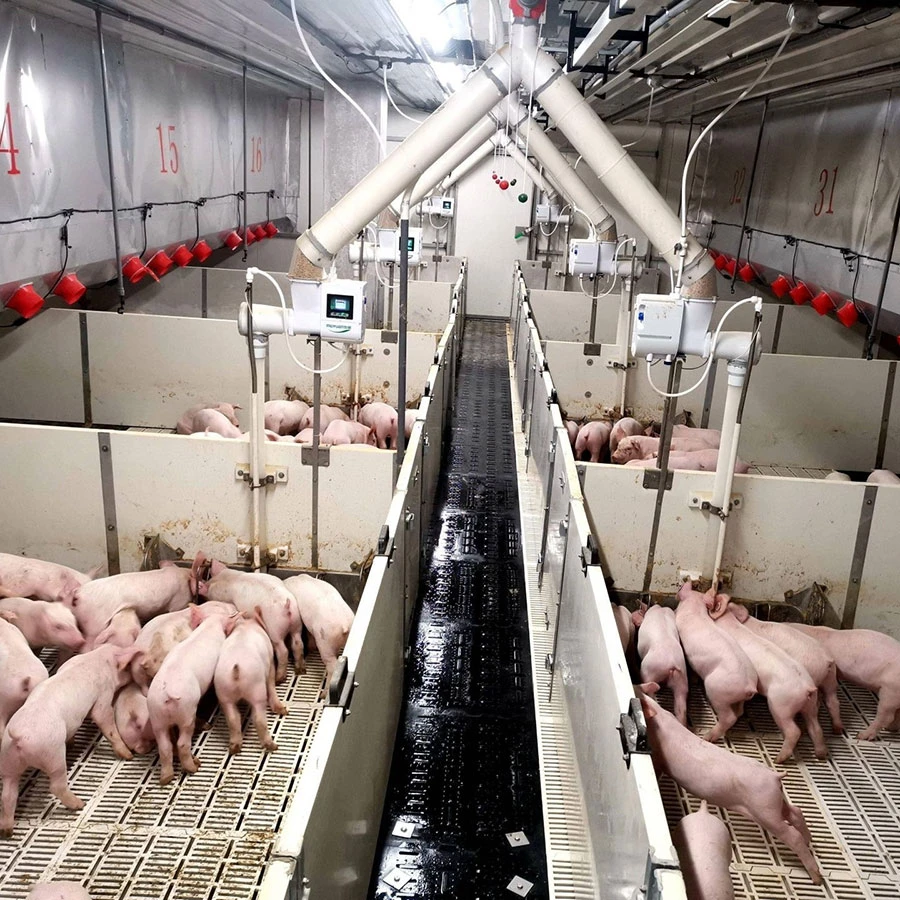
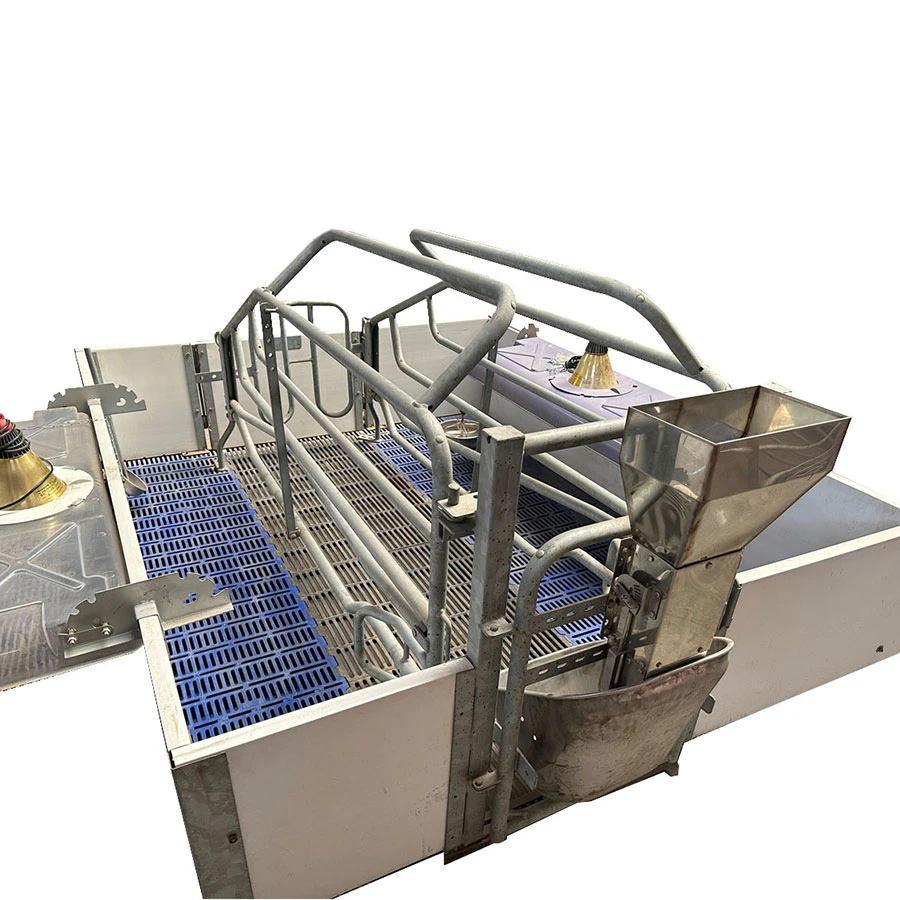
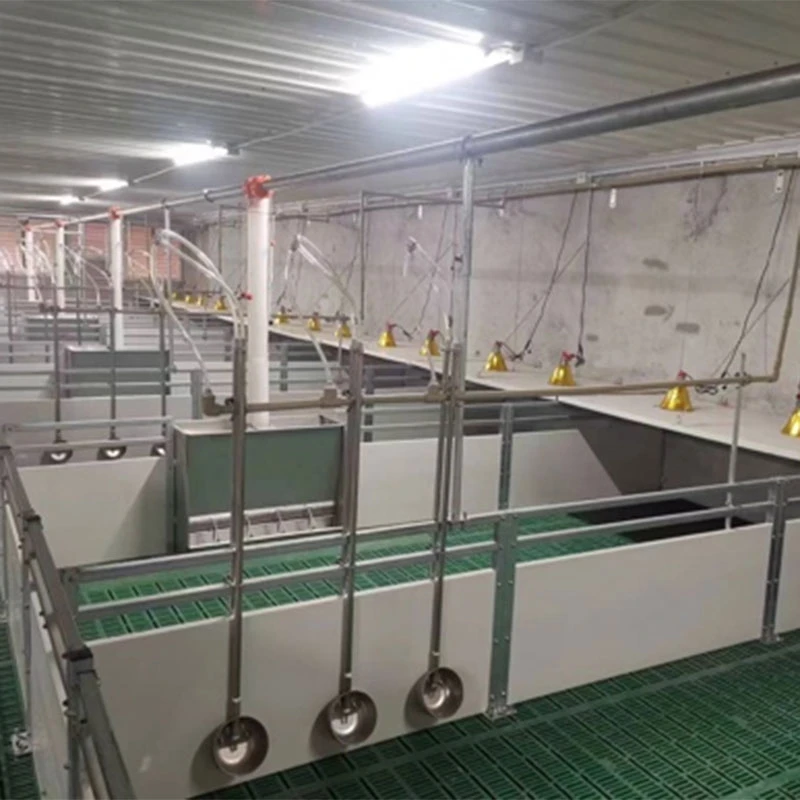
It’s connected tightly to modern husbandry practices. With the rise of confined housing systems—like free-stall barns and tie-stalls—the stall size directly affects the cow’s ability to rest, rise, and move without injury or stress.
Nowadays, the conversation often leans into how stall dimensions impact cow behavior, hygiene (think: better manure management), and even dairy output.
Mini takeaway: Cow stall size = the physical “home” footprint for one cow, crucial in modern intensive farming setups.
Key Factors Determining Optimal Cow Stall Size
1. Animal Size and Breed Variations
The first factor is obviously the size of your average animal. Jerseys and Holsteins—two common dairy breeds—have widely different dimensions. Holsteins, which dominate US and European dairies, often require wider, longer stalls.
2. Stall Design and Layout
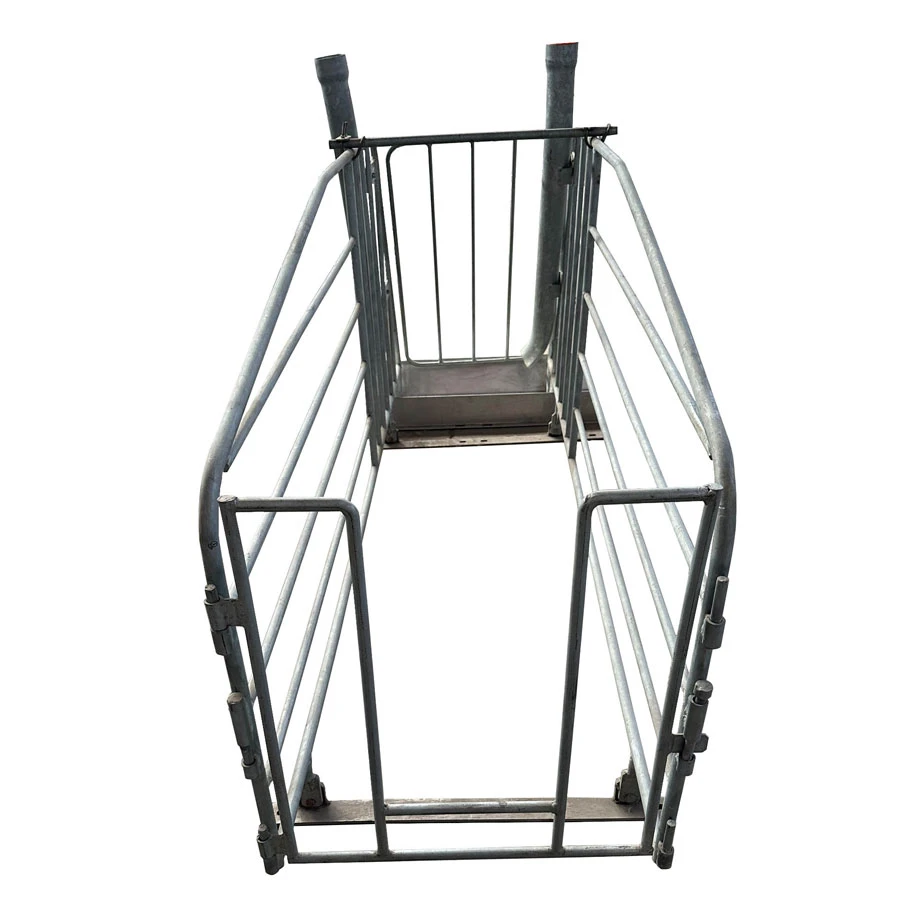
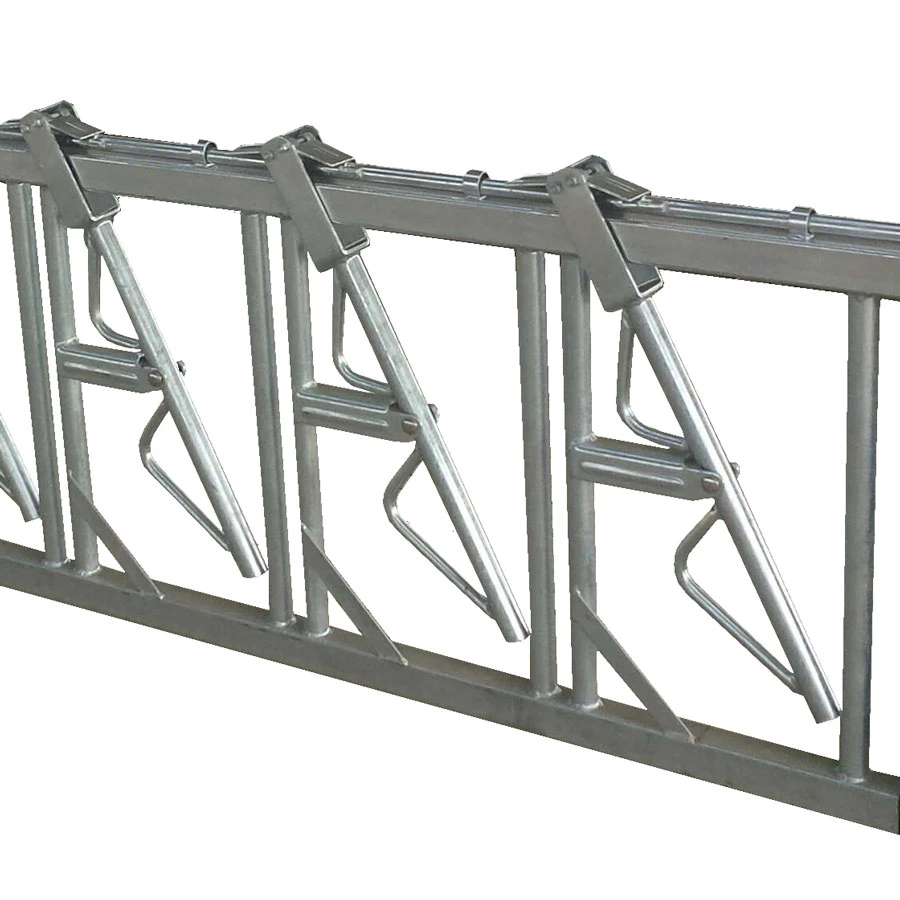
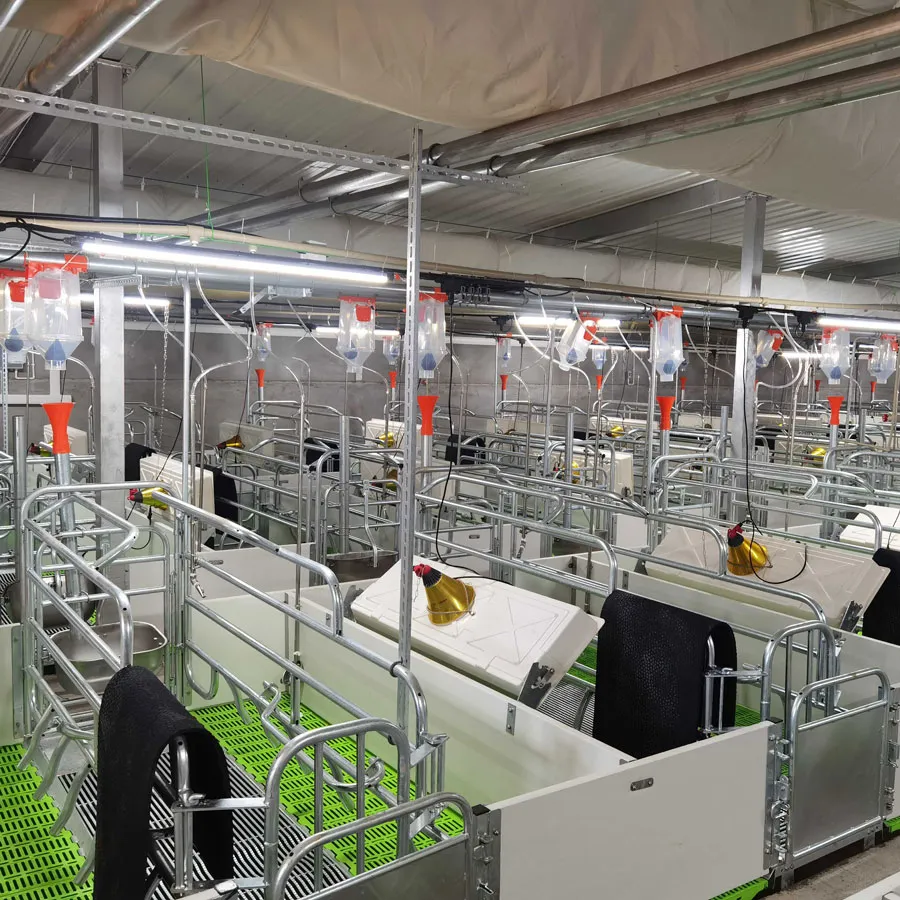
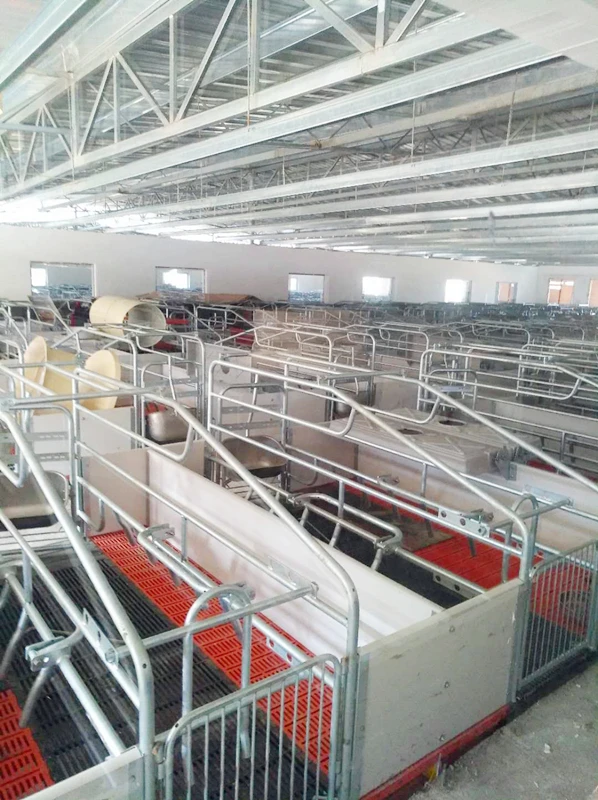
Stalls come in different flavors: free stalls, tie-stalls, compost bedded, etc. Each design influences the ideal stall size. For example, free stalls need enough space for cows to lie down and get up without hassle, which directly relates to stall width and length.
3. Flooring and Bedding Material
Believe it or not, the kind of bedding changes how much “usable” space a cow needs. Softer bedding materials like sand or compost can allow for slightly smaller dimensions due to better joint cushioning.
4. Ventilation and Barn Environment
A well-ventilated barn will reduce humidity and heat stress, meaning that cows might need less space to keep clean and dry. While not a direct dimension factor, proper barn environment complements stall design to promote comfort.
5. Cost and Space Efficiency Considerations
Increasing stall size often means fewer cows per barn, which impacts economics. Striking a balance between cow comfort and farm profitability is a long-standing challenge.
Mini takeaway: Many variables—from breed to bedding—affect what cow stall size is “optimal.” There’s not a one-size-fits-all solution.
Product Specification: Typical Cow Stall Size Dimensions
| Specification | Recommended Range | Notes |
|---|---|---|
| Stall Width | 1.2 m – 1.5 m | Depends on breed size (e.g., Jerseys smaller) |
| Stall Length | 1.8 m – 2.4 m | Longer stalls improve cow comfort |
| Bedding Depth | 10 – 20 cm | Recommended for good cushioning |
| Neck Rail Height | 1.1 m – 1.3 m | Prevents forward movement, aids cleanliness |
Global Applications: How Cow Stall Size Shapes Dairy Farming Worldwide
From the expansive dairies of Wisconsin to smallholder farms in India, cow stall size impacts productivity and welfare everywhere dairy cows are housed indoors.
- North America & Europe: Large-scale farms invest in adjustable stalls with precision layouts to maximize both comfort and space efficiency.
- Developing Regions: Limited resources and space mean stalls are often smaller, sometimes resulting in welfare trade-offs. NGOs working here leverage design improvements to upgrade conditions rapidly.
- Post-Disaster Zones: Temporary shelters for livestock rely on modular, flexible stall sizes to protect cattle displaced by floods or droughts.
For example, a Canadian dairy cooperative recently reported a 7% increase in milk yields after resizing stalls to better fit their Holstein herds. It’s not just numbers; it’s real-life well-being and profit margins intertwined.
Mini takeaway: Effective cow stall sizing is a global concern impacting economies, animal health, and disaster resilience alike.
Why Investing in Proper Cow Stall Size Pays Off
- Health Benefits: Proper stall size reduces lameness and joint injuries, making cows less prone to infections.
- Sustainability: Efficient stalls contribute to better manure management, reducing farm pollution and greenhouse gas emissions.
- Economic Gains: Happier cows produce higher quality milk. Optimal stall size is a simple productivity hack.
- Social Impact: Meeting animal welfare standards builds consumer trust and opens access to premium markets.
Frankly, when farmers see better yields and lower vet bills, they realize a bigger stall is more than just a “nice to have.” It’s a smart long-term investment.
Vendor Comparison: Stall Size Solutions in the Market
| Vendor | Adjustability | Materials & Durability | Price Range | Ideal Use Case |
|---|---|---|---|---|
| AgriComfort Systems | Modular, easy resize | Galvanized steel, UV-resistant panels | $$$ | Commercial dairies, high density |
| EcoBarn Solutions | Fixed dimensions, certified ISO standards | Recycled plastics and metal alloys | $$ | Sustainable farms, developing markets |
| FlexiSTALL Pro | Highly customizable, smart sensor integration | Stainless steel, antimicrobial coating | $$$$ | Tech-forward dairies, research farms |
Future Trends: What’s Next for Cow Stall Size?
Innovation is marching in, kind of at a dairy barn’s pace but definitely moving nonetheless. We’re seeing trends like integrated sensor tech monitoring cow behavior linked to stall size comfort, and automation that can adjust partitions based on cow size in real time.
Eco-friendly materials are also gaining traction—biodegradables and recycled composites replacing traditional metals to reduce environmental footprints. Plus, as data-driven farming grows, there’s promising potential to customize stall sizes per herd and individual cow health monitoring.
Challenges and Smart Solutions in Optimizing Cow Stall Size
Still, no farm magically solves stall sizing issues overnight. Common challenges include limits on barn space, budget constraints, and lack of knowledge about the best design standards.
Some farms use 3D modeling and herd behavior assessments to tailor stall designs. Other solutions involve rethinking barn layout entirely or adopting modular systems for scalability. It’s a mix of engineering, animal science, and pragmatism.
FAQ: Frequently Asked Questions About Cow Stall Size
- What is the ideal cow stall size for Holstein cows?
- The generally recommended stall width for Holstein cows is about 1.3 to 1.5 meters, while length should range from 2.1 to 2.4 meters to allow comfortable lying down and rising. Bedding and barn design also influence exact dimensions.
- Can improper stall size affect milk production?
- Yes, stalls that are too small or poorly designed can cause stress, injuries, or discomfort, which negatively impact milk yield and quality. Ensuring cows have enough room to rest is essential for maintaining productivity.
- Are adjustable or modular stalls worth the extra cost?
- Many producers find adjustable stalls beneficial, especially if they manage mixed herds or anticipate herd size changes. Though costlier initially, modular designs improve animal welfare and flexibility.
- How do regional climates affect cow stall design?
- Regions with high humidity or heat often require larger stall dimensions to improve ventilation and reduce disease risk. Conversely, colder climates might prioritize insulation but still maintain adequate space.
- Where can I learn more about best practices for cow housing?
- Trusted resources include the Food and Agriculture Organization (FAO), International Dairy Federation (IDF), and various agricultural extension services. Also, industry websites such as cxlivestock.com offer valuable guidance tailored to stall dimensions.
Wrapping It Up: The Long-Term Value of Getting Cow Stall Size Right
To put it plainly, paying attention to cow stall size touches everything from animal dignity to bottom-line returns on dairy farms. As standards tighten and consumers demand transparency, investing in appropriate stalls is no longer optional but essential. It creates a win-win for farmers, cows, and sustainable food systems.
If you want to dive deeper or upgrade your barn layouts, be sure to check out our website — full of resources and expert-backed designs to optimize your livestock environment.
References
- Food and Agriculture Organization of the United Nations (FAO). (2023). Dairy production statistics. Retrieved from https://www.fao.org
- International Organization for Standardization. (ISO 3456). Animal housing dimensions standards.
- Statista. (2024). Global dairy market forecast. Retrieved from https://www.statista.com
Post time: Nov . 27, 2025