Why Every Cattle Operation Needs to Understand the Cattle Headlock Gate
Managing livestock effectively isn’t just about feeding and sheltering animals — it’s a daily challenge balancing animal welfare, worker safety, and operational efficiency. Enter the cattle headlock gate, a deceptively simple tool with vast impact worldwide. Understanding this device means better handling of cattle, fewer injuries, and ultimately a smoother, more humane cattle raising process. And with global beef production steadily increasing (the UN's FAO reports over 330 million metric tons annually), every piece of equipment that streamlines farm work counts.
But why specifically the cattle headlock gate? Because it addresses key bottlenecks: safely restraining animals for medical checks or feeding, promoting calmer livestock management, and easing labor burdens. Plus, it dovetails nicely with global goals around sustainable agriculture and animal welfare. Here’s a look deeper into what this is all about.
Global Context: The Growing Demand for Efficient Cattle Handling
Globally, cattle farming is undergoing transitions. According to the FAO, improved livestock management can boost yields while reducing environmental impact. Meanwhile, workers in their thousands face risks daily managing unruly cattle without proper equipment.
A cattle headlock gate is especially relevant where large herds (think South America, Australia, the US Midwest) are run commercially. In such environments, efficient gating equates to less injury, faster processing, and more consistent production. Plus, reports from ISO on agricultural machinery stress the need for standardized, safe livestock equipment — a role these gates neatly fulfill.
Frustratingly, many farms still rely on crude methods, risking accidents or stressing animals unnecessarily. With soil degradation and climate challenges mounting, anything that improves livestock handling while maintaining animal comfort is coming into sharper focus.
What Exactly Is a Cattle Headlock Gate?
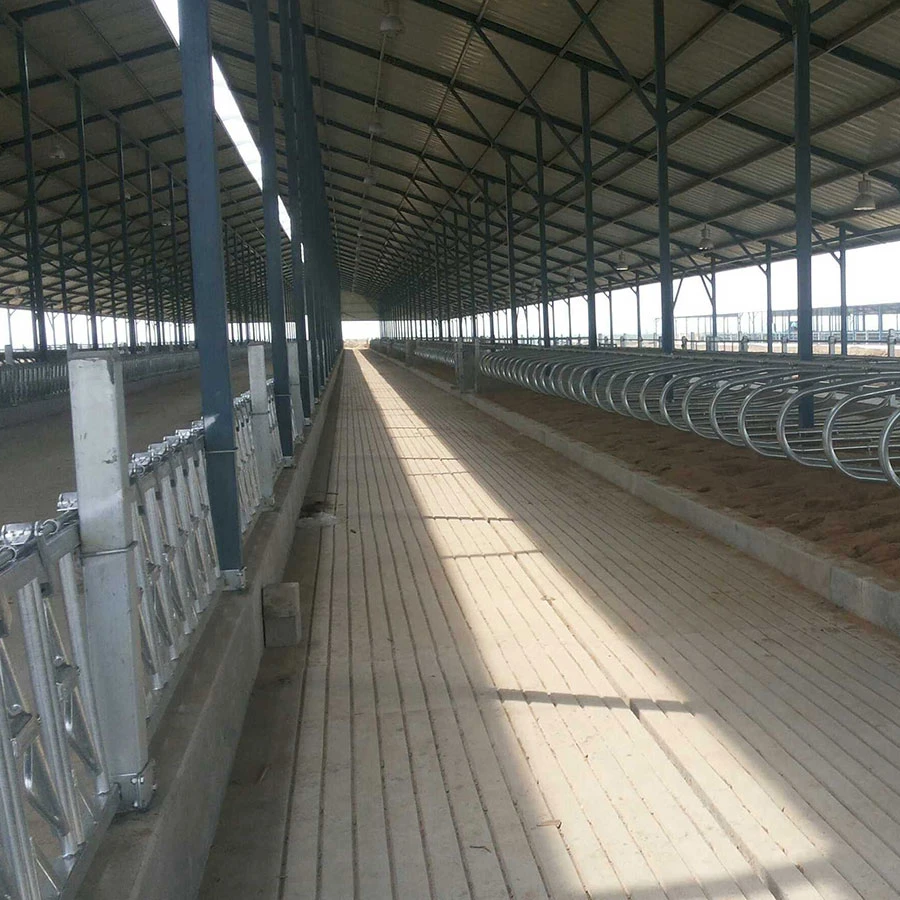
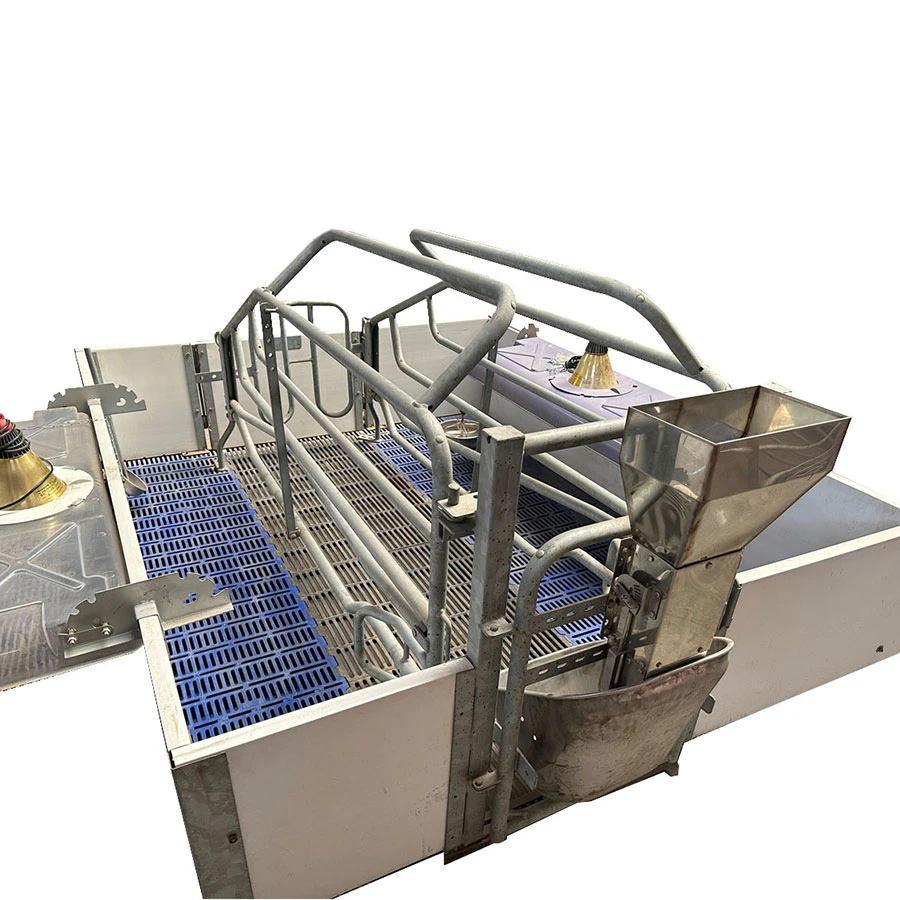
So, simply put—a cattle headlock gate is a specialized fence gate with locking mechanisms designed to individually secure the heads of cattle. Imagine a horizontal bar hinged to "lock" the head in place gently but firmly, so the animal can be safely held for procedures like vaccinations, tagging, or controlled feeding.
They’re often part of a larger chute or corral system but uniquely designed to relieve stress — both on animals and handlers. By making selective restraint easier, cattle headlock gates contribute to welfare and efficiency in modern farming systems, blending old-style herding with new-age tech and safety concerns.
Key Components & Features of Cattle Headlock Gates
Durability
Steel frames, galvanized or powder-coated finishes, and UV-resistant coatings means these gates endure harsh weather and rough use. I’ve seen gates last well over a decade with minimal degradation, which translates directly into value — every farmer knows a broken gate costs more than just the repair.
Safety & Animal Comfort
Surprisingly, the best gates are designed with rounded edges and smooth locking action that prevents injury to cattle. This improves calmness — stressed animals mean slower throughput and potential injury. A gentle but firm lock keeps animals steady without panic.
Scalability & Modularity
These gates aren't one-size-fits-all. You can add or remove sections based on herd size or operational needs. Some designs link with various chute systems or automated feeders — meaning you can build a whole integrated setup gradually.
Ease of Use
Many operators swear by simple, manual locking levers that don’t require much strength or training. Less fumbling means faster work and fewer risks on busy farms.
Cost Efficiency
Initial investment varies but often pays for itself in reduced labor and injury costs. Plus, modular design means you’re not forced into large upfront purchases, allowing phased upgrades.
Mini takeaway: When picking a cattle headlock gate, look for toughness, gentle restraint, scalability, and straightforward operation. Each factor is a real-world gain in daily herd management.
Global Applications & Real-World Use Cases
The cattle headlock gate is everywhere—from large industrial farms in the US and Brazil to mid-size family operations in New Zealand and South Africa. For example, in Australia, where cattle graze vast ranges with minimal handling, these gates make brief check-ups safe and efficient. Meanwhile, in parts of Africa, NGOs use portable headlock gates to manage vaccination campaigns during disease outbreaks.
Oddly enough, some veterinary research stations employ these gates not only for handling but to study stress levels and behavior, showing how integral they’ve become in modern livestock science.
In disaster relief zones, where livestock must be quickly tended or moved, portable cattle headlock gates facilitate streamlined emergency care — a crucial secondary benefit beyond routine farm use.
Advantages and Long-Term Value of Using a Cattle Headlock Gate
- Safety first: for animals and workers alike, injury risk drops dramatically.
- Labor savings: smaller teams can manage larger herds without added stress or delays.
- Improved animal welfare: reducing stress during handling improves health and growth.
- Cost efficiency: durable materials and modular builds keep replacement and operation costs low.
- Trust & control: gaining better control over cattle builds operator confidence in handling tough animals.
It’s funny how something as simple as a locking mechanism can shift an entire operation’s mood. Farmers tell me how a new gate transformed their workflow — less yelling, less running after cattle, more calm in the air. That’s long-term value you can’t quite put a price on.
Future Trends & Innovations in Cattle Headlock Gates
Looking ahead, I’m seeing a slow-but-steady weave of technology into these traditional systems. Automated locking systems synced with RFID tags for individual cattle management are gaining ground, especially in high-tech farms. Then there’s the push towards eco-friendly materials—recycled metals and even composites that reduce corrosion and weight.
Also, some manufacturers are experimenting with solar-powered monitoring — cameras or sensors that track animal behavior while cattle are locked, linking data with health records. It’s all about blending sustainability, digital transformation, and better care.
Challenges & Practical Solutions
Of course, no system is perfect. Some farms resist switching to headlock gates due to upfront costs or a distrust of “complex” equipment. Also, poorly designed or cheaply made gates can harm animals or break easily, eroding trust.
Expert behaviorists recommend thorough staff training combined with gradual adoption — starting with small sections to prove effectiveness. Quality certification also matters. Fortunately, many suppliers provide hands-on support and manuals, easing these transitions.
Product Specification Table: Typical Cattle Headlock Gate Features
| Feature | Specification | Notes |
|---|---|---|
| Material | Galvanized steel / Powder-coated steel | Corrosion & UV resistant |
| Gate Length | 1200mm - 1500mm | Adaptable to chute width |
| Locking Mechanism | Manual lever or semi-automatic latch | Designed for quick, safe use |
| Weight | 30 - 40 kg | Portable but sturdy |
| Finish | UV protective paint / Galvanized coating | Longevity in outdoor conditions |
Vendor Comparison Table: Leading Cattle Headlock Gate Manufacturers
| Vendor | Price Range (USD) | Material Quality | Customization Options | Warranty |
|---|---|---|---|---|
| FarmSafe Equipment | $250 - $400 | High-grade galvanized steel | Adjustable gate sizes and locking | 3 years |
| AgriLock Solutions | $300 - $450 | Powder-coated steel | Modular panels, RFID integration | 5 years |
| LivestockTech Systems | $275 - $350 | Galvanized steel with rubber coatings | Semi-automatic latches, custom sizes | 4 years |
Frequently Asked Questions About Cattle Headlock Gates
- Q: How does a cattle headlock gate improve safety for workers?
- A: By securely restraining cattle heads, these gates minimize sudden head movements and unpredictable reactions, reducing worker injuries during treatments or tagging. The design ensures animals remain calm, cutting risk factors typically involved in manual handling.
- Q: Can cattle headlock gates be used in small-scale farms with limited budgets?
- A: Absolutely. Many gates are modular and affordable enough to start small. Additionally, improved handling efficiency saves labor costs and reduces animal stress — often paying off the initial investment over time.
- Q: What materials are best for cattle headlock gates in humid climates?
- A: Galvanized steel or powder-coated metal finishes are ideal, protecting against rust and corrosion. Some vendors offer added UV and moisture-resistant coatings for tropical or coastal environments.
- Q: Are there portable options for temporary cattle handling setups?
- Yes, lightweight, modular gates are designed for easy transport and assembly, perfect for vaccination drives, temporary corrals, or disaster relief scenarios.
- Q: How often should maintenance be performed on these gates?
- Routine checks every 3-6 months are recommended to inspect locks and hinges. Lubricating moving parts assures smooth operation and increases lifespan significantly.
Conclusion: A Must-Have for Modern Cattle Management
To wrap up, adopting a cattle headlock gate is more than just installing a piece of equipment — it’s embracing a whole philosophy of safer, more humane, and more efficient cattle handling. Across varied climates and scales, these gates deliver tangible benefits, from lowering injury rates to supporting animal welfare standards. If you’re looking to improve herd management or simply make daily operations easier, this device is one of the smartest investments you can make.
Don’t just take my word for it; experience the difference yourself. Visit our website for detailed product options and expert support at: cattle headlock gate.
— Thanks for reading, and here’s to smoother livestock days ahead!
References
Post time: Nov . 29, 2025