Why Cow Headlock Design Matters — A Quick Overview
When you hear “cow headlock design,” it might sound niche or even boring at first. But here’s the thing — this concept plays a crucial role in livestock management globally, affecting everything from animal welfare to farm productivity. Understanding it means better safety for handlers, less stress for cows, and smoother farm workflows. Plus, with growing demand for sustainable and ethical livestock practices worldwide, the design and optimization of headlocks are more relevant than ever.
To put it simply, a well-crafted headlock helps farmers secure cows’ heads safely and efficiently, enabling routine care like vaccinations, feeding, or identification without chaos. It’s one of those “hidden” farm tech pieces that quietly impacts global food security and animal health.
Setting the Global Scene: Why Cow Headlock Design Counts
Livestock farming supports nearly 1.3 billion people worldwide, according to the Food and Agriculture Organization of the UN (FAO). Cattle, in particular, form an essential part of rural livelihoods, especially in developing regions. Yet, managing herds safely — with minimal injury to animals or workers — poses ongoing challenges.
Enter the cow headlock: a simple but ingenious restraining device installed in feeding lanes or holding yards, allowing individual cows to be safely immobilized. Data from the World Bank highlights that improving farm safety and animal welfare directly boosts productivity and market value. So, smart headlock designs are increasingly seen as investment-worthy tech in livestock operations, not just mundane barn fixtures.
At the same time, many farms struggle with poorly designed or outdated headlocks that cause animal distress or are hard to use. So refining these systems is a quiet but vital industry priority.
What Is Cow Headlock Design? A Simple Explanation
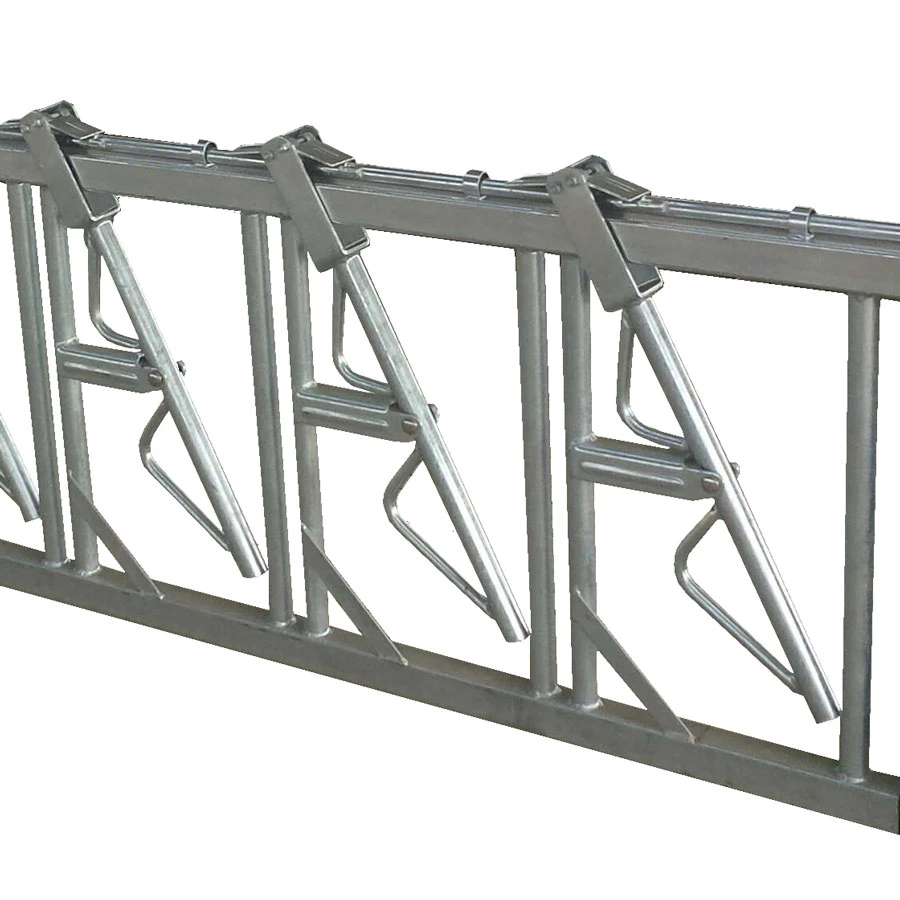
Put plainly, a cow headlock is a gating or clamping mechanism that holds a cow’s head securely during handling tasks. The design refers to the shape, materials, locking mechanism, and ergonomics involved. Modern cow headlock designs aim to balance security and gentle handling so that cows aren’t frightened or injured.
This isn’t just about farming convenience — it’s also about humane treatment and worker safety, two principles increasingly mandated by international standards like ISO 9001 and welfare frameworks outlined by organizations such as the OIE (World Organisation for Animal Health).
Key Components and Considerations in Cow Headlock Design
1. Durability & Material Strength
Many engineers prefer galvanized steel or stainless steel for headlocks to resist rust and withstand high wear. Since these devices endure pressure from large animals, durability is non-negotiable.
2. Ease of Operation
Designs often feature simple locking levers or auto-lock cams that handlers can operate with one hand. This efficiency reduces stress and speeds up routine procedures.
3. Animal Comfort & Safety
Rounded edges, adjustable widths, and smooth surfaces prevent injuries and encourage cows to enter voluntarily rather than forcing behavior with stress.
4. Scalability & Modular Layouts
Depending on herd size and yard layout, modular headlock sections allow customization. Bigger farms might chain multiple units, whereas smaller operations opt for simpler assemblies.
5. Cost-efficiency & Maintenance
While durable materials add upfront costs, low maintenance designs save money long-term. Easy-to-clean setups reduce disease transmission too.
Mini takeaway: The best cow headlock designs blend toughness with operator-friendliness and prioritize the animal’s well-being.
Where Cow Headlock Designs Are Making a Real-World Difference
Globally, the deployment of advanced cow headlock systems spans many farming types and climates. For instance:
- Europe: Dairy farms in countries like the Netherlands and Germany lead with automated headlock gates integrated into robotic milking parlors.
- Australia: In extensive grazing systems, rugged portable headlocks help remote ranchers safely manage cattle for vaccinations.
- Asia & Africa: NGOs introduce durable, locally adaptable headlock designs to improve animal health care in smallholder farms.
- Post-disaster relief: Emergency response teams use compact cow headlock modules to care for displaced livestock safely during aid operations.
Many of these success stories show that even simple design tweaks — better locking mechanisms or improved ergonomics — can dramatically improve farm workflows and animal welfare.
Mini takeaway: Whether it’s high-tech dairy setups or grassroots rural farming, cow headlock design innovations find useful applications.
The Tangible Benefits and Lasting Value of Smart Cow Headlock Designs
So, what drives farmers and farm equipment makers to rethink their headlock specs?
- Cost savings: Reducing animal injury and handler accident rates cuts veterinary and labor bills.
- Animal well-being: Less stress translates to better milk yield and faster growth across breeds.
- Worker safety and trust: Easier handling fosters confidence and lowers workplace injuries.
- Sustainability: Longer-lasting installations mean fewer replacements and less environmental waste.
Emotionally, the best designs evoke a respect for livestock as sentient creatures — not just commodities. That sense of dignity, oddly enough, motivates many farmers to invest in better headlocks.
Here’s a Realistic Product Specification Table for a Typical Cow Headlock Model
| Specification | Details |
|---|---|
| Material | Galvanized Mild Steel with powder coating |
| Locking Mechanism | Manual latch with auto-lock cam |
| Width Range | Adjustable 18 - 25 inches |
| Weight | 32 kg per unit |
| Recommended Use | Dairy and beef farms, incl. portable and fixed installations |
| Expected Lifespan | 10+ years with routine maintenance |
Comparing Vendors: What’s Out There and How They Stack Up?
Picking the right supplier can make or break your investment. Here’s a quick vendor comparison highlighting popular options:
| Vendor | Material Quality | Design Innovation | Price Range | Global Availability |
|---|---|---|---|---|
| AgriLock Inc. | High-grade stainless | Ergonomic handles, modular units | $$$ | Worldwide |
| FarmSafe Solutions | Galvanized steel, powder-coated | Auto-lock cams, adjustable widths | $$ | North America, EU |
| Livestock Tools Ltd. | Mild steel with rust prevention coating | Basic manual latch design | $ | Asia-Pacific |
The Road Ahead: Innovations Shaping Future Cow Headlock Designs
The future is pretty exciting here. Engineers and designers are experimenting with new materials like composites that cut weight without sacrificing strength. Automation is creeping in too — think digital sensors that confirm when a cow is properly positioned, or hydraulically assisted locks for hands-free operation. Some efforts focus on integrating solar-powered systems to heat metal parts during cold months, preventing freezing issues.
Moreover, sustainability eventually nudges manufacturers to use more recycled metals and design parts for easy repairs instead of disposal, aligned with global environmental goals.
Challenges Today & How We’re Tackling Them
Of course, it’s not all smooth sailing. Common issues include:
- Compatibility: Not every headlock suits every breed or yard layout, so custom fit is often needed.
- Maintenance: Rust and mechanical wear demand regular upkeep, which can get overlooked.
- Cost barriers: Small-scale farmers may struggle with affordability, limiting adoption.
Innovative approaches include modular kits that farmers self-assemble, low-cost corrosion-resistant coatings, and NGO programs subsidizing durable headlocks for developing regions.
FAQ: Your Questions About Cow Headlock Design Answered
Q: What is the main advantage of an adjustable cow headlock over fixed models?
A: Adjustable headlocks accommodate different animal sizes, reducing injury risk and improving handler ease. Fixed models may cost less but aren’t as versatile across mixed herds.
Q: How does cow headlock design improve farm worker safety?
A: By securely restraining the animal’s head, the risk of sudden movements or kicks is minimized, meaning handlers can safely perform tasks with lower injury likelihood.
Q: Are cow headlock designs typically compatible with automated farming equipment?
A: Many modern designs are built with automation in mind, allowing easy integration with robotic milkers, data sensors, and feeding systems.
Q: How long should a high-quality cow headlock last on average?
A: With proper maintenance, durable models can last 10+ years even under heavy daily use.
Q: Can small-scale farmers afford to invest in advanced cow headlock designs?
A: Costs vary widely. Some vendors offer budget-friendly, modular units that balance cost and functionality, often supported by agricultural development programs.
Wrapping Up: The Long Game with Cow Headlock Design
The humble cow headlock is far more than a farm staple — it’s a pivot point where humane animal care, efficient farm management, and safety converge. Investing time and thought into design choices pays dividends in health, productivity, and sustainability. For anyone serious about livestock farming, paying attention to headlock design isn’t just smart; it’s essential.
If you want to learn more about the latest in this field or explore custom solutions, I’d recommend visiting cow headlock design — they cover everything from material specs to vendor options and installation tips.
References & Further Reading
Post time: Nov . 30, 2025