Exploring Pig Pen Floor Ideas: Why It Matters and What’s at Stake
When you think of pig pen floors, it might sound like a niche topic — but trust me, when you dive into it, it opens a window onto some serious global challenges and opportunities. Pig pen floor ideas aren’t just about making a muddy mess cleaner; they’re about animal welfare, environmental impact, and operational efficiency on farms worldwide.
Globally, pig farming plays a significant role in providing affordable protein to billions — the UN Food and Agriculture Organization (FAO) estimates that over 70% of global pork is produced by smallholders who often wrestle with subpar housing conditions. That’s where smarter floor designs can mitigate disease, improve cleanliness, and boost productivity. So, understanding pig pen floor ideas isn’t just for farmers — it matters to anyone interested in sustainable agriculture, food security, and even public health.
The Worldwide Impact and Why Pig Pen Floor Ideas Matter Today
Look at the bigger picture: pig farming touches economies from Asia to Europe to the Americas. The World Bank highlights how over 500 million small farms depend on keeping pigs sustainably to lift families out of poverty. Yet, many of these farms face issues like poor drainage, infectious diseases, and high labor costs tied to inefficient flooring solutions.
These floor problems aren’t trivial; they can lead to outbreaks such as African Swine Fever wiping out entire herds, triggering food shortages and massive economic loss. So, improving pig pen floors — the very foundation beneath the animals — is one smart solution addressing a lot of complex farming challenges at once.
What Are Pig Pen Floor Ideas, Anyway?
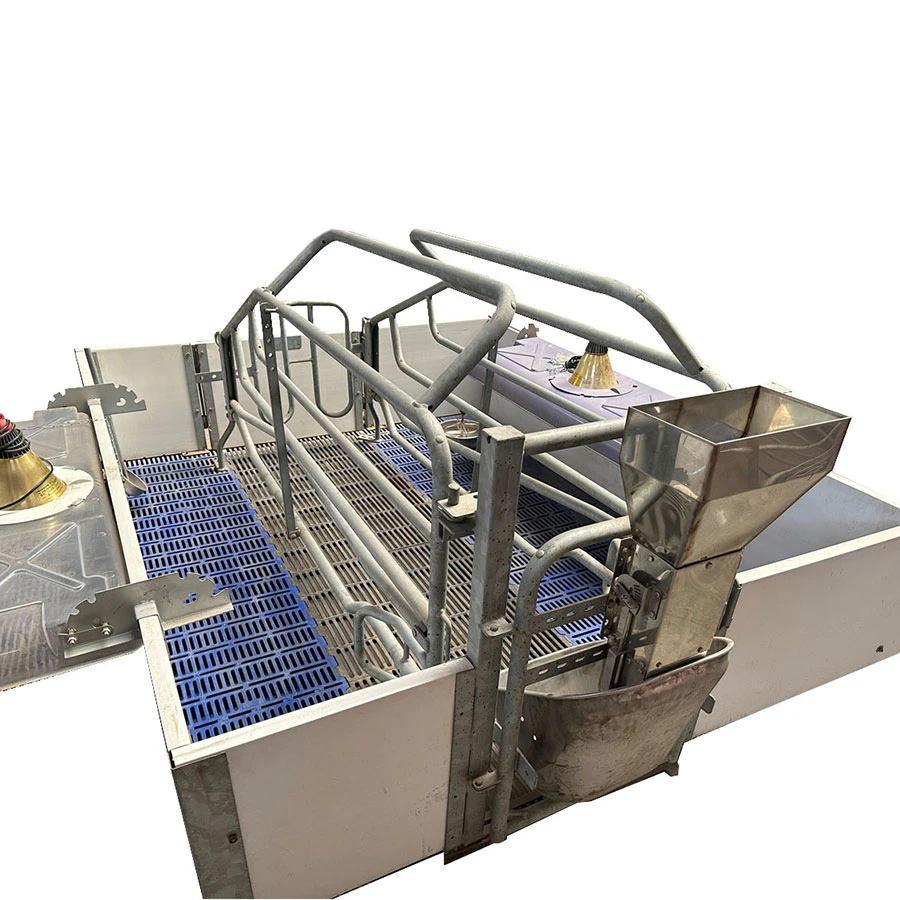
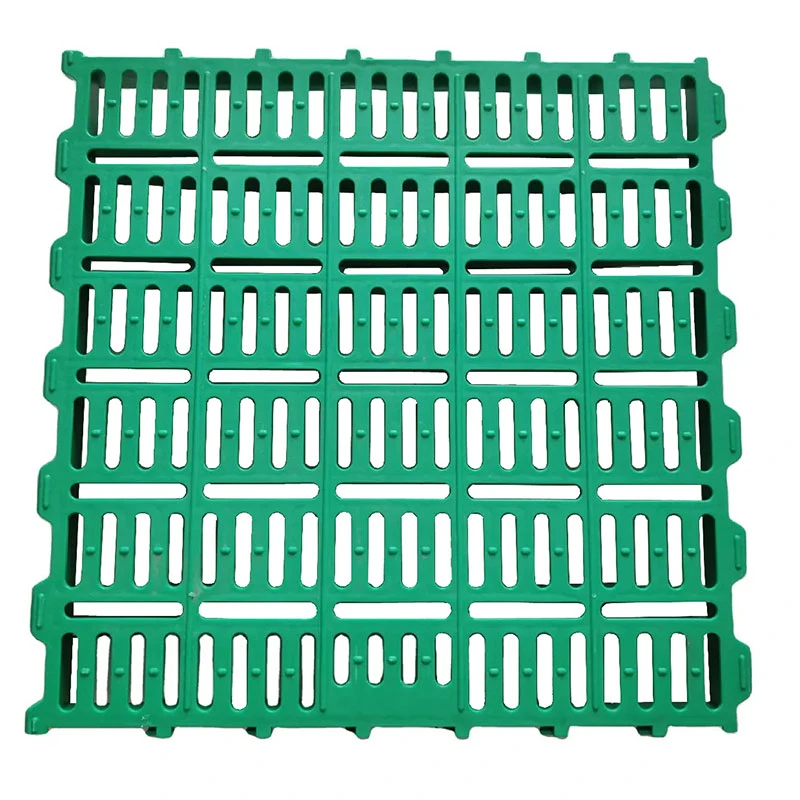
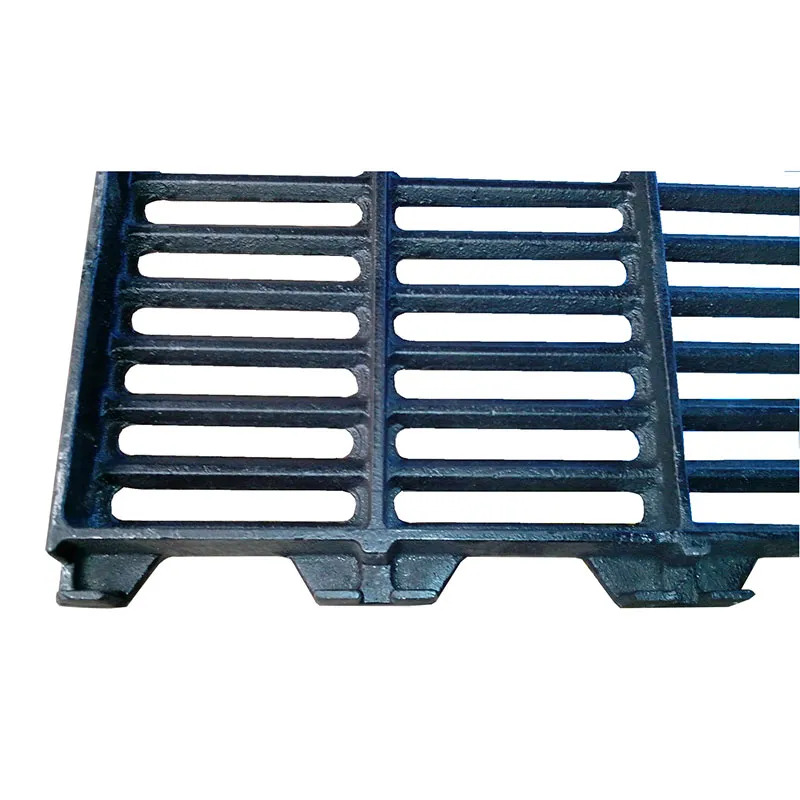
Simply put, “pig pen floor ideas” are the various design approaches and materials used to build the floors inside pig housing. These can range from traditional dirt and straw, to concrete slats, to innovative plastics or rubber mats engineered for better hygiene and animal comfort.
Modern industry has moved beyond the old muddy pits, recognizing floors as critical in controlling waste, preventing hoof injuries, and even influencing pig growth rates. Moreover, for humanitarian and developmental agencies working to improve rural livelihoods, practical, affordable pig pen floor solutions can directly raise standards of living.
Core Components Behind Effective Pig Pen Floor Designs
Durability
Floors have to withstand years of heavy use — and the occasional abrasive pig with a penchant for rooting around. Concrete and hard plastics win here, but the trick is balancing toughness with a surface that’s not too harsh on the pigs’ feet.
Drainage and Cleanliness
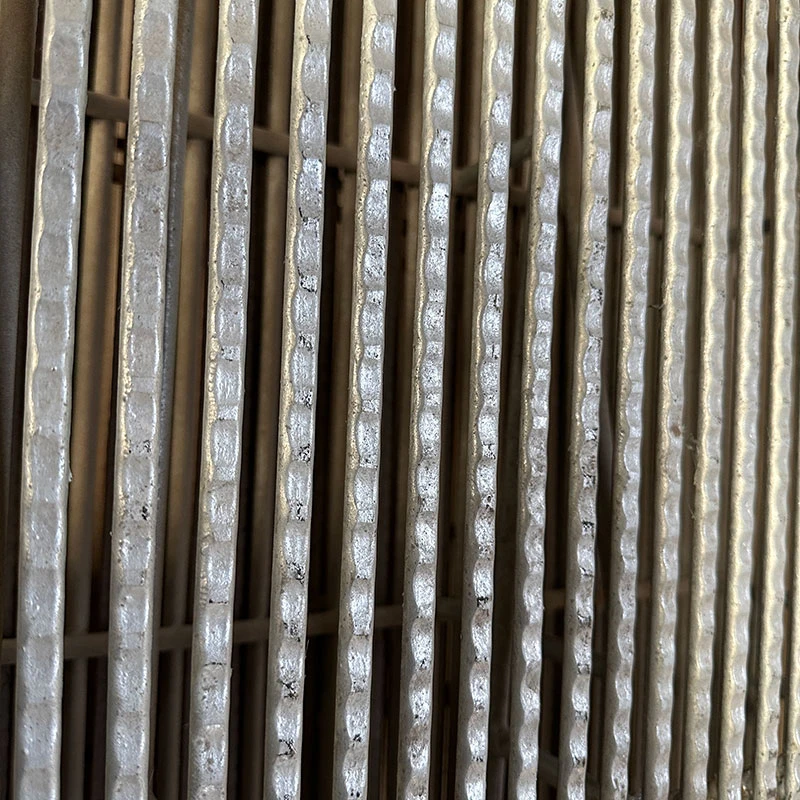
Effective pig floors keep waste flowing away and dry spots easy to clean. Slatted floors or perforated mats are big sellers since they reduce ammonia build-up and bacterial growth, improving air quality and pig health.
Comfort and Animal Welfare
Believe it or not, pigs are pretty sensitive creatures and slippery or too-hard floors stress them out. Softer mats or textured surfaces help reduce leg injuries and encourage natural behavior.
Cost Efficiency
Farmers, especially smallholders, operate on slim margins, so affordability matters as much as durability. Easy installation and minimal maintenance can make or break a flooring choice.
Environmental Impact
Sustainable materials and waste management-friendly designs increasingly influence floor choices, aligning pig farming with global climate goals.
Real-World Uses: Pig Pen Floor Ideas Around the Globe
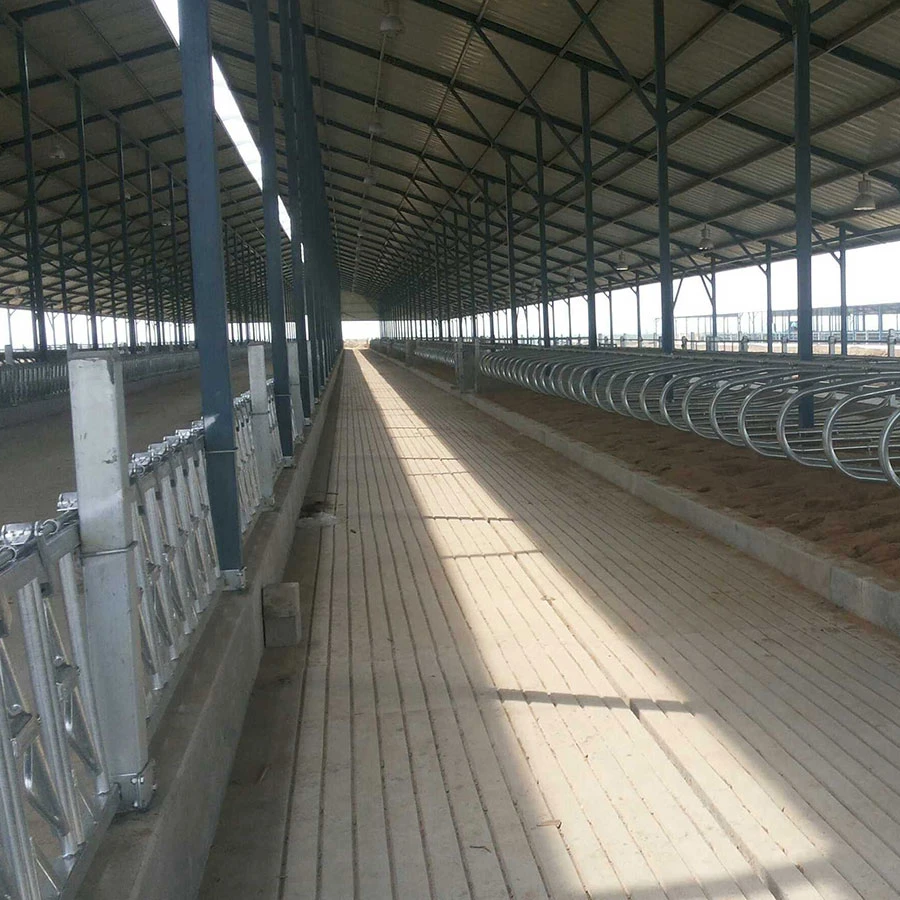
In Southeast Asia, where small-scale pig farms abound, low-cost wooden slats reinforced with plastic sheeting improve drainage without heavy investments. Meanwhile, in Europe’s larger commercial farms, fully slatted concrete floors paired with automated waste removal systems showcase a different scale of innovation.
Post-disaster zones often see NGOs deploying modular pig pens featuring easy-to-assemble raised floors, supporting families whose homes and farm infrastructure have been destroyed. And in remote industrial zones, where harsh climates demand resilient materials, rubber-coated mats have impressed with their flexibility and insulation.
Clearly, these ideas adapt — from rustic villages to high-tech farms — molding to whatever challenges each context throws at them.
A Snapshot: Pig Pen Floor Material Specifications
| Material | Durability (Years) | Drainage Efficiency | Comfort Level | Cost (per m²) |
|---|---|---|---|---|
| Concrete Slats | 10+ | High | Low | $$ |
| Plastic Modular Panels | 7-9 | Medium | Medium | $$$ |
| Rubber Mats | 5-7 | Low | High | $$$ |
| Wooden Slats | 3-5 | Medium | Medium | $ |
Advantages and Enduring Value of Thoughtful Pig Pen Flooring
Smart flooring decisions in pig pens ripple out to big benefits. Farmers save on labor when cleaning is easier, pig health improves through better hygiene, and animals experience less stress — something that boosts growth and reduces veterinary bills.
Beyond dollars, there’s an ethical dimension. Ensuring pigs have comfortable, safe living spaces respects their welfare and satisfies growing consumer demand for responsibly farmed meat. There’s pride and trust built among farmers, buyers, and regulators when the basics — like pig pen floors — are done right.
Plus, with pressures on agriculture to reduce environmental footprints, floors that help manage waste and reduce odor align with sustainability goals, preserving soil and water quality.
What’s Next? Future Trends Shaping Pig Pen Floor Innovations
The future feels pretty exciting for pig housing floors. Biodegradable composite materials are hitting the market, aiming to combine durability with eco-friendliness. Talks about embedded sensors to track pig movement and detect injuries early are going from labs to real farms.
Automation is even creeping in — machines that clean floors regularly and recycle waste could soon be standard. And I’ve noticed a strong push in regulatory frameworks pushing farms toward greener flooring due to water runoff and animal welfare standards.
Common Hurdles and Practical Solutions
Let’s not pretend it’s all rosy. Cost remains the largest barrier for many farmers, especially when newer materials can be pricey upfront. Installation can be tricky on irregular farm terrain, too. Sometimes, maintenance is harder than expected, with repairs needed sooner than promised.
One cool workaround is modular flooring systems that you can install bit by bit, easing the financial burden. Also, training farmers on cleaning protocols and gentle maintenance extends floor lifespan significantly — an element often forgotten.
Vendor Overview: How Popular Pig Pen Flooring Providers Compare
| Vendor | Material Types | Price Range | Regional Focus | Customization |
|---|---|---|---|---|
| AgriSlat Solutions | Concrete, Plastic | $$ - $$$ | Europe, North America | High - bespoke designs |
| FarmFloor Tech | Rubber Mats, Plastic Panels | $$$ | Asia, Australia | Medium - modular options |
| EcoPen Systems | Wooden Slats, Composite | $ - $$ | Africa, South America | Low - standard modules |
Frequently Asked Questions About Pig Pen Floor Ideas
1. What are the best materials for pig pen floors in humid climates?
In humid environments, materials that promote drainage and resist mold growth perform best — like concrete slats or plastic panels. Rubber mats can get slippery unless properly textured. Ensuring good ventilation and proper cleaning complements flooring material choice to keep floors dry and safe.
2. How expensive is it to upgrade to modular flooring?
Modular floors tend to have a higher upfront cost compared to traditional dirt or wooden slats but often save money over time with lower maintenance and improved pig health. Prices vary widely, but spreading installation over phases helps manage budget. Installation labor is usually straightforward, making modular a favorite for scaling farms.
3. Can pig pen floor improvements reduce disease outbreaks?
Absolutely. Floors that improve waste drainage and ease cleaning reduce pathogen build-up, dramatically lowering risks of diseases like swine flu or African Swine Fever. Paired with good biosecurity, flooring is a frontline defense.
4. Are eco-friendly pig pen floors really sustainable?
Eco-friendly floors made from recycled plastics or sustainably sourced wood help reduce waste and carbon footprint. Plus, designs that manage manure better protect local water sources, reinforcing sustainability from production to waste handling.
5. How can I learn more about improving my pig pen floors?
Start with pig pen floor ideas from established suppliers, consult local agricultural extension services, and check out guides by organizations like the FAO. Often, a hands-on farm visit and peer recommendations offer insights more valuable than manuals.
Wrapping It Up: Why Pig Pen Floor Ideas Are Worth Your Attention
It’s fair to say that the foundation beneath pigs matters far more than you might think at first glance. Smart pig pen floor ideas marry practicality with animal welfare, cost savings, and sustainability — blending old farming know-how with new tech. Whether you’re a smallholder, a large farm manager, or a product supplier, these floor innovations can have a lasting impact.
If you're curious to explore options or upgrade your facilities, why not visit our website today? You might just find that perfect solution that improves life beneath the hooves and your bottom line at once.
References
Post time: Dec . 02, 2025