Understanding Large Feed Bins: Key to Efficient Livestock Management
Large feed bins might not be the flashiest topic, but trust me, they’re a crucial cog in the global agricultural machine. Put simply, these enormous storage units keep animal feed safe, dry, and ready to use, solving a pretty big logistical headache for farmers—whether you’re managing cattle in Nebraska or poultry in rural India. As the world population climbs towards 8 billion, efficient livestock feed storage becomes more than a convenience; it’s a global food security factor. Let’s unpack what makes large feed bins so important, the nuts and bolts of their design, and why the future looks promising with innovations on the horizon.
Global Context: Feeding Billions Starts With Smart Storage
The World Bank estimates that agriculture accounts for nearly 40% of employment worldwide, meaning billions rely on it to survive or thrive. Yet, according to the United Nations Food Systems, an estimated 14% of food is lost post-harvest, often because of poor storage. Enter the large feed bin — an unassuming but essential player. Efficient storage reduces waste, ensures feed quality, and ultimately supports the sustainability of animal farming across continents. Challenges like weather unpredictability, pests, and transportation bottlenecks underscore why scalable, protective feed storage is a must. Oddly enough, something as simple as a bin can help stabilize feed prices and supply chains globally.
What Are Large Feed Bins?
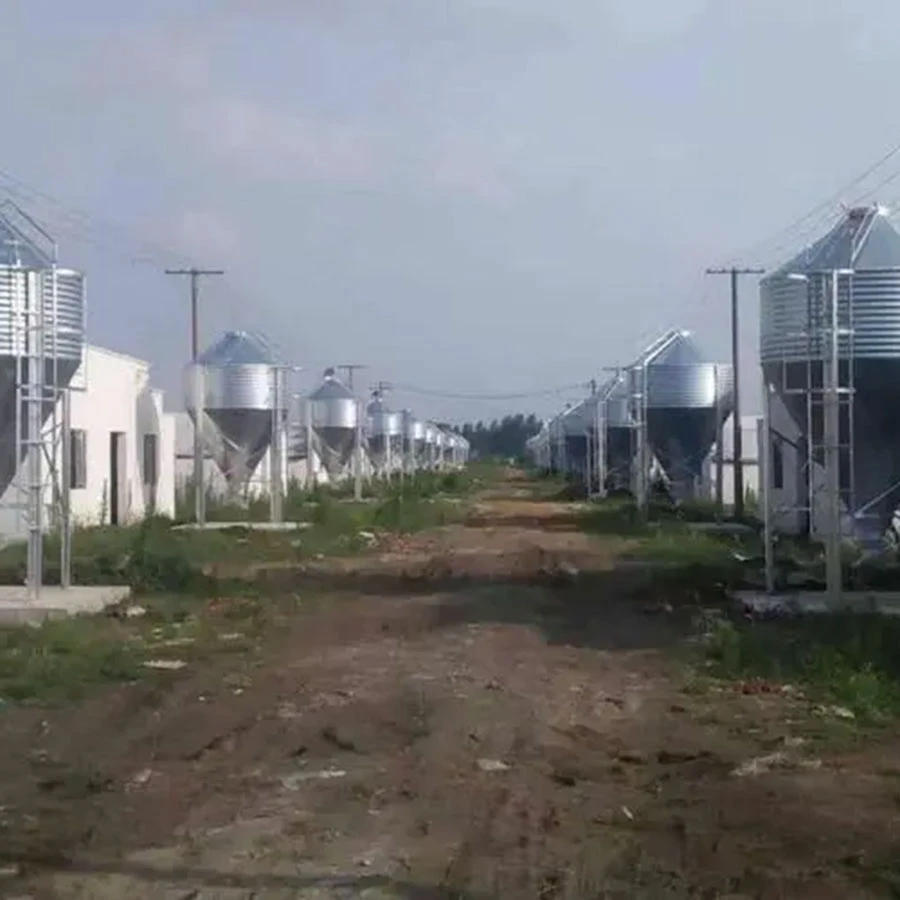
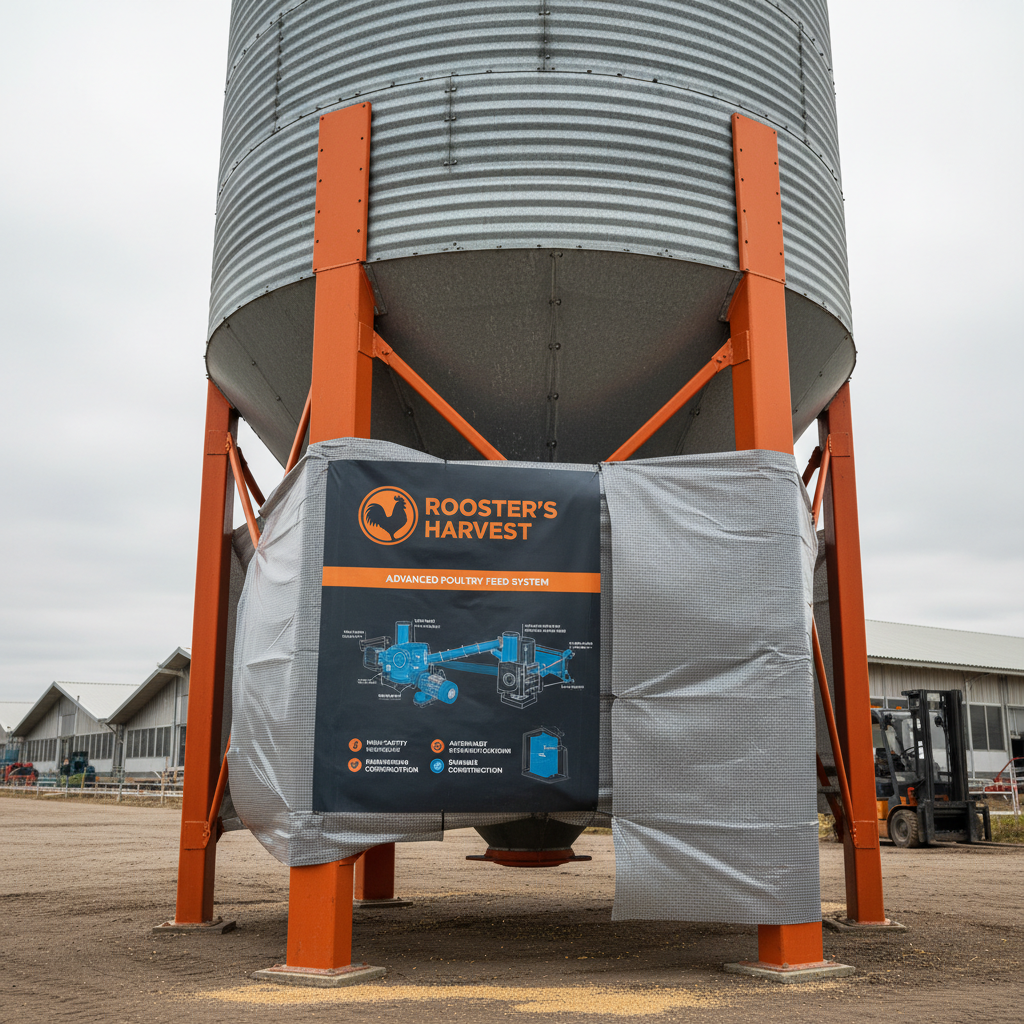
At their core, large feed bins are robust containers designed to hold big volumes of livestock feed—corn, grains, pellets, you name it. Their size often ranges from a few tons to hundreds of tons in capacity, adapted to the scale of operation. These bins are usually made from galvanized steel or heavy-duty fiberglass, equipped with vents and moisture control features to keep feed dry and aerated. In the modern industry, they’re linked closely to mechanized feeding systems or automated farms, streamlining operations and reducing manure waste. Beyond farms, these bins find roles in humanitarian livestock programs, ensuring feed availability during emergencies, which is critical for maintaining livelihoods in vulnerable regions.
Core Components of Large Feed Bins
Durability
First and foremost, durability is king. These bins often face harsh outdoor elements—rain, sun, wind, even snow. Galvanized steel’s corrosion resistance or UV-resistant coatings on fiberglass keeps bins functional for decades. It’s about protecting the feed, but also about minimizing costly maintenance.
Capacity & Scalability
Feed storage needs change depending on herd size or operational scope. Large feed bins come in diverse sizes—some modular to expand with demand. This flexibility lets farms avoid costly waste or shortages via accurate supply management. If you work in feed logistics, you’ll appreciate how scalability impacts distribution efficiency.
Cost Efficiency
While initial investments vary, large feed bins save money long-term by reducing spoilage and labor. Efficient design means less feed exposure to moisture and pests, lowering replacement expenses. Many manufacturers balance upfront cost with longevity; oddly enough, paying a little more initially often pays back many times over.
Ease of Access & Automation
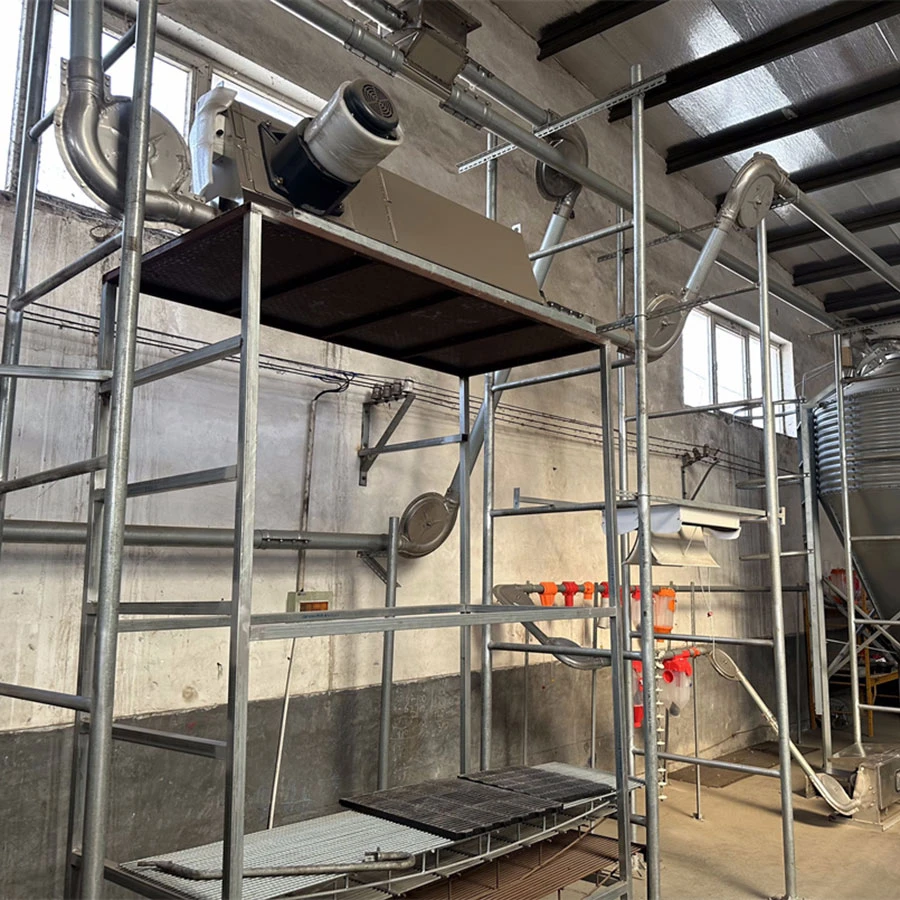
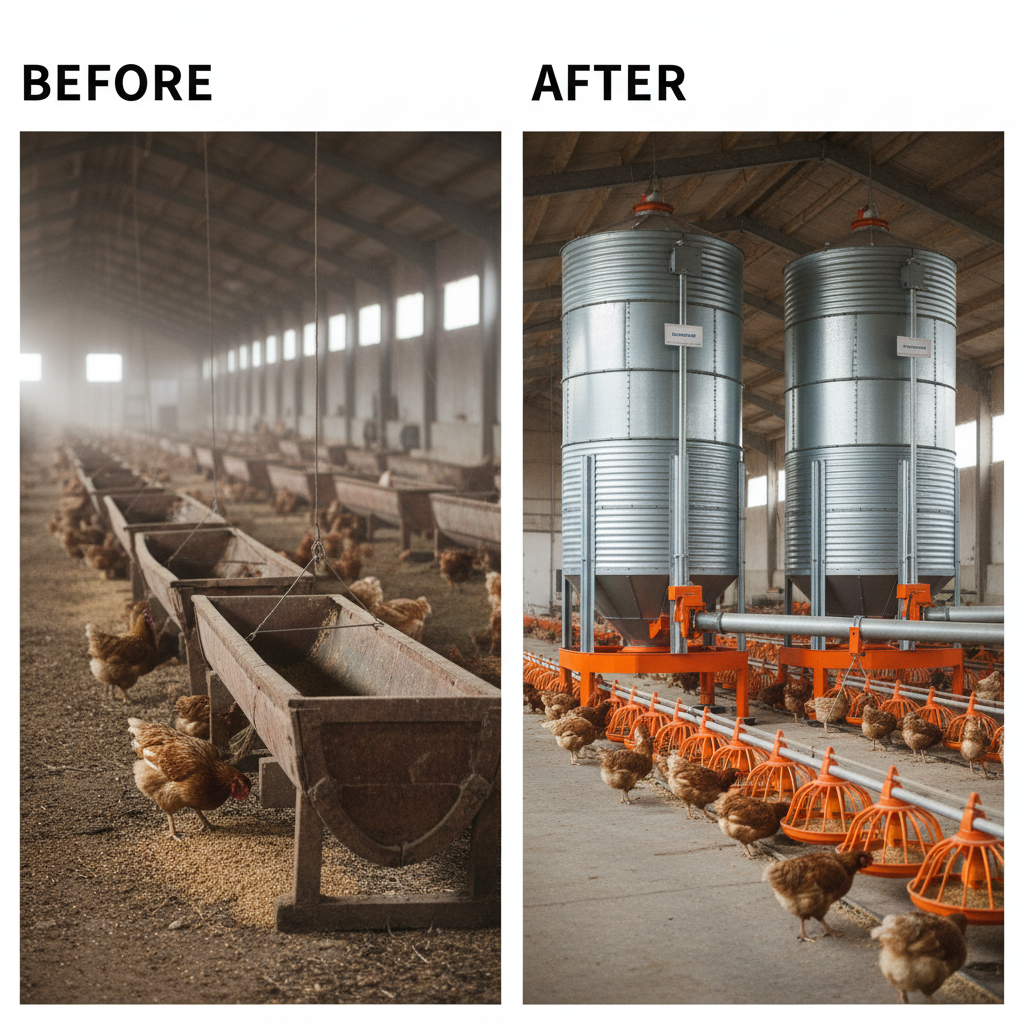
Bins generally have hatches, augers, or conveyor attachments for easy unloading. Integration with automated feeding systems can improve consistency and reduce manual workload. Some setups even connect to IoT devices, allowing real-time inventory and environmental monitoring.
Environmental Control Features
Modern feed bins include ventilation systems to prevent mold growth and heat buildup. Proper aeration equals healthier feed and less risk to livestock, which translates to better overall productivity.
Global Applications & Use Cases
Large feed bins have found a spot across many industries and geographies:
- Commercial Livestock Farms: Across the U.S. Midwest or Australian ranches, these bins ensure feed is ready when the cattle come in.
- Remote Industrial Zones: In mining camps or remote communities, large feed bins keep animal supply chains intact without constant deliveries.
- Disaster Relief & Humanitarian Aid: Organizations stockpile livestock feed in large feed bins to aid pastoralists after droughts or floods.
In practice, a dairy farm in California noted a 20% decrease in feed wastage after upgrading to large, weatherproof bins (unofficial farm data, 2022). Small but telling; it means healthier cows and better profits.
Advantages & Long-Term Value
The benefits of investing in reliable large feed bins go beyond the balance sheet:
- Cost Savings: Less spoilage means less feed purchases over time.
- Sustainability: Proper storage reduces waste, lowering environmental footprints.
- Livestock Health: Mold-free, dry feed improves animal welfare and productivity.
- Safety & Dignity: Stable feed supplies reduce stress on farmers and support food security.
- Innovation & Trust: Modern bins with smart tech become integrated parts of efficient farms.
Product Specifications Overview
| Specification | Typical Range | Notes |
|---|---|---|
| Capacity | 5–100+ tons | Scalable options common |
| Material | Galvanized steel, Fiberglass | Durability & corrosion resistance |
| Ventilation | Passive or active | Prevents condensation & spoilage |
| Automation Compatible | Yes, often optional | Supports augers, IoT integration |
Vendor Comparison: Leading Large Feed Bin Providers
| Vendor | Material | Price Range | Customization | Lead Time |
|---|---|---|---|---|
| AgriBins Inc. | Galvanized Steel | $2,500–$15,000 | High (modular design) | 4–8 weeks |
| FibroFeed Solutions | Fiberglass | $3,000–$16,500 | Medium (color, size) | 5–10 weeks |
| SafeStore Agri | Steel & Polyblend | $3,500–$20,000 | High (automation ready) | 3–6 weeks |
Future Trends & Innovations
The space is getting smarter, frankly. We’re seeing more IoT-enabled bins with sensors for moisture, temperature, and feed levels, which allow farmers to optimize feed supply automatically. Drone and satellite data are also being integrated for big-picture farm management. On the materials front, innovations include composites that reduce weight but improve durability—reducing transport costs and environmental impacts. Renewable energy-powered ventilation is another promising angle, increasing sustainability by powering fans or aerators via solar. The push toward circular economy models means manufacturers are also exploring recyclable and repurposable bin materials, so the end-of-life footprint decreases.
Challenges & Practical Solutions
Sure, no system is perfect. One common issue: condensation buildup inside large feed bins, which can spoil feed quickly. Addressing this means better ventilation designs and sometimes using desiccants. Cost is another barrier, especially for small-scale farmers in developing countries. Custom financing and cooperative ownership models are emerging as solutions. Transporting massive bins can also be a logistical puzzle requiring modular designs or on-site assembly. Many engineers suggest close collaboration between manufacturers and users to customize solutions that fit local climate and operational realities.
Frequently Asked Questions About Large Feed Bins
- What materials are best for large feed bins to ensure longevity?
- Galvanized steel is widely favored for its corrosion resistance and strength, especially in rough climates. Fiberglass is lighter, resists UV damage, and also offers good longevity. Choice depends on budget, environment, and feed type.
- How do large feed bins help reduce feed waste?
- They protect feed from moisture, pests, and contamination, which traditionally cause spoilage. Proper sealing and aeration prevent mold and degradation, keeping feed fresher and usable longer.
- Can large feed bins be integrated with automated feeding systems?
- Absolutely. Many bins are designed with options to attach augers, conveyors, or smart sensors, allowing seamless automation from storage to feeding, which reduces labor and improves consistency.
- Are these bins suitable for all geographic regions?
- Most bins are adaptable, but those used in high-humidity or extreme climates might need specialized coatings or ventilation to prevent moisture-related issues effectively.
- What’s a typical lifespan for a large feed bin?
- With proper maintenance, galvanized steel bins often last 20+ years, while fiberglass variants may last 15+ years. Regular inspections and upkeep prolong usability significantly.
Conclusion
Large feed bins offer more than just storage—they’re foundational to resilient, productive livestock operations worldwide. Their importance spans continents and cultures, dovetailing with global efforts to improve food security, reduce waste, and increase sustainability. For anyone involved in animal agriculture, investing in well-designed large feed bins isn’t just practical; it’s forward-thinking. Curious to explore options for your farm or operation? Visit our website for trusted suppliers, detailed specs, and expert advice tailored to your needs. After all, efficient feed storage sets the table for a healthier, more sustainable livestock future.
Oddly enough, sometimes it’s the seemingly simple things—like the right bin—that make the biggest difference.
References
Post time: Dec . 08, 2025