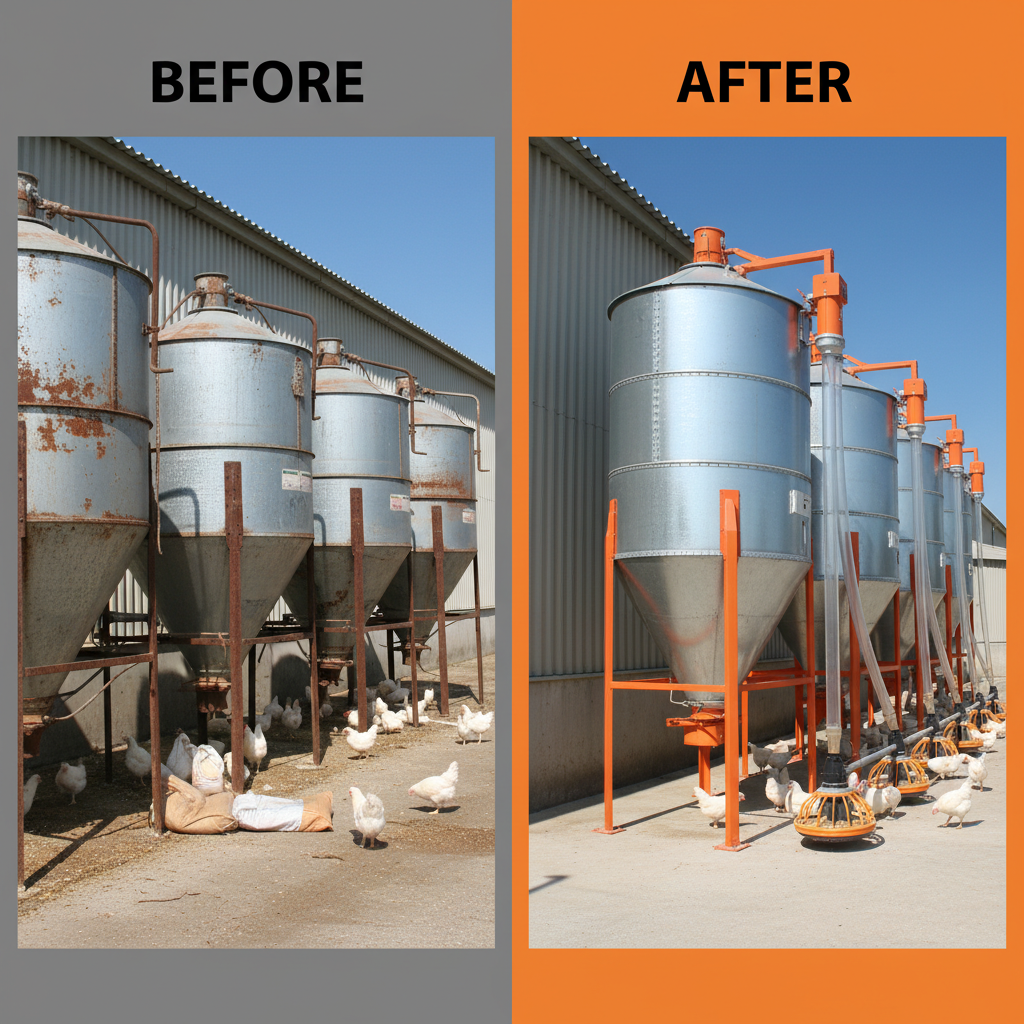
Understanding Large Hog Feeders: Why They Matter Worldwide
If you're new to hog farming or looking to modernize your operations, the term large hog feeder might sound pretty straightforward — and it is. But, believe it or not, these feeders are quietly shaping how large-scale pig farming meets the increasing global demand for sustainable, efficient meat production. From ensuring animals get consistent nutrition to reducing waste — the stakes are high, and the benefits go beyond just the farm.
Globally, pork accounts for roughly 36% of all meat consumed, according to the Food and Agriculture Organization (FAO). As populations grow, so does the need for scalable feeding solutions that support healthy hog growth without harming the environment. Understanding large hog feeders isn't just an agricultural curiosity—it plays into global food security, resource management, and even animal welfare standards.
Mini takeaway: Large hog feeders are at the intersection of modern farming efficiency, environmental stewardship, and meeting global protein demand.
The Big Picture: Global Context and Industry Challenges
Worldwide, hog farming has evolved into a highly industrialized sector. The global pork market is expected to reach nearly $360 billion by 2026 (Statista), with large hog enterprises driving much of this growth. Yet, with expansion come challenges: feed wastage can soar, hygiene issues arise, and inconsistent feeding schedules tend to stunt growth and impact meat quality.
Large hog feeders tackle these head-on by automating feed delivery, allowing precise control over quantity and quality. Yet, not all feeders are equal — design flaws can lead to wasted feed, higher costs, or even conflicts among animals. In developing regions, lacking access to robust feeder systems sometimes hampers farm scalability and sustainability.
Mini takeaway: Efficient large hog feeders can solve common feeding challenges that limit industry growth and profitability, especially in regions transitioning to modern farming.
What Exactly Is a Large Hog Feeder?
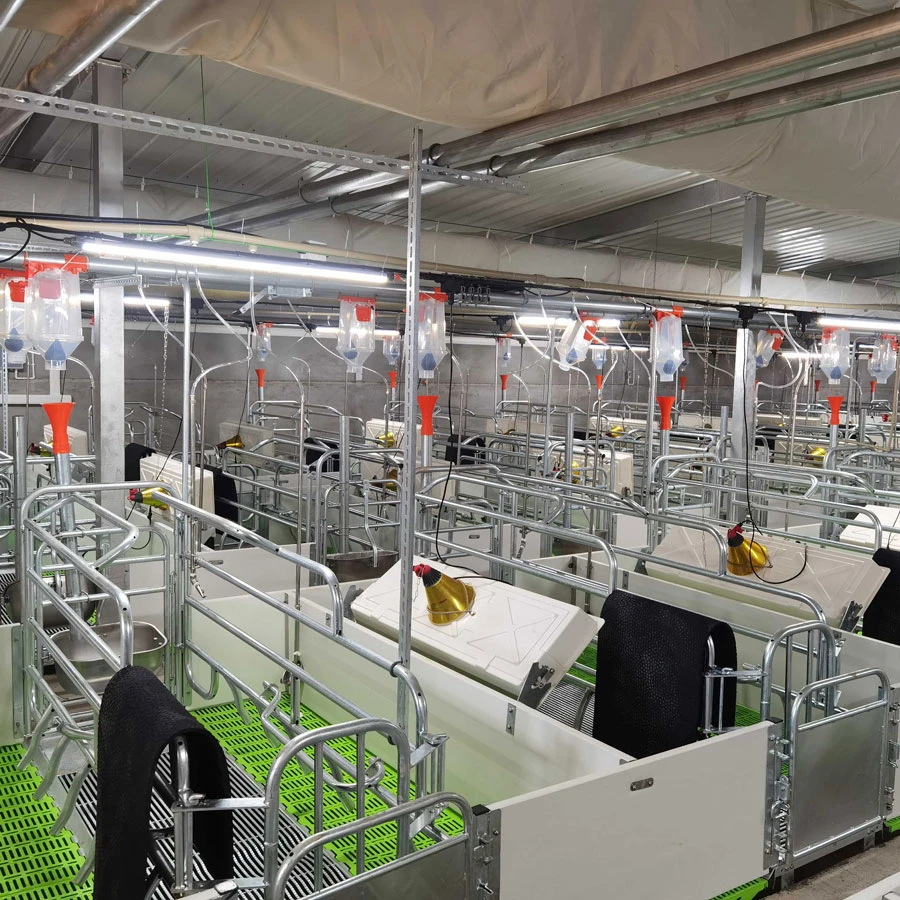
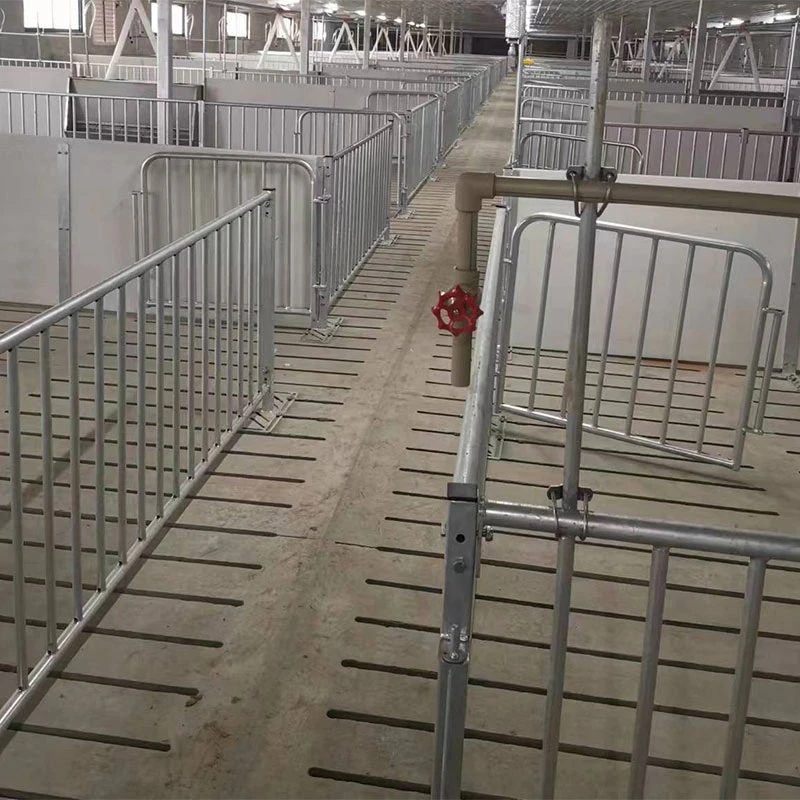
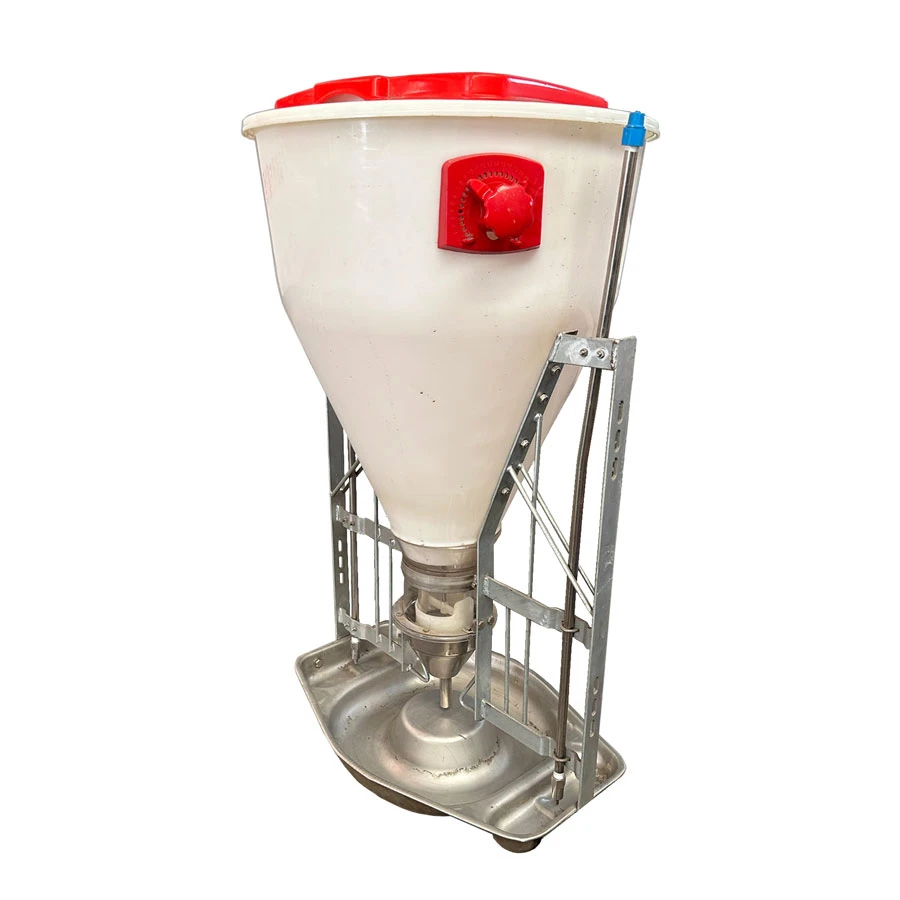
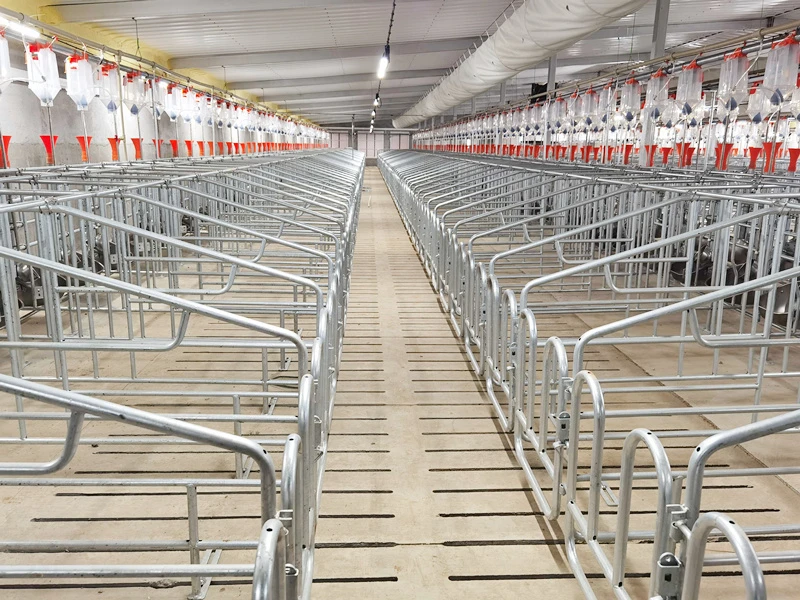
Simply put, a large hog feeder is a device or system designed to hold and dispense feed to growing hogs in a manner that minimizes waste and ensures equitable access. Think of it as a smart buffet table for pigs, engineered to serve dozens or hundreds of animals at once without chaos.
These feeders vary — from basic troughs to advanced automated units — but the core idea remains: deliver consistent, timely nutrition to support rapid, healthy growth. They play a crucial role in industrial pig farming but also have important humanitarian applications in food security projects and disaster recovery efforts where local hog farming helps restore livelihoods.
Mini takeaway: Large hog feeders are both practical tools and essential links in the modern food production chain.
Key Components That Define Large Hog Feeders
Durability
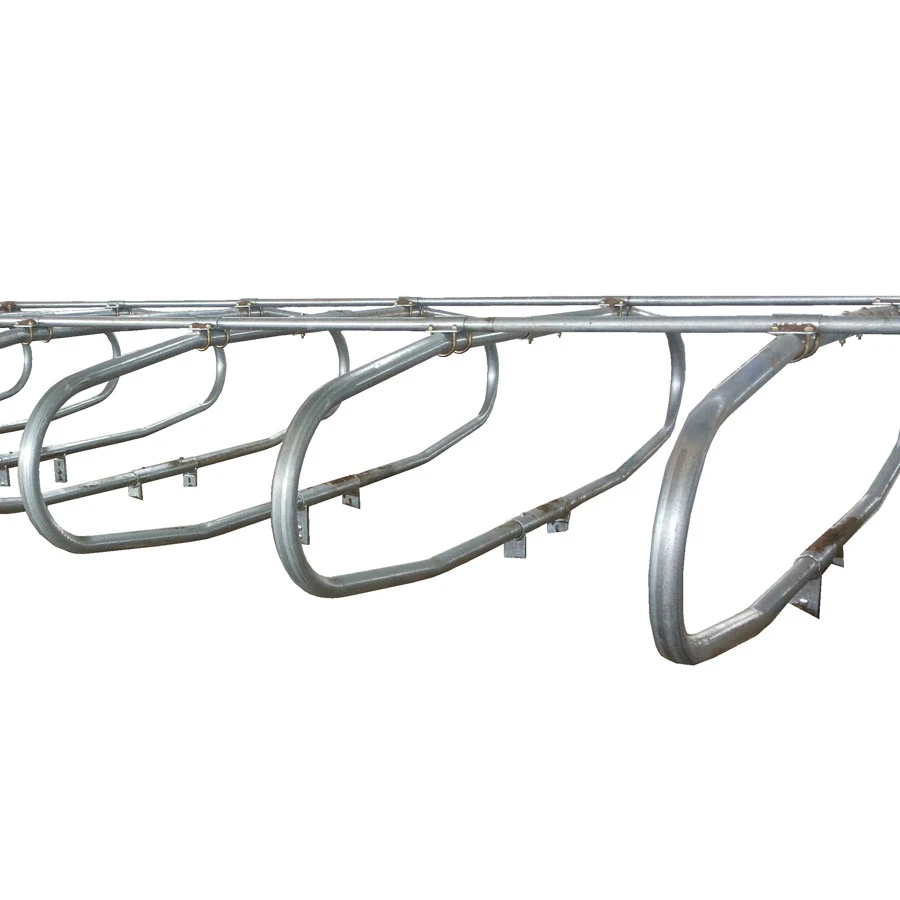
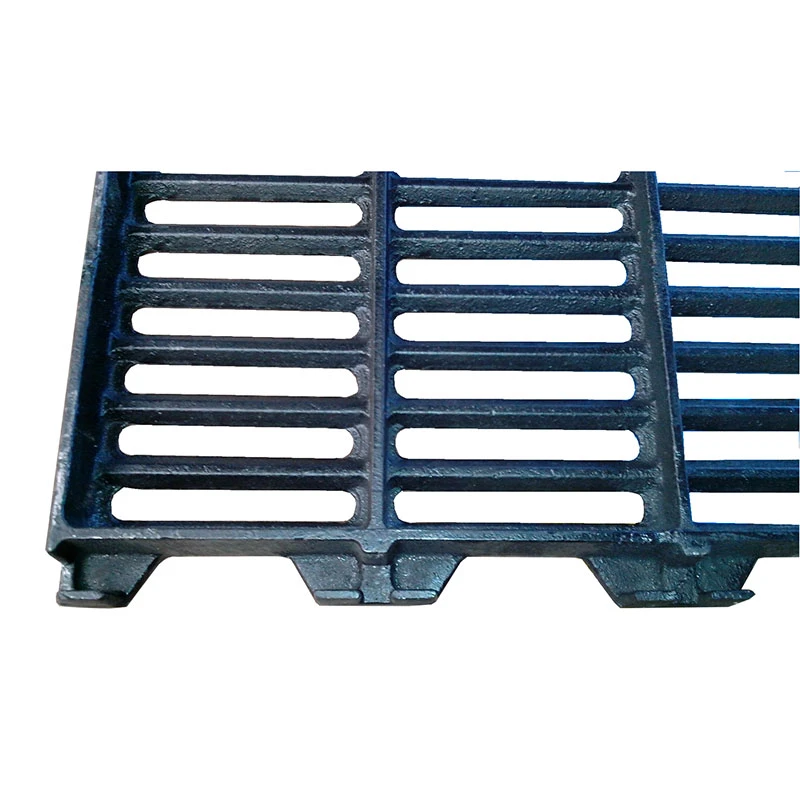
Many engineers swear by feeders constructed from heavy-duty galvanized steel or thick HDPE plastics. They need to withstand aggressive hog behavior plus weather extremes — outdoor operations see rain, sun, snow... you name it. Durability also means less frequent replacements and better long-term value.
Feed Capacity & Scalability
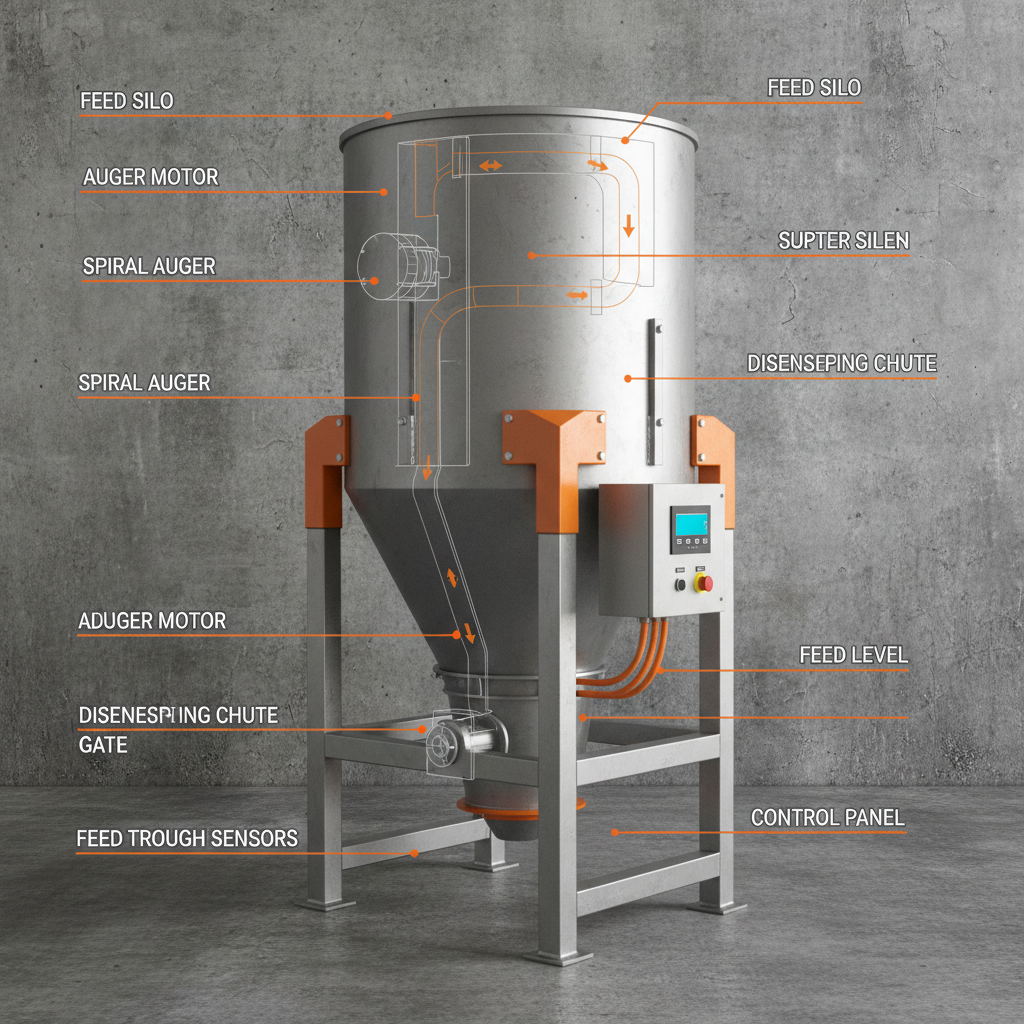
Large hog feeders typically handle anywhere from 50 to 500 lbs of feed, allowing farmers to customize based on herd size. Scalability is vital, especially as farms grow or split herds by age and size. Modular systems that link feeders into a network can manage large barns effectively.
Feed Dispensing Mechanism
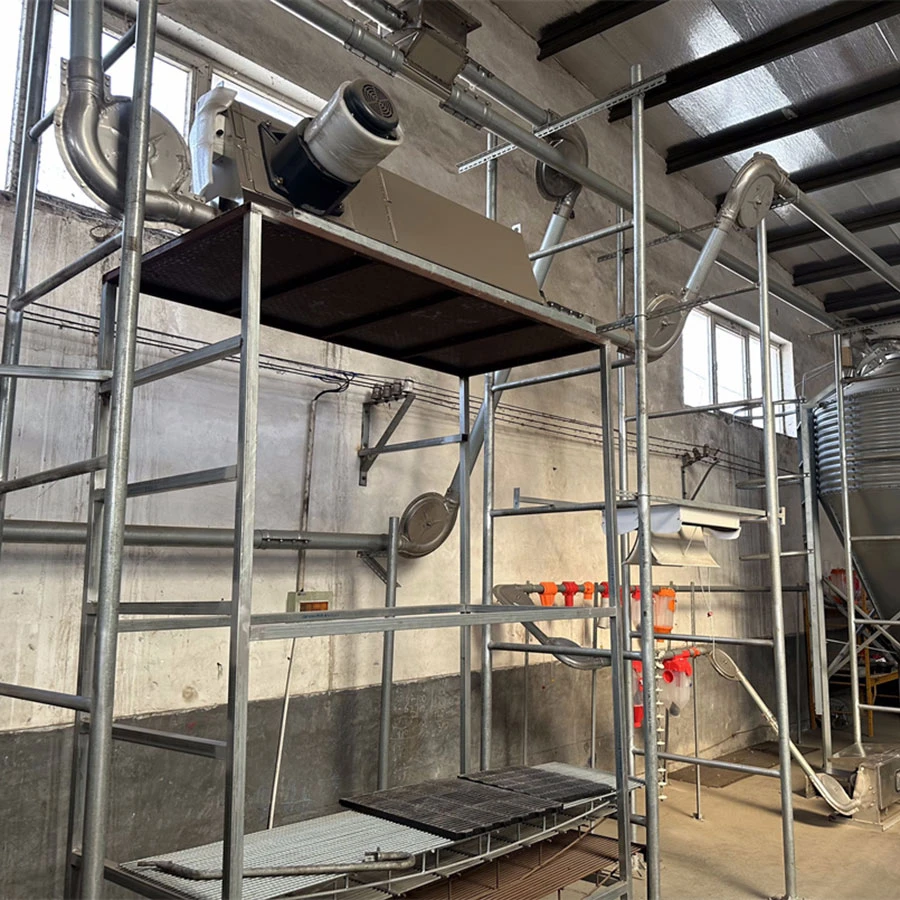
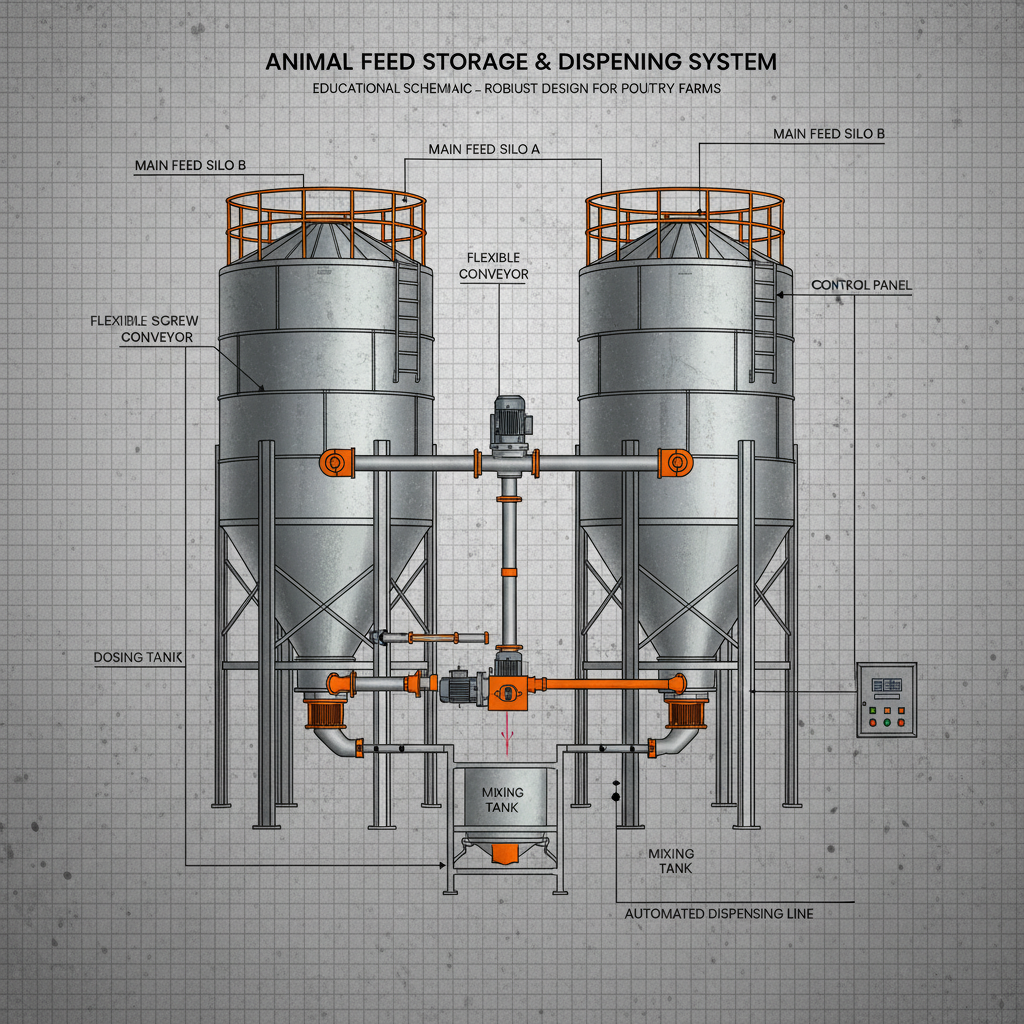
The way feed is delivered can be manual, gravity-fed, or automated via augers and sensors. Automated feeders reduce labor and help feed hogs on timed schedules, boosting growth rates while preventing overeating or dominance by specific pigs.
Hygiene and Waste Reduction
Feeders with anti-contamination designs and adjustable access points minimize feed spoilage and unwanted waste. For example, some models have protective covers shielding feed from rain and dirt, plus contoured shapes to reduce spillage.
Cost Efficiency
Beyond the initial purchase price, consider operational and maintenance costs. Energy-efficient feeders powered by solar or low-voltage DC systems are gaining traction, especially in remote or off-grid areas.
Customization & Integration
Modern large hog feeders often sync with farm management software, offering data analytics on feed consumption and animal health, pushing precision livestock farming forward.
Mini takeaway: The perfect large hog feeder balances rugged build, smart delivery, and operational economy — it's not just about holding feed.
Large Hog Feeders in Action Around the World
Hog farming, especially at scale, is common from Europe to Asia to North America — but the approach varies widely. In Europe, strict welfare regulations push for feeders that promote social feeding behavior. In Asia, large integrated farms adopt automation rapidly to boost efficiency and meet skyrocketing pork demand. Meanwhile, in parts of Africa and Latin America, NGOs introduce sturdy but low-tech feeders to support community farming and food security.
For instance, in the flood-prone Mekong Delta, modular and transportable feeders help local farmers maintain livelihoods amid seasonal disruptions. Likewise, large hog feeder setups in US Midwest industrial farms integrate with climate control systems to optimize growth conditions year-round.
| Specification | Typical Range | Notes |
|---|---|---|
| Feed Capacity | 50 - 500 lbs | Varies by feeder size |
| Material | Galvanized Steel / HDPE Plastic | Durability-focused choices |
| Automation | Manual to Computer-Controlled | Depends on tech level |
| Power Source | Electric / Solar / None | Remote area choices matter |
| Weight | 15 - 120 lbs | Portable to fixed models |
Mini takeaway: Usage varies by region, but the core goals—efficiency, hygiene, and scalability—are universal.
Why Investing in a Large Hog Feeder Pays Off
Let's be honest: a reliable feeder means healthier hogs, which means bigger profits. Consistent feeding leads to uniform growth, and less spoiled or wasted feed translates directly into cost savings. Many farmers report up to 20% reduction in feed losses after switching to well-designed large hog feeders.
On an emotional level, there’s something reassuring about machines that work quietly and reliably in the background — freeing farmers to focus on other tasks. Plus, in regions focused on animal welfare, feeders that prevent aggressive behavior and ensure fair eating times improve herd wellbeing.
Environmentally, minimizing feed wastage lowers methane emissions from rotting feed, supporting sustainable farming initiatives aligned with ISO's environmental management standards (ISO 14001).
Mini takeaway: The right large hog feeder is more than a tool — it’s a trusted partner in sustainable and profitable farming.
Emerging Trends and Future Innovations
Looking ahead, digital transformation is bringing feeding into the Internet of Things (IoT) era. Smart feeders now monitor individual hog eating patterns, integrating AI to predict health issues or optimize feeding schedules. Solar-powered feeders with built-in sensors promise resilience in off-grid farms, while new materials like recycled composites aim to reduce environmental impact.
As climate concerns grow, sustainable livestock practices that include waste-reducing feeders will likely gain policy support, encouraging wider adoption of cutting-edge feeders across regions.
Mini takeaway: Technology and sustainability will increasingly define the large hog feeders of tomorrow.
Overcoming Common Challenges
Of course, the road isn’t without bumps. Some farmers lament that automation can be expensive upfront, while others struggle with maintenance or feeder vandalism by hogs themselves (curiously, pigs can be quite determined!). However, modular designs allow phased upgrades; durable materials reduce repairs; and training helps maximize feeder use.
Expert advice often encourages a hybrid approach — combining manual oversight with gradual automation to suit farm scale and budget.
Mini takeaway: Challenges are real but manageable with smart planning and proper product selection.
FAQ: Your Questions About Large Hog Feeders Answered
- What is the best type of large hog feeder for minimizing feed waste?
- Feeders with controlled dispensing mechanisms, such as automated augers and adjustable troughs, are best at limiting spillover. Designs that shield feed from weather and contamination also help reduce waste.
- Can large hog feeders be used in outdoor free-range systems?
- Yes. Outdoor feeders usually require added durability and weatherproofing, like heavy plastics or galvanized metal with covers. Portability can be an advantage for rotating feeding zones.
- How does automation impact feeding schedules for hogs?
- Automated feeders enable precise, timed feed delivery which improves feed efficiency and hog growth by mimicking natural eating patterns and reducing feed competition.
- Are there eco-friendly materials used for large hog feeders?
- Increasingly, manufacturers use recycled plastics and corrosion-resistant metals to reduce environmental footprints. Solar-powered feeders are also on the rise to support green energy.
- Where can I find large hog feeders suitable for both small and large farms?
- You can explore options through suppliers specializing in livestock equipment or check out large hog feeder product lines offering scalable solutions.
Summing It Up: Why Large Hog Feeders Are Worth Your Attention
In the grand scheme, a large hog feeder might seem like just a piece of farm hardware, but dig deeper, and it’s a linchpin in modern hog farming. From boosting efficiency and sustainability to supporting animal welfare and innovative farming practices, these feeders quietly transform how pork gets to your plate.
Whether you're in a sprawling North American farm or a small community operation halfway around the world, investing in the right feeder technology offers tangible value for today's challenges and tomorrow's innovations.
Ready to upgrade your feeding systems? Discover a range of reliable and effective large hog feeder options tailored to diverse needs and get ahead in your farming game.
| Vendor | Product Range | Automation Level | Price Range | Sustainability Features |
|---|---|---|---|---|
| AgriFeeder Inc. | Manual to fully automated feeders | Low to High | $$ - $$$ | Uses recycled plastics, solar options |
| HogTech Solutions | Specializes in automated feeders for large herds | Medium to High | $$$ - $$$$ | IoT integration, energy efficient |
| FarmEquip Co. | Affordable, durable manual feeders | Low | $ - $$ | Heavy-duty steel, limited automation |
Feel free to dive in and explore the latest trends at our site. Farming is changing fast — sometimes it almost feels like you need a degree in tech just to keep up, but that's the fun of it, isn't it?
References:
Post time: Dec . 02, 2025